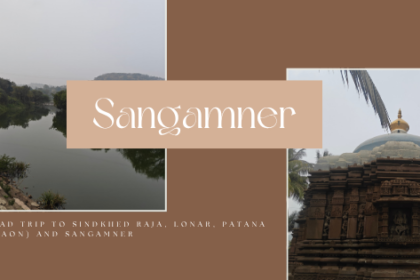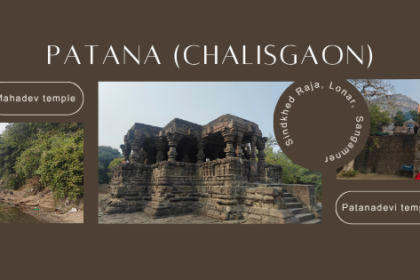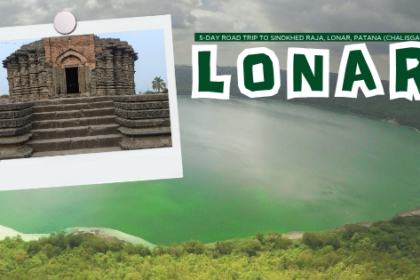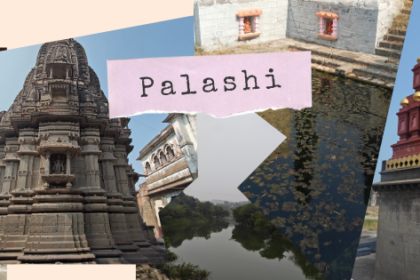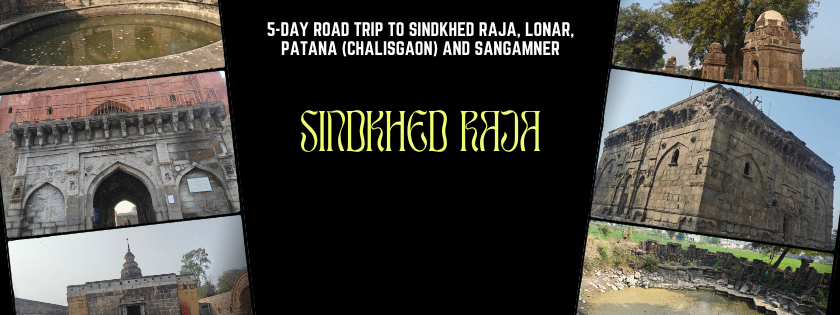
Our 5-day road trip to Sindkhed Raja, Lonar, Patana (Chalisgaon) and Sangamner was a delightful blend of history, natural wonders, and serene landscapes. Here’s how we experienced the charm of these unique destinations:
| Click the links below to access the blogs of next days of this trip | Before Lunch | After lunch |
| Day 1: Sindkhed Raja | Journey from Pune to Sindkhed Raja | Local sight seeing in Sindkhed Raja. Journey to Lonar |
| Day 2: Lonar | Lonar Parikrama (walking). | Local sight seeing in Lonar (by car). |
| Day 3: Chalisgaon | Journey to Patana, Chalisgaon. | Ancient Chalukya Shri Hemadpanthi Mahadev Temple, Chandika Devi Mandir Patna. |
| Day 4: Sangamner | Pitalkhora Buddhist cave. Journey to Sangamner. | Tahakari Jagdamba Temple, Sangamner |
| Day 5: Palashi to Pune | Local sight seeing in Palashi. | Journey to Pune. |
Sindkhed Raja in Buldhana district is the birthplace of Rajmata Jijau. This village holds special importance as it is the maternal home of Chhatrapati Shivaji Maharaj.
In 1560 CE, Lakhuji Jadhav was appointed as Deshmukh of Sindkhed. Earlier, he served as a Mansabdar (a rank holder) in the court of the Nizamshahi. This royal family settled here around 1576 CE, and it was in this family that Rajmata Jijau was born.
Day 1: Pune to Sindkhed Raja to Lonar
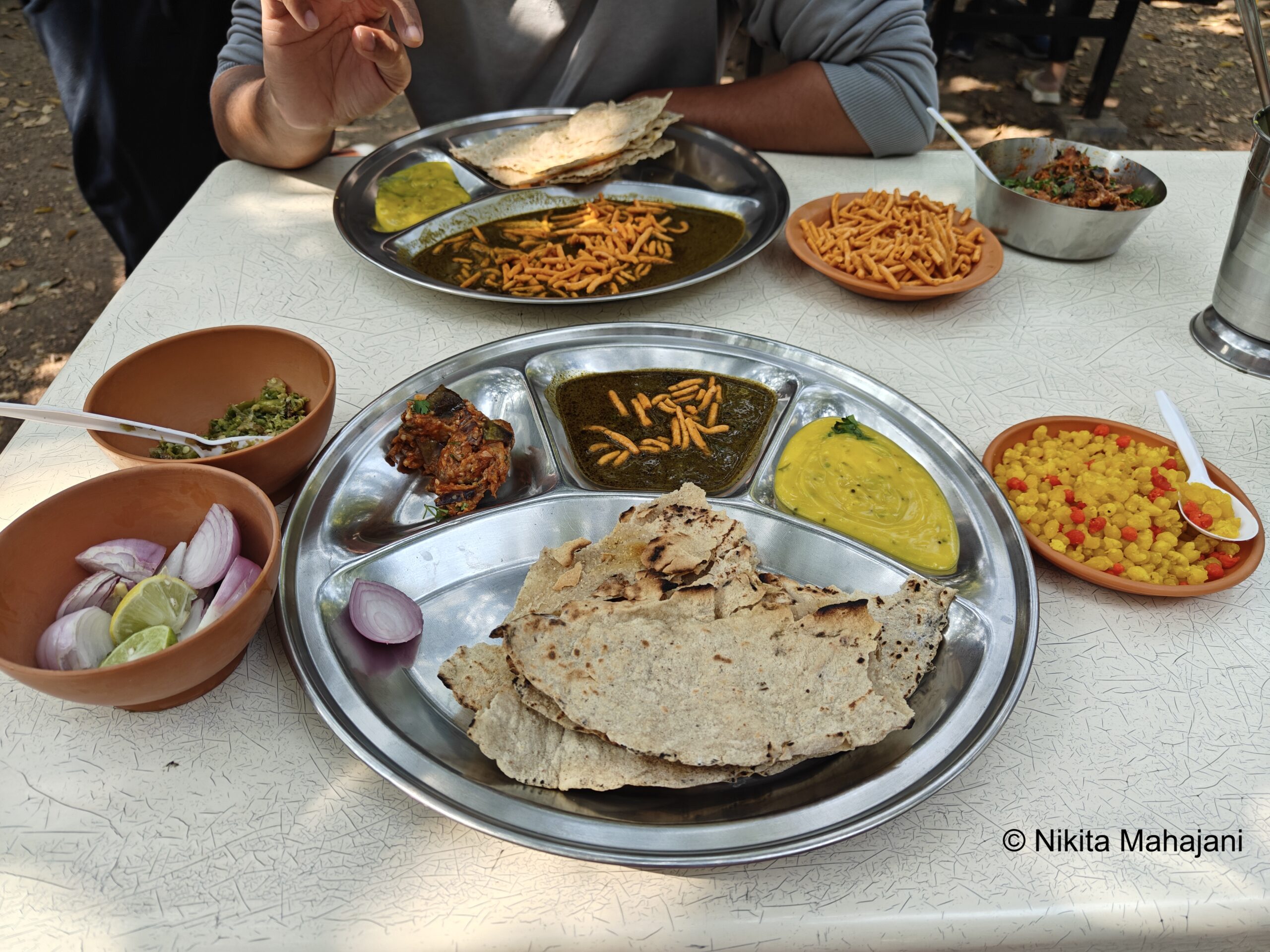
We began our journey early, leaving Pune at 6:00 AM. We went to Phalke Farm Chikoochi Wadi Pure Veg in Ahilyanagar for an early brunch at 10:30 AM. The area is fully shaded by lush chikoo trees 🌳, offering a cool and pleasant atmosphere. The on-site restaurant provides ample seating and serves fresh, flavorful vegetarian dishes, specializing in traditional Maharashtrian cuisine. The facility also includes clean washrooms, convenient parking, and a welcoming pet-friendly environment.
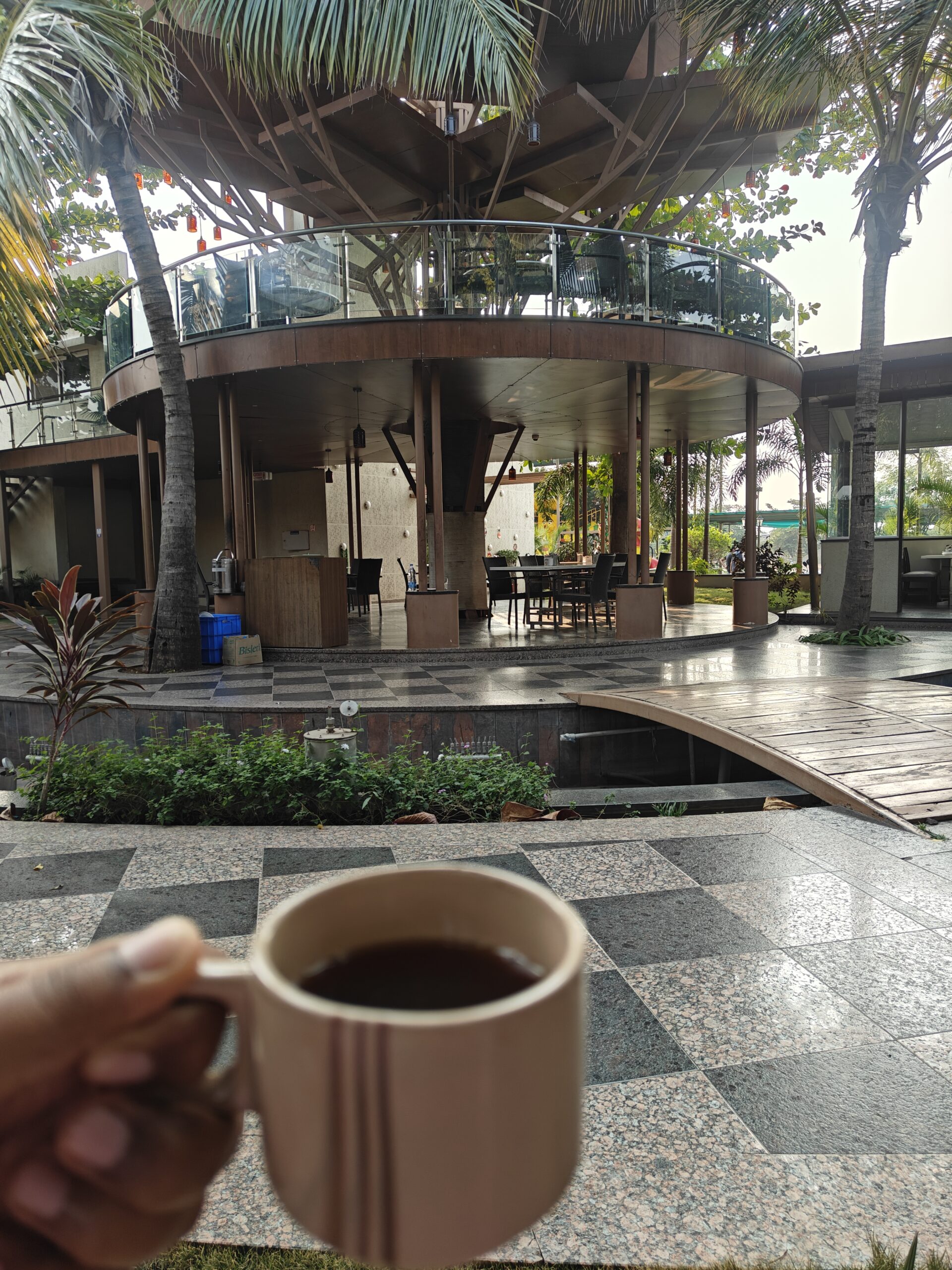
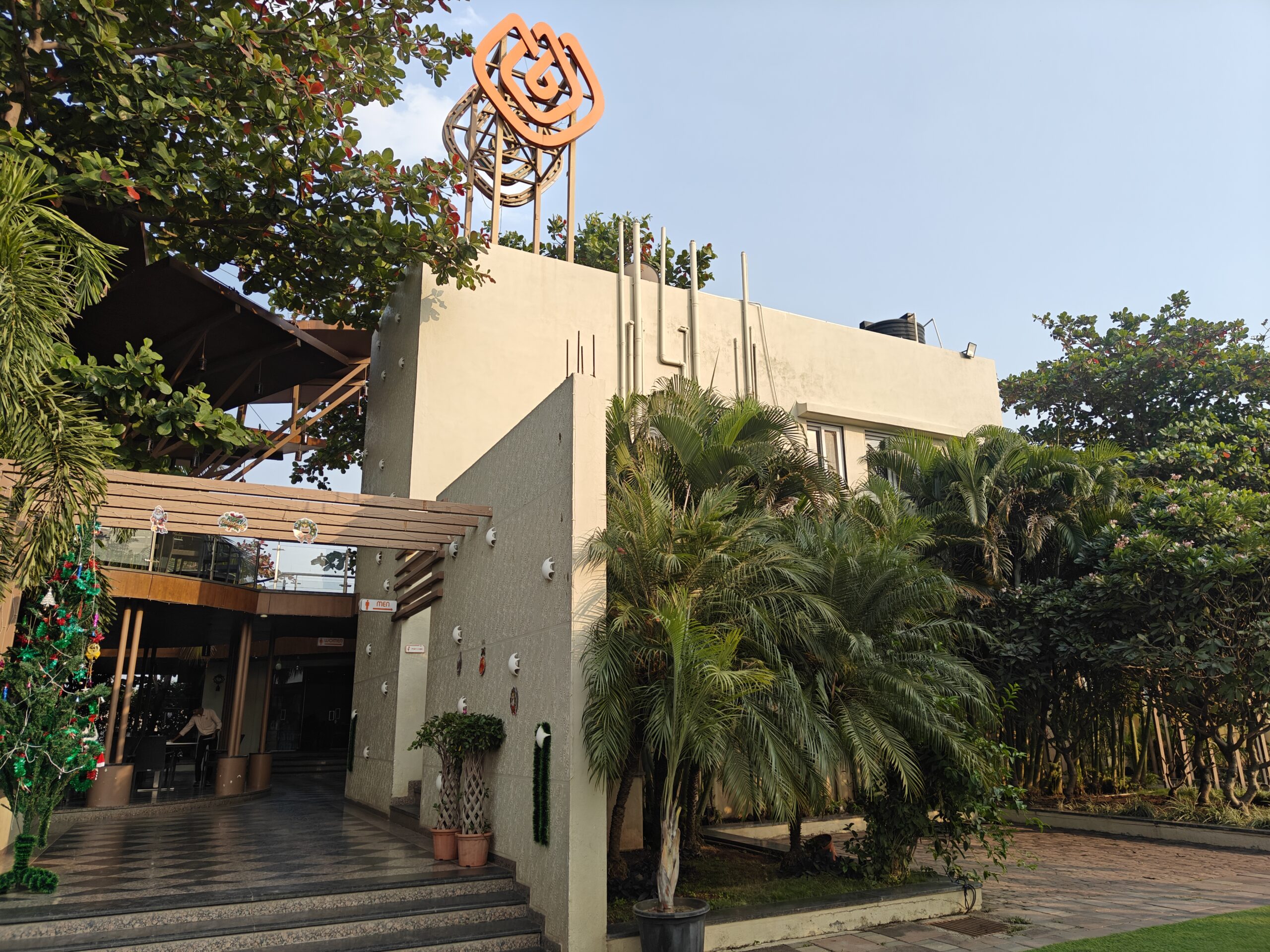
We took a short tea break at Monica Gardens pure veg restaurant, Jalna – Aurangabad Rd.
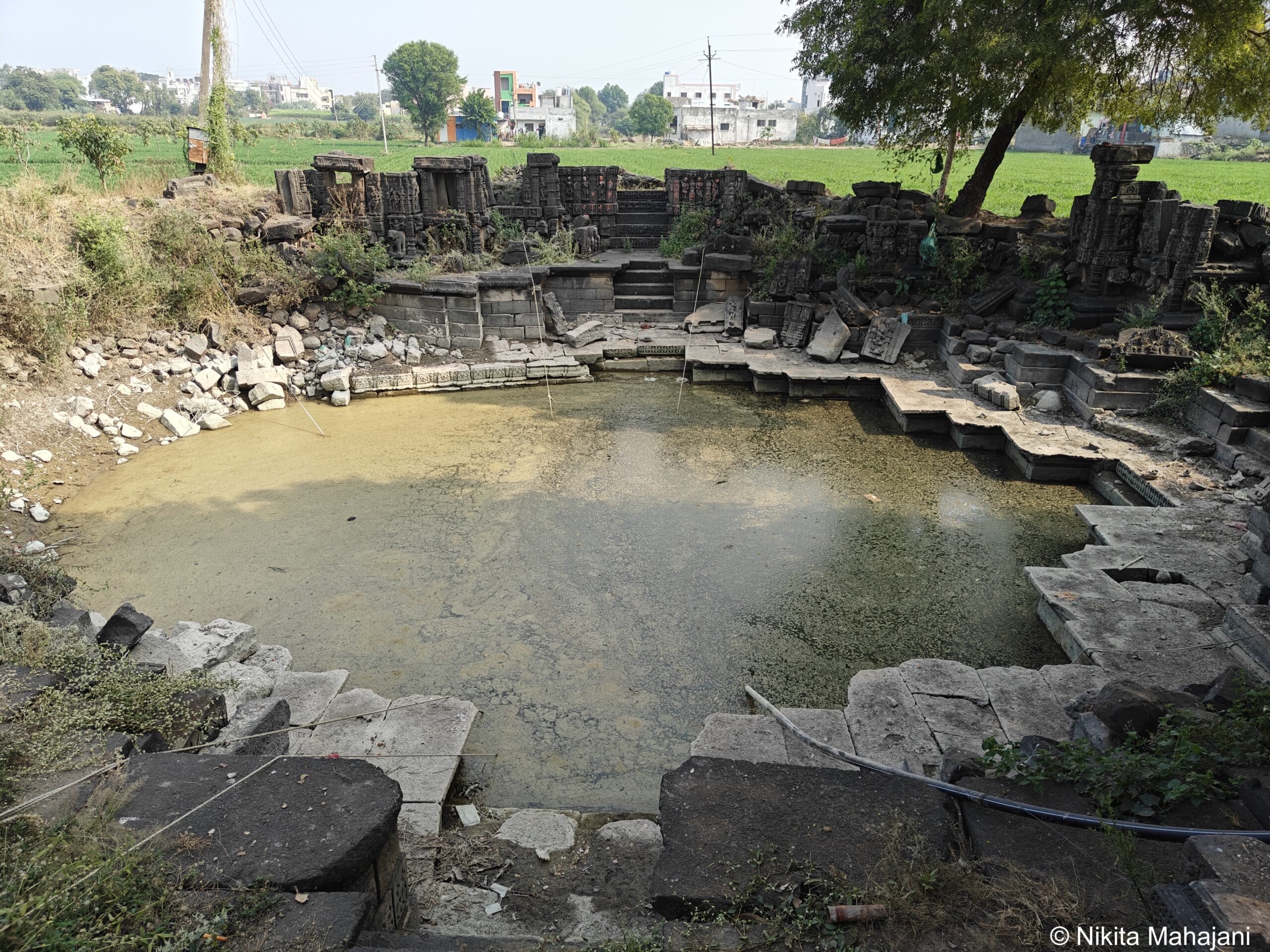
A scenic drive led us to Sindkhed Raja by 4:00 PM, where we explored Putala Baarav. This is an ancient step well with beautiful sculptures is in ruins. In a few days, this magnificent stepwell won’t be visible — half of it has already collapsed, and the other half is waiting to fall.
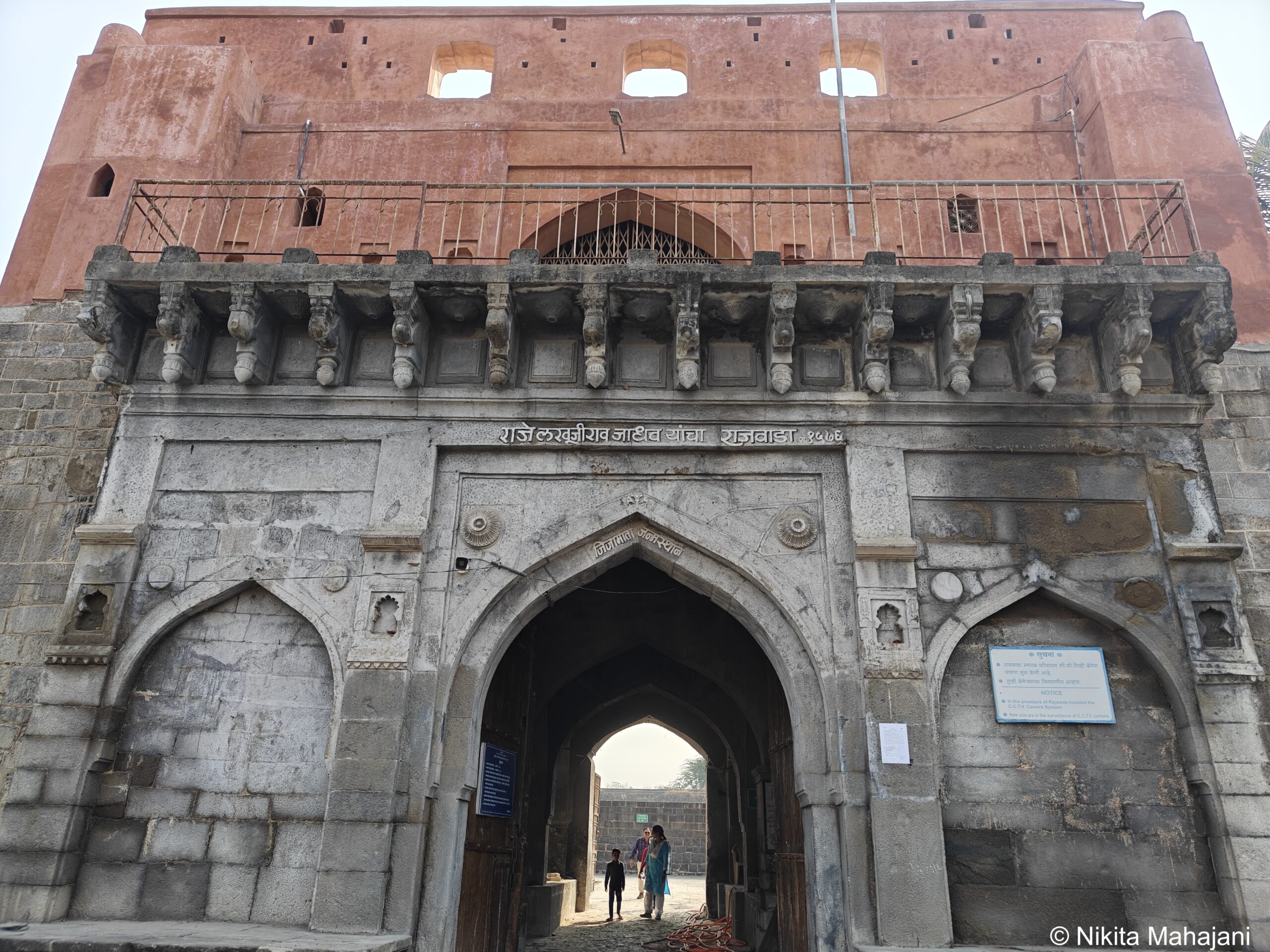
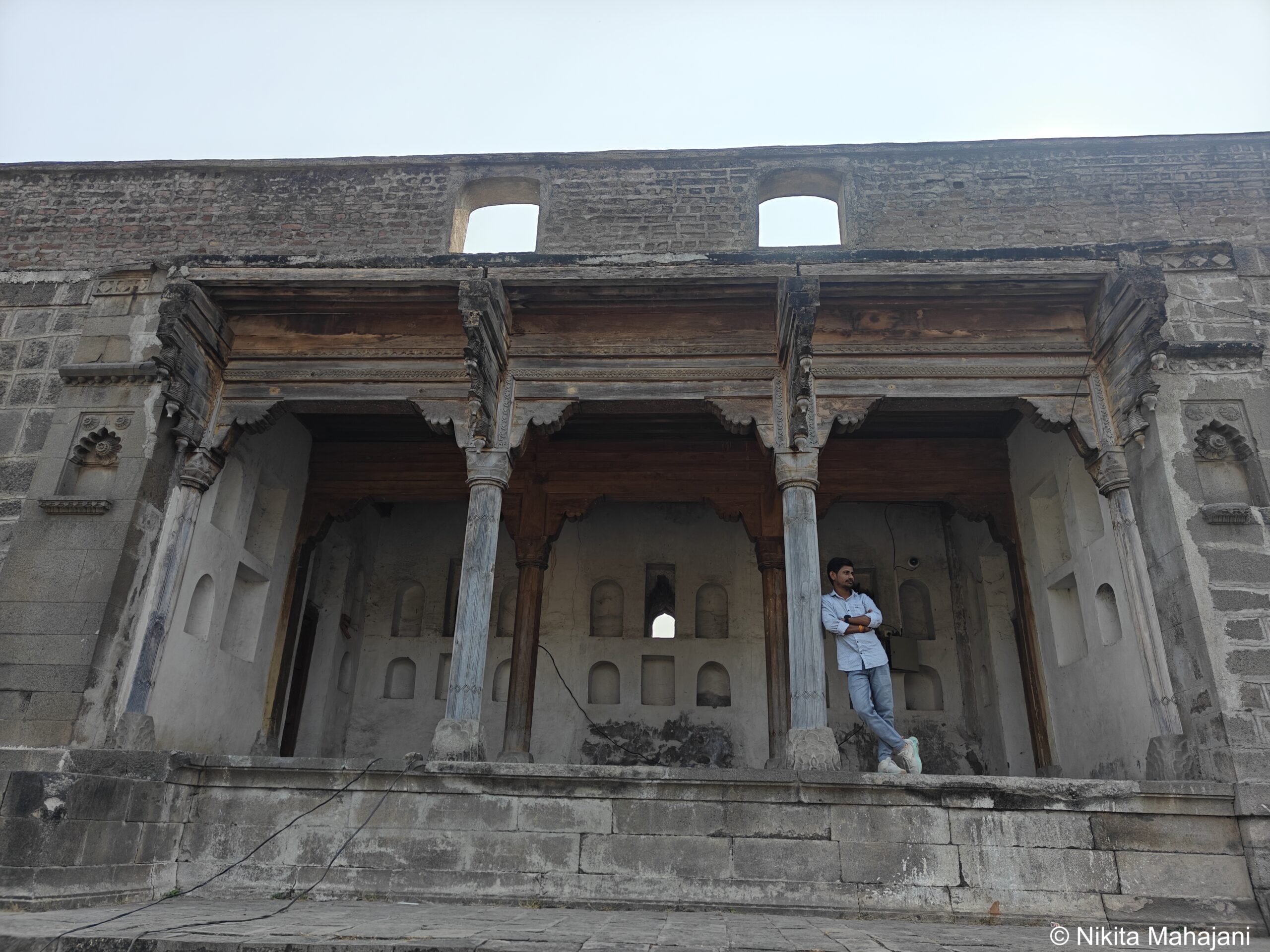
We also visited the Raje Lakhojirao Jadhav Palace which is a grand reminder of Maratha heritage. The palace entrance features a grand gateway facing north. Above the entrance is a beautifully carved niche with a sculpture of Nandi (bull), which is spiritually significant. The entrance leads to a three-story palace. Below, there is a sanctum for Lord Shiva, a Nagarkhana (drum house), and a chamber for blowing conch shells — all of which reflect the Maratha architectural style of royal residences.
In those days, conches were played in the Nagarkhana. Right at the entrance, one can see strong defensive walls, indicating the palace’s use for protection and defense. The rooms in the four corners were used by queens for their residence and retreat. The lower chambers provided natural ventilation, keeping the rooms cool, which was ideal for royal living.
In this very palace, under the loving care of her royal family, the great and noble Rajmata Jijau was born.
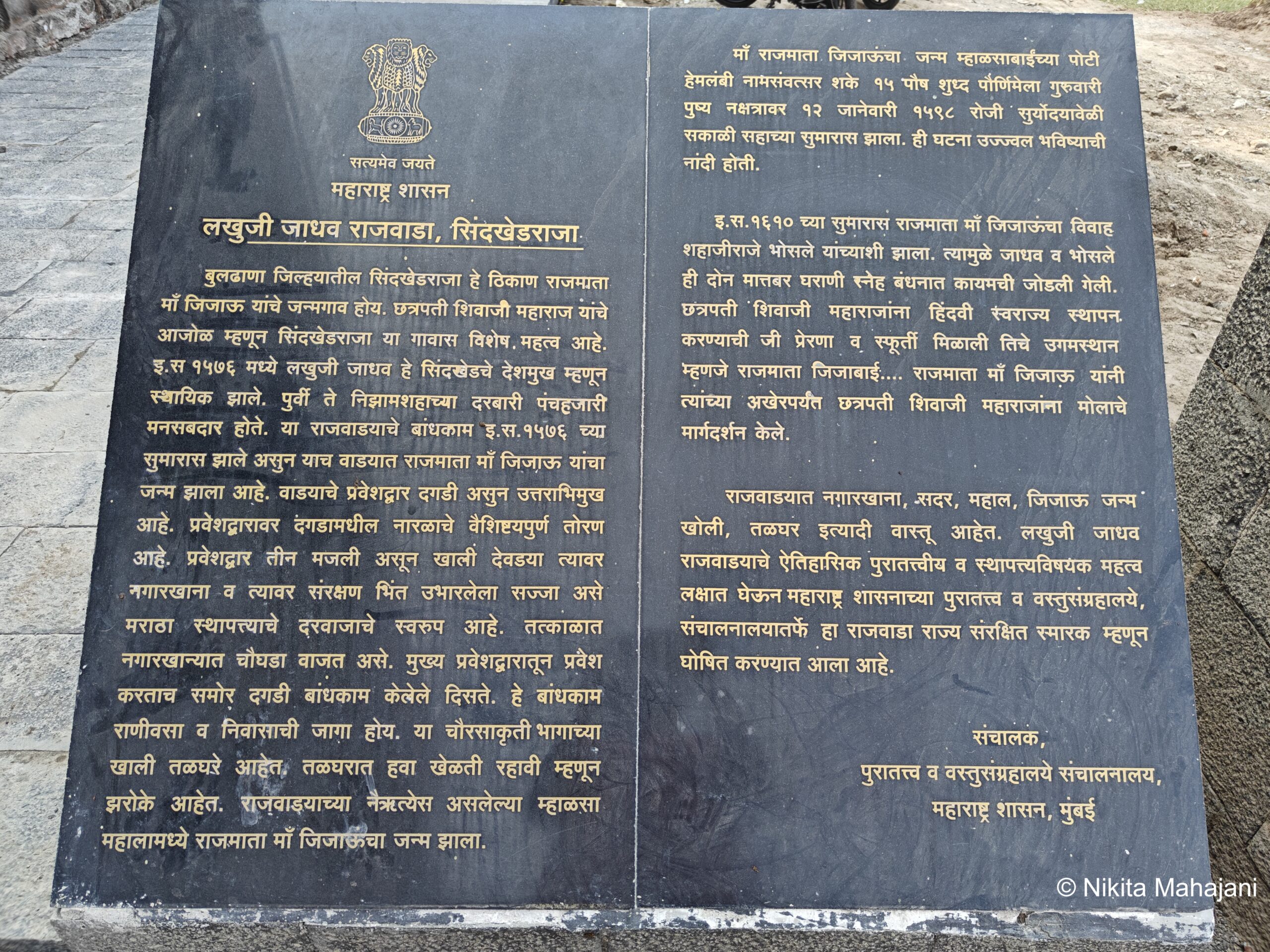
Rajmata Jijau was born into the Malojasar lineage of the Jadhav family, belonging to the Hemadpant tradition. She was born on the auspicious Thursday of the full moon day (Pournima) of the 15th day of Paush month, Shaka year 1515, corresponding to 12 January 1598, during sunrise. This event is considered an omen of a bright future.
Around 1610 CE, Rajmata Jijau was married to Shahaji Raje Bhosale. Thus, the Jadhav and Bhosale families were united through this noble bond of marriage. The inspiration and foundation for the establishment of Hindavi Swarajya (self-rule of the Hindus) by Chhatrapati Shivaji Maharaj stemmed from the guidance and upbringing of Rajmata Jijabai. She is rightly remembered as “Rajmata Jijabai.” Rajmata Jijau played a key role in shaping and directing the life and mission of her illustrious son, Chhatrapati Shivaji Maharaj.
The palace contains architectural elements such as a Nagarkhana (drum house), royal court (Sadar), palace halls, Jijau’s birth room, lakes, and other significant structures. Recognizing the historical, archaeological, and architectural importance of Lakhuji Jadhav’s royal palace, the Government of Maharashtra’s Department of Archaeology and Museums has declared this royal palace a State Protected Monument.
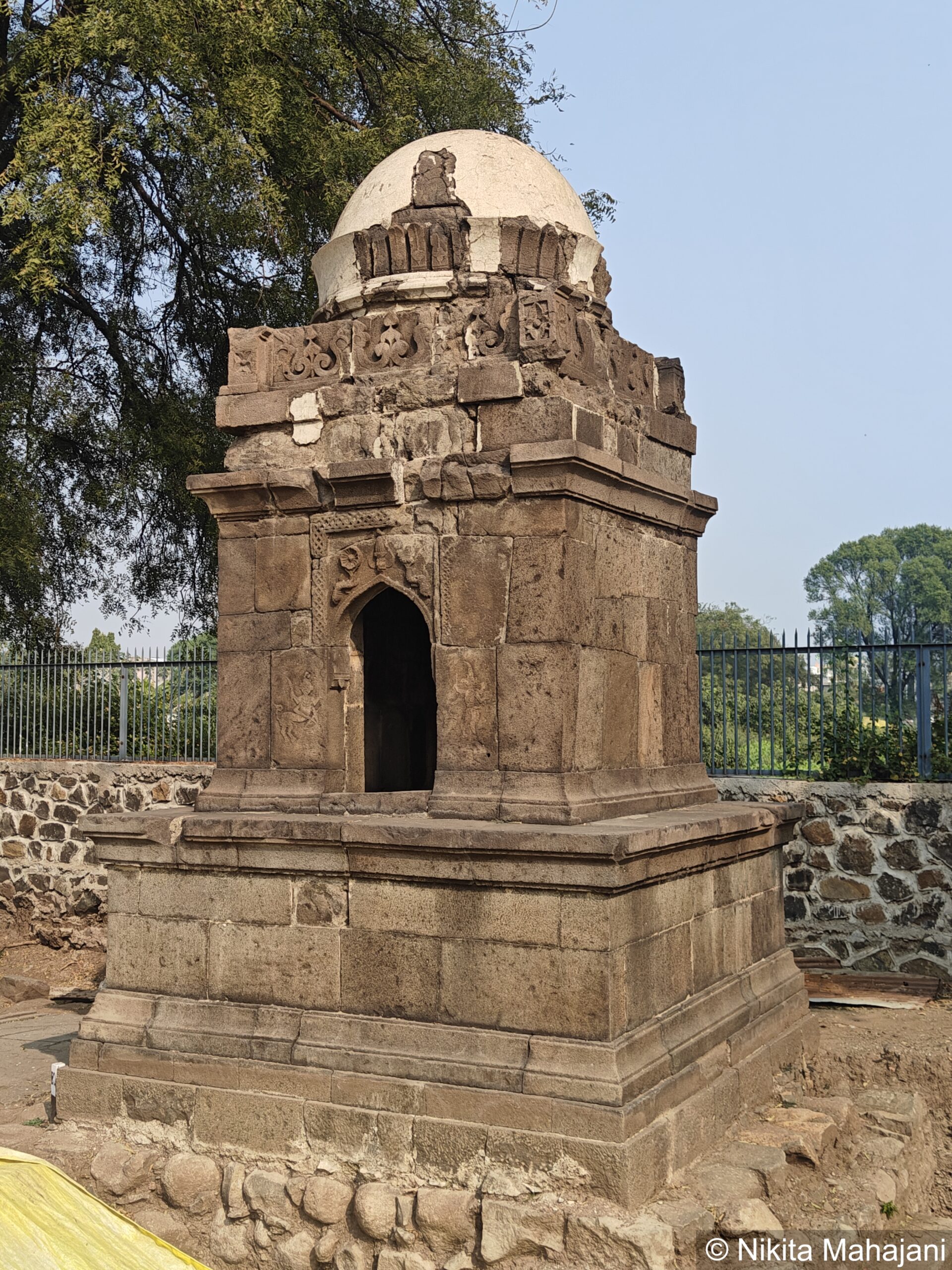
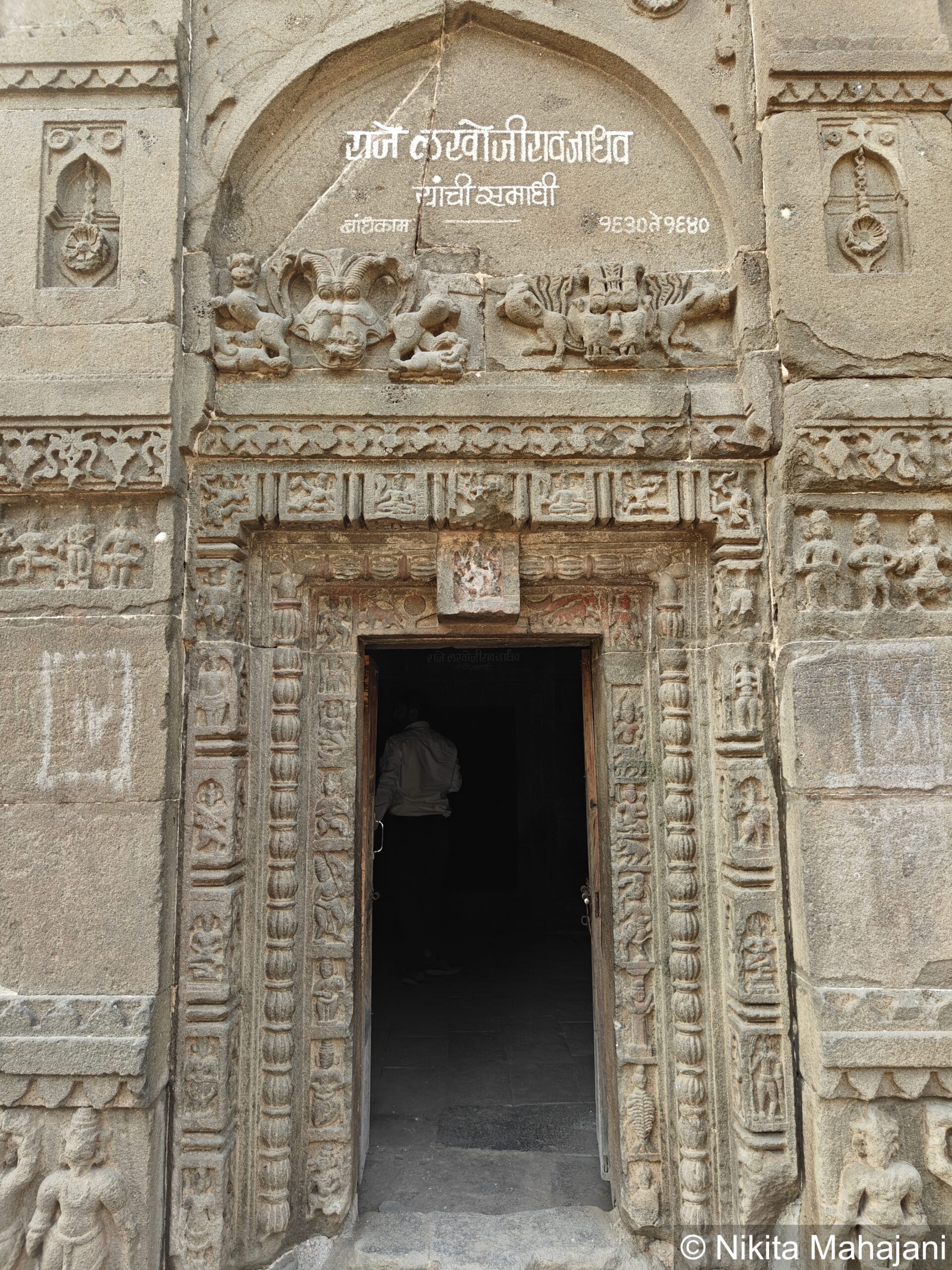
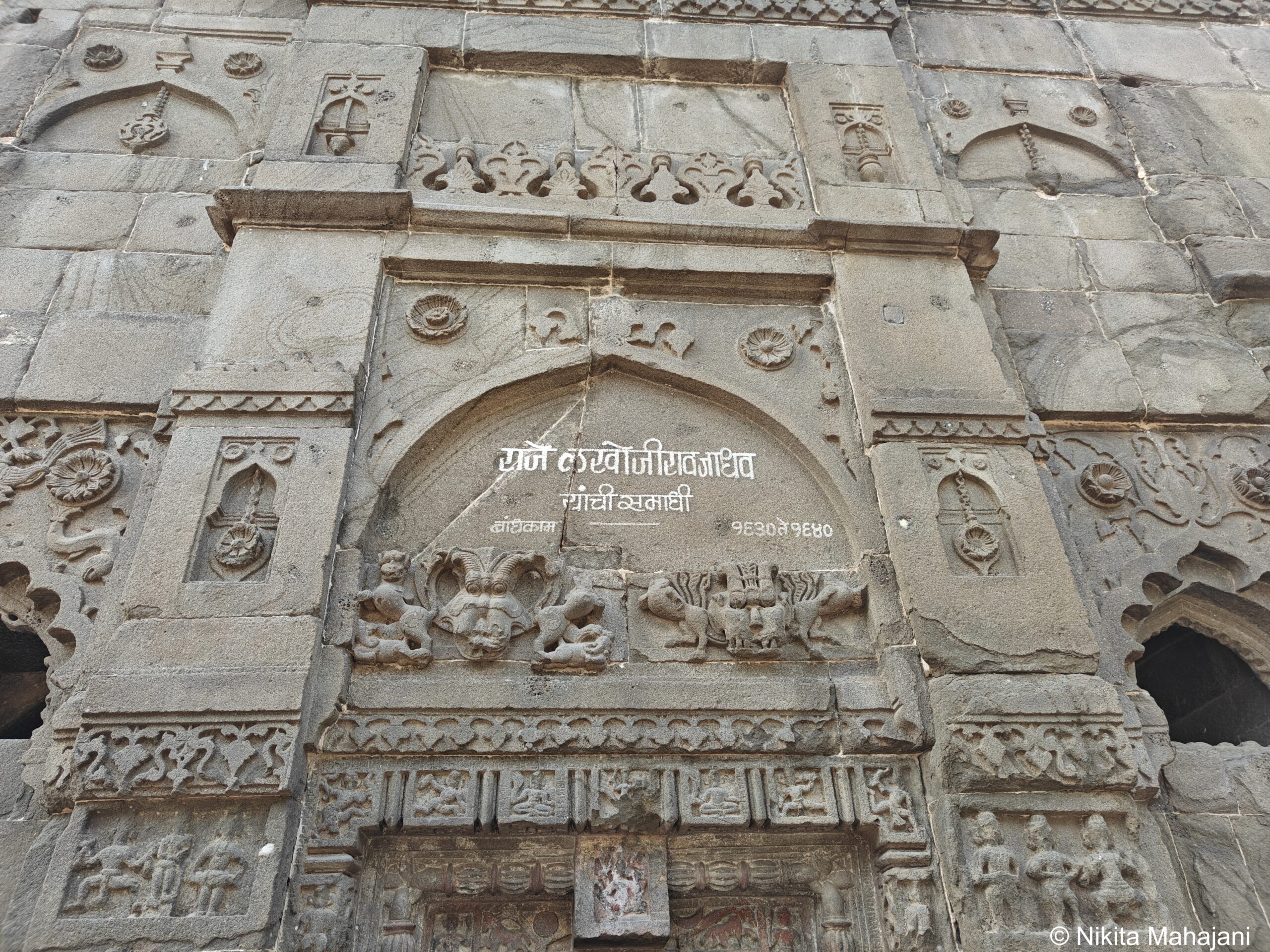
Next, we visited the Lakhojiraje Jadhav Samadhi. Lakhuji Jadhav was killed at Devgiri Fort in 1629, along with his sons and a grandson, on the orders of Burhan Nizam Shah III. In his memory, his descendants built a Samadhi (mausoleum) at Sindkhed Raja, which stands today as a remarkable example of Maratha-style architecture.
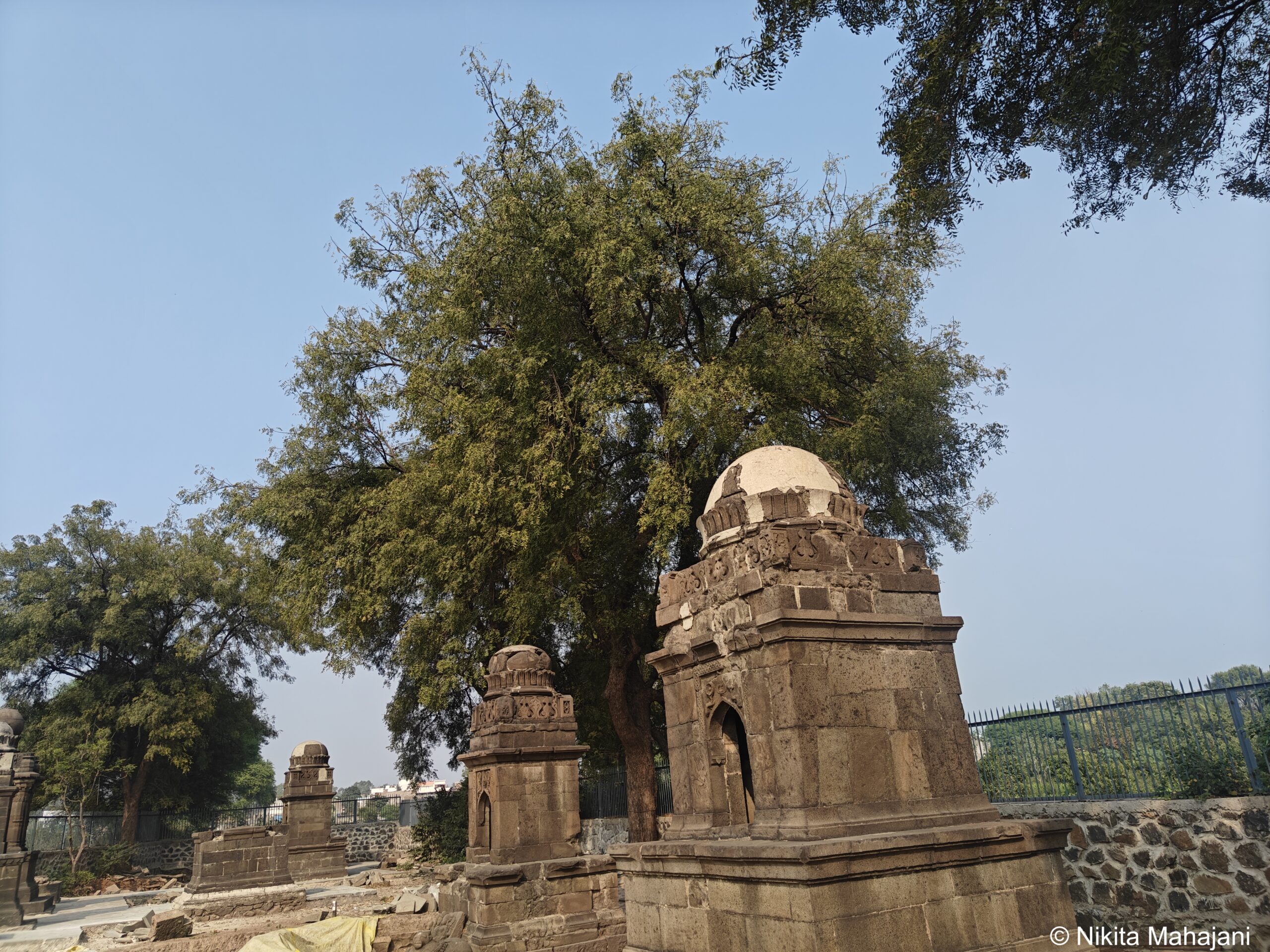
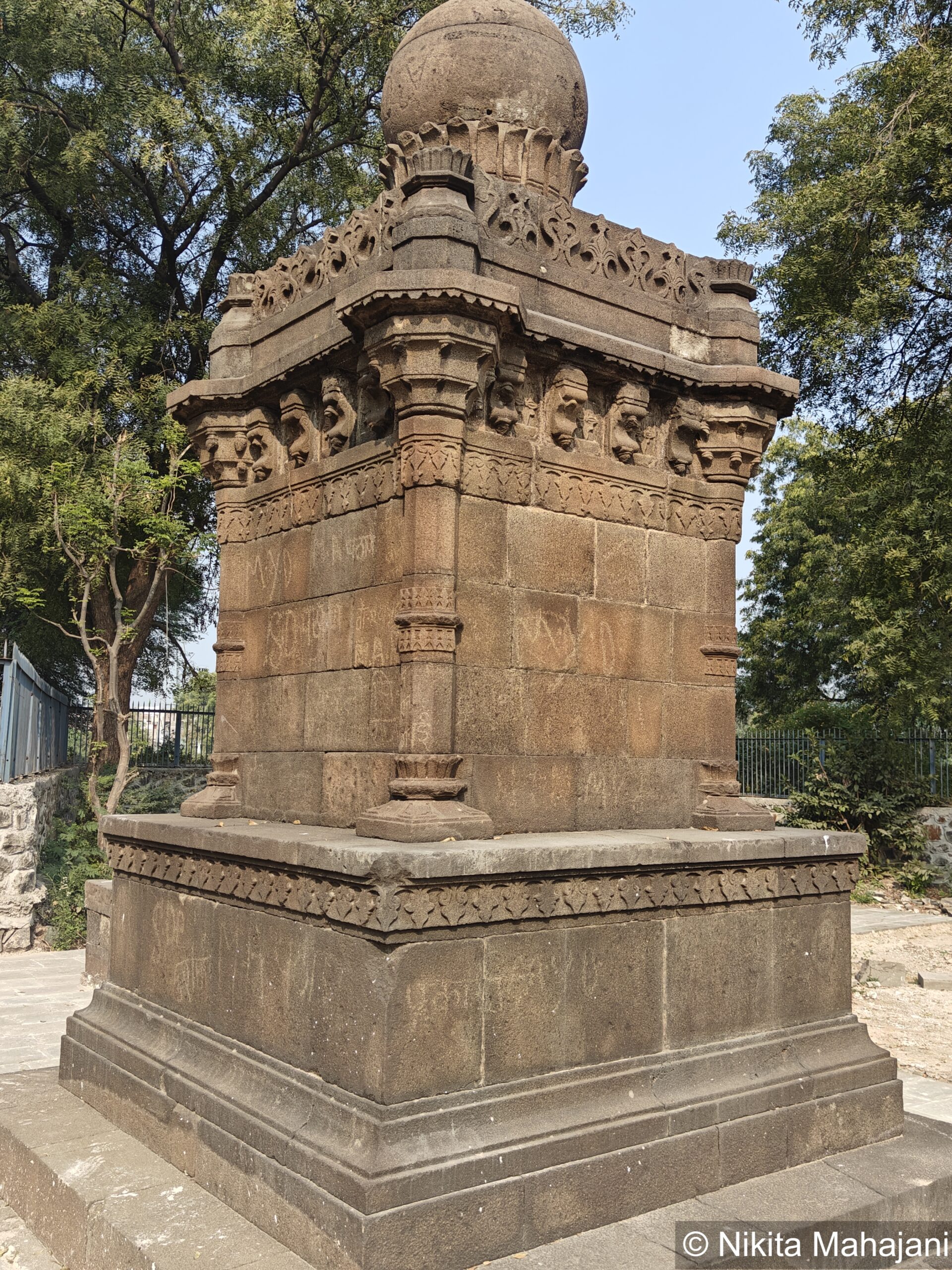
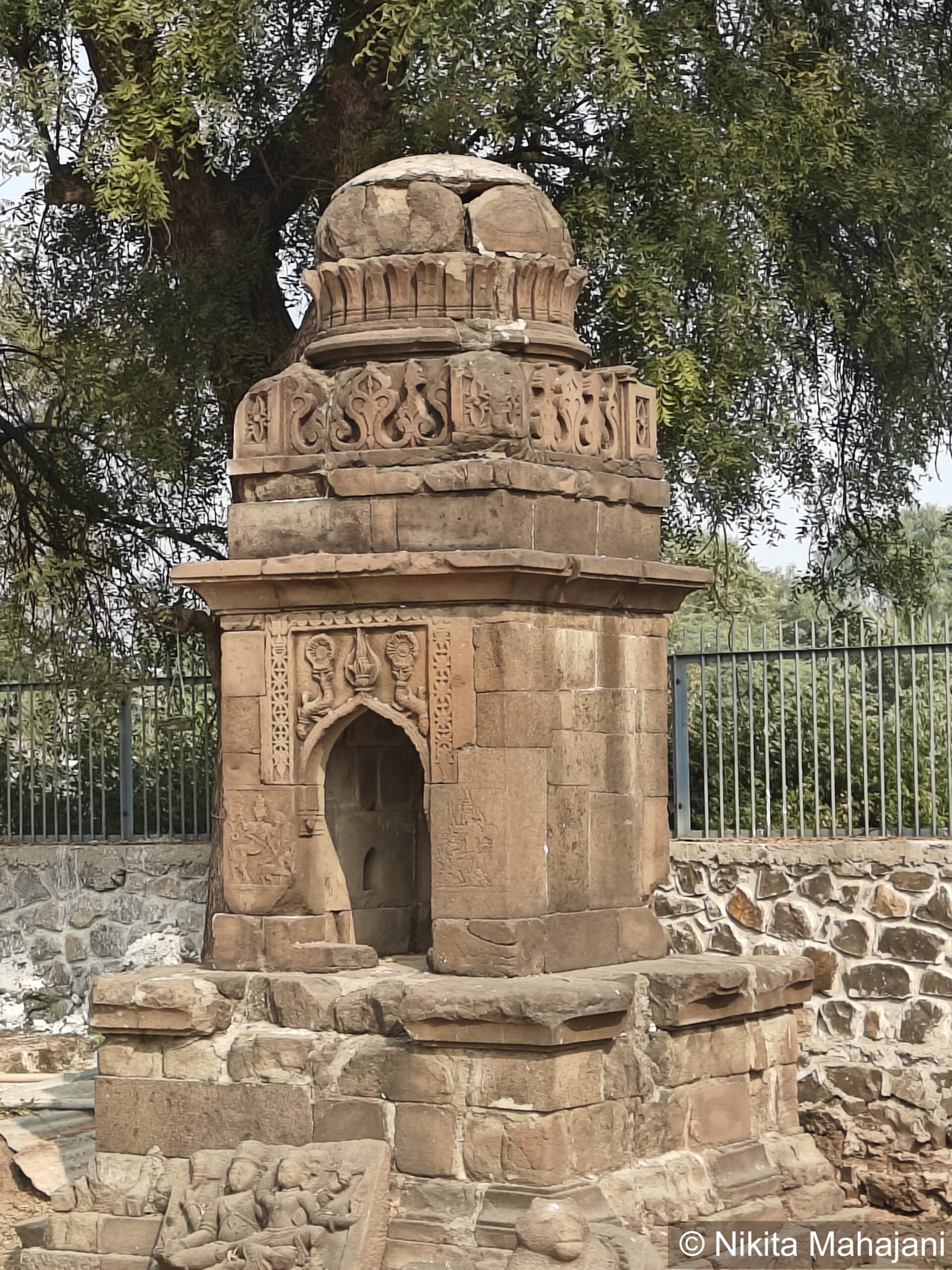
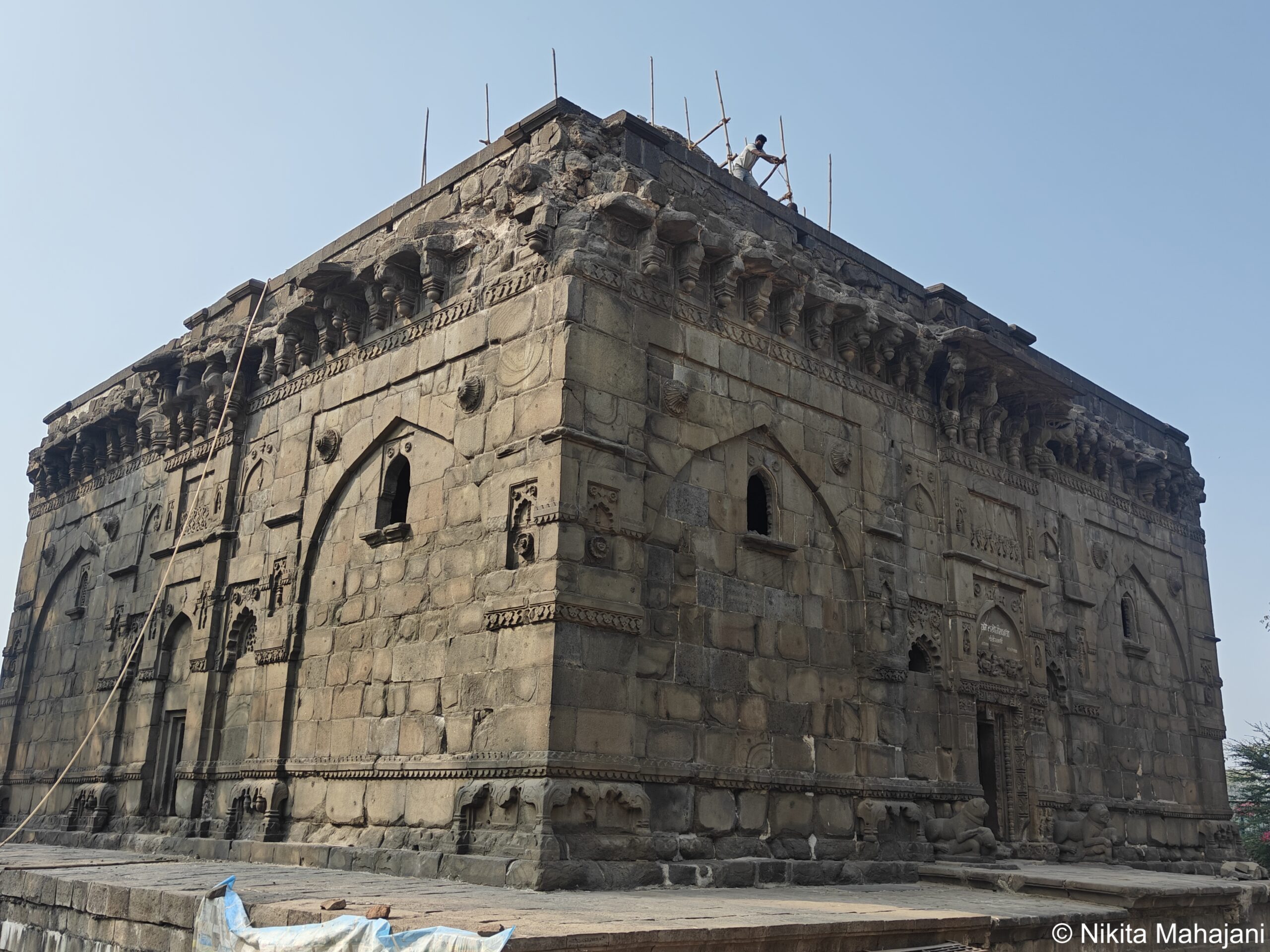
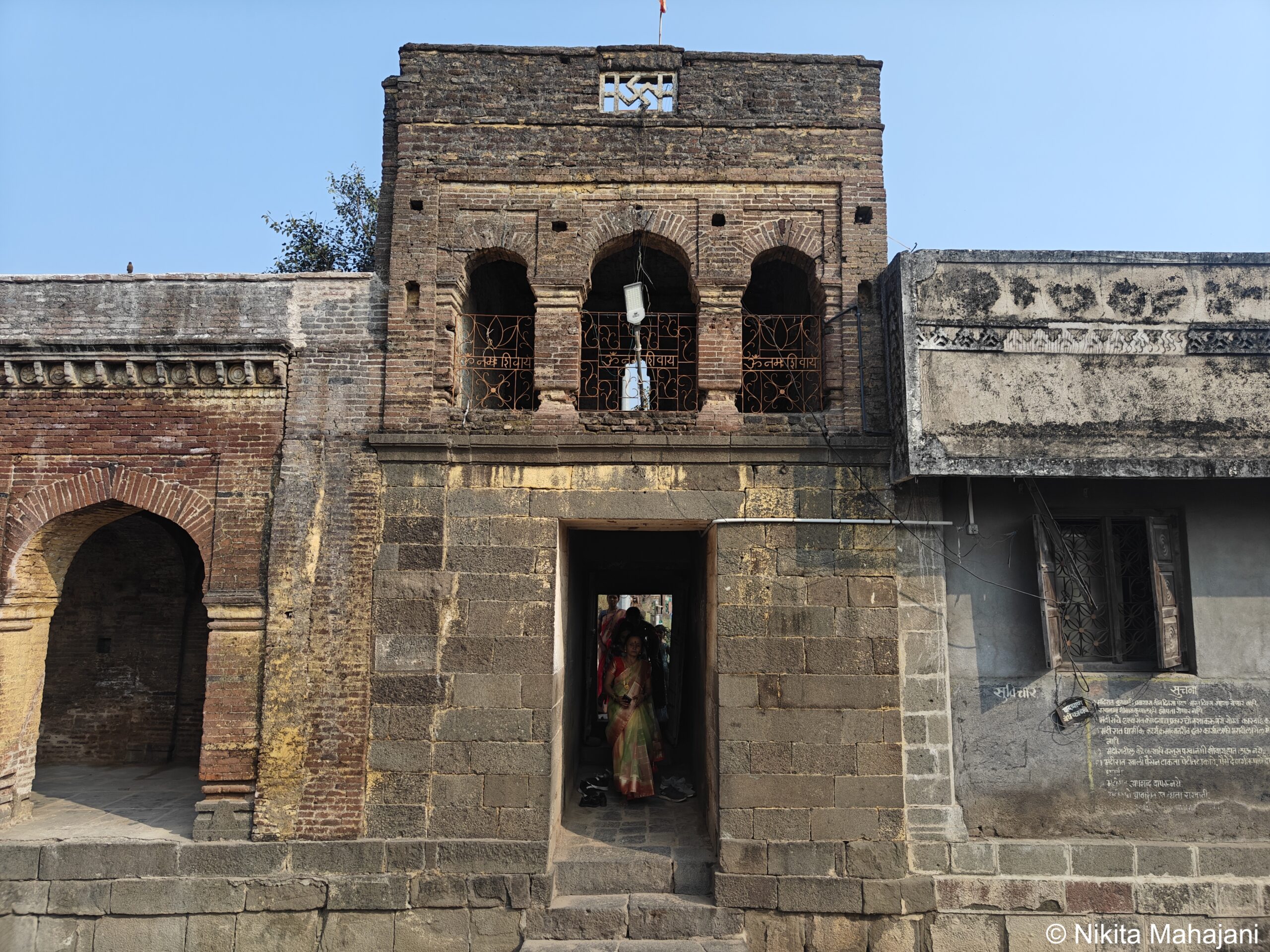
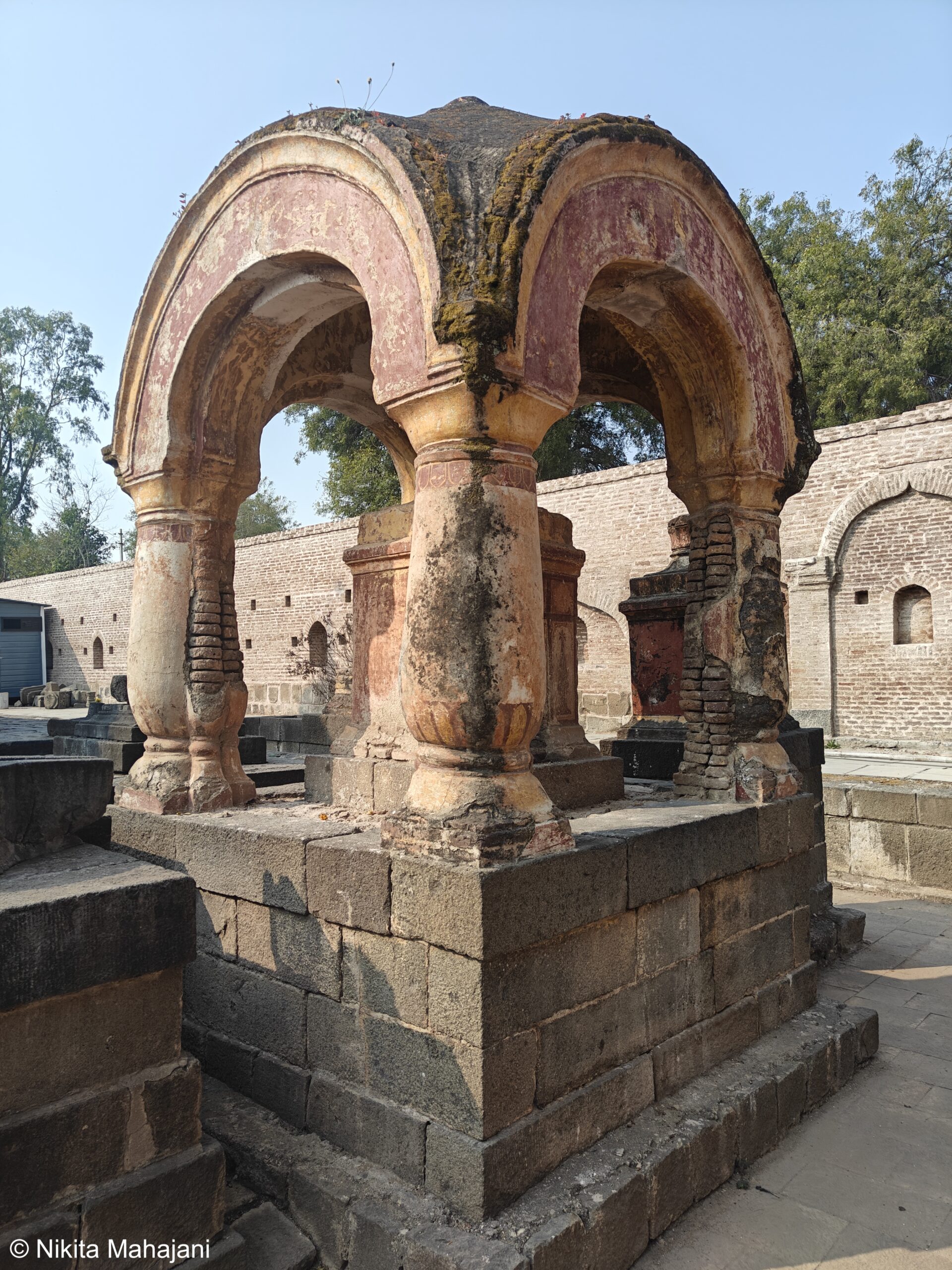
Next to the Lakhujiraje Jadhav samadhi stands the Rameshwar Temple, enclosed by the remains of a ruined brick wall. According to local belief, Lakhuji Jadhav built the temple to fulfill his mother’s wish. The structure is made of stone masonry with its upper section, including the shikhara (spire), built in brick. In front of the Shiva linga are two worn-out Nandi statues, and several broken deity idols lie scattered around the outer enclosure.
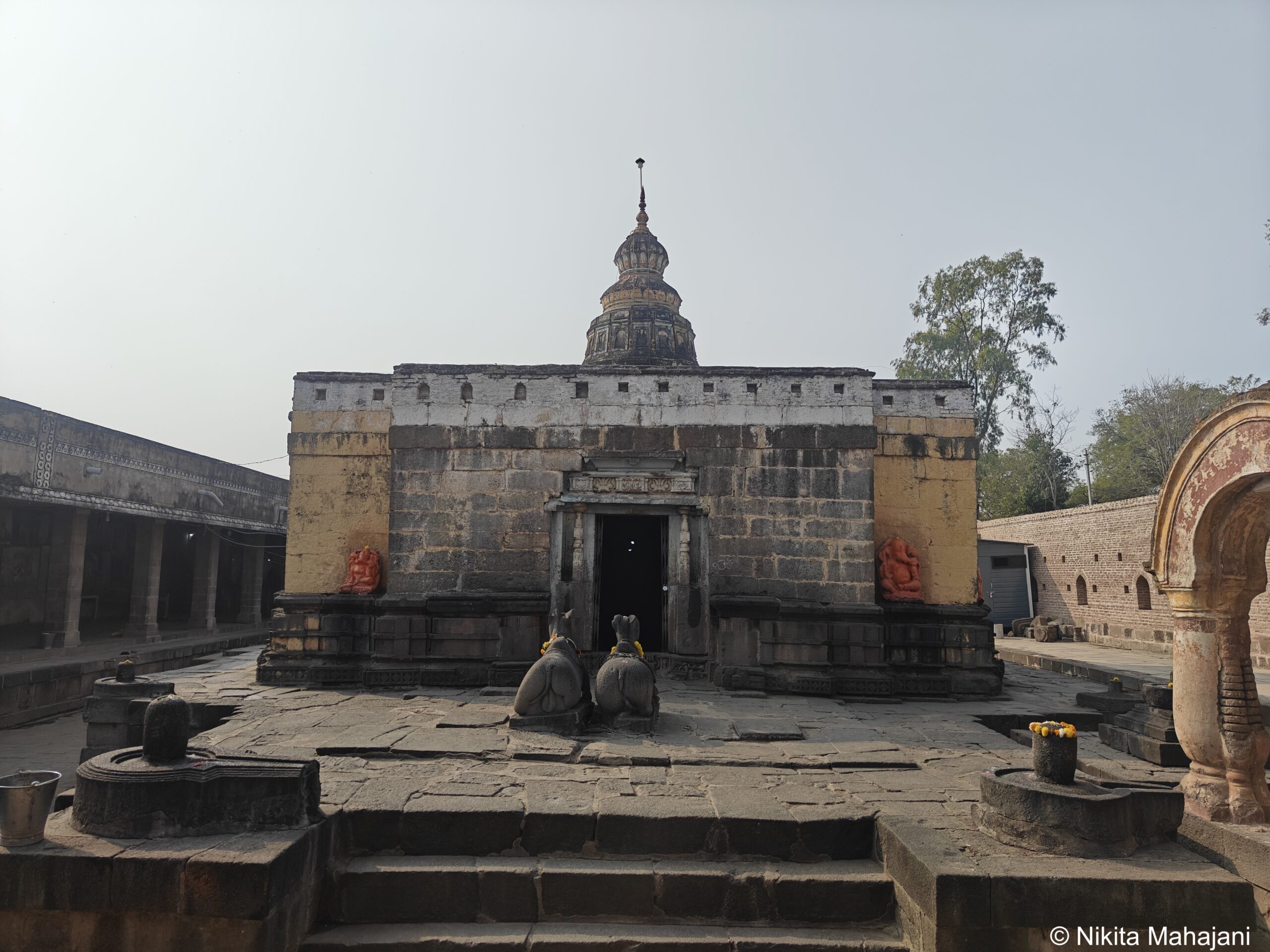
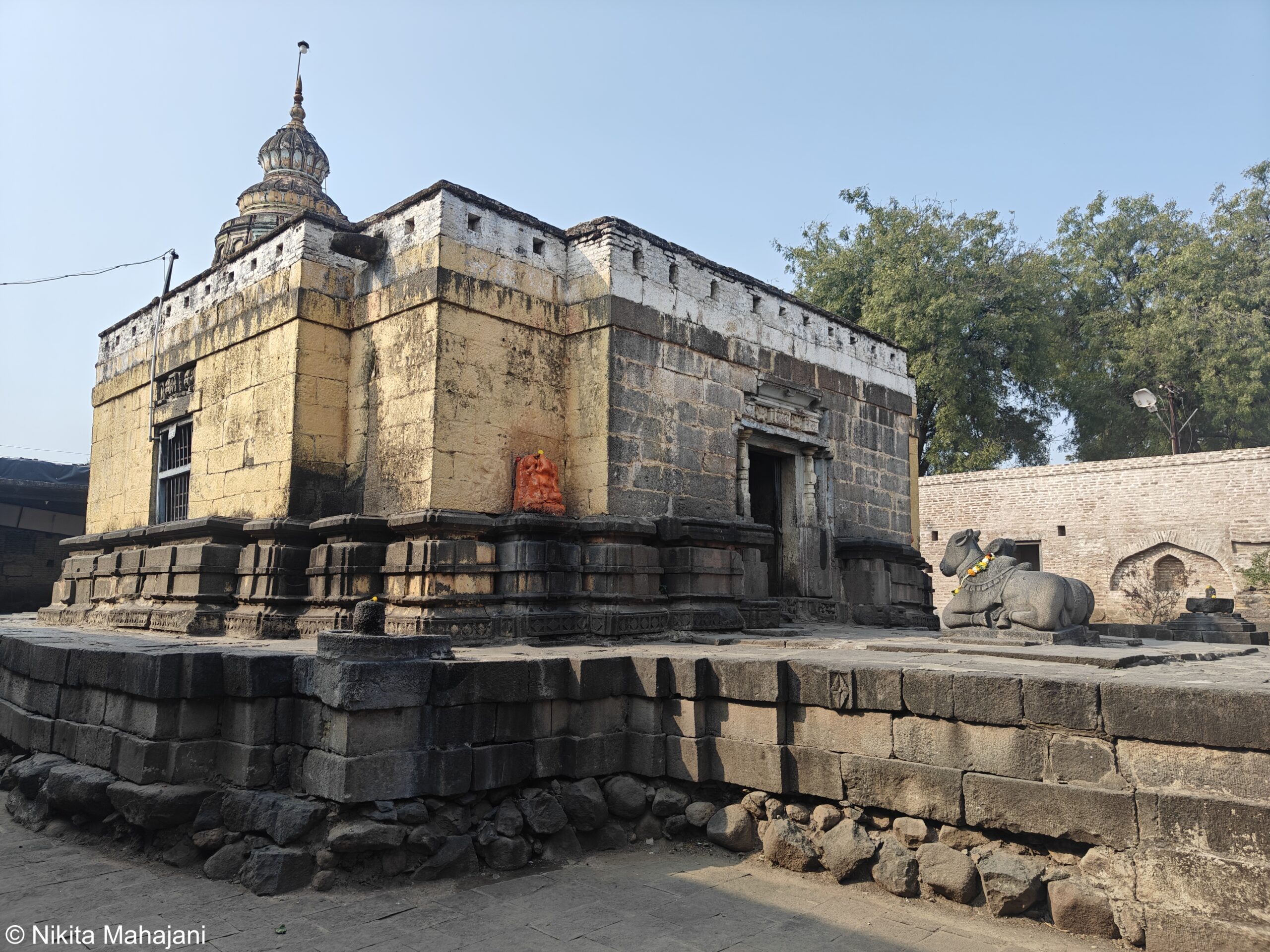
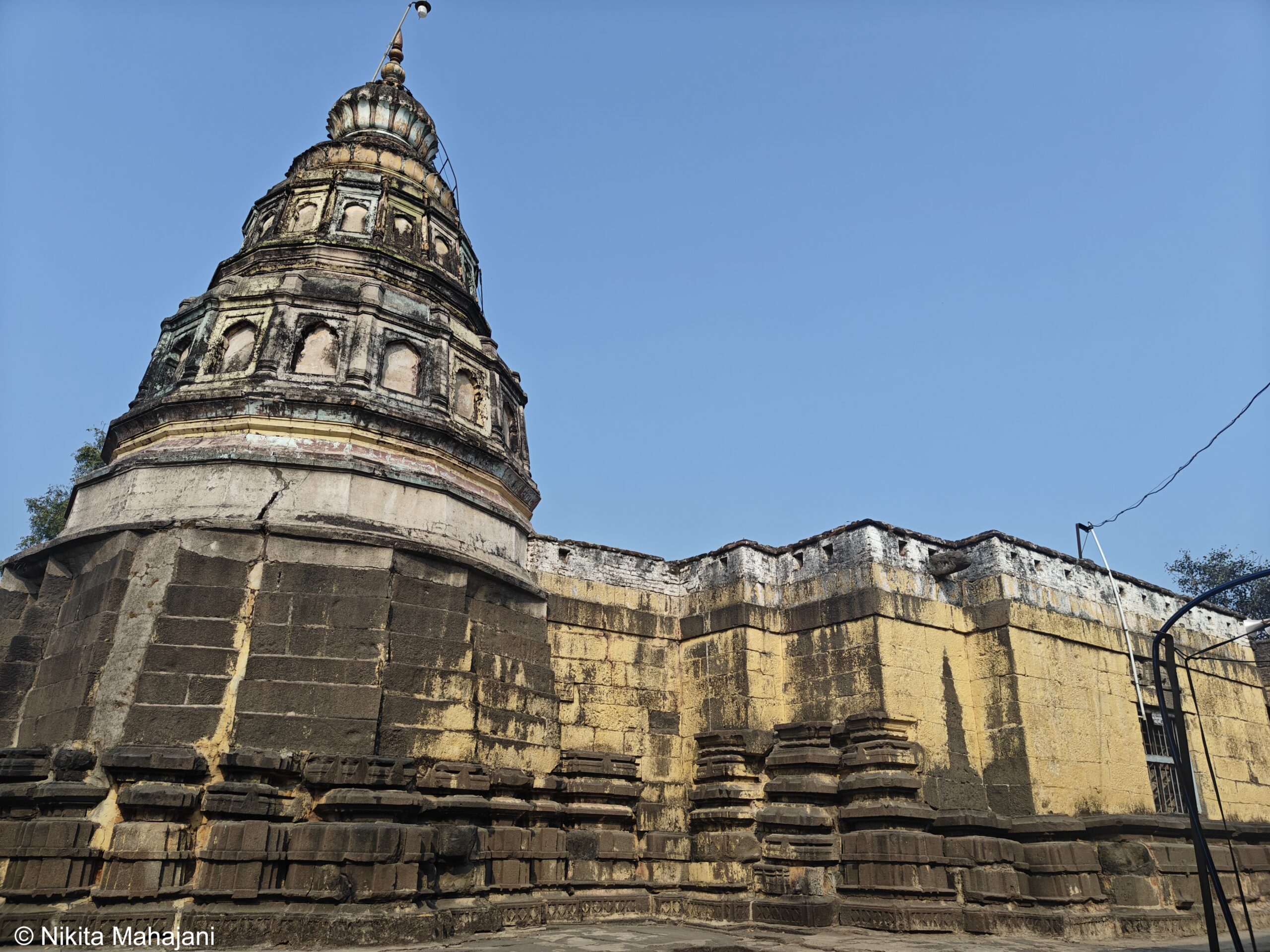
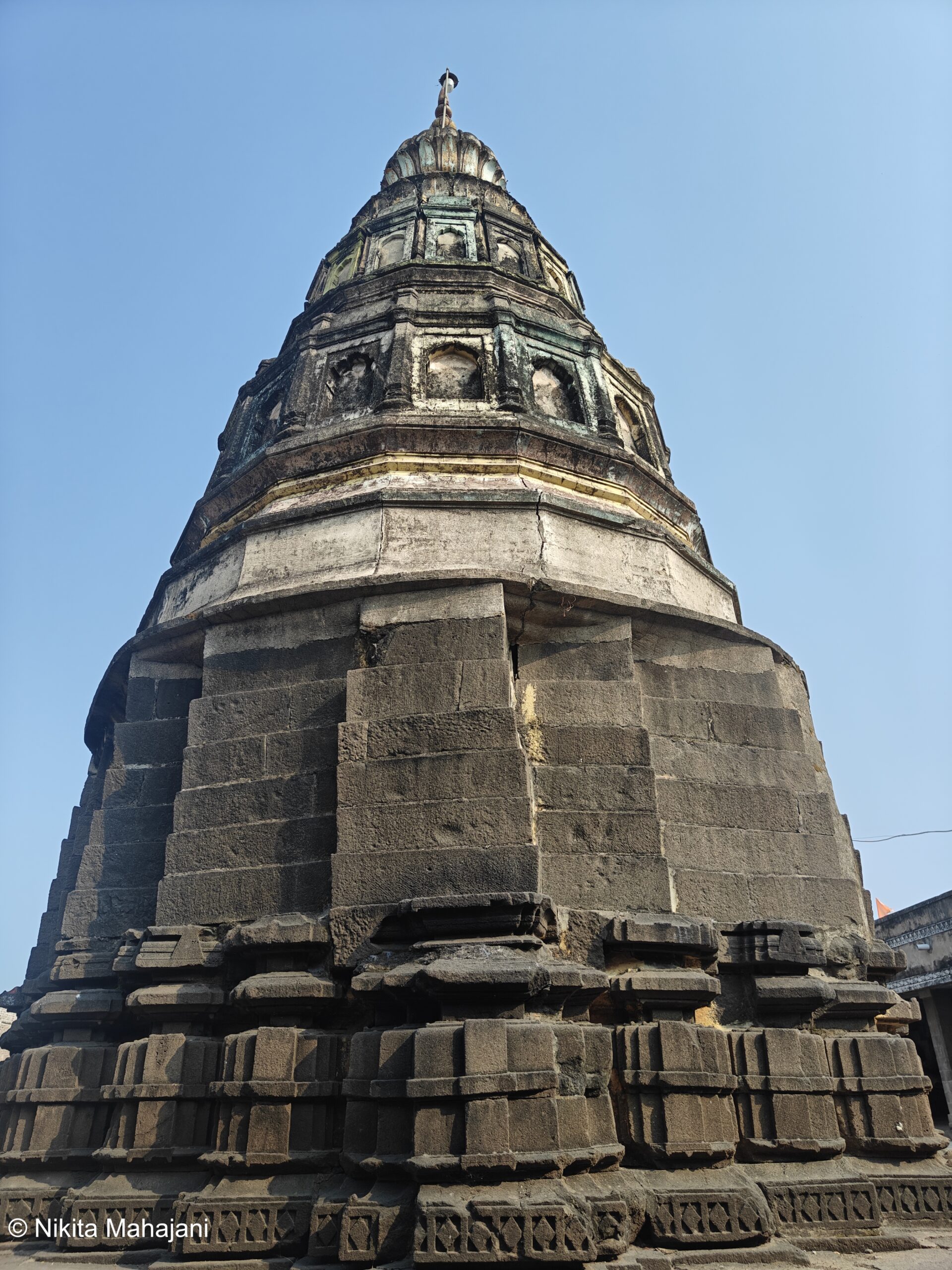
Nilkantheshwar Temple is one of the two Hemadpanthi-style temples located in Sindkhed Raja. In front of the temple lies the Nilkantheshwar Stepwell, which is believed to have been built by King Ravjagdevrao Jadhav of Barav. The stone stepwell measures 23 meters by 23 meters and includes 28 descending steps. Within the temple premises, there is a large Tulsi Vrindavan. The temple features beautiful stone carvings of Lord Vishnu. Nearby the stepwell, there are three large Shivlings, and a temple dedicated to Shani is also located in the vicinity.
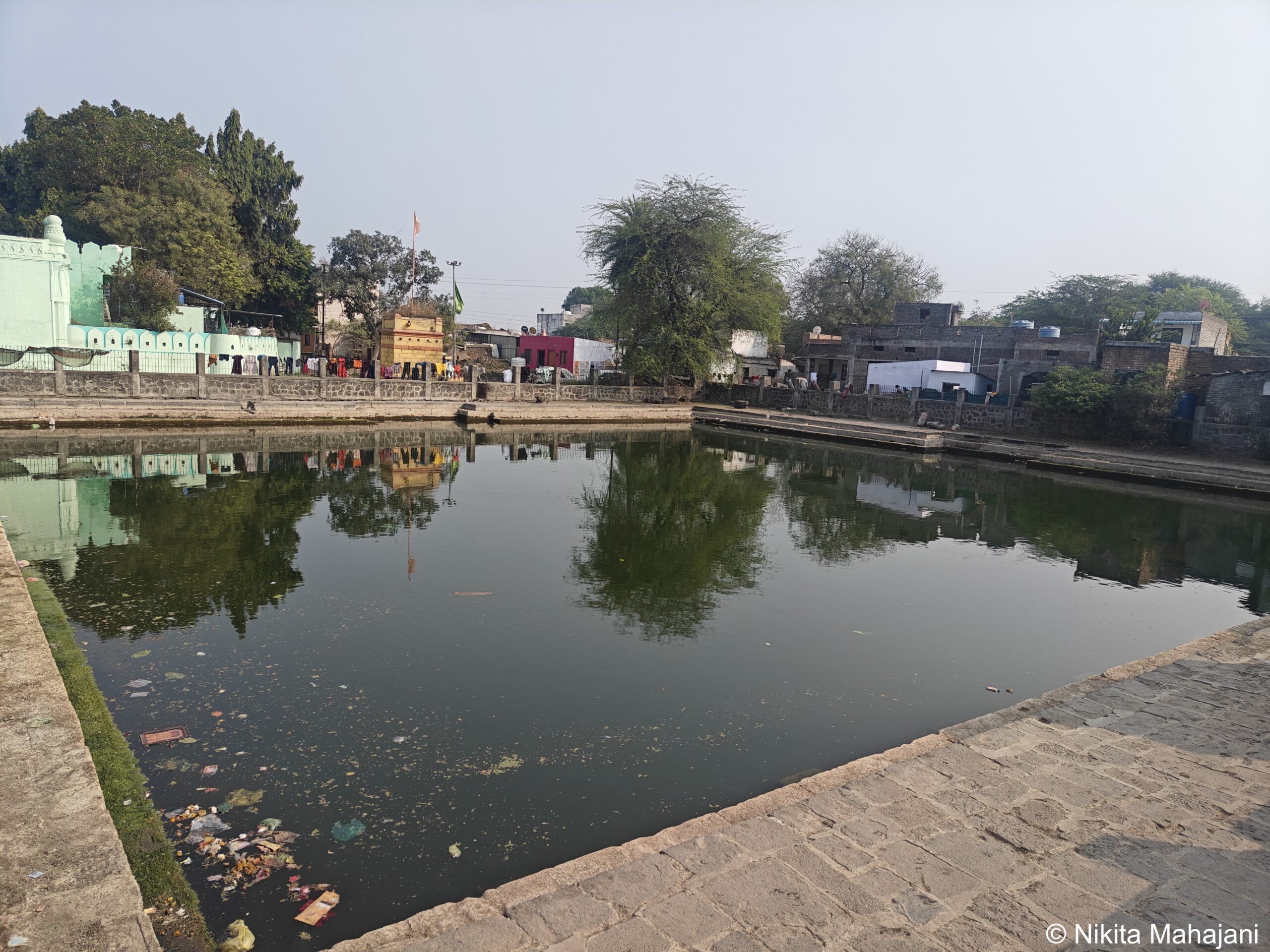
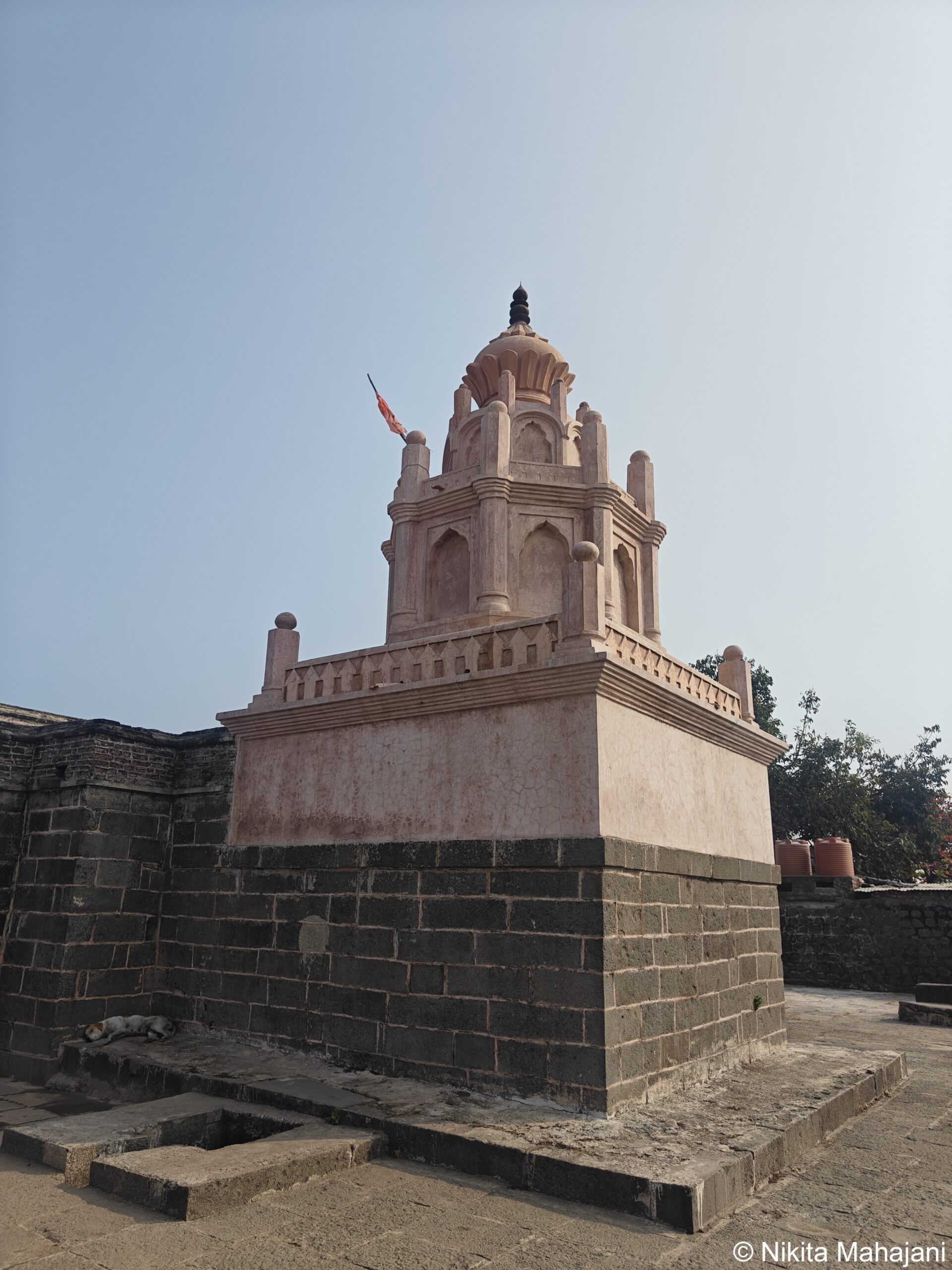
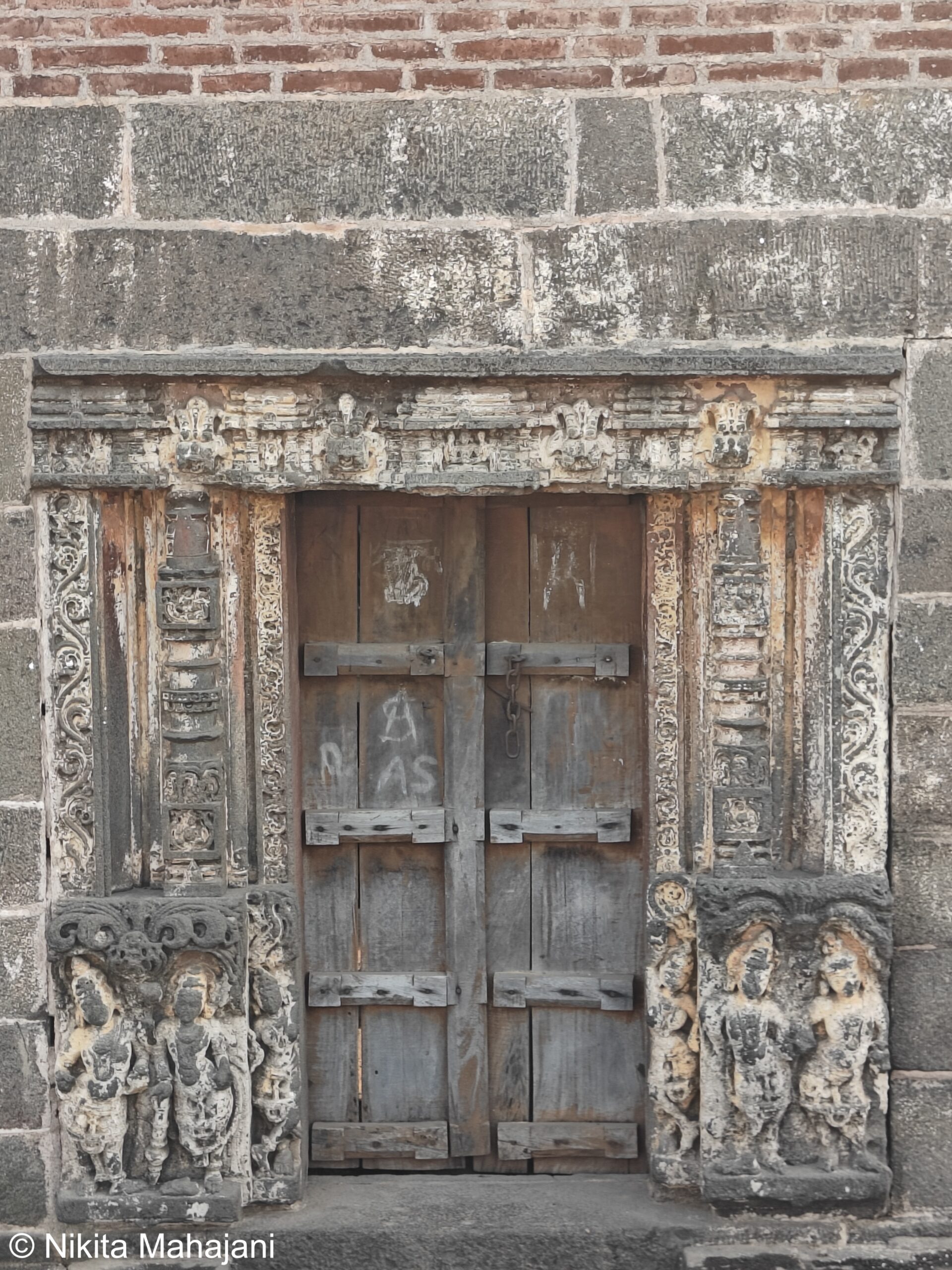
Chandani Talav, is another water body located roughly 1km from the centre of town, is frequented by visitors.
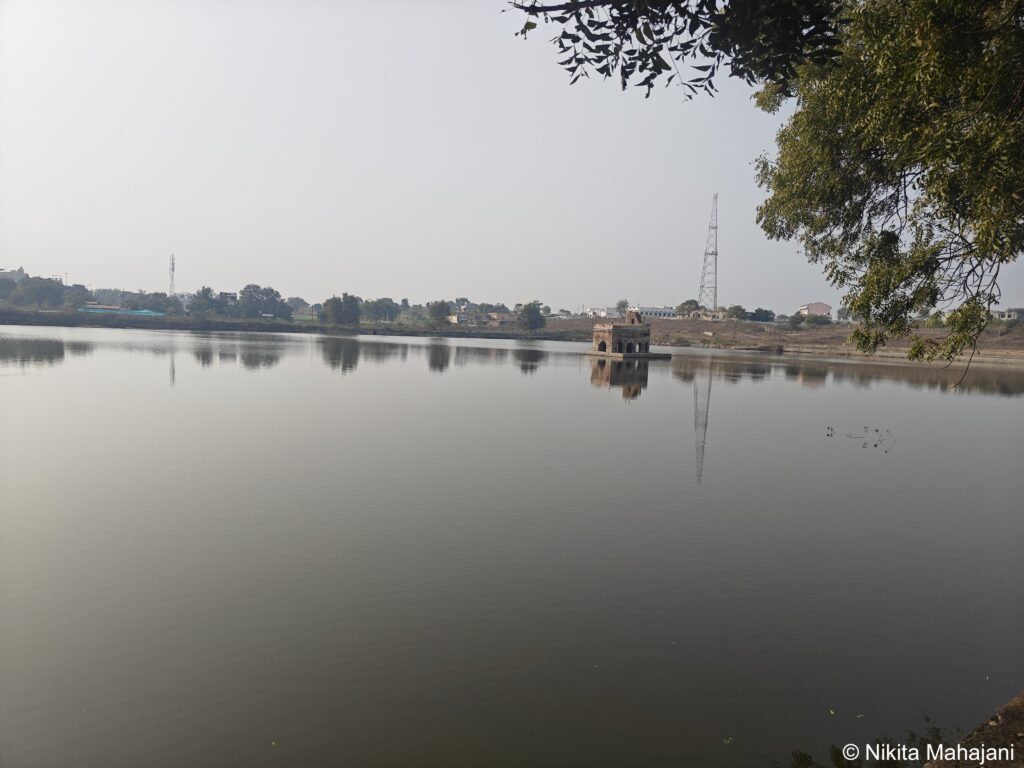
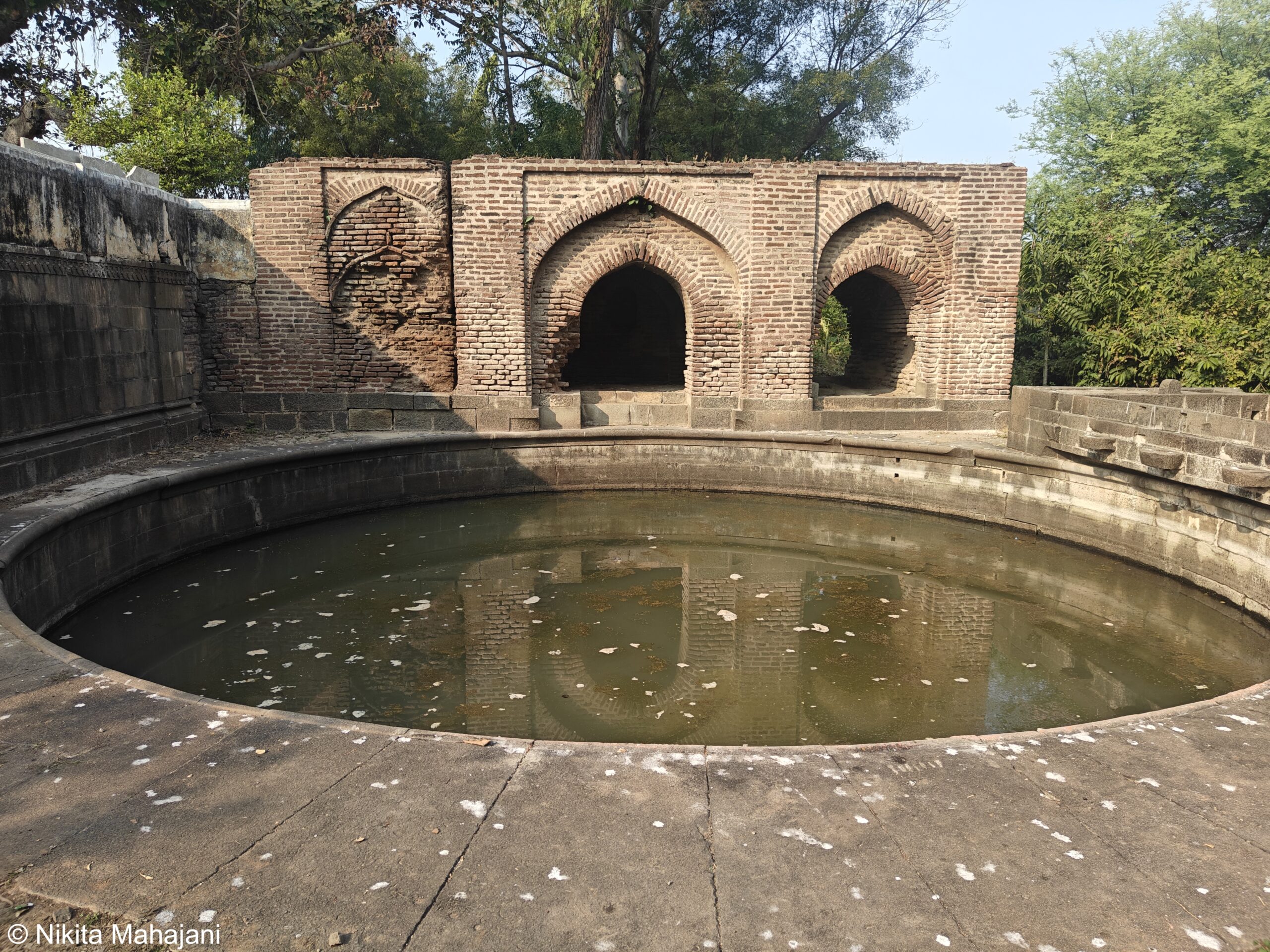
Sajana Barav is located near the historic Chandni Lake. Stairs have been made for access to the well and a bathroom have been designed behind the stepwell.
From there, we continued to Lonar, reaching MTDC Lonar Resort by 6:30 PM. After a long drive, the resort offered a relaxing ambiance to unwind.
To read the next blog on Day 2: Lonar click here.
Where did we stay ?
Where did we eat ?
Phalke Farms pure veg, Ahilyanagar (Ahmednagar).
Monica Gardens pure veg restaurant, Jalna – Aurangabad Rd.
Hotel Vikrant, Lonar.