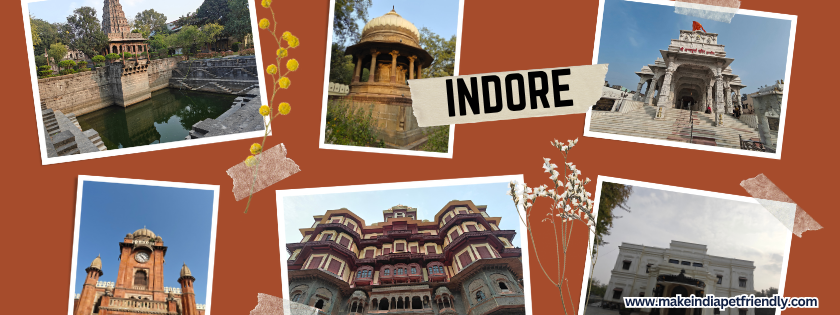
Our road trip from Omkareshwar to Indore was an exhilarating journey filled with historical landmarks, architectural wonders, and a taste of local culture. Here’s how we spent our next two days in the vibrant city of Indore.
To read the previous blog on Day 04: Omkareshwar, click here.
Day 05: Indore
We began our day with a relaxed start at 10:30 AM from Omkareshwar. The drive was smooth, with scenic views of the Madhya Pradesh countryside stretching before us. After a three-hour drive, we arrived in Indore at 1:30 PM. The excitement of being in the city was palpable, and we quickly made our way to Hotel Crown Palace for check-in.
Lunch at Hotel Crown Palace was our first introduction to the city’s flavors—simple yet delicious, and the perfect energy boost for the day ahead.
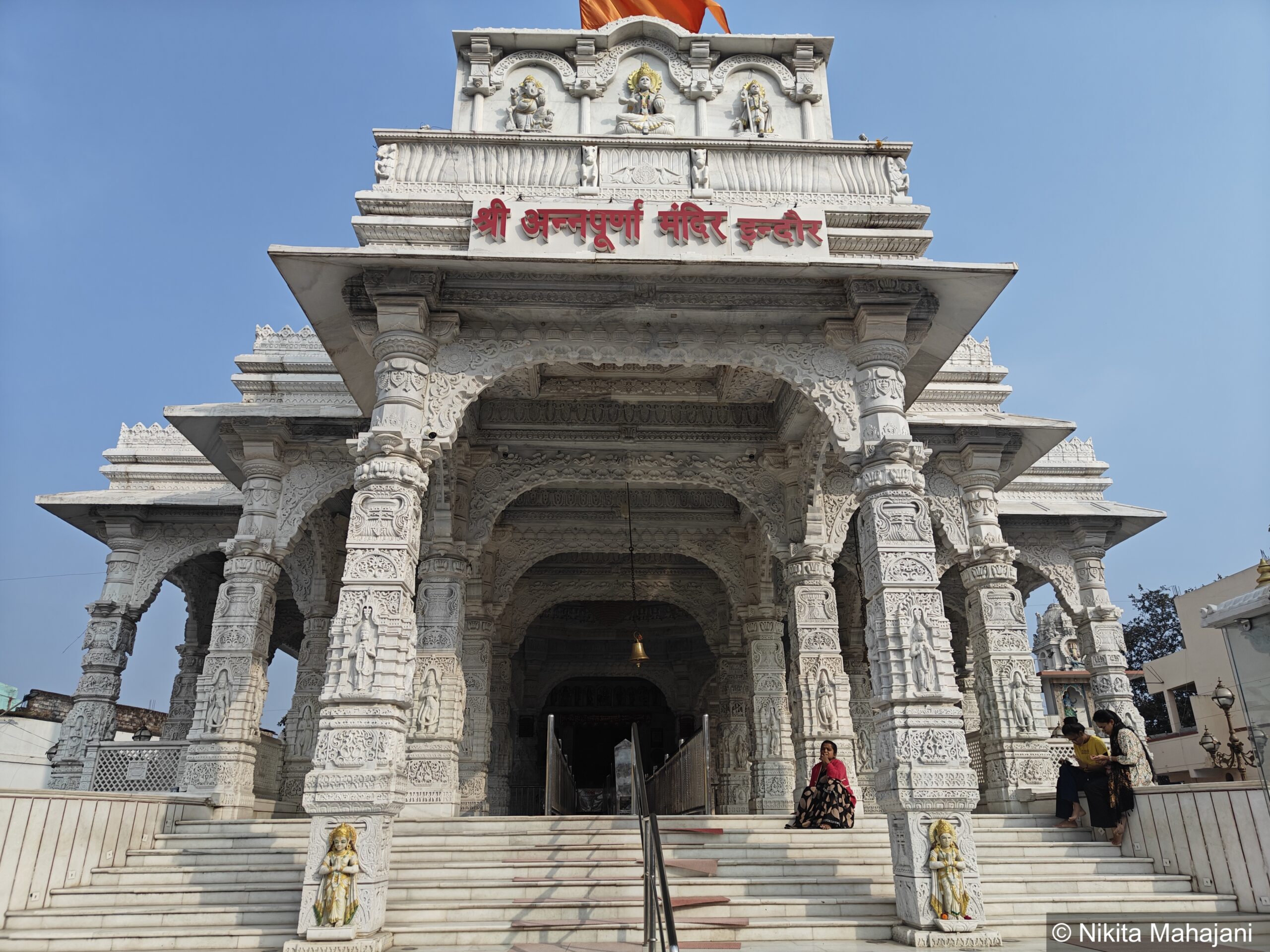
By 2:30 PM, we were ready to dive into the historical side of Indore, beginning with Kanch Mahal. This architectural gem, with its intricate designs and historic significance, made for a peaceful first stop. From here, we proceeded to Annapurna Mandir, a serene temple dedicated to Goddess Annapurna. The peaceful ambiance was calming, and the views from the temple were nothing short of spectacular.
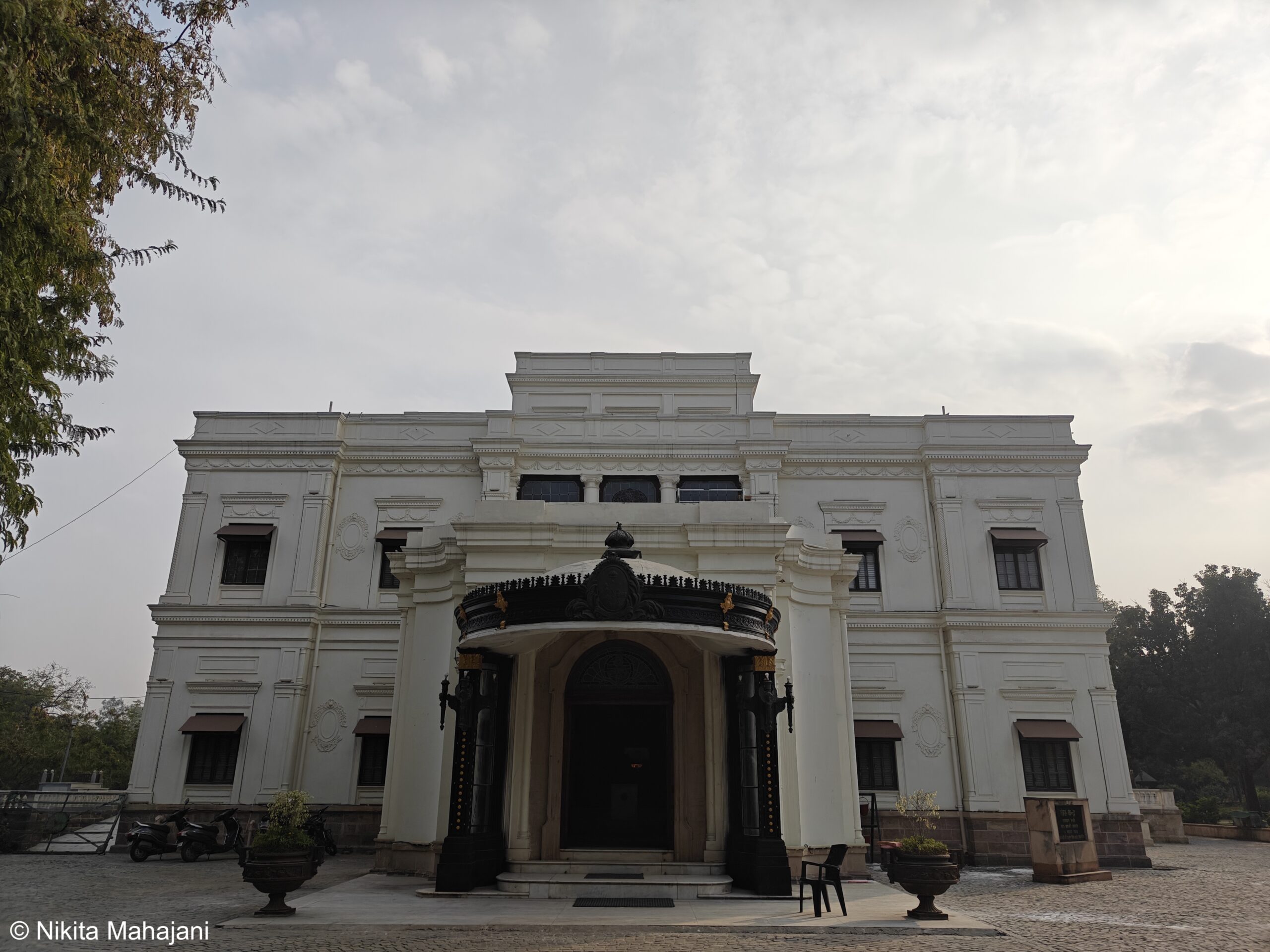
Next up was Lalbag Palace—an epitome of grandeur that once served as the royal residence of the Holkar dynasty. The palace, with its towering columns and sprawling gardens, gave us a glimpse of the opulent lifestyle of the Holkars.
Lalbagh Palace is among the most remarkable architectural landmarks in Indore, situated along the banks of the Khan River on the southwestern outskirts of the city. It reflects the refined lifestyle and artistic vision of the Holkar dynasty, surrounded by scenic beauty that enhances its regal charm. Originally constructed as a venue for royal gatherings, important meetings, and grand celebrations, the palace has hosted numerous prestigious receptions over the years.
The palace evolved over three generations of Holkar rulers. It was initiated by King Tukoji Rao I (1844–1886), further developed by King Shivaji Rao (1886–1903), and completed under King Tukoji Rao III (1903–1926). Tukoji Rao III was so fond of the palace that even after abdicating in 1926, he continued to live there until his death in 1978. Due to its exceptional architectural style, Lalbagh Palace is considered one of the most elegant royal residences in India. It spans a vast 28-hectare estate.
The palace’s entrance gates are modeled after those of Buckingham Palace in London, offering a grand and picturesque welcome. Notable features include a ballroom with a spring-mounted wooden floor for added bounce, intricately carved marble columns, magnificent chandeliers, stained glass windows, and even mounted tiger trophies—all contributing to its opulence.
This three-storey structure has a marble-floored entrance hall on the ground level that showcases prehistoric architectural elements. The first floor houses an extensive coin collection from the medieval Islamic period. The palace rooms are built in European style and lavishly decorated in Baroque and Rococo design. The royal bedrooms, once used by the Holkars, are crafted from gold, silver, glass, and Sheesham wood. The iron-cast gates and the uniquely built kitchen across the river in Gopal Bagh are also standout features. The kitchen was linked to the palace by a well-lit underground tunnel crossing beneath the river.
The palace also contains secret chambers and shrines, adding to its mystery and grandeur. Today, its rooms have been restored and converted into a museum. Architecturally, the palace is an impressive fusion of Renaissance, Palladian, and Baroque styles. The complex once housed one of the finest rose gardens in the country.
Lalbagh Palace is open to the public from 10:00 AM to 6:00 PM, except on Mondays when it remains closed.
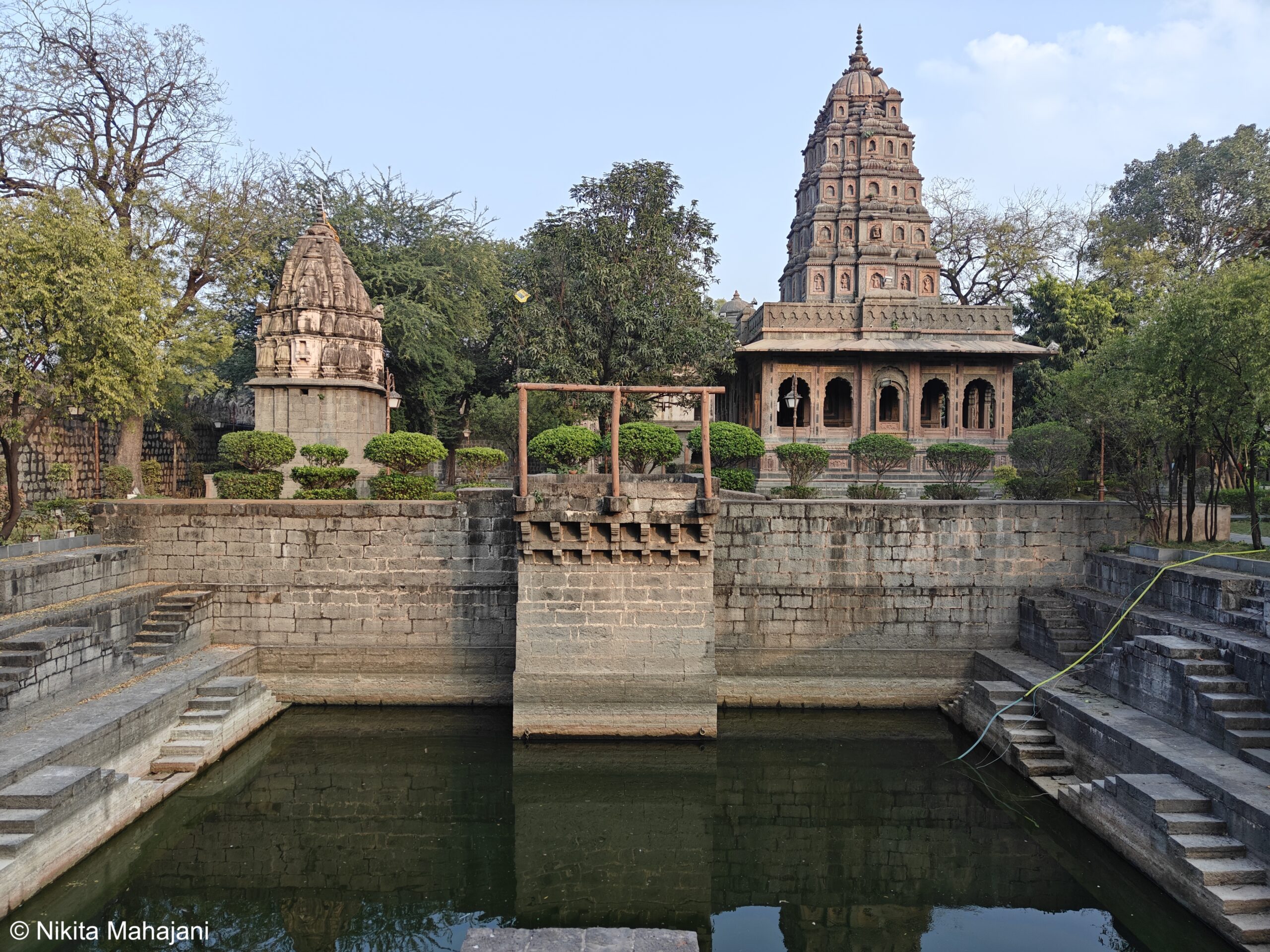
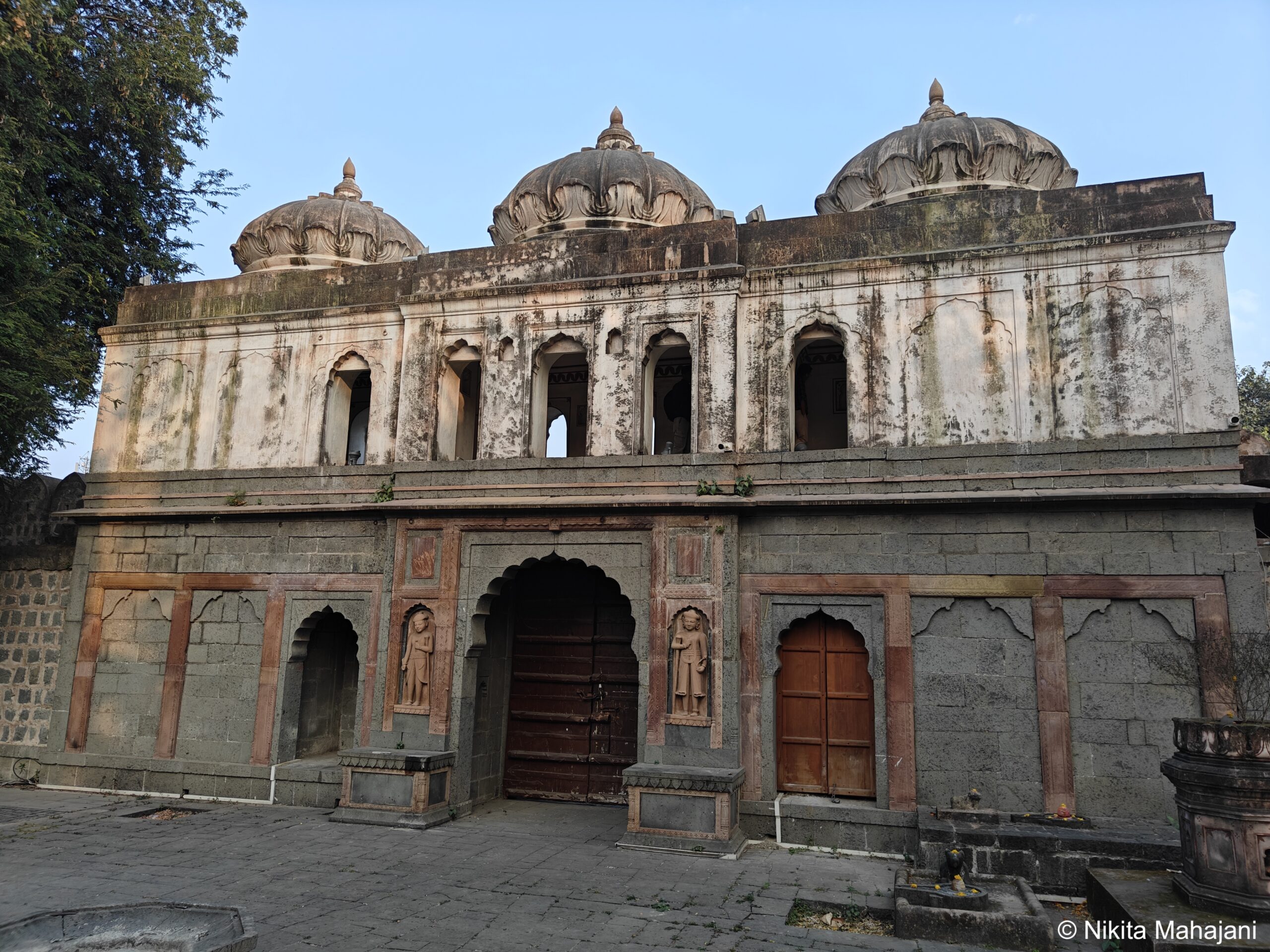
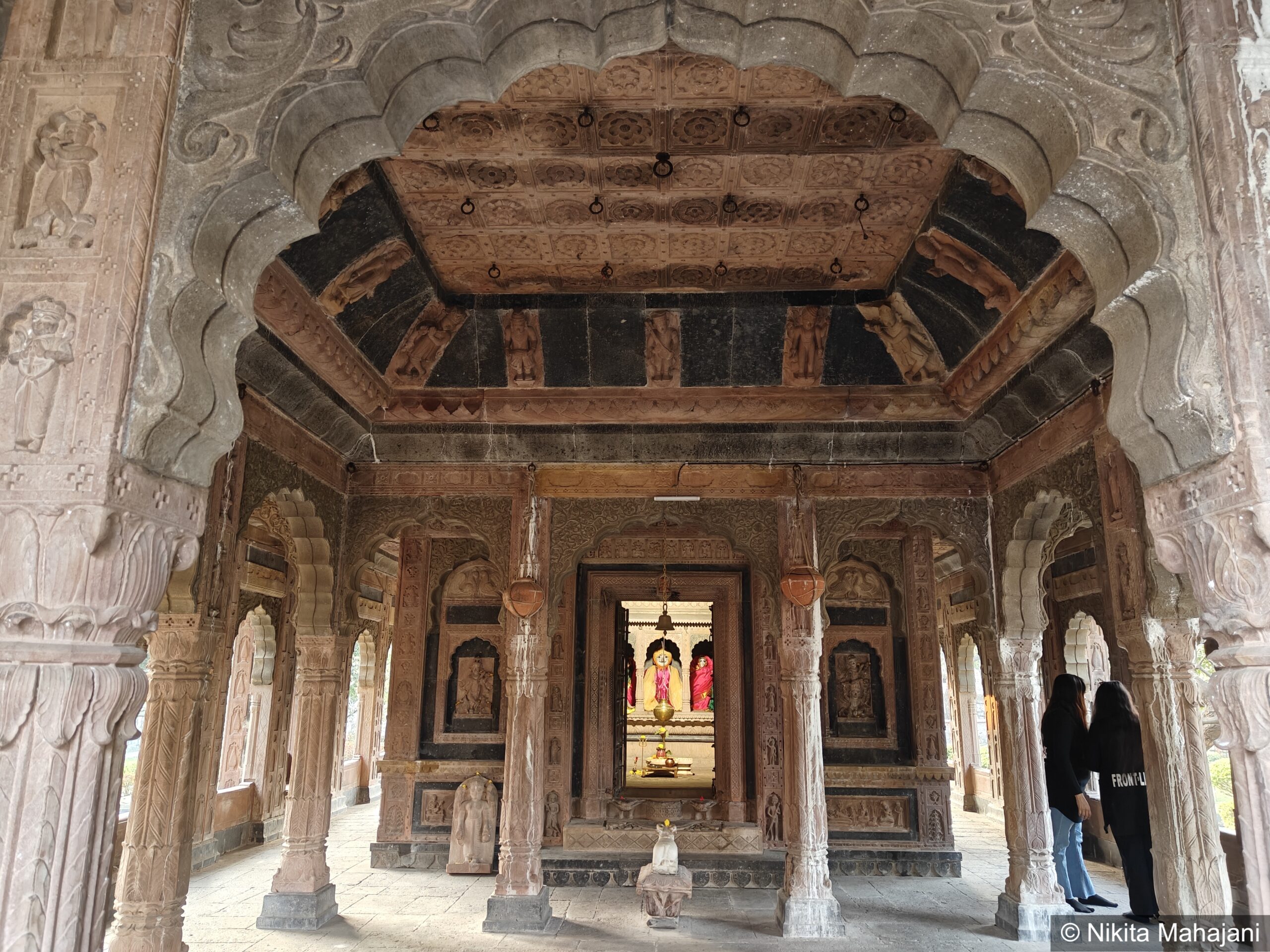
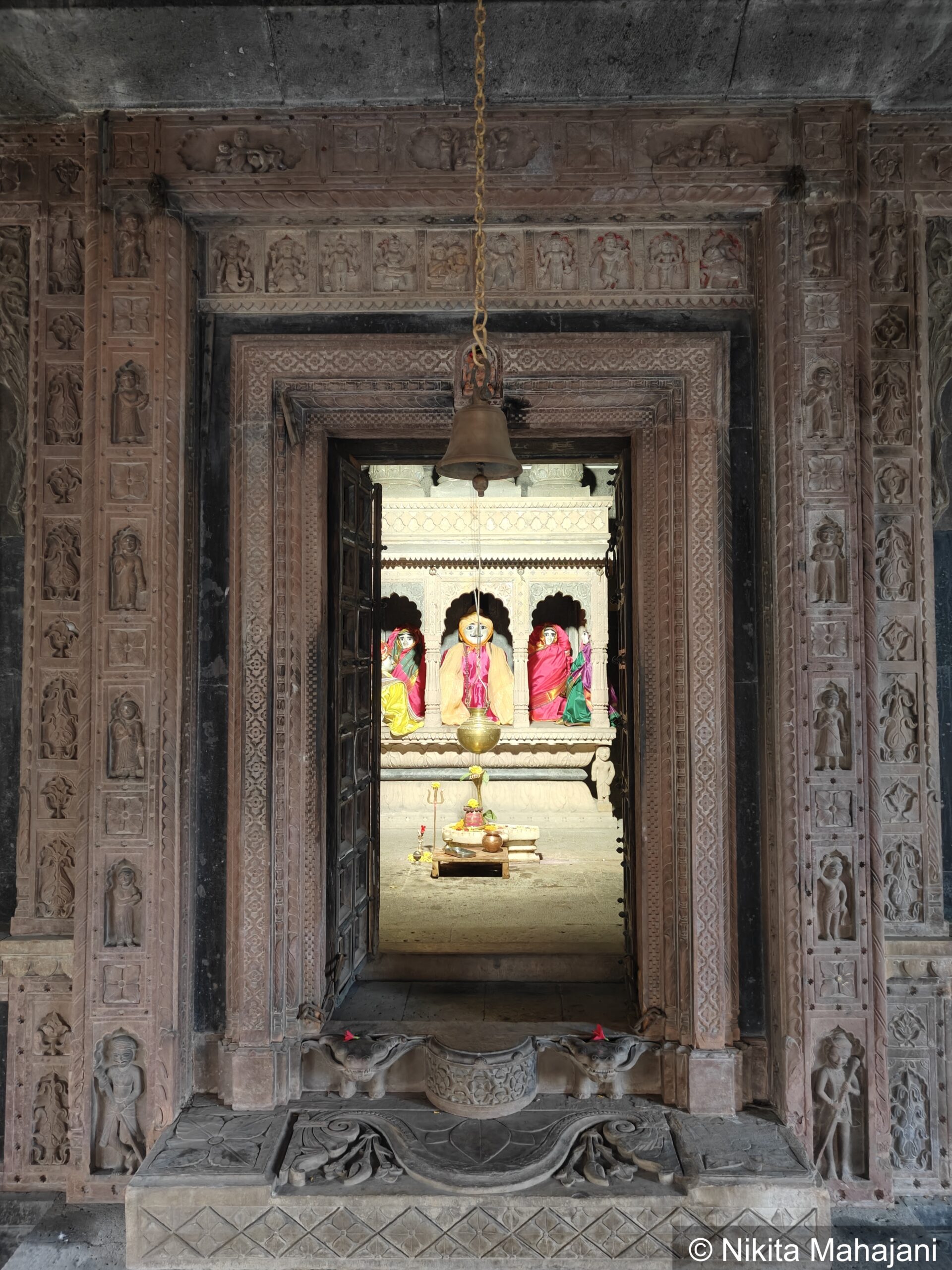
Our next destination was Holkar Rajvansh Ki Chhatriyan at Chhatribag, where we walked amidst the elegant cenotaphs, learning about the royal family’s history. Each structure had its own tale to tell, making this a fascinating stop.
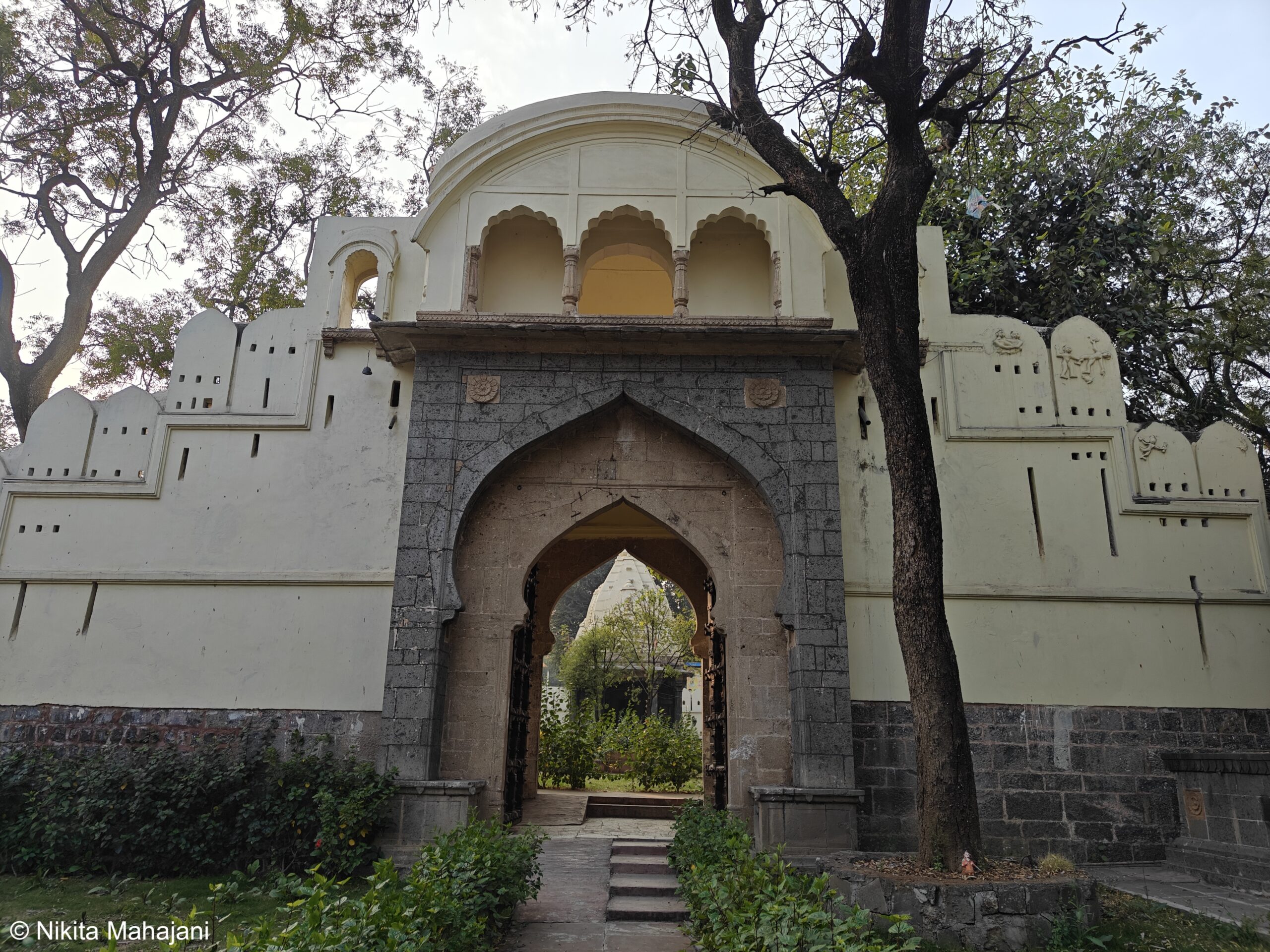

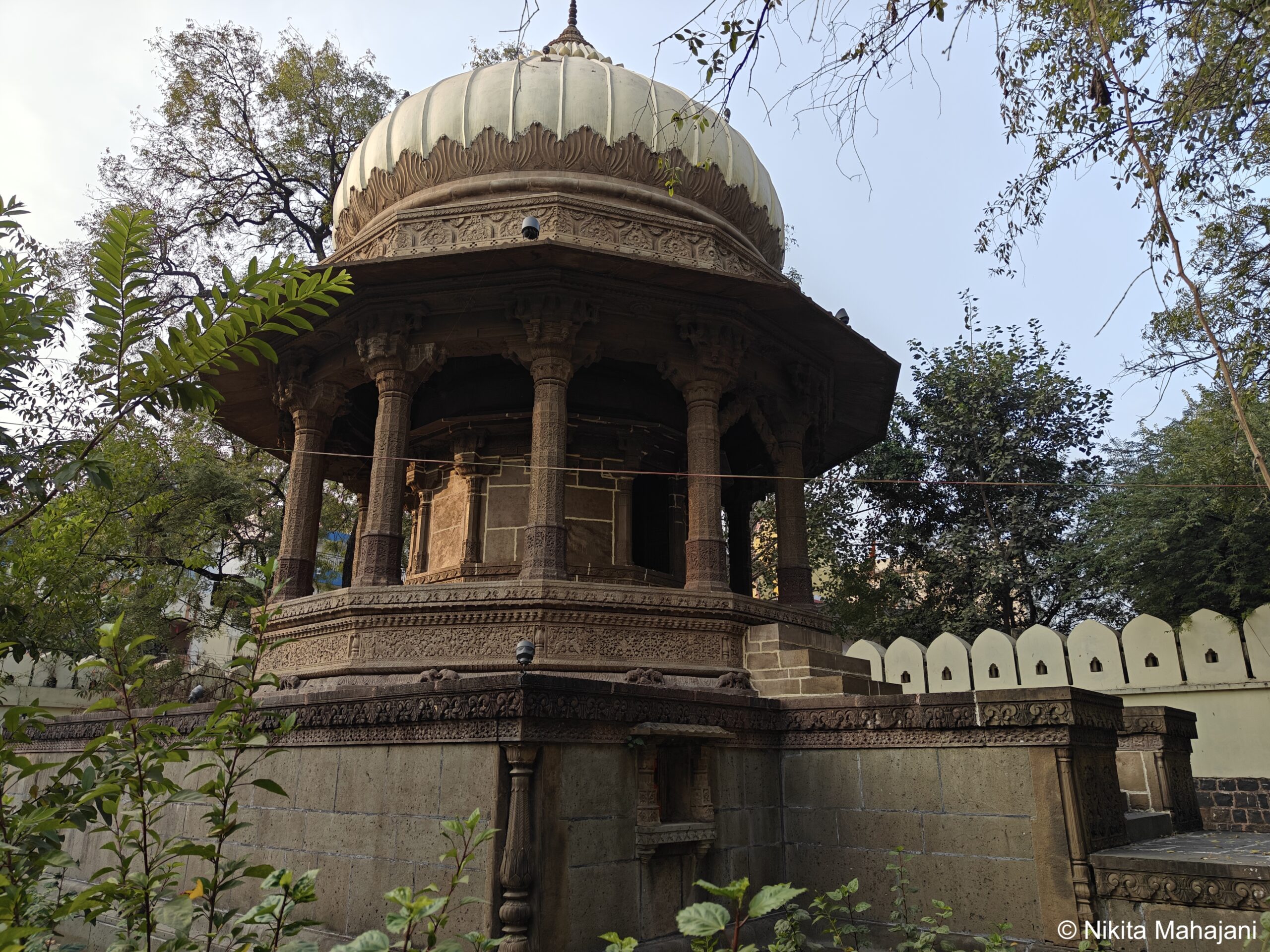
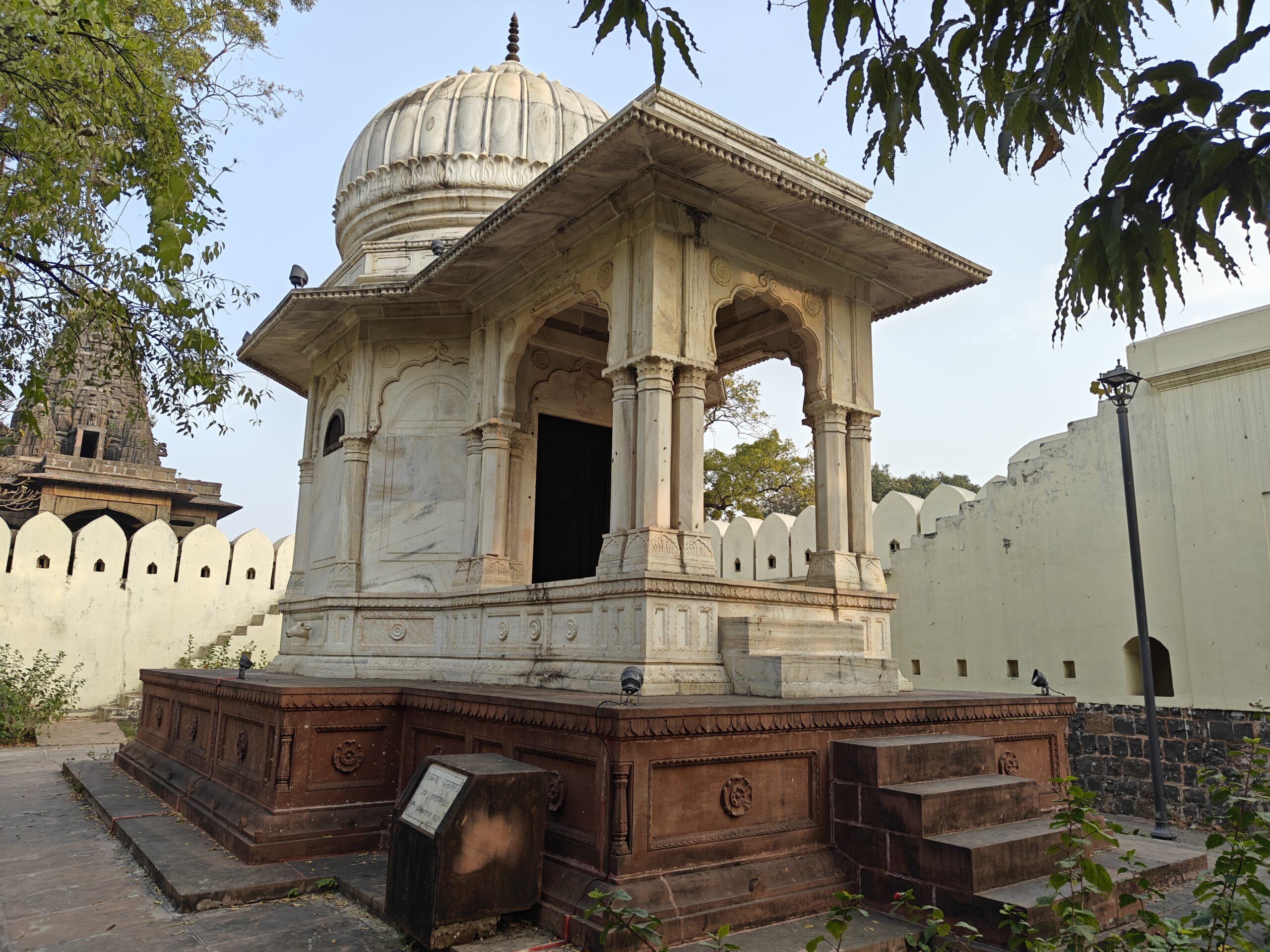
The Hari Rao Holkar Chhatri at Ganagour Ghat followed, and its tranquil surroundings, paired with the historical significance, left us reflecting on Indore’s rich cultural heritage.

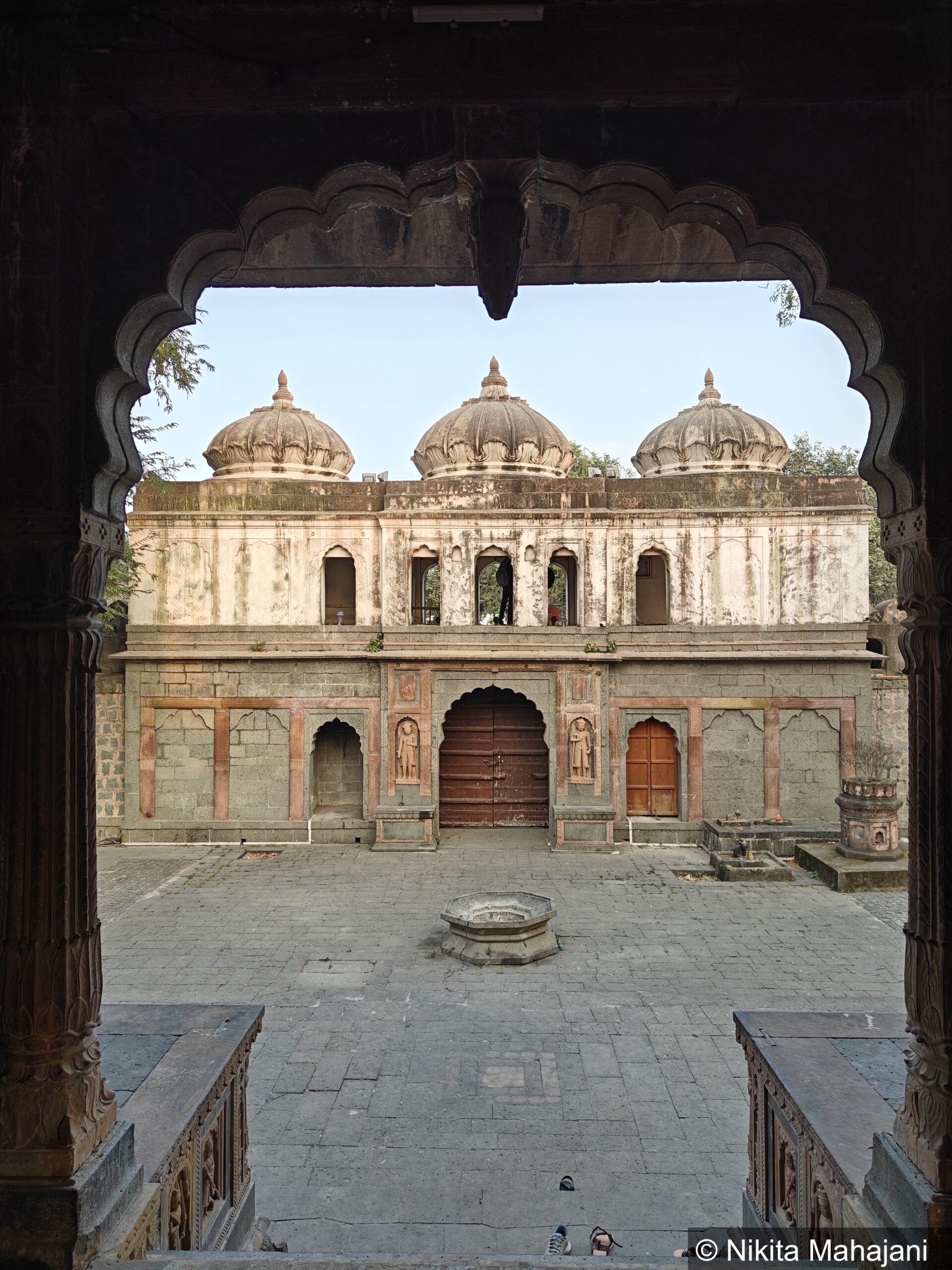
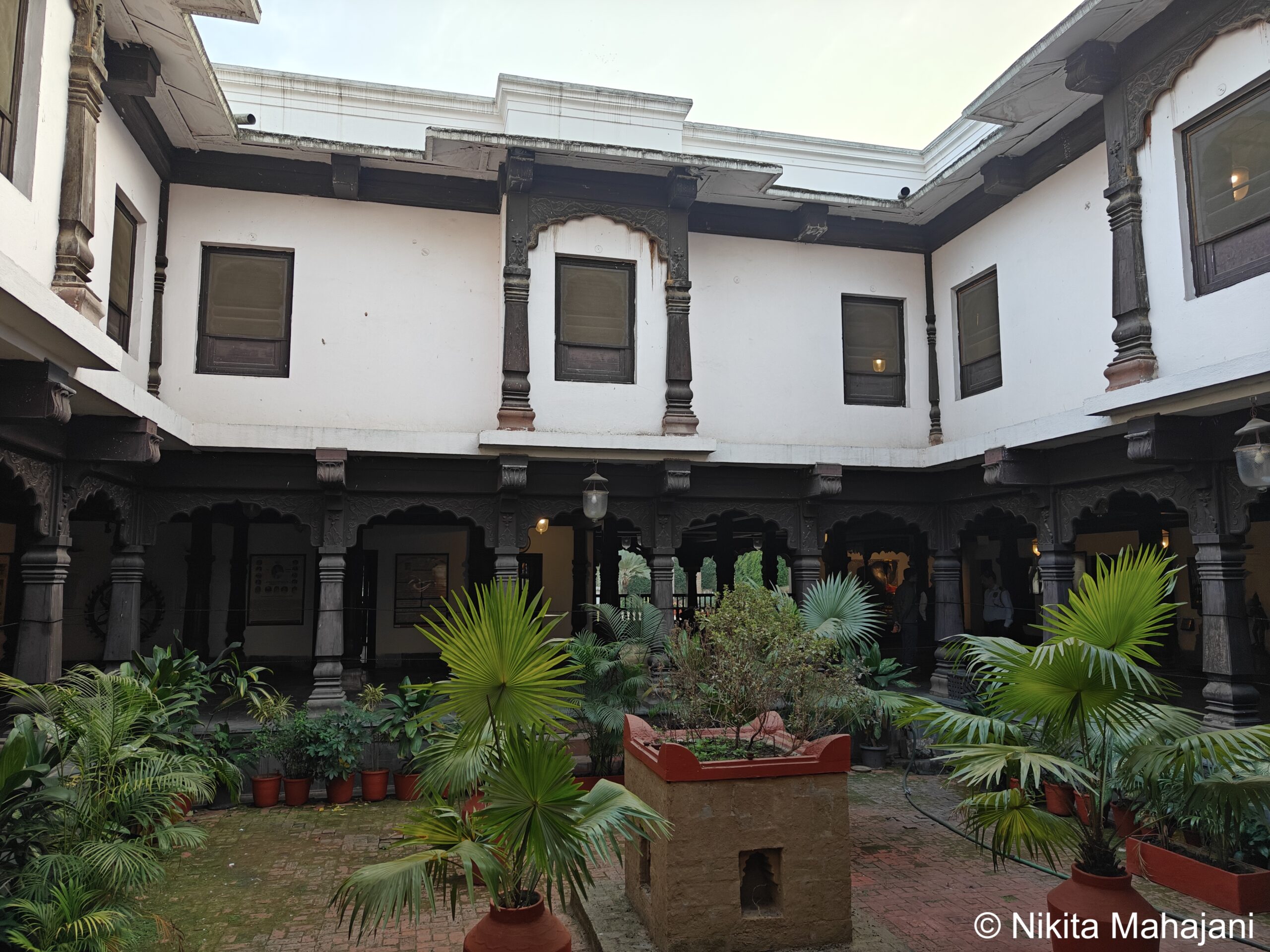
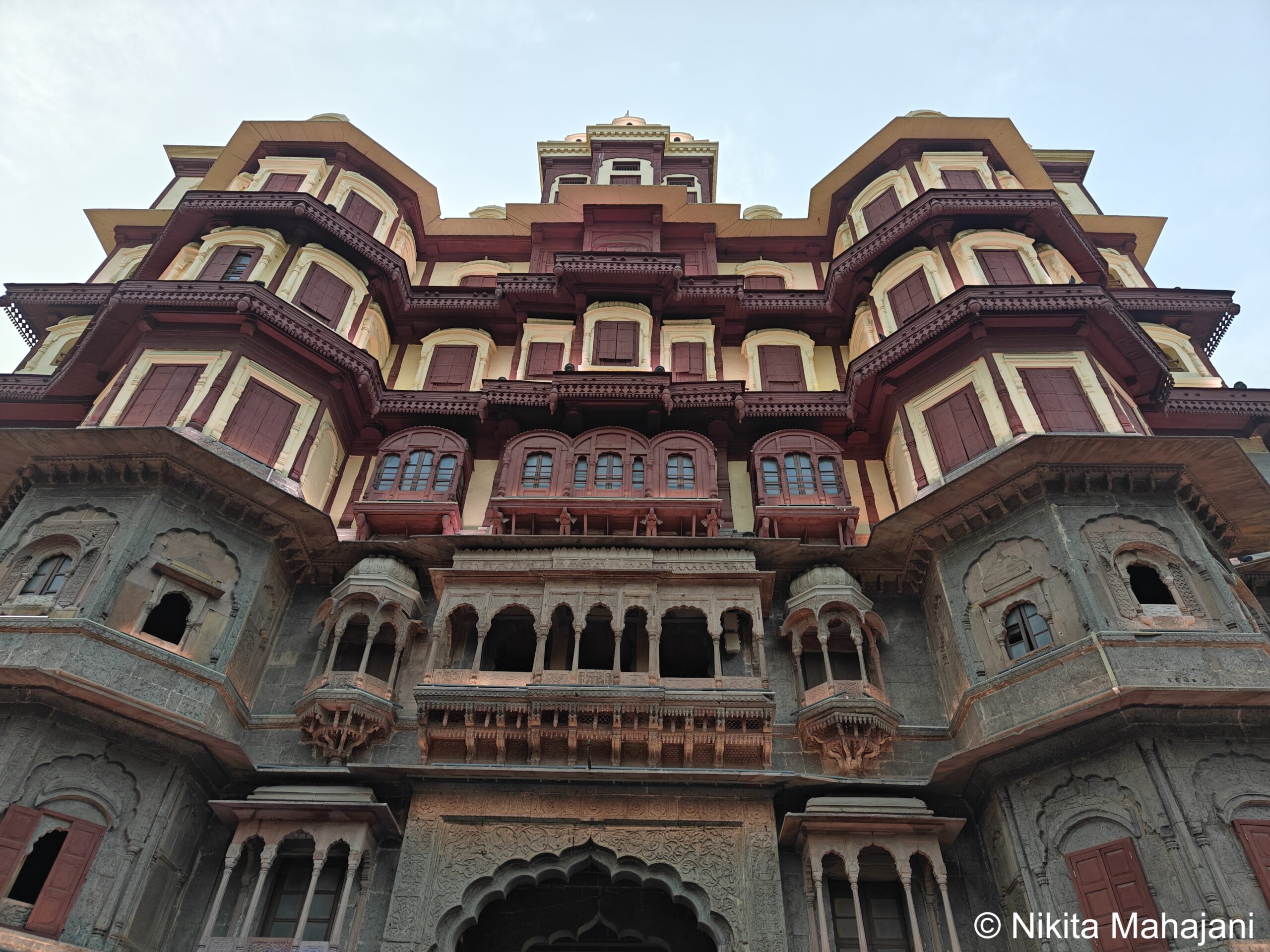
No visit to Indore would be complete without seeing the iconic Rajwada Palace. The grandeur of this palace, with its beautiful wooden doors and arches, was an architectural masterpiece. We explored the courtyards and marveled at the fusion of Mughal, Maratha, and Holkar influences.
Rajwada Palace, built in 1747 AD, was the royal residence of the Holkar dynasty of Central India for many years. This seven-storeyed structure is an architectural blend of Maratha, Mughal, and French styles, featuring intricately carved stonework, wooden lattice screens (jaalis), overhanging balconies (jharokhas), and decorative domes (chhatris).
Today, the palace functions as a museum showcasing the legacy of the Holkars, with exhibits that include royal portraits, statues, palanquins, as well as antique weapons like shields, armors, and rifles. The renowned Ganesha Hall, once used for royal gatherings and religious rituals, now hosts art exhibitions and musical performances throughout the year.
Visitors can explore the rich history of the Holkars and the city of Indore through a captivating light and sound show held every evening within the palace grounds. Architecturally, Rajwada is unique—it resembles a Mughal structure when viewed from the south and takes on a European appearance from the east. The Darbar Hall and Queen Ahilyabai Holkar’s throne room reflect strong French influences.
A grand wooden gateway leads into a courtyard adorned with traditional Maratha-style balconies, chhatris, and windows, surrounded by gallery rooms. Facing the palace is a beautifully landscaped garden with fountains and sculptures, which also serves as the venue for the evening light and sound show.
Although a significant portion of the palace was destroyed during the 1984 riots, it was meticulously reconstructed by Usha Raje Holkar using the original blueprints, materials, and techniques, with architects Himanshu Dudwadkar and Shreya Bhargava ensuring historical accuracy.
Located in the heart of Indore’s bustling Khajuri Bazaar, Rajwada Palace remains a popular attraction, drawing visitors keen to explore Indore’s royal heritage while also enjoying its vibrant street food, local crafts, and textile markets.
As the evening rolled in, we made our way to Chappan Dukaan, an iconic food street famous for its local delicacies. The experience was a treat for the senses—crispy kachoris, spicy chaats, and mouth-watering sweets. We ate like locals, enjoying every bite of the street food that Indore is so famous for.
After a satisfying dinner, we headed back to Hotel Crown Palace to unwind and rest, reflecting on the day’s discoveries.
To read the next blog on Day 06: Indore & Mandu, click here.
Where did we eat ?
Chhappan Dukaan, Indore.
Hotel Golden Treat, Indore.