To read the previous blog on Day 05 Indore, click here.
Day 6: From Indore to Mandu
We started Day 6 early with a hearty breakfast at 8:30 AM. The morning was perfect for some sightseeing before we checked out. Our first stop was Gandhi Hall, an architectural beauty surrounded by lush greenery. This hall, named after Mahatma Gandhi, had a certain timeless charm.
Gandhi Hall, Indore.
Gandhi Hall stands as a striking example of British architectural influence in Indore. Originally constructed in 1904 and named King Edward Hall, it was later renamed Gandhi Hall by Yeshwant Rao Holkar (1926–1948) after the assassination of Mahatma Gandhi in 1948.

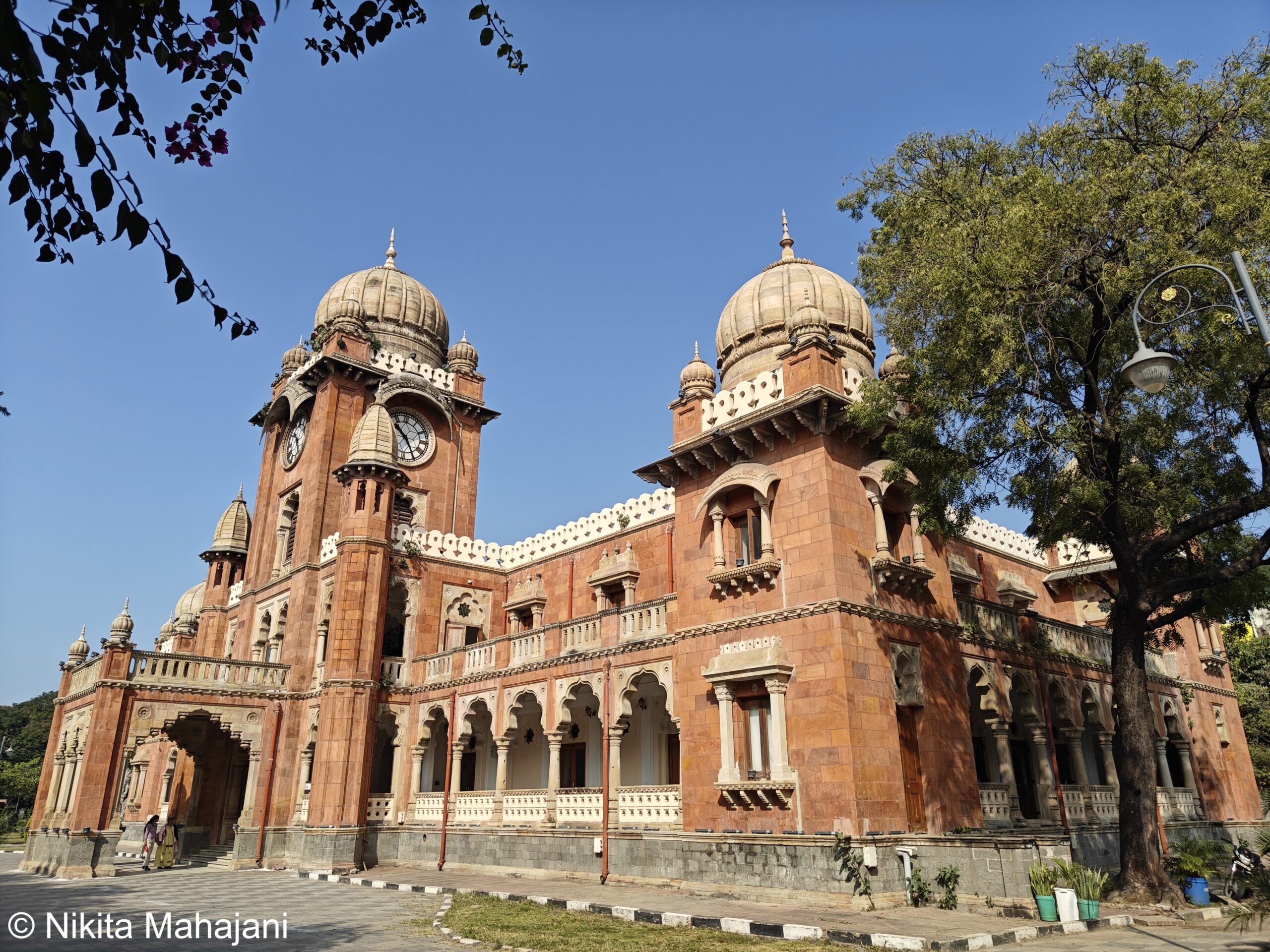
The building was designed in the Indo-Gothic style by Charles Frederick Stevens, a British architect based in Bombay. Locally sourced materials were used in its construction—white sandstone from Seoni and red sandstone from Patan, both located in Madhya Pradesh. Interestingly, some of the stone was repurposed from the unfinished Phooti Kothi structure in Indore. The hall was officially inaugurated in 1905 by the then Prince of Wales, George V, and at the time, the construction cost amounted to ₹2,50,000.
There is no entry ticket for this place. A huge parking lot is available. Locals use the lawn outside Gandhi hall as a public park. Today, Gandhi Hall is managed by the Indore Municipal Corporation (IMC) and functions as a prominent cultural venue in the city. It regularly hosts art exhibitions, cultural events, and book fairs. The hall can seat up to 2,000 people indoors, with its expansive outdoor grounds capable of accommodating even larger gatherings. On national holidays such as Independence Day and Republic Day, the building is beautifully illuminated in the colors of the Indian flag—saffron, white, and green.

The Cenotaph of Boliya Sarkar – Indore
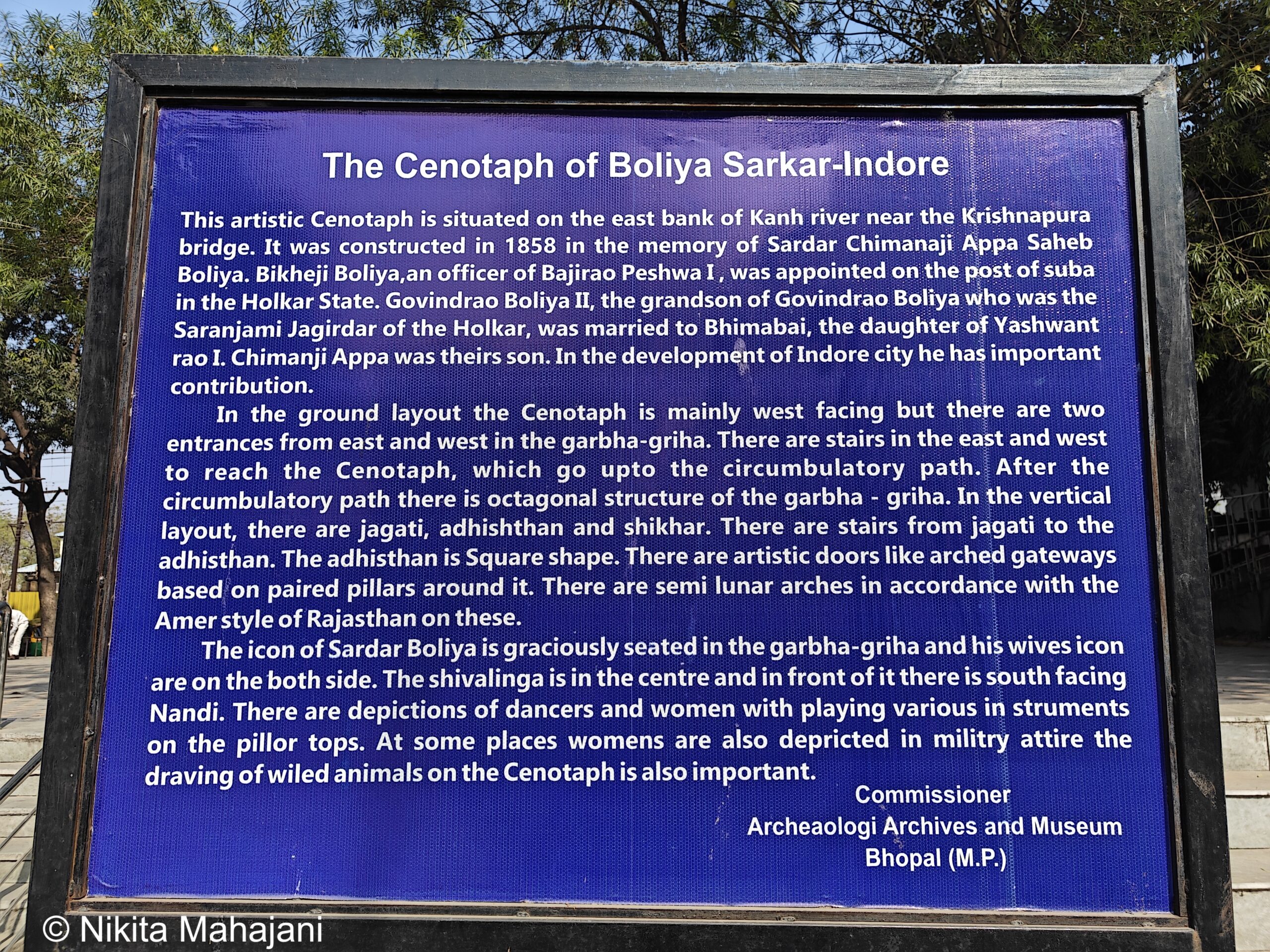
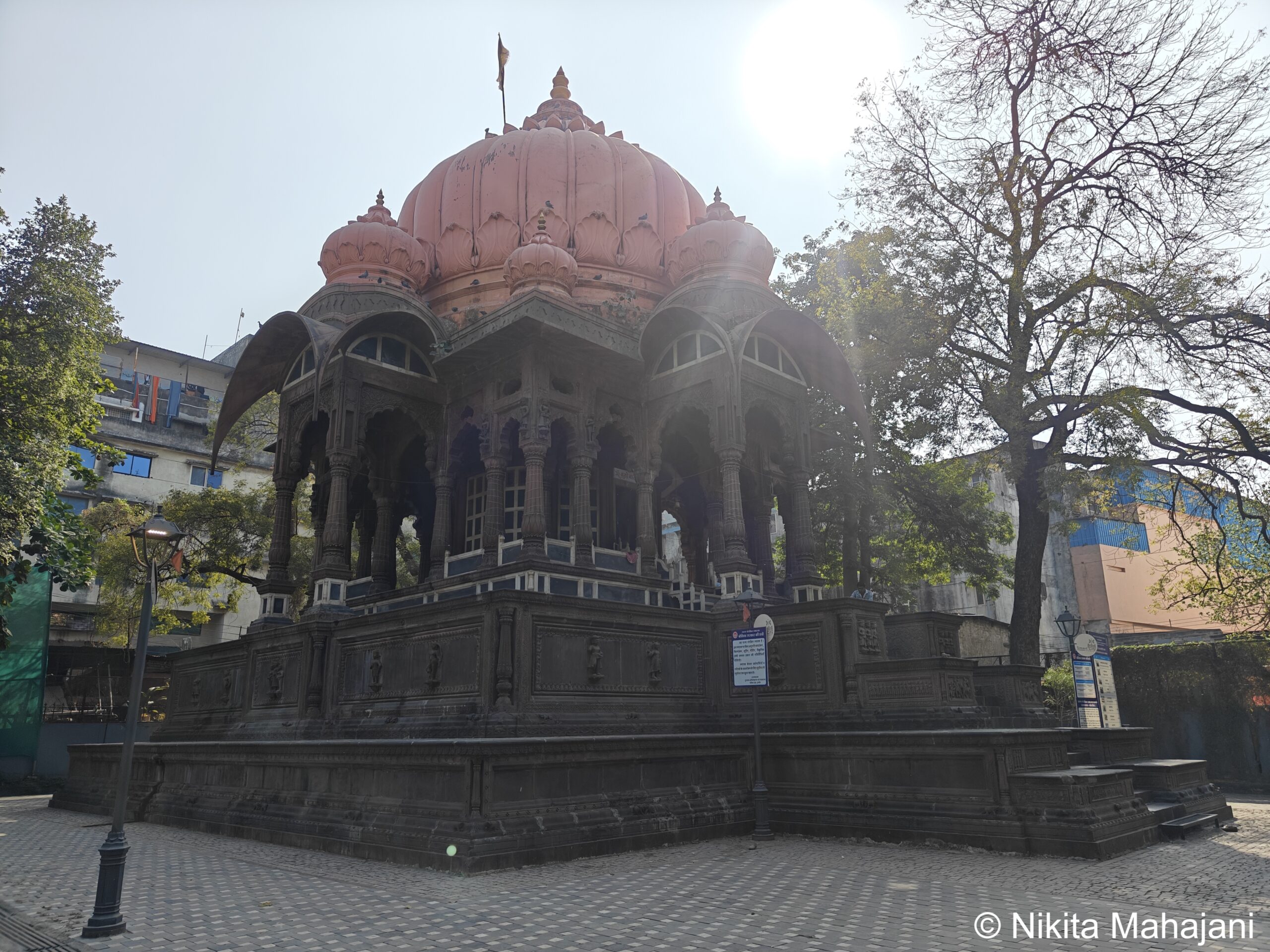
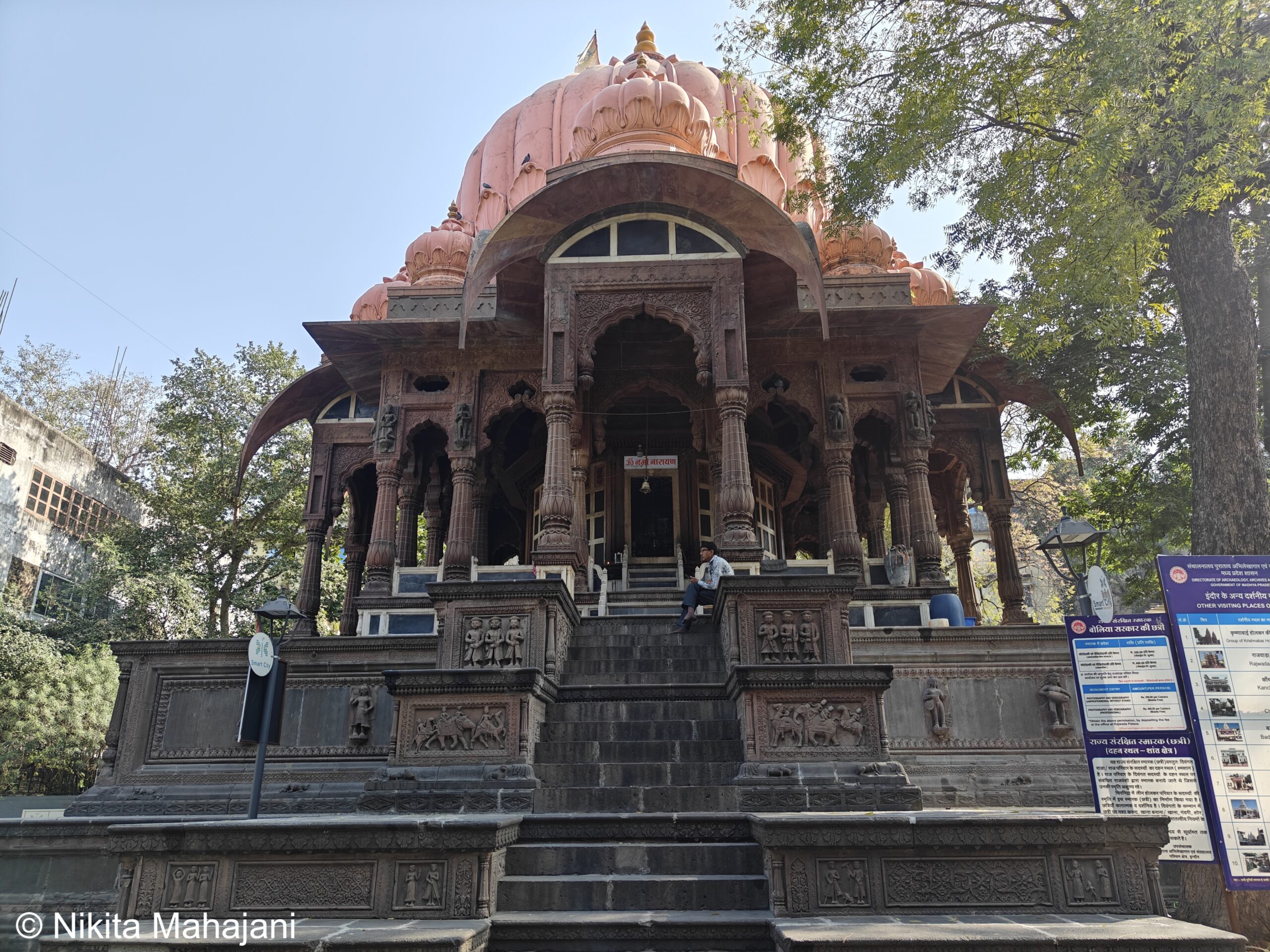
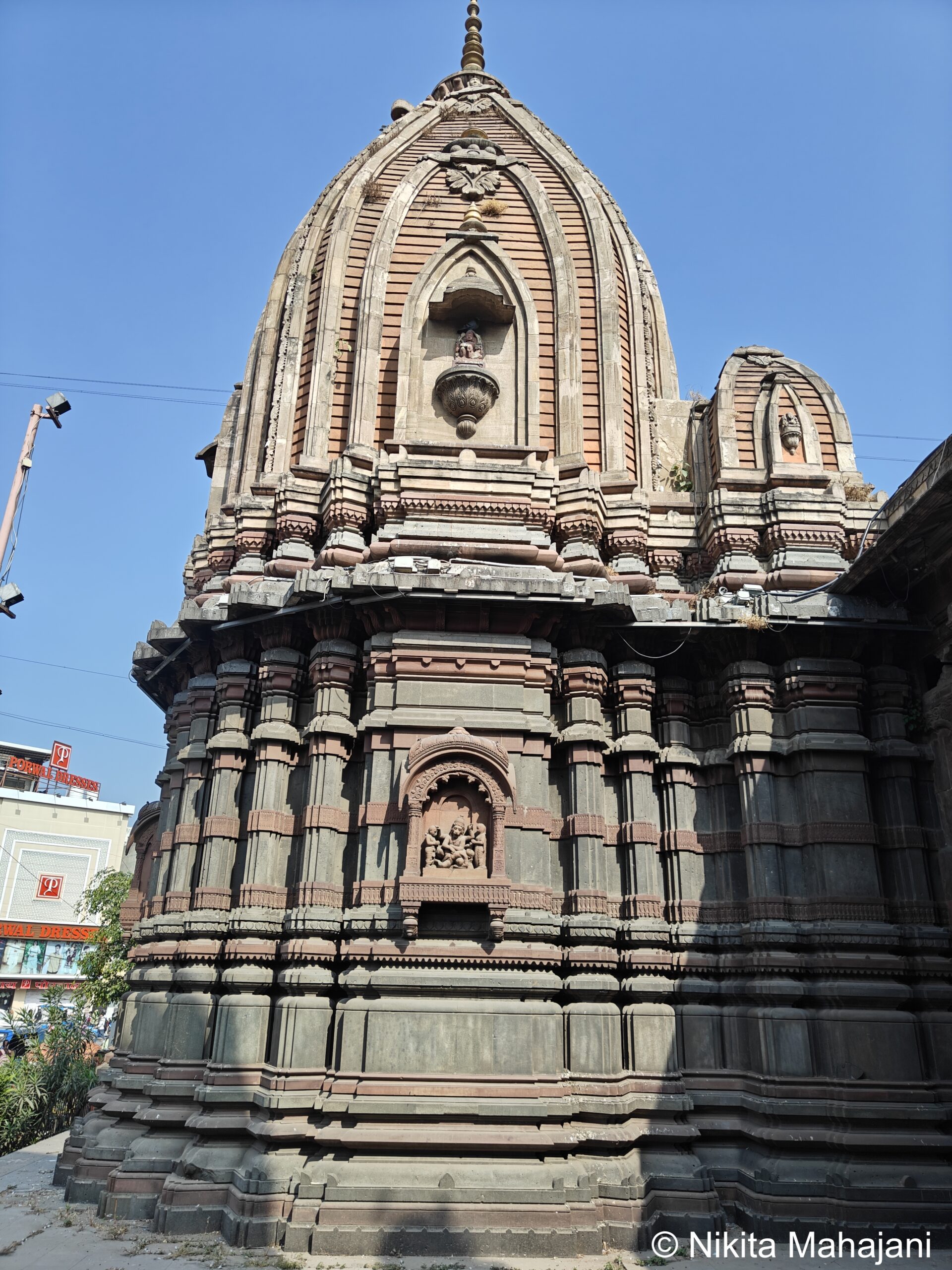
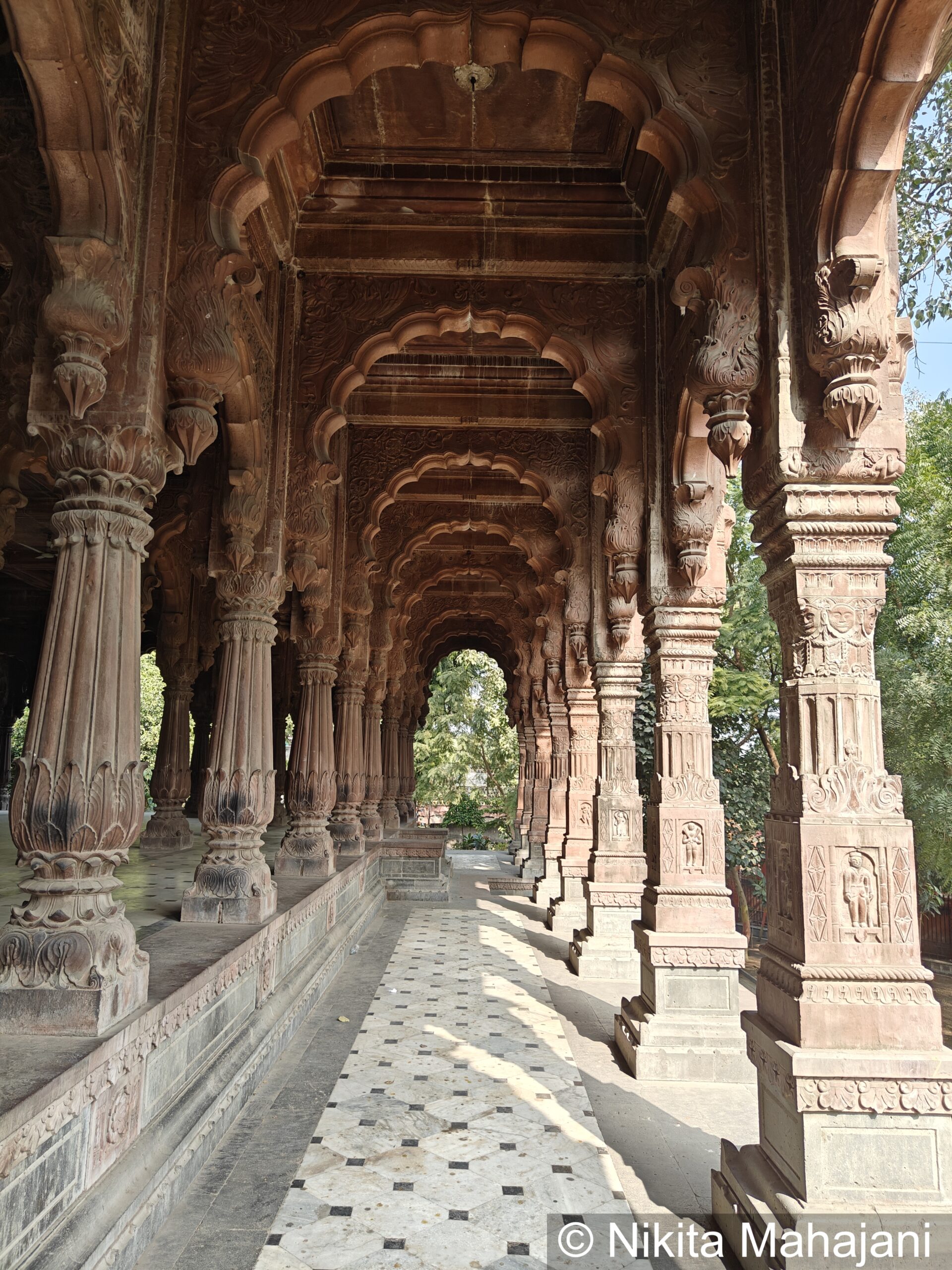
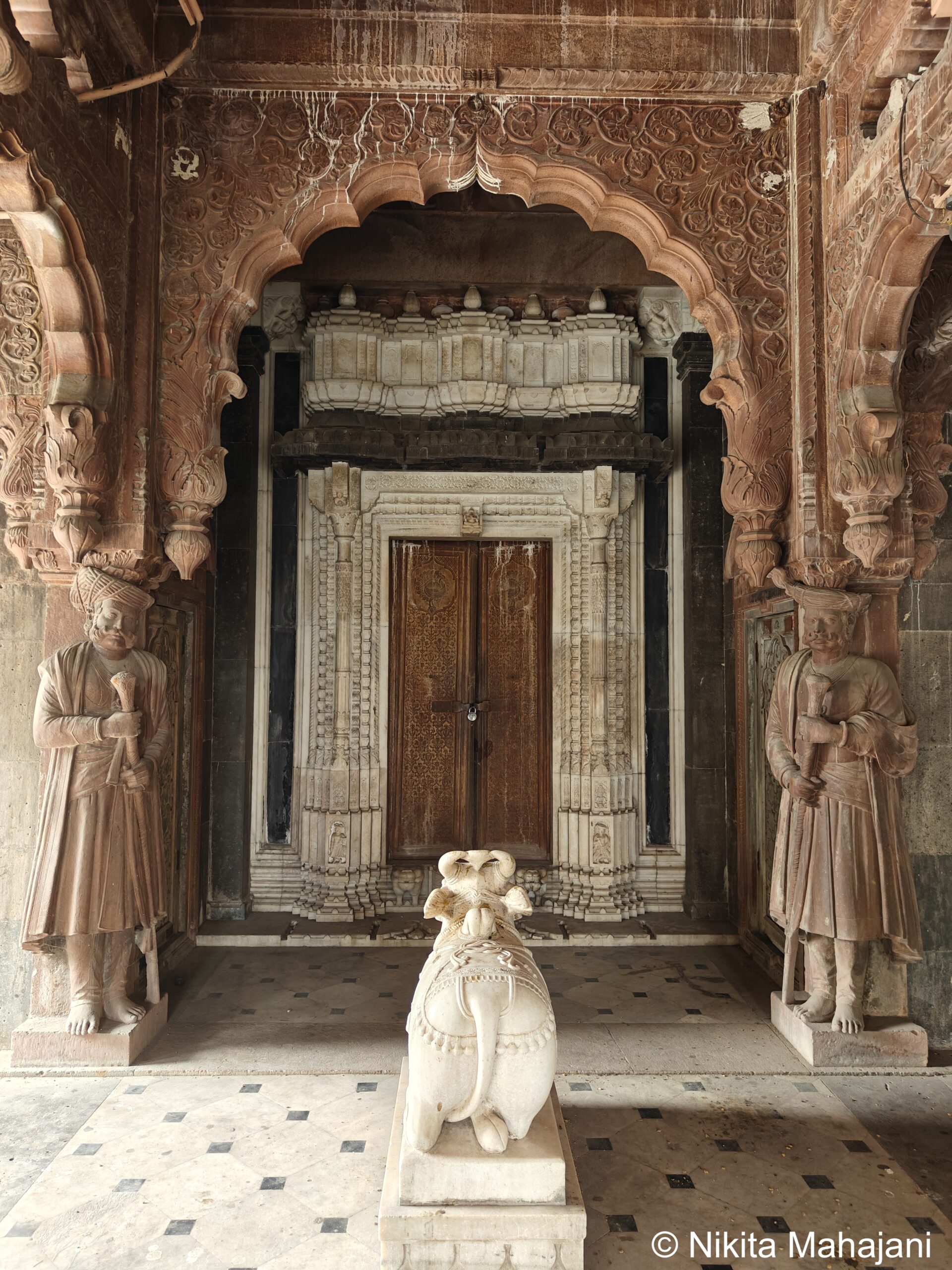
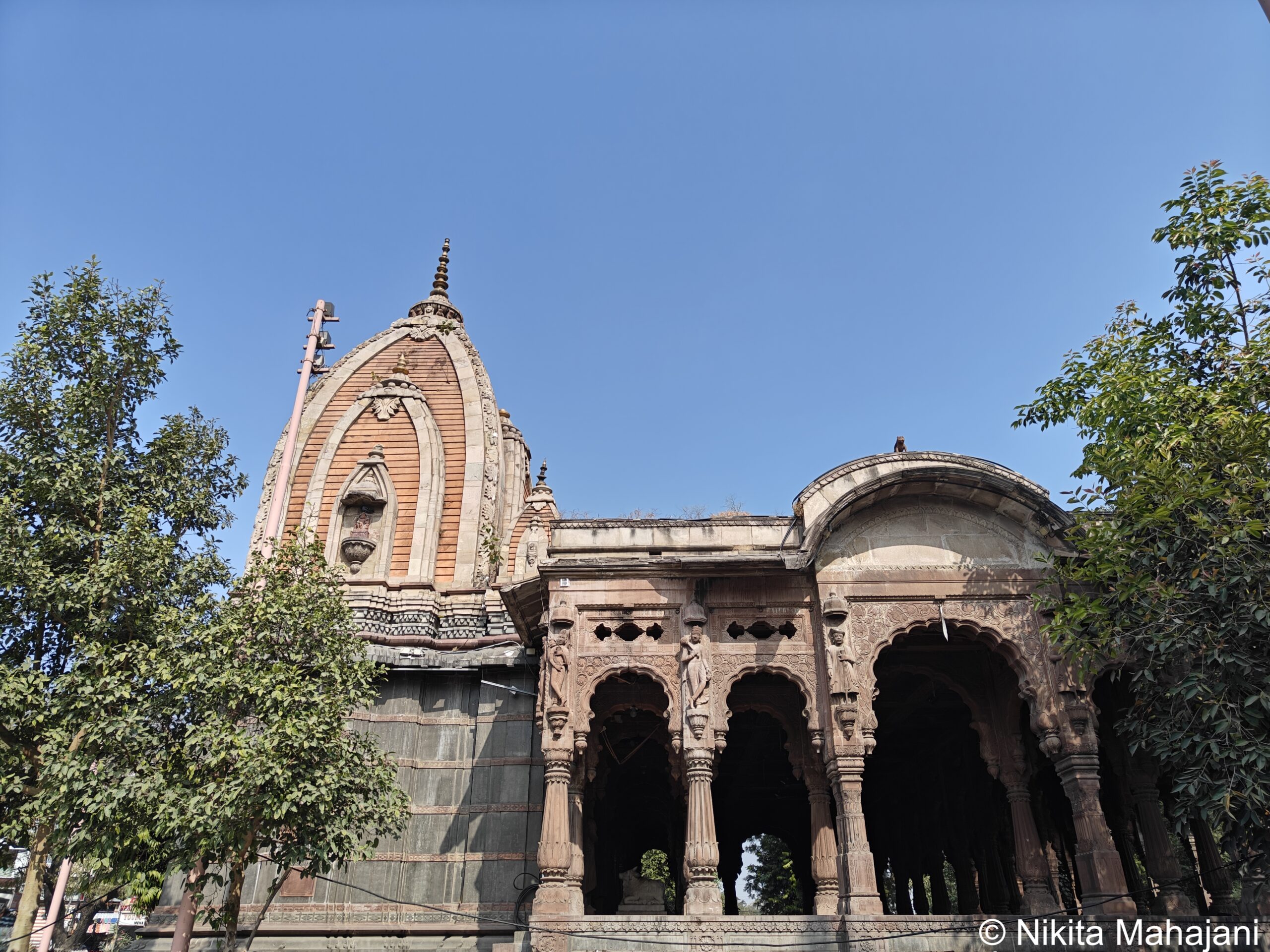
Next, we visited Boliya Sarkar Ki Chatri (also known as Mahadev Mandir). This artistic Cenotaph is situated on the east bank of Kanh river near the Krishnapura bridge. It was constructed in 1858 in the memory of Sardar Chimnaji Appa Saheb Boliya. Bikheji Boliya, an officer of Bajirao Peshwa I, was appointed on the post of suba in the Holkar State. Govindrao Boliya II, the grandson of Govindrao Boliya who was the Saranjami Jagirdar of the Holkar, was married to Bhimabai, the daughter of Yashwantrao I. Chimnaji Appa was their son. In the development of Indore city he has important contribution.
In the ground layout the Cenotaph is mainly west facing but there are two entrances from east and west in the garbha-griha. There are stairs in the east and west to reach the Cenotaph, which go up to the circumambulatory path. After the circumambulatory path there is octagonal structure of the garbha-griha. In the vertical layout, there are jagati, adhisthhan and shikhar. There are stairs from jagati to the adhisthan. The adhisthan is square shape. There are artistic doors like arched gateways based on paired pillars around it. There are semi-lunar arches in accordance with the Amer style of Rajasthan on these.
The icon of Sardar Boliya is graciously seated in the garbha-griha and his wives’ icon are on the both side. The shivalinga is in the centre and in front of it there is south facing Nandi. There are depictions of dancers and women with playing various instruments on the pillor tops. At some places women are also depicted in military attire. The drawing of wild animals on the Cenotaph is also important.
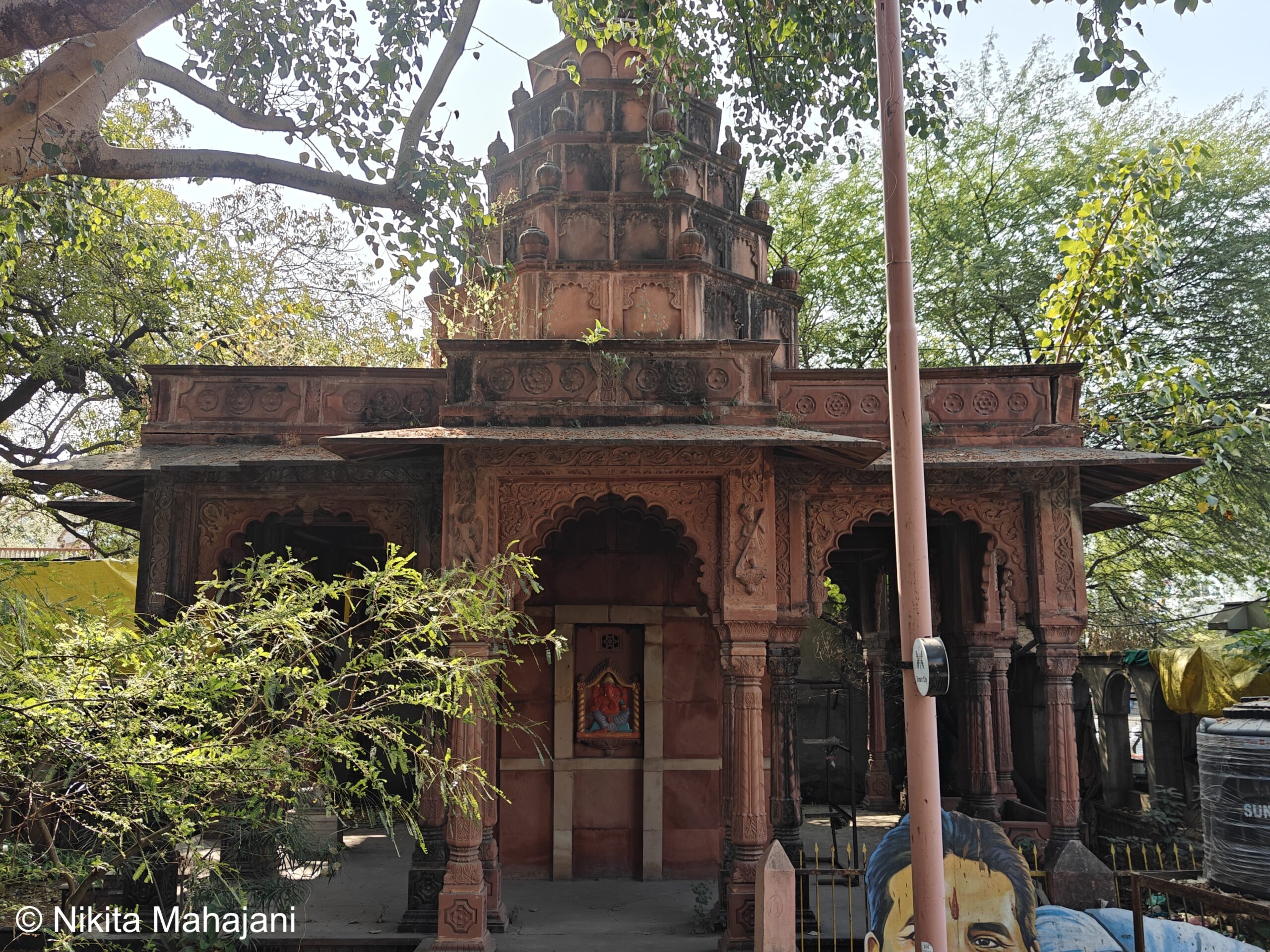
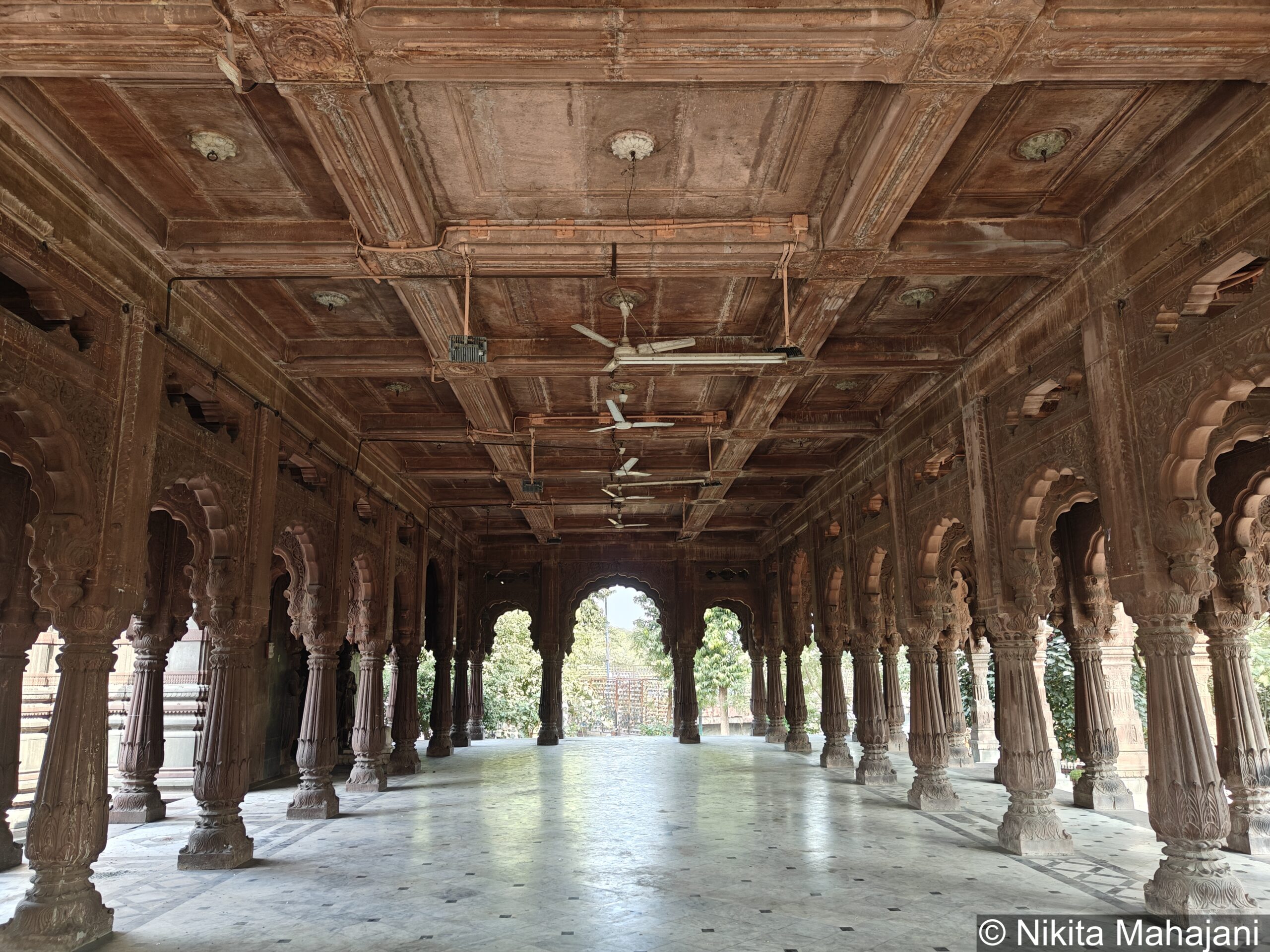
We then moved on to Shivajirao Holkar Samadhi, the resting place of the great Holkar ruler, which felt like a solemn tribute to a visionary leader. Another peaceful stop was the Krishna Pura Chhatri, an elegant structure near the river. With its serene ambiance, it was the perfect place to soak in the calm vibes of Indore before our next adventure.
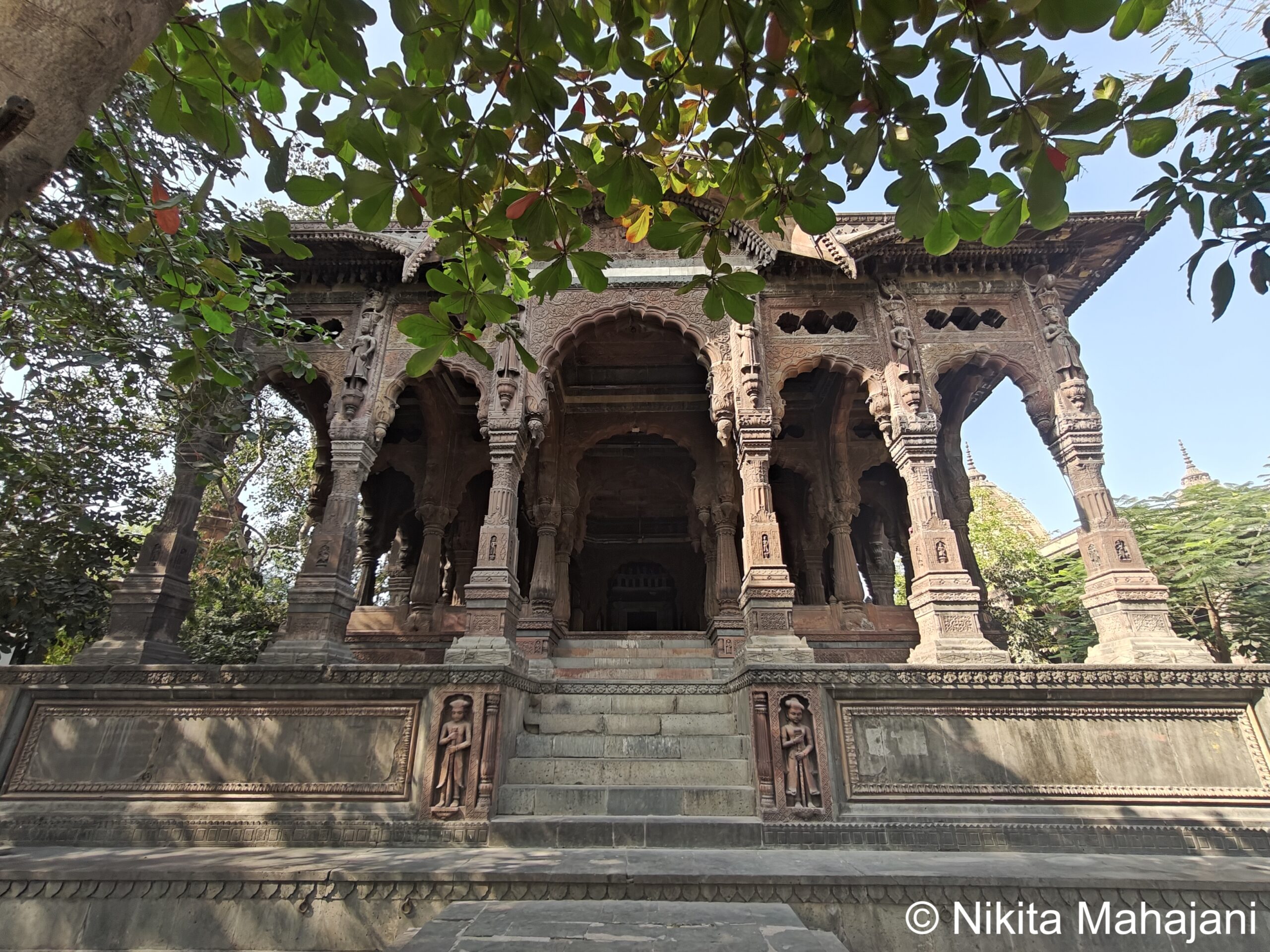
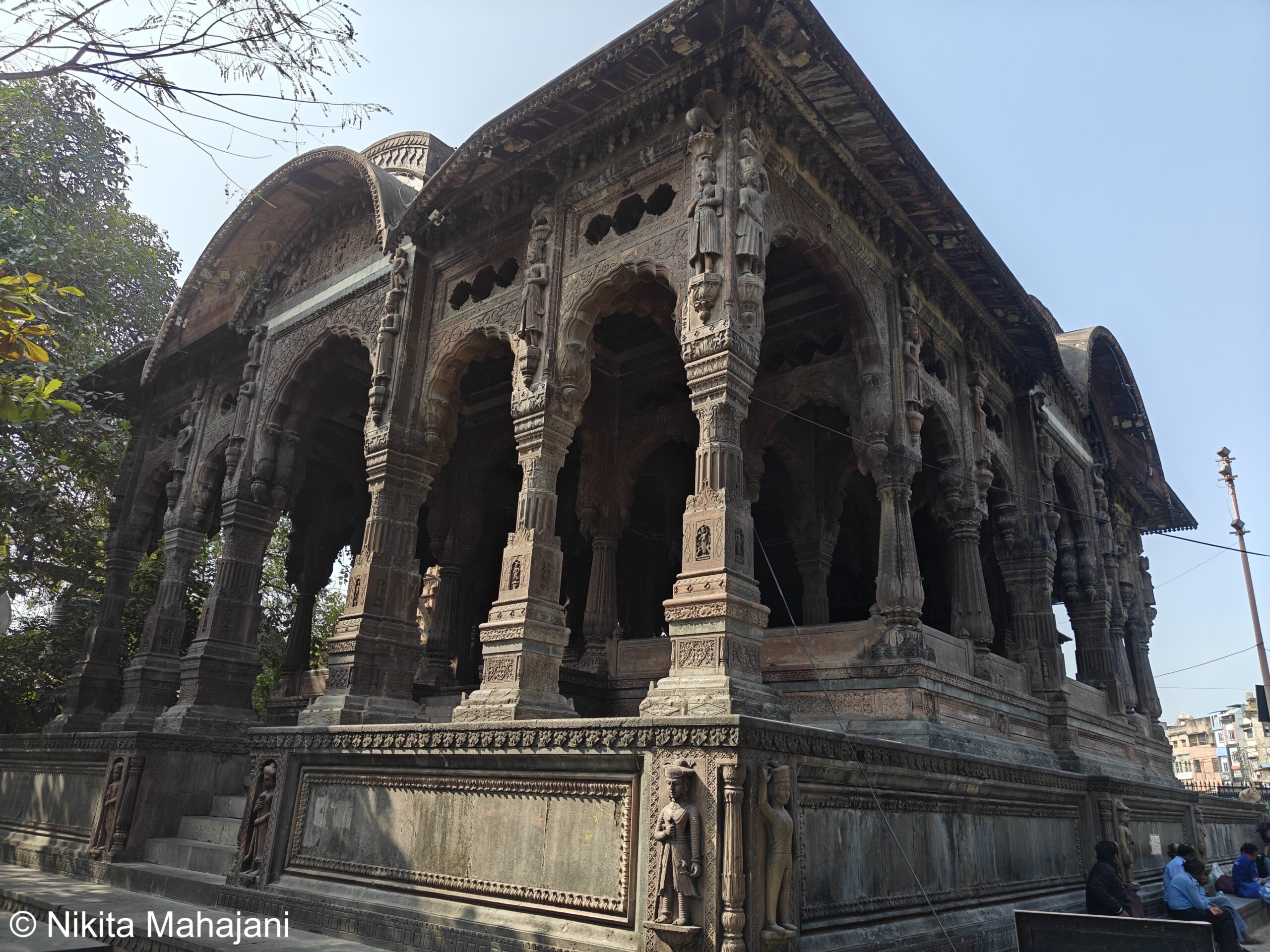
The Krishnapura Chhatris
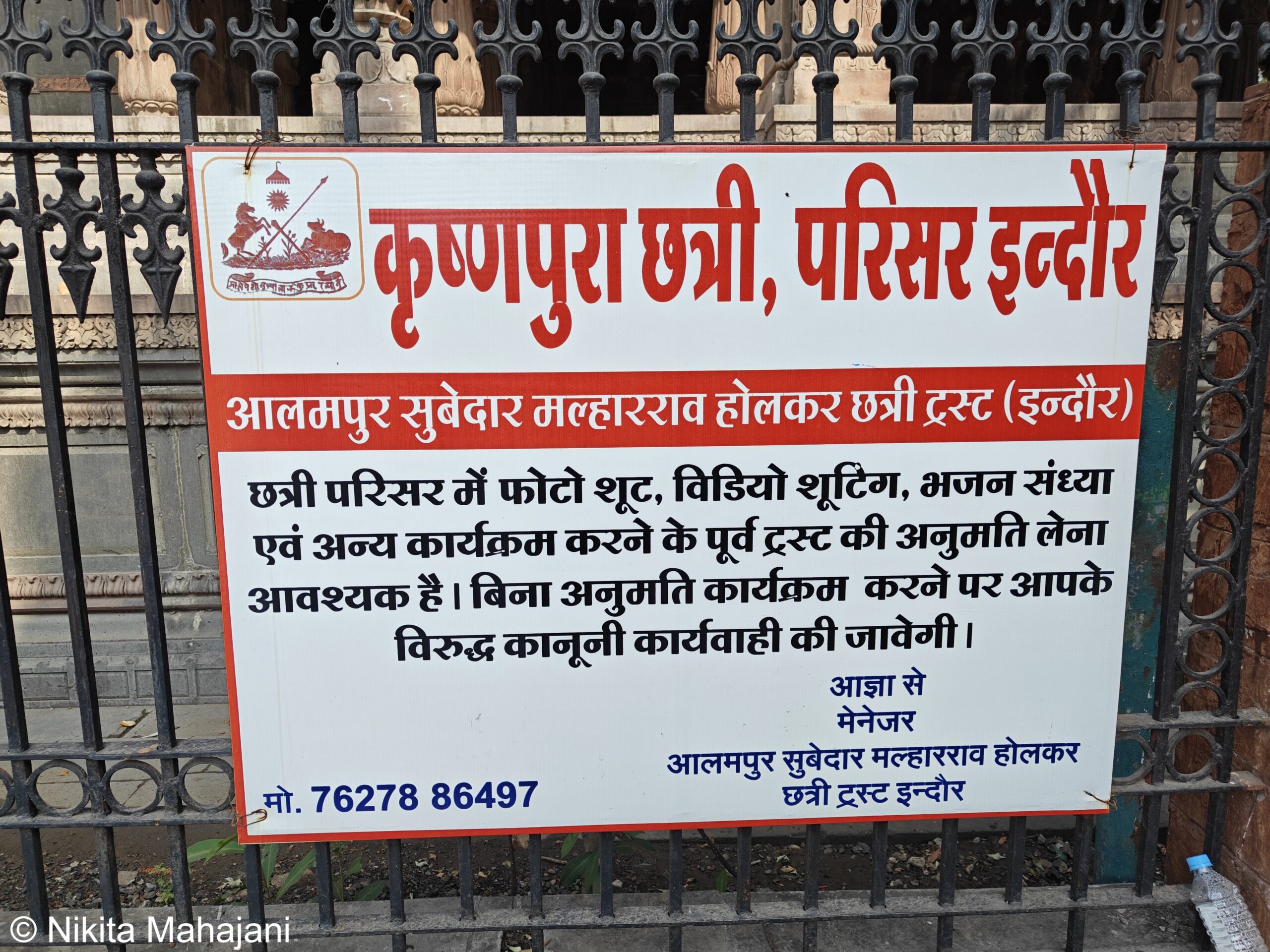
The Krishnapura Chhatris, also referred to as the Krishna Pura Chhatris, are a group of three cenotaphs located in Indore, Madhya Pradesh. These monuments were constructed by the Holkar dynasty to mark the cremation sites of prominent individuals, which is why they are also commonly known as the Holkar Chhatris.
By 11:30 AM, we hit the road again, this time heading towards Mandav, a historic town with stunning ruins and a rich past. The drive from Indore to Mandav was smooth, and we reached Mandav by 1:30 PM, excited to discover the stories etched in its ancient stones.
Mandu
We checked in to MPT Malwa Resort, Mandu at 1:30 PM and had lunch in their restaurant. After having an afternoon nap we visited Rani Roopmati Palace.
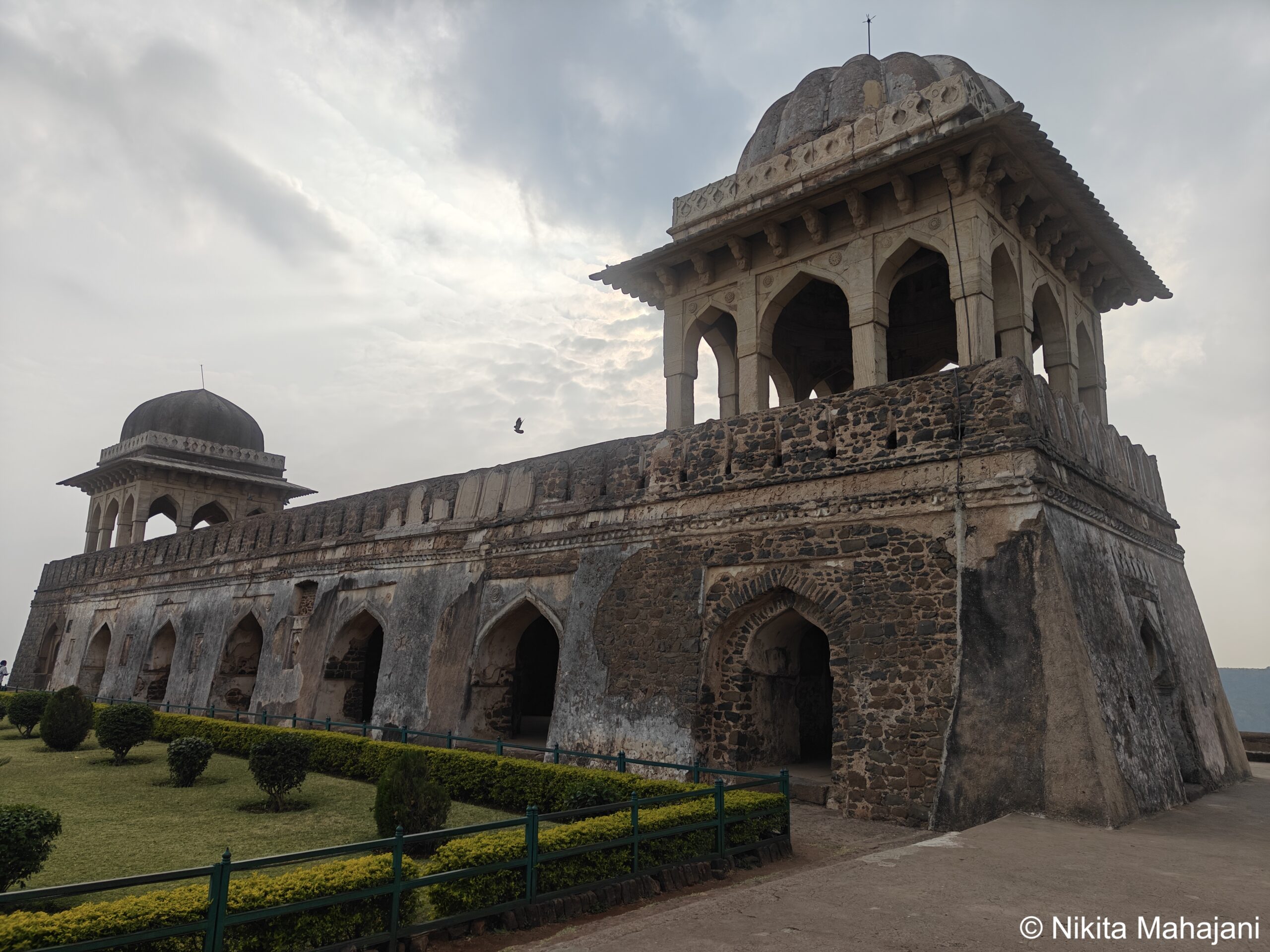
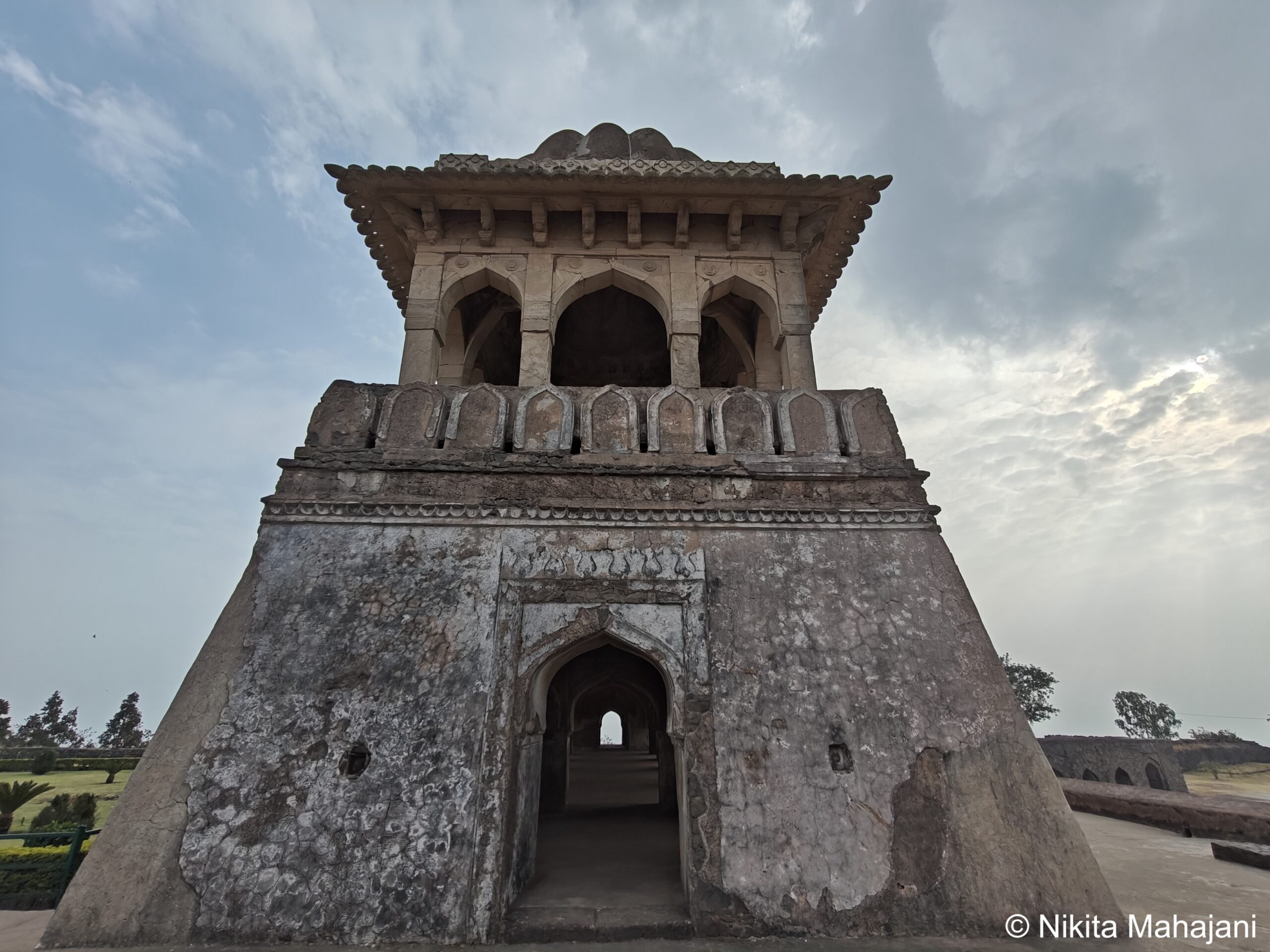
Rani Roopmati Palace, Mandav.
Rani Roopmati Palace is constructed on the edge of the Precipice (365 metres high) overlooking the Nimar valley seems to have been originally a watchtower. The pavilions are associated with the name of Rupmati, Baz Bahadur’s beloved, who is said to have used this pavilion for viewing the sacred Narmada.
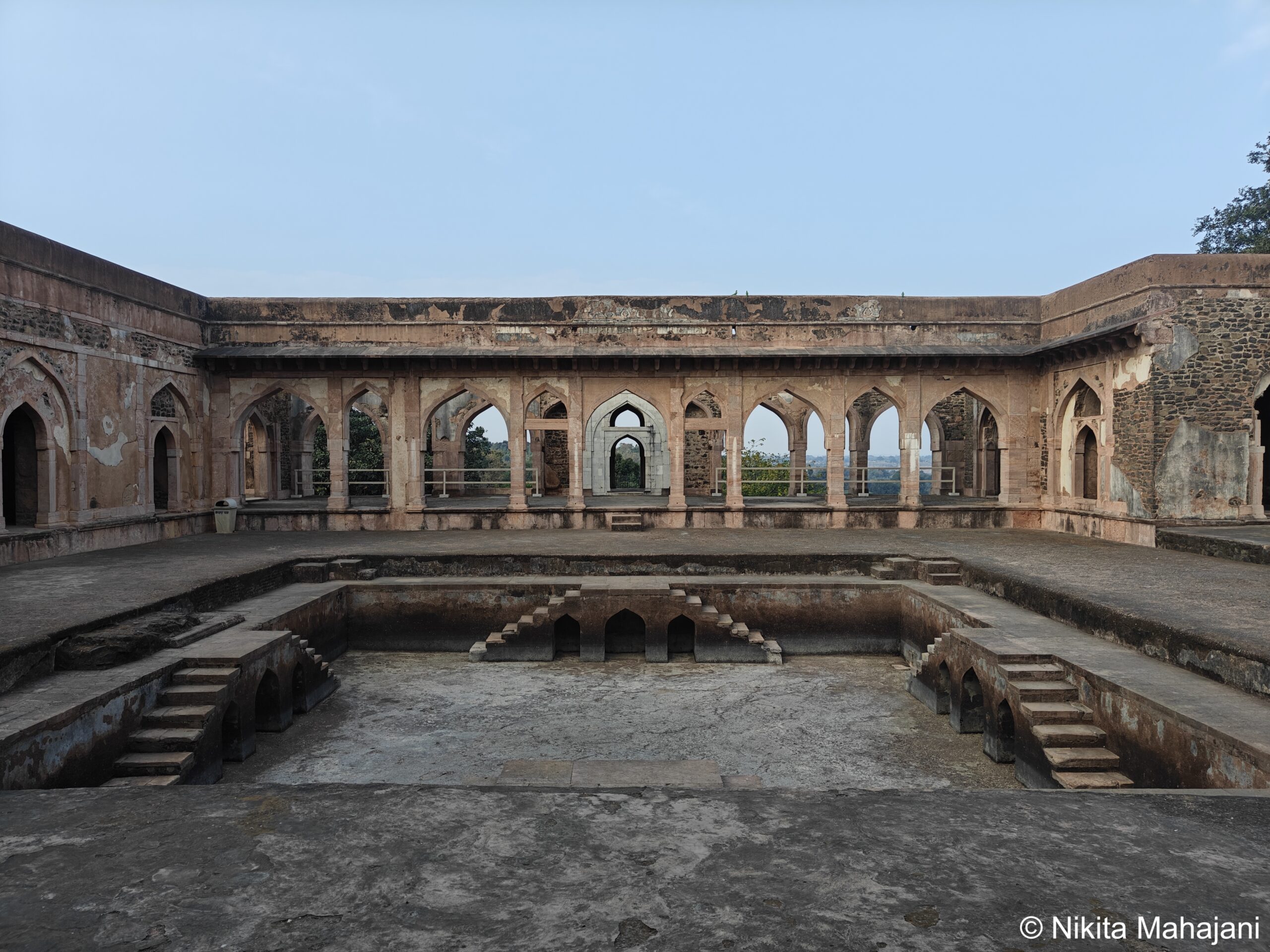
Baz Bahadur’s Palace, Mandav.
Baz Bahadur’s Palace is built on the hill slope to the east of the Rewa kund. On the entrance arch is a Persian inscription stating that the palace was built by Nasiruddin in AD 1508. Baaz Bahadur took a fancy for the palace on account of it’s close proximity to the rewa Kund which was frequented by his lover queen Roopmati.
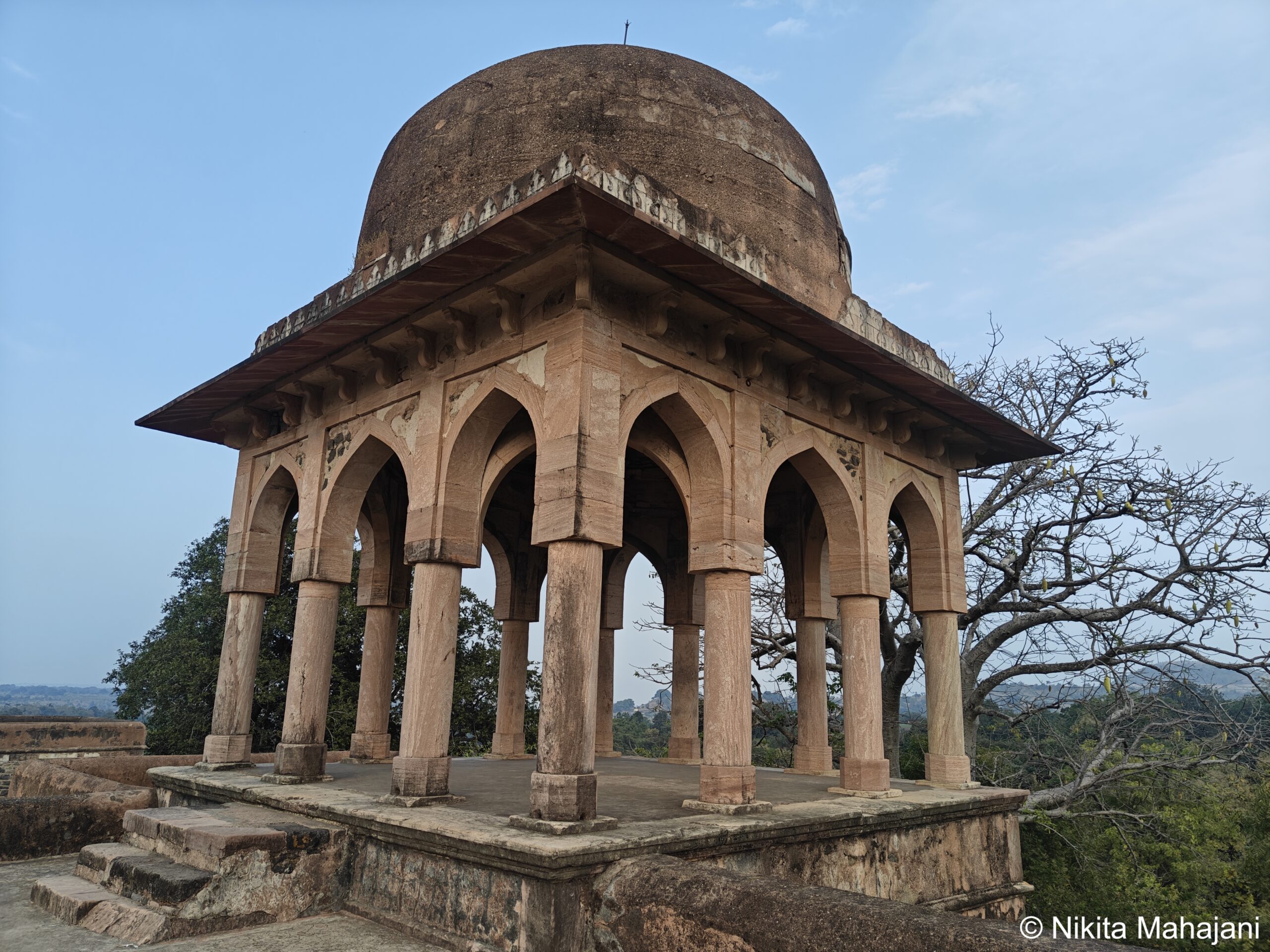
Rewa Kund
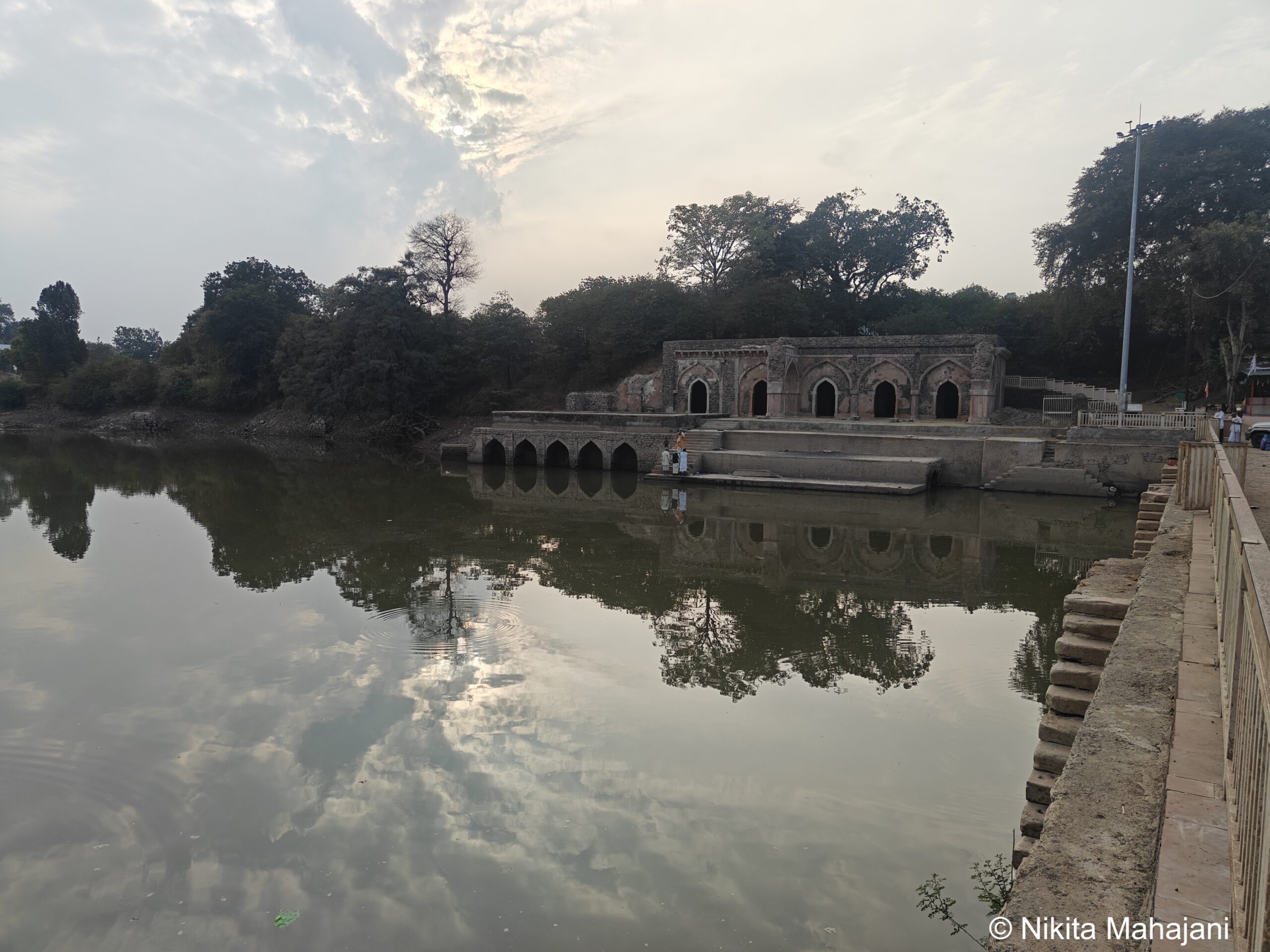
Rewa Kund is a small, man-made reservoir—more like a pond—believed to have been built by Baz Bahadur for Rani Rupmati. It has steps from all sides. It is said to be filled with water from the sacred Narmada River. Entry to Rewa Kund is free of cost.
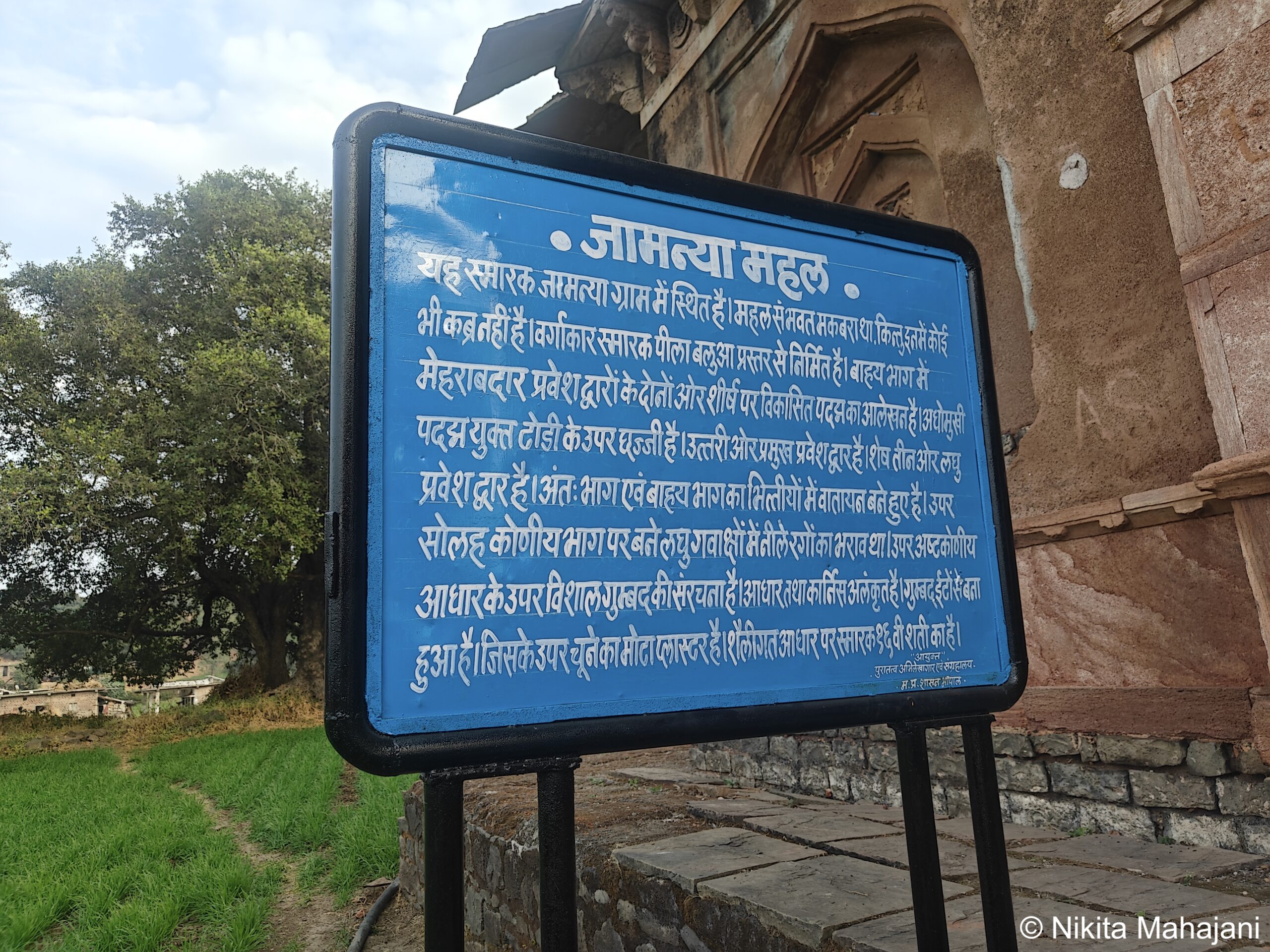
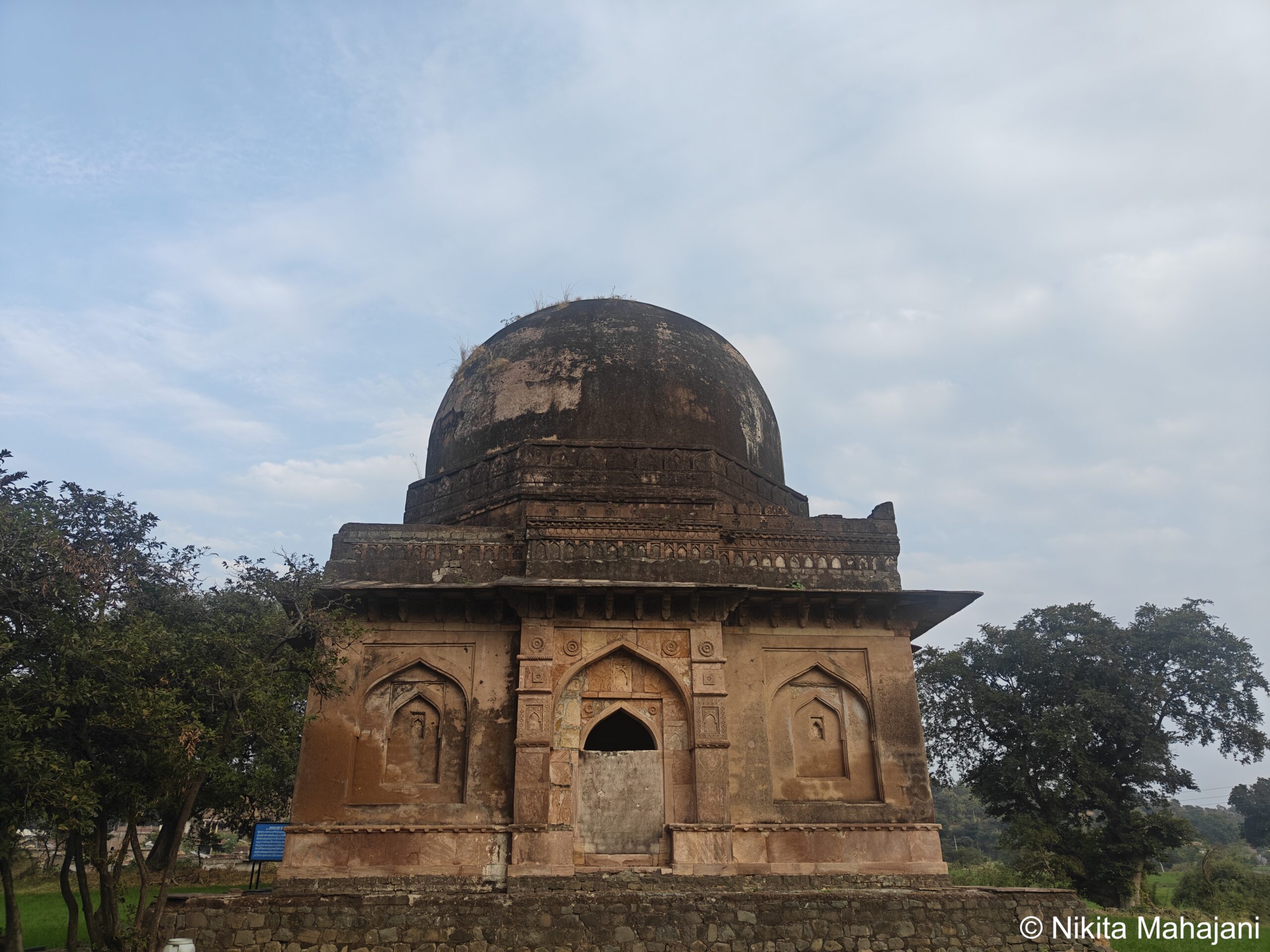
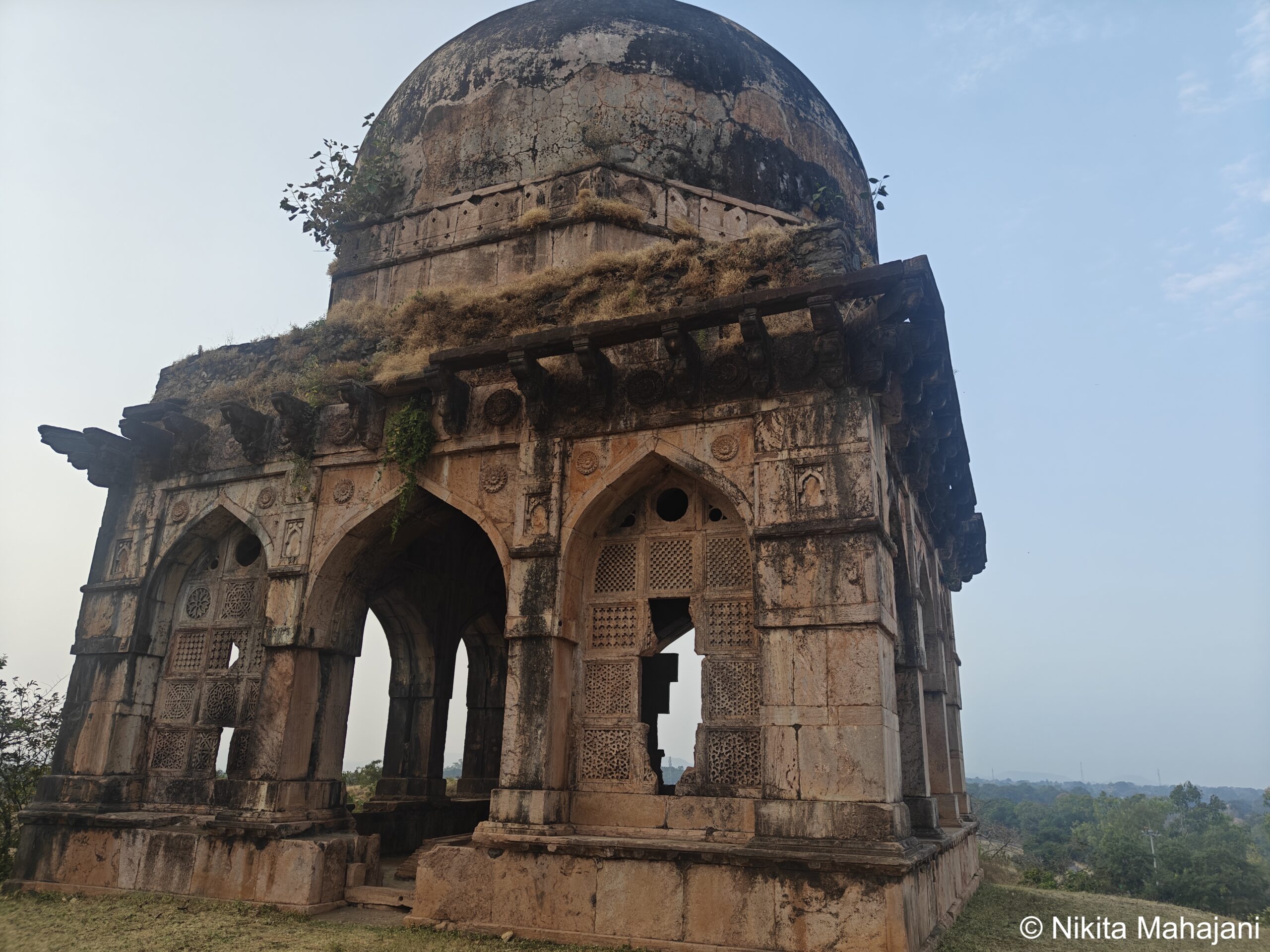
Caravan Sarai, Mandav.
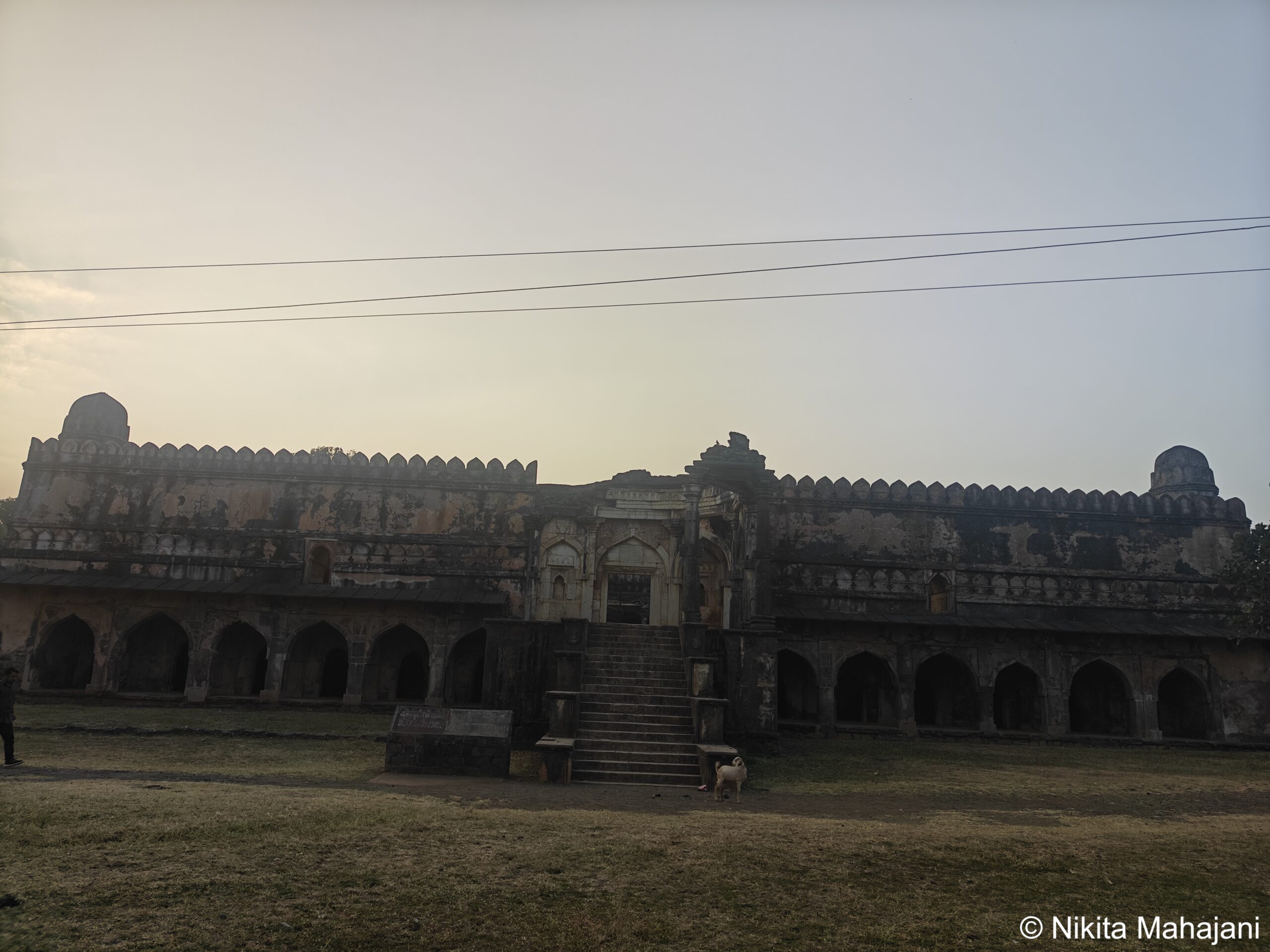
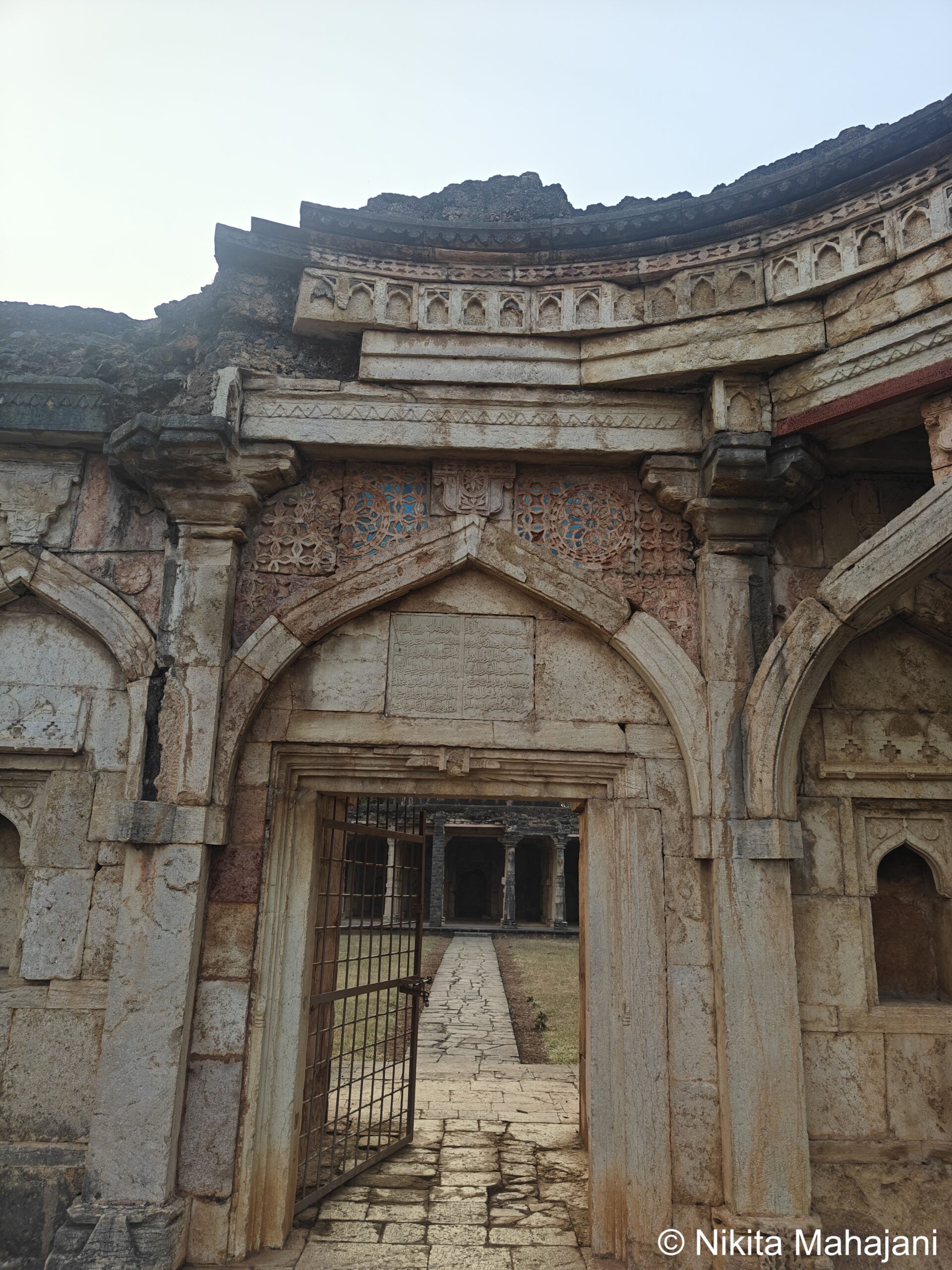
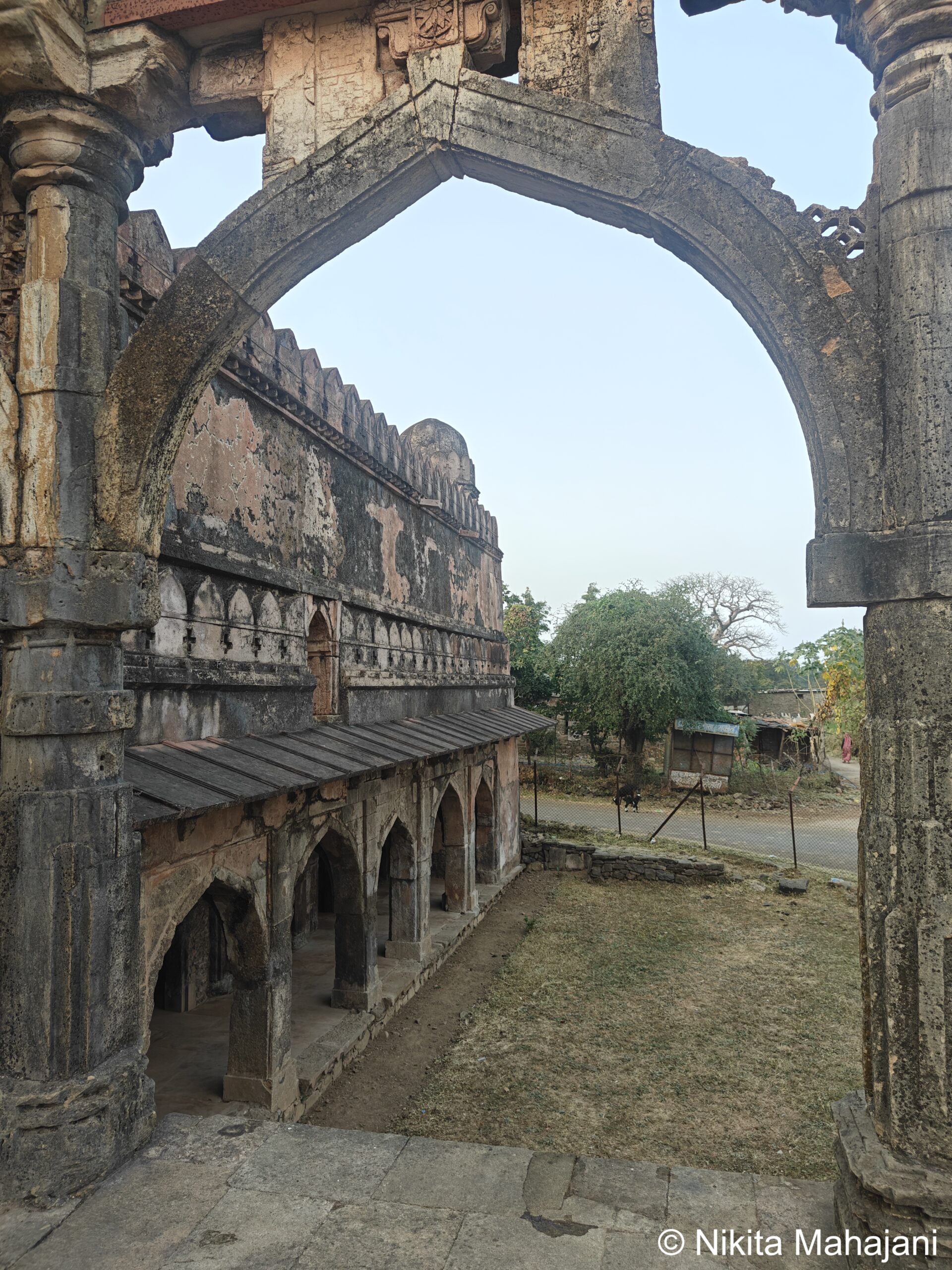
Caravan Sarai was used as a guest house. It is just opposite MPT Malwa Resort, Mandav and hardly any tourist visits it. Its premises are used as a pasture for livestock animals.
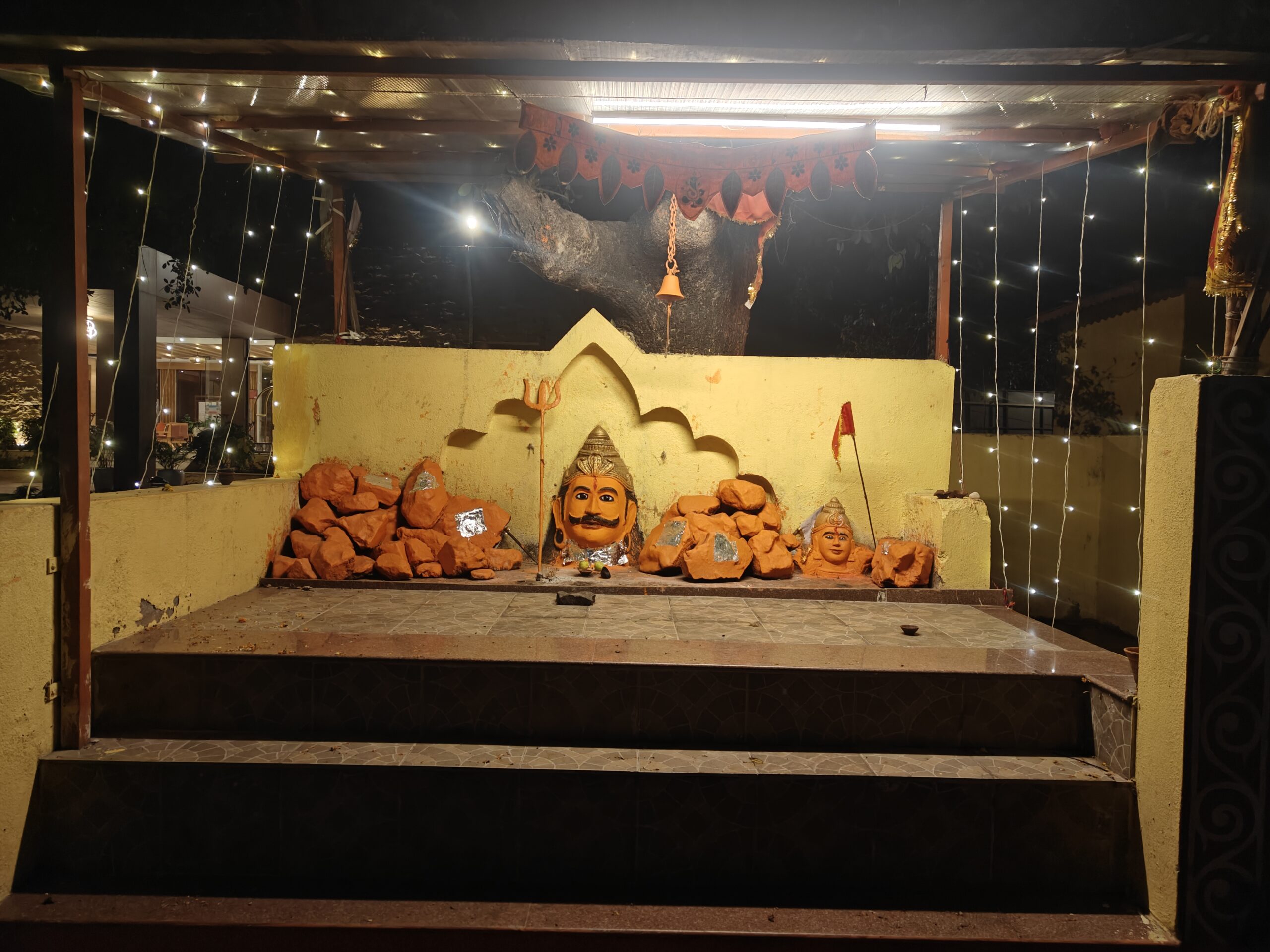
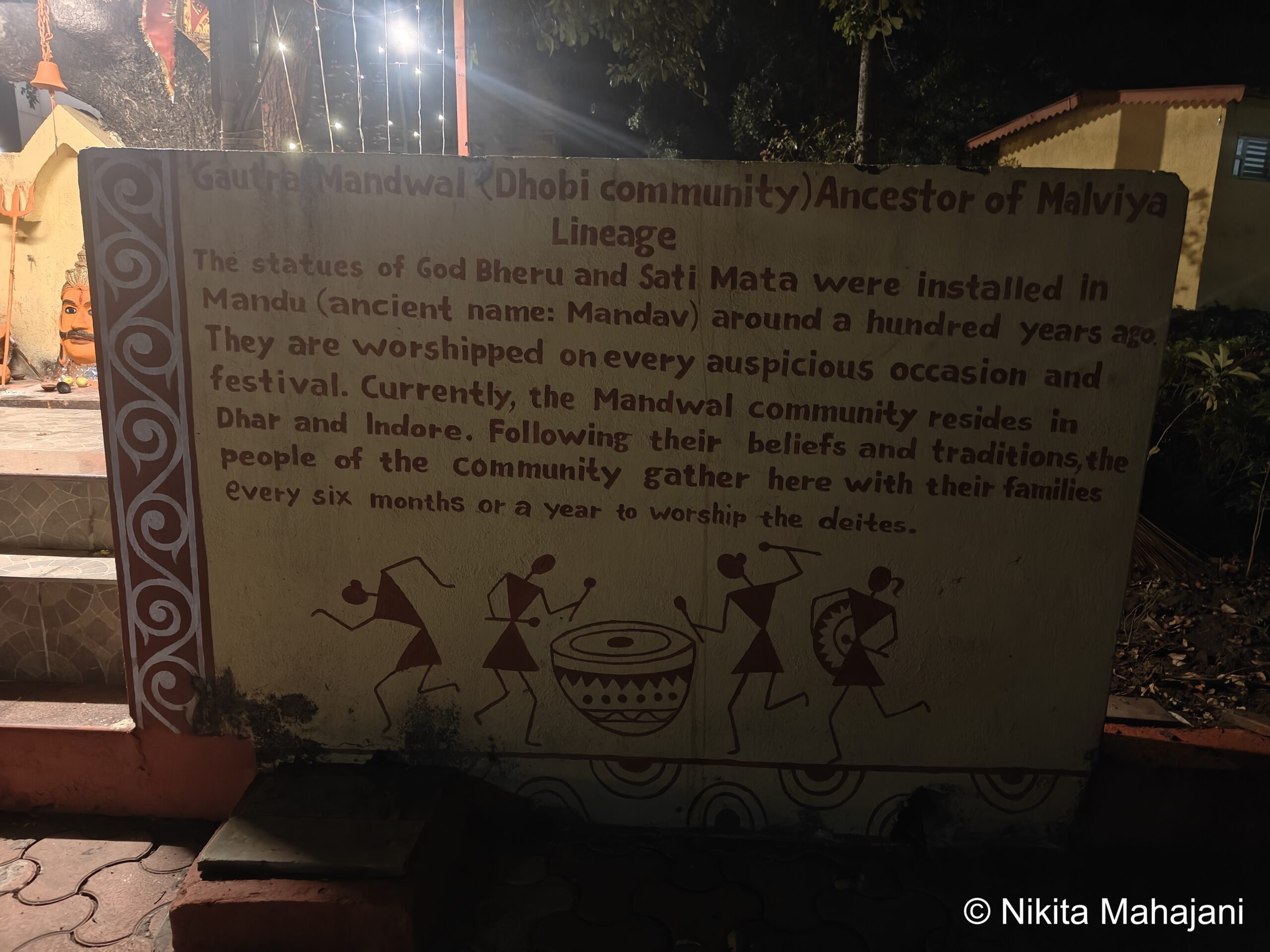
Gautra Mandwal (Dhobi community) Ancestor of Malviya Lineage
The statues of God Bheru and Sati Mata were installed in Mandu (ancient name: Mandav) around a hundred years ago. They are worshipped on every auspicious occasion and festival. Currently, the Mandwal community resides in Dhar and Indore. Following their beliefs and traditions, the people of the community gather here with their families every six months or a year to worship the deities. This temple is in MPT Malwa resort, Mandu.
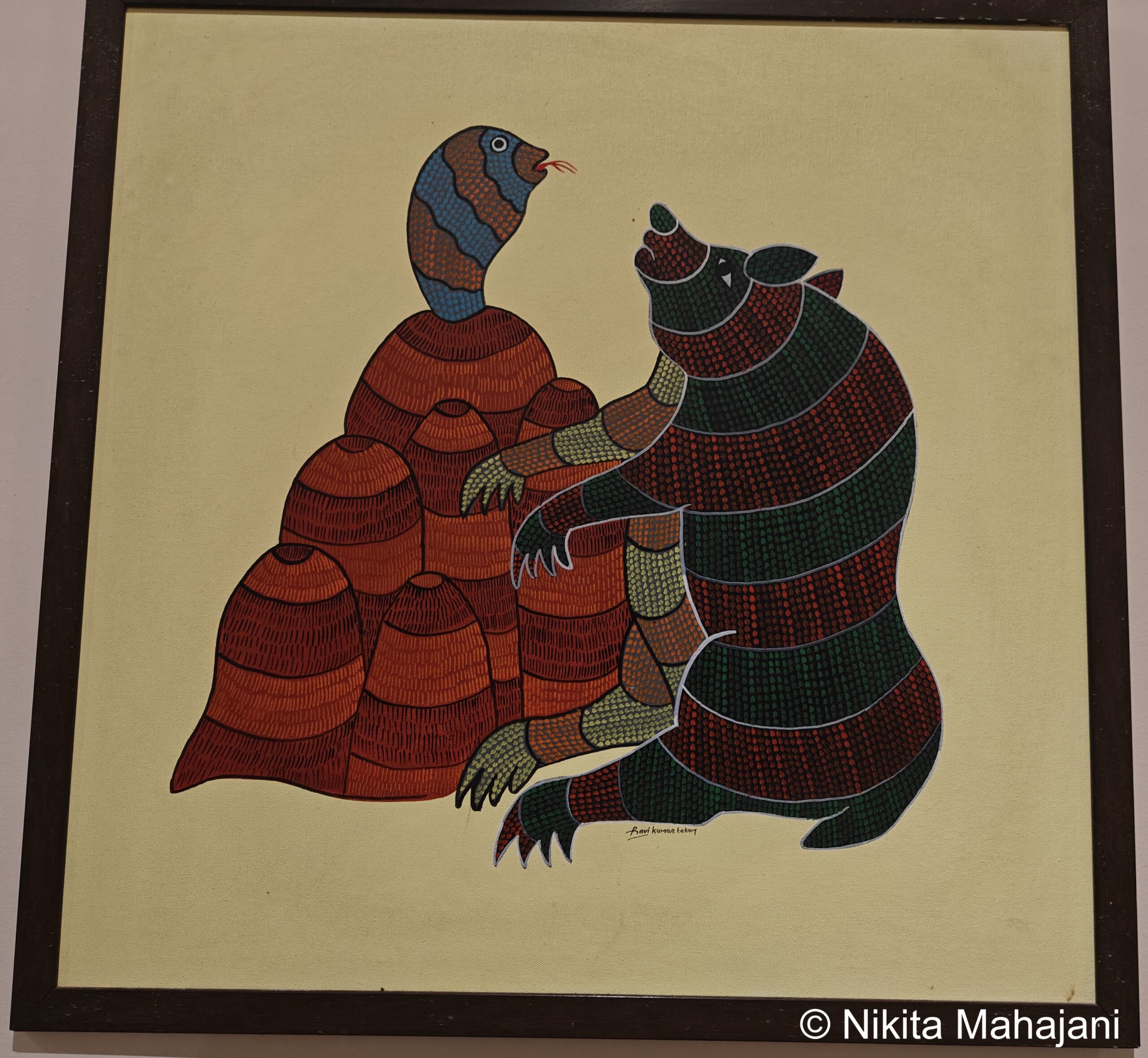
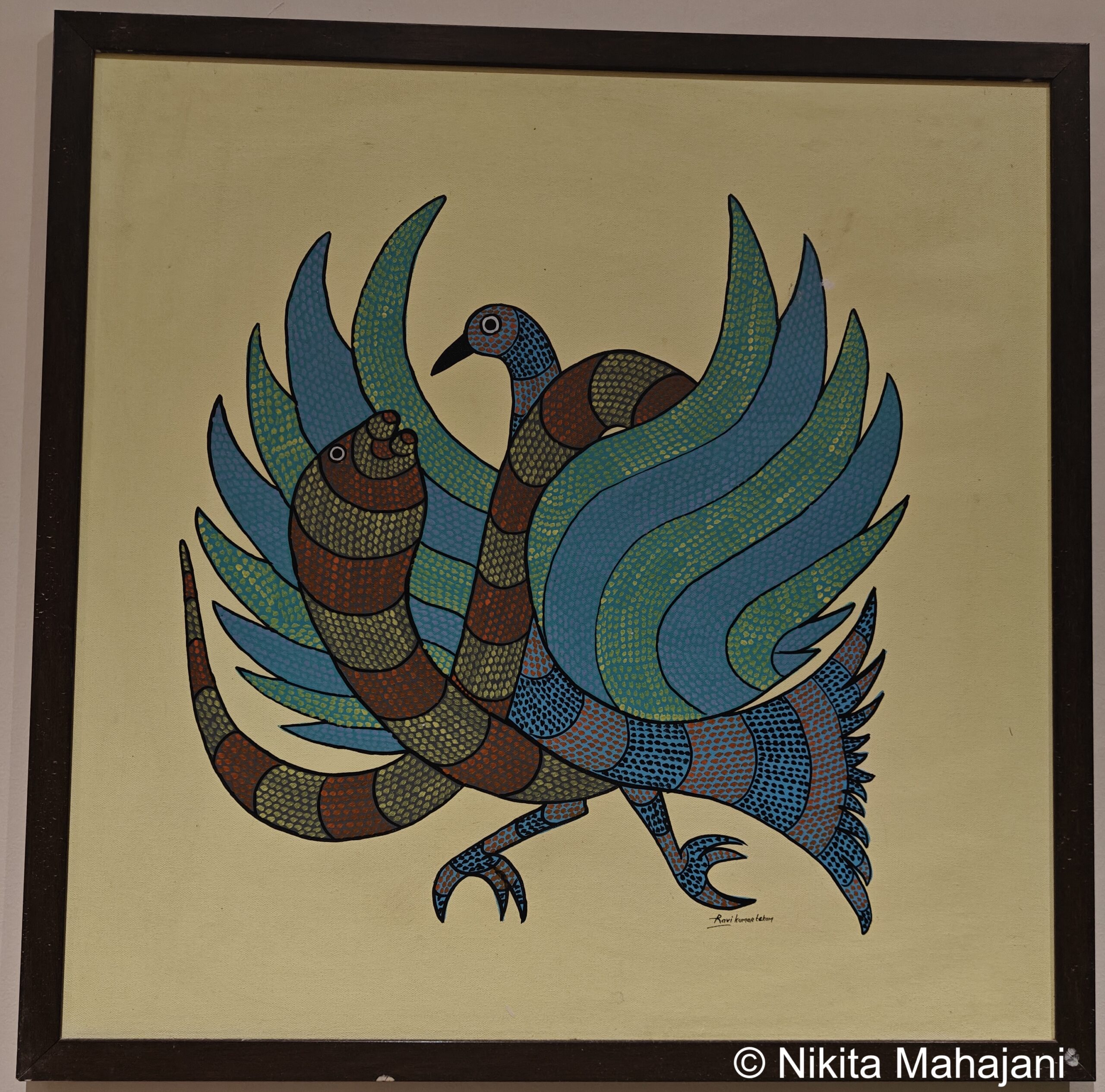
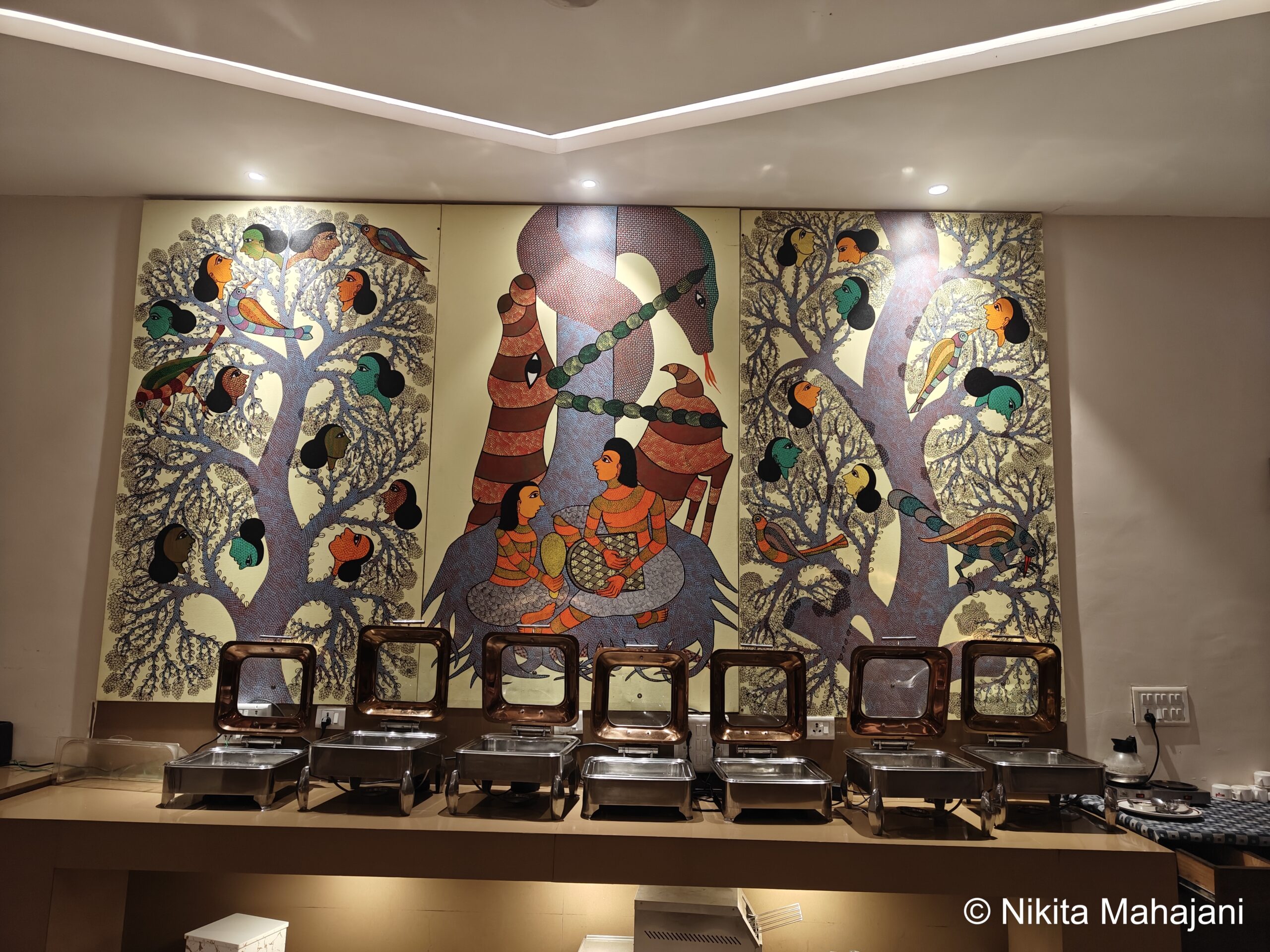
The day ended with a dinner and rest at MPT Malwa Resort, Mandav.
To read the next blog on Day 07: Mandu, click here.