
To read the previous blog on Solapur Day 01 click here
Day 02: Part 1
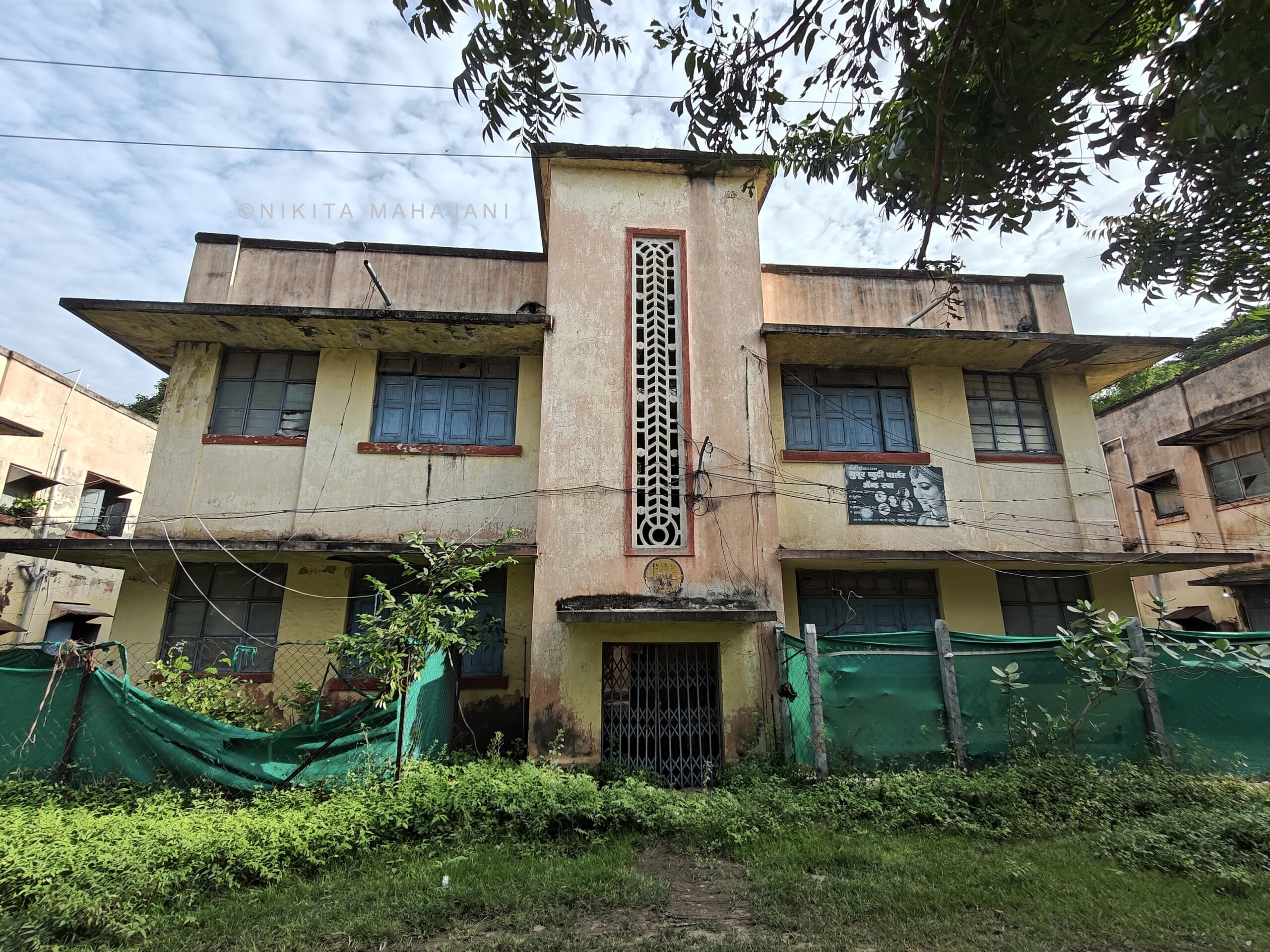
The second day started with an early morning walk with my pet Sophie in the by lanes near Hotel Center Point. This area is full of government buildings like police housing quarters, rest house, circuit house, etc. I spotted a lot of Art Deco bungalows in the police housing colony. All of them are built in the early 19th century when Art Deco style was trending in India.
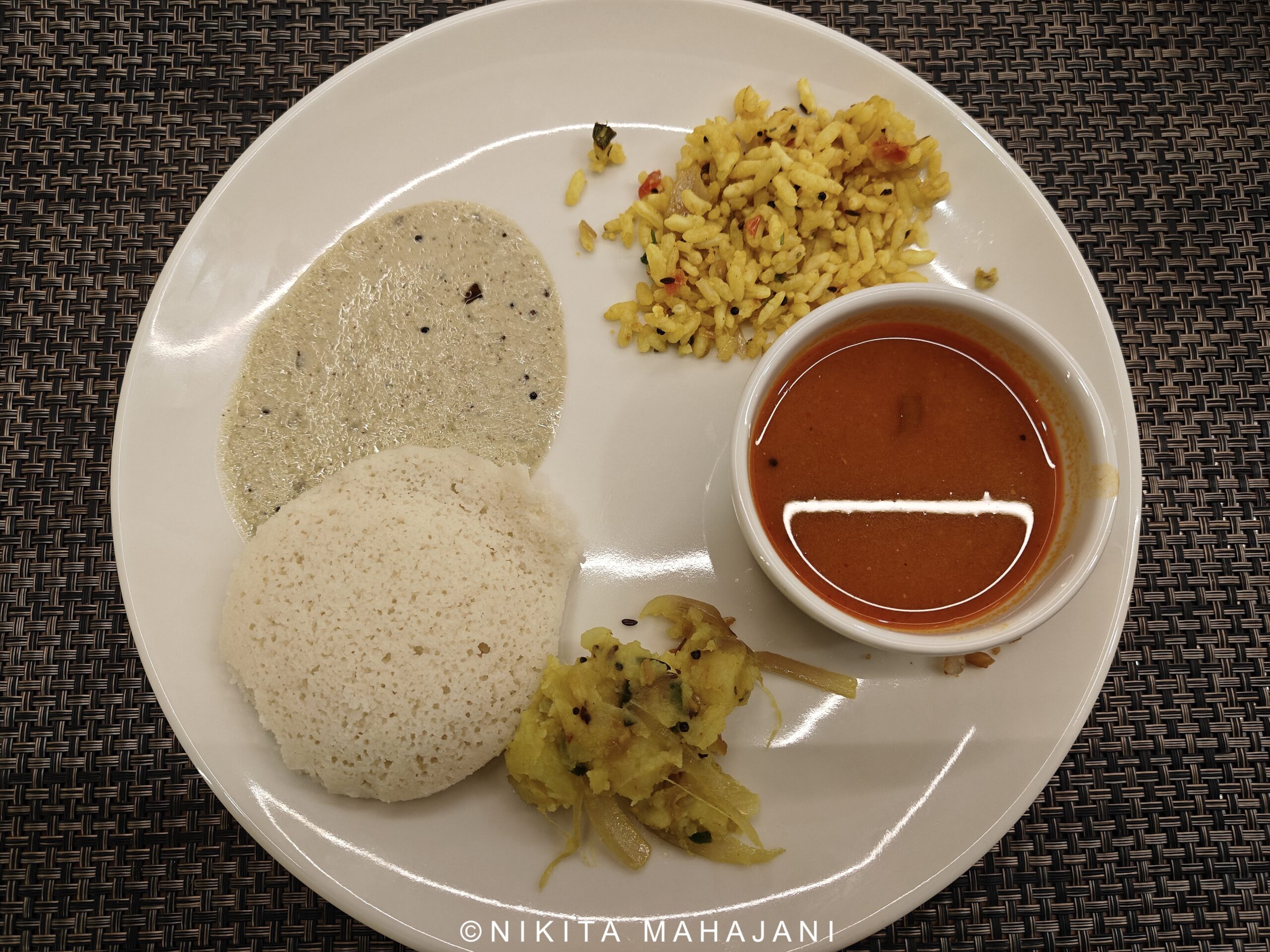
We enjoyed a simple south Indian break at Hotel Center Point consisting of Sushila, idli–sambhar, chutney, fruits and tea.
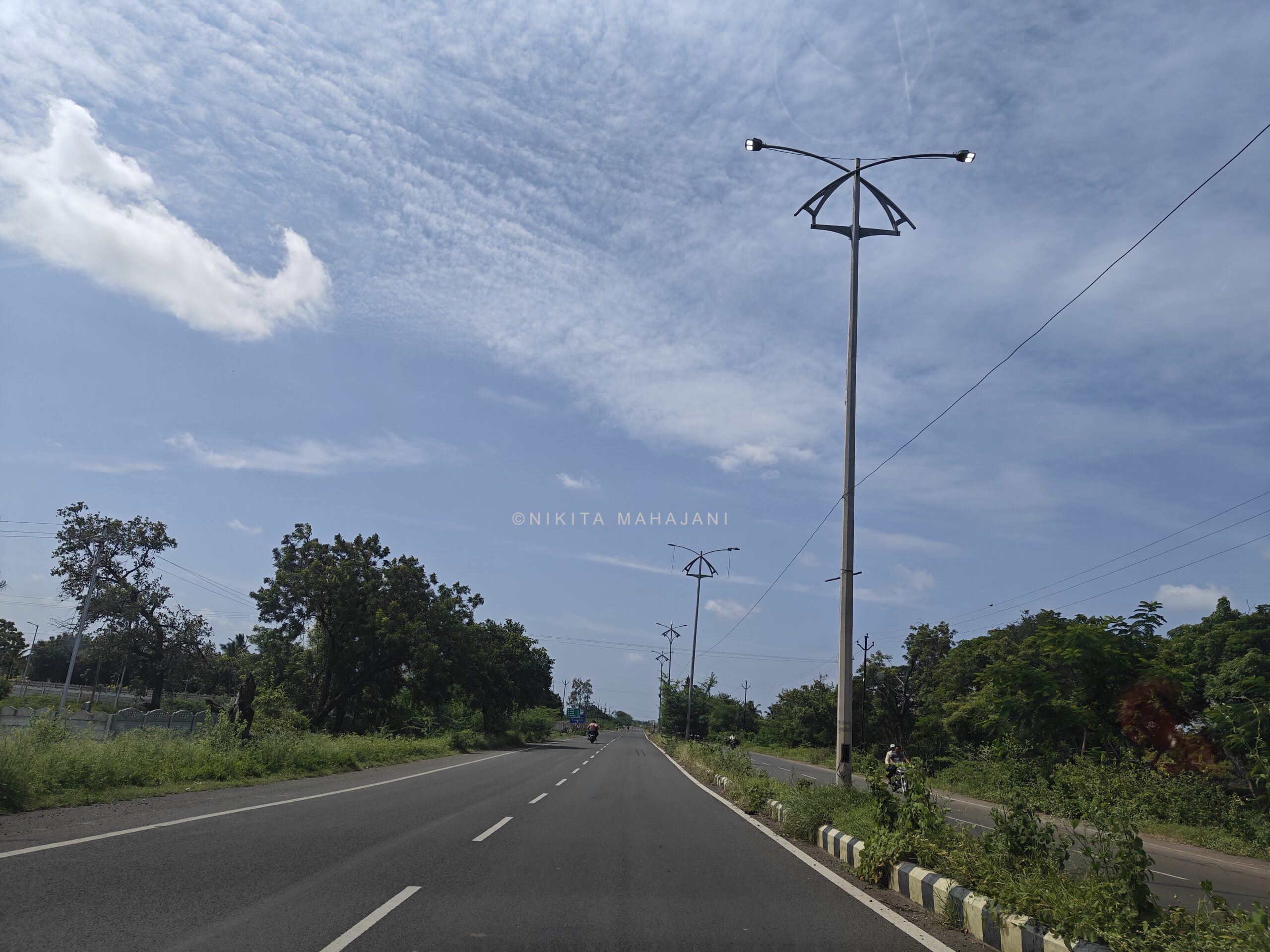
Post breakfast, we started the journey to Kudal Hattarsang which is a one hour journey from Solapur. Inspite of travelling there on the day of Ganesh visarjan, we did not come across any processions on this route. The highway is quite deserted.
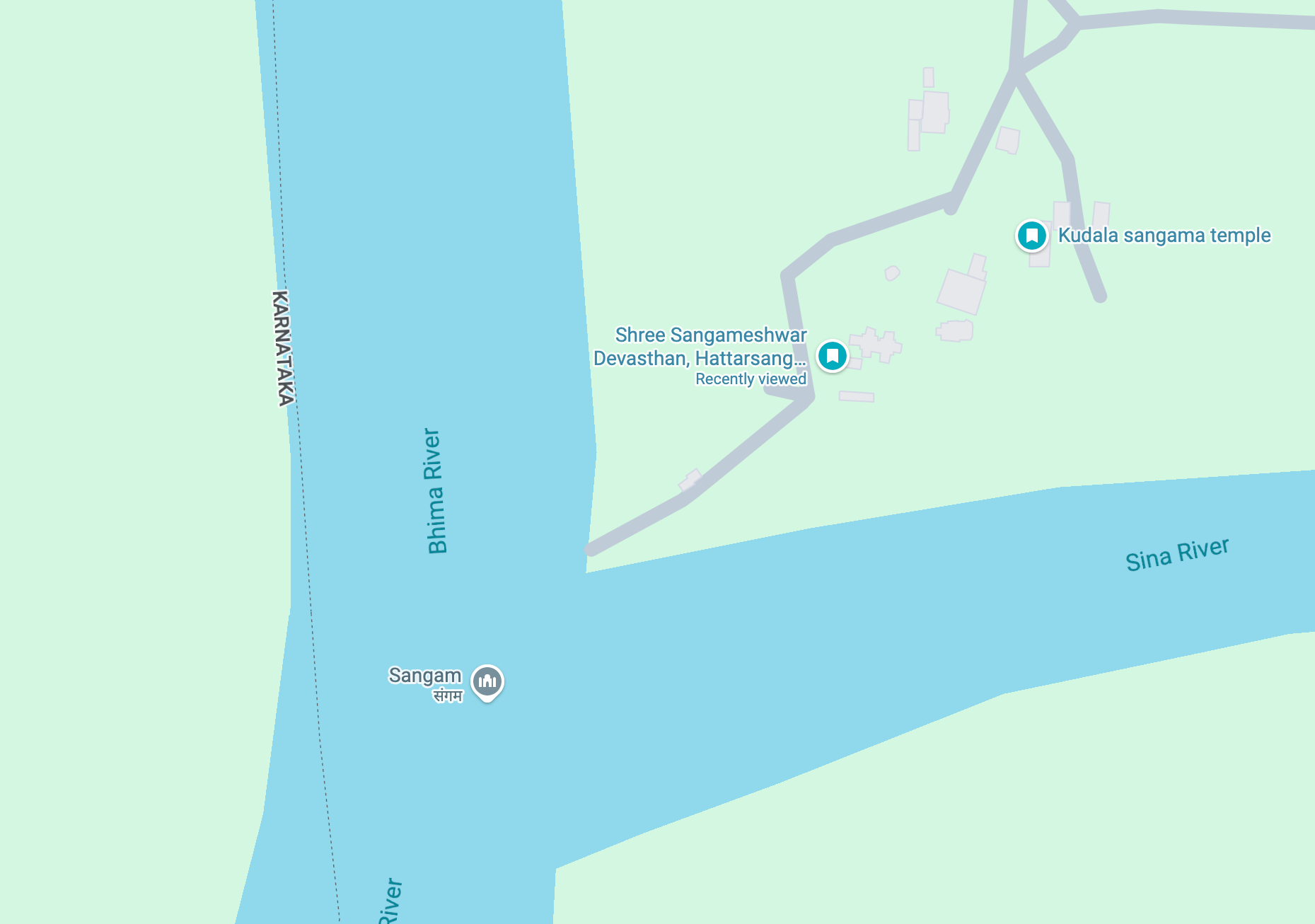
Kudal Sangam is the confluence of two sacred rivers – Sina and Bhima. Bijapur lies across Bhima river and Dharasang cillage (district- Solapur) lies across Sina river. Kudal Sangam unites two rivers, two districts, two states, two diverse culture and two languages.
Kudal Sangam is a spiritual union of two major Sanatan traditions – Shaiva and Vaishnava.Shaivites are followers of Lord Shiva and Vaishnavites are followers of Lord Vishnu.
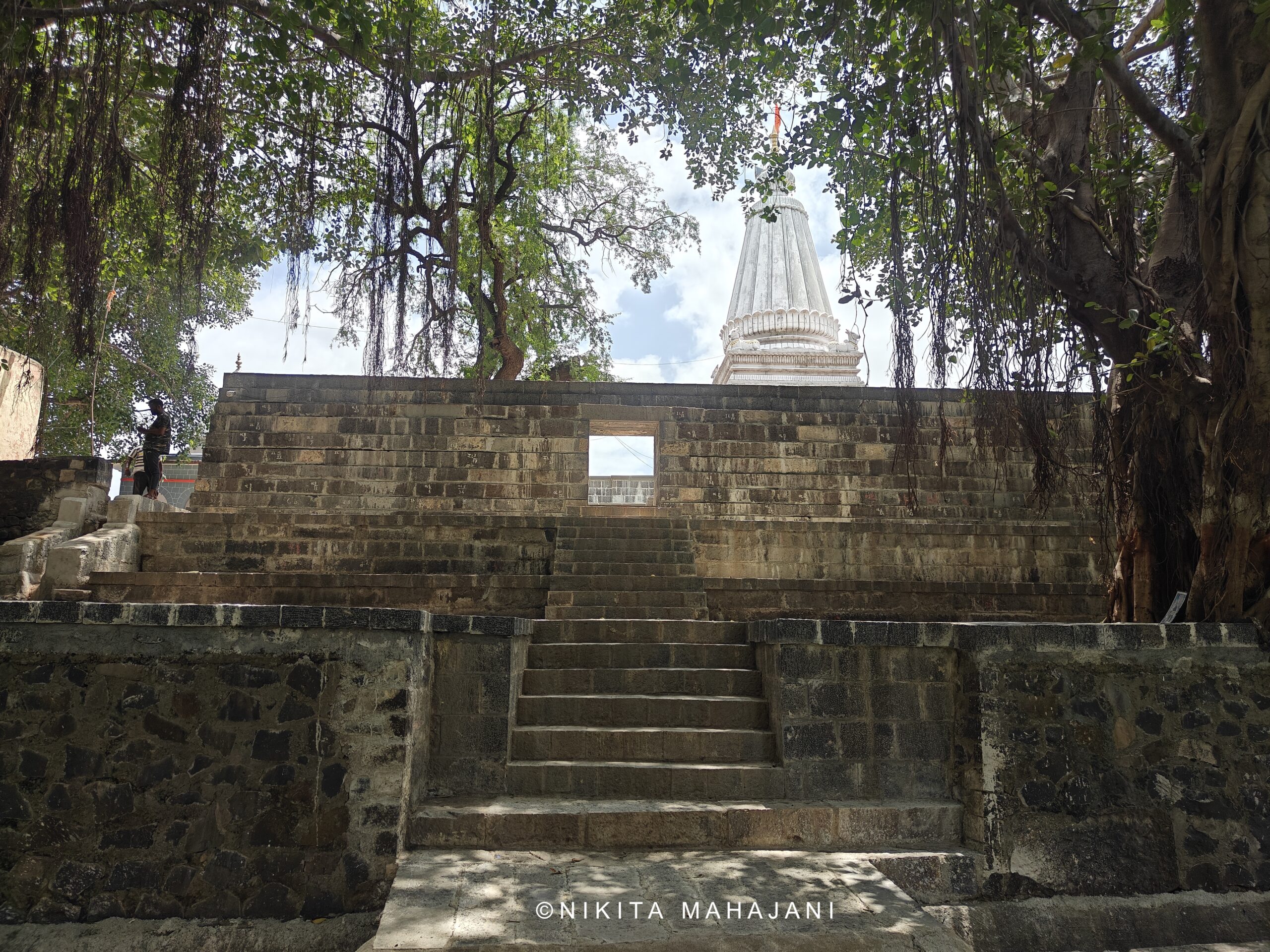
- The Shree Sangameshwar Temple (upper temple) is devoted to Lord Shiva.
- The Shree Harihareshwar Temple (lower temple) is devoted to Lord Vishnu, where Lord Vishnu and Shiva are worshipped in their unified form as Hari-Har.
There is a huge parking lot, washroom block, rest house and shacks at the entrance of these temples. There is no entry fee to visit these temples. The premises are completely pet friendly.
Shree Sangameshwar Temple
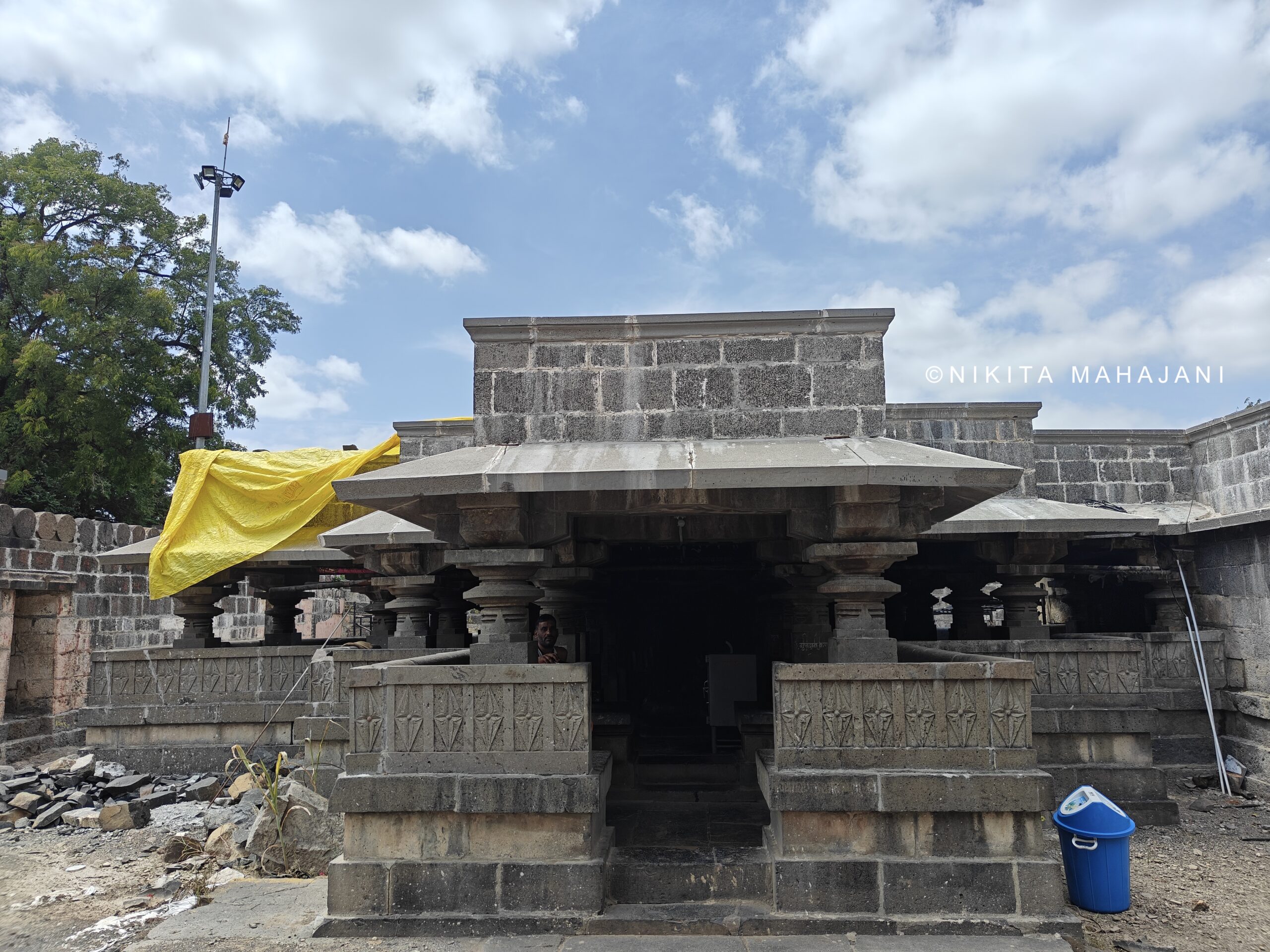
This Chalukya-period temple follows a three-naved plan and has undergone several phases of renovation in later periods. The main sanctum houses an impressive Shivalinga, identified with Shri Sangameshwar.
First inscription in the Marathi language:
India’s earliest known Marathi inscription is carved on a beam of the Sabha Mandapam of the Shri Sangameshwar Temple at Hattarsang Kudal. The inscription was deciphered by noted epigraphist Mr. Anand Kumbhar of Solapur. Written in simple Marathi, it states, “Whoever reads this inscription will be victorious.” The same inscription records the date as Shaka 940, corresponding to 1018 CE.
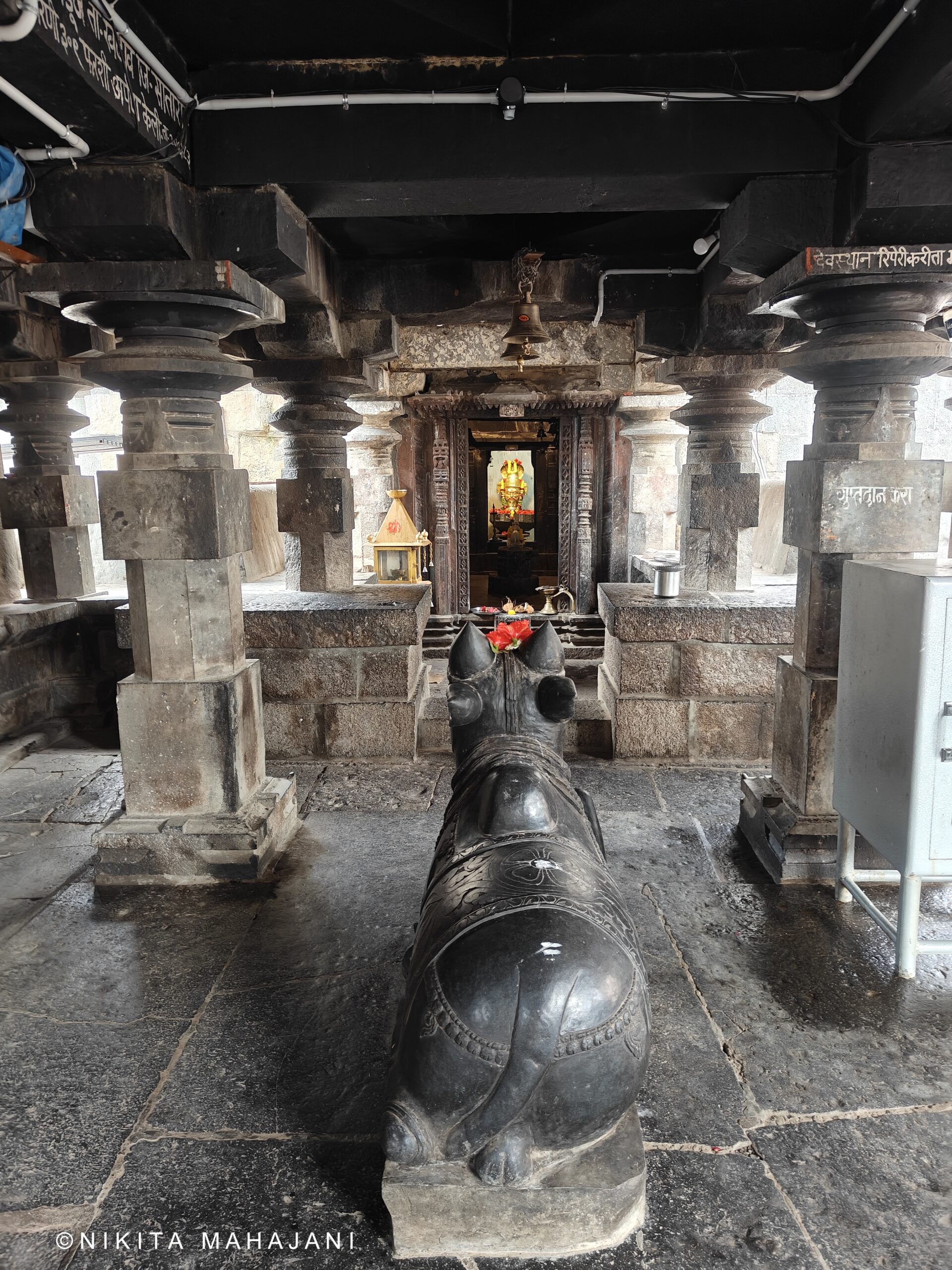
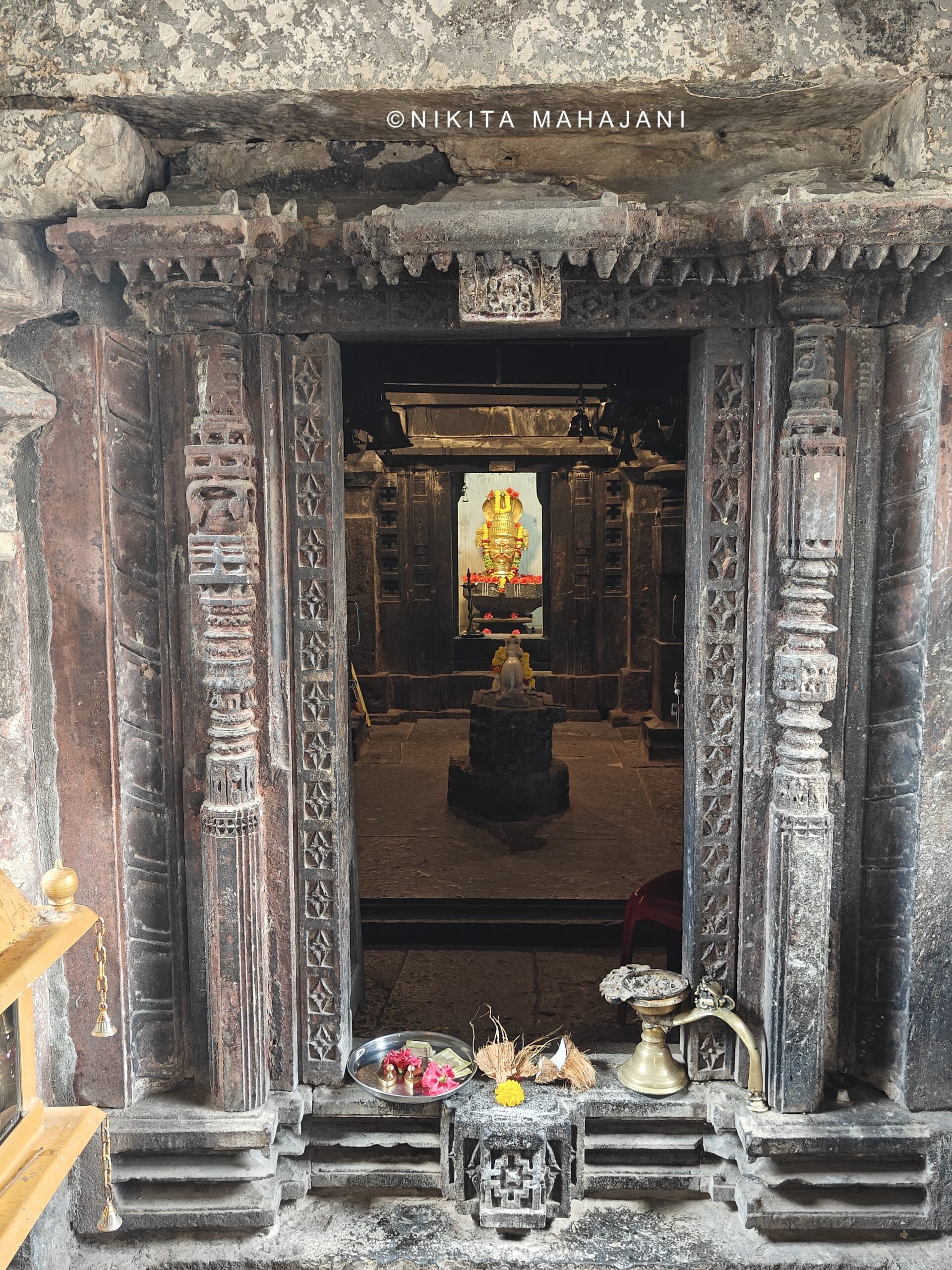
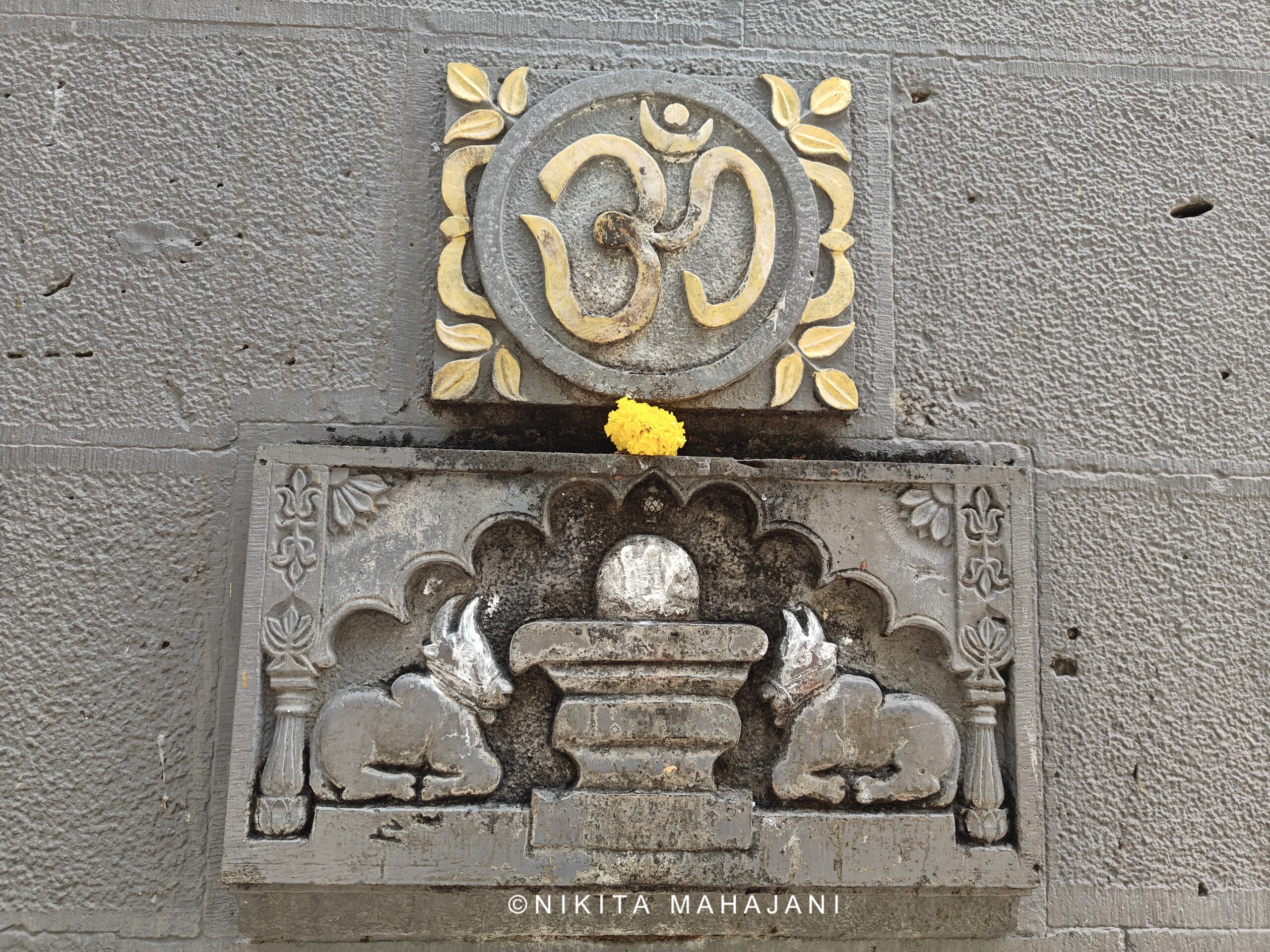
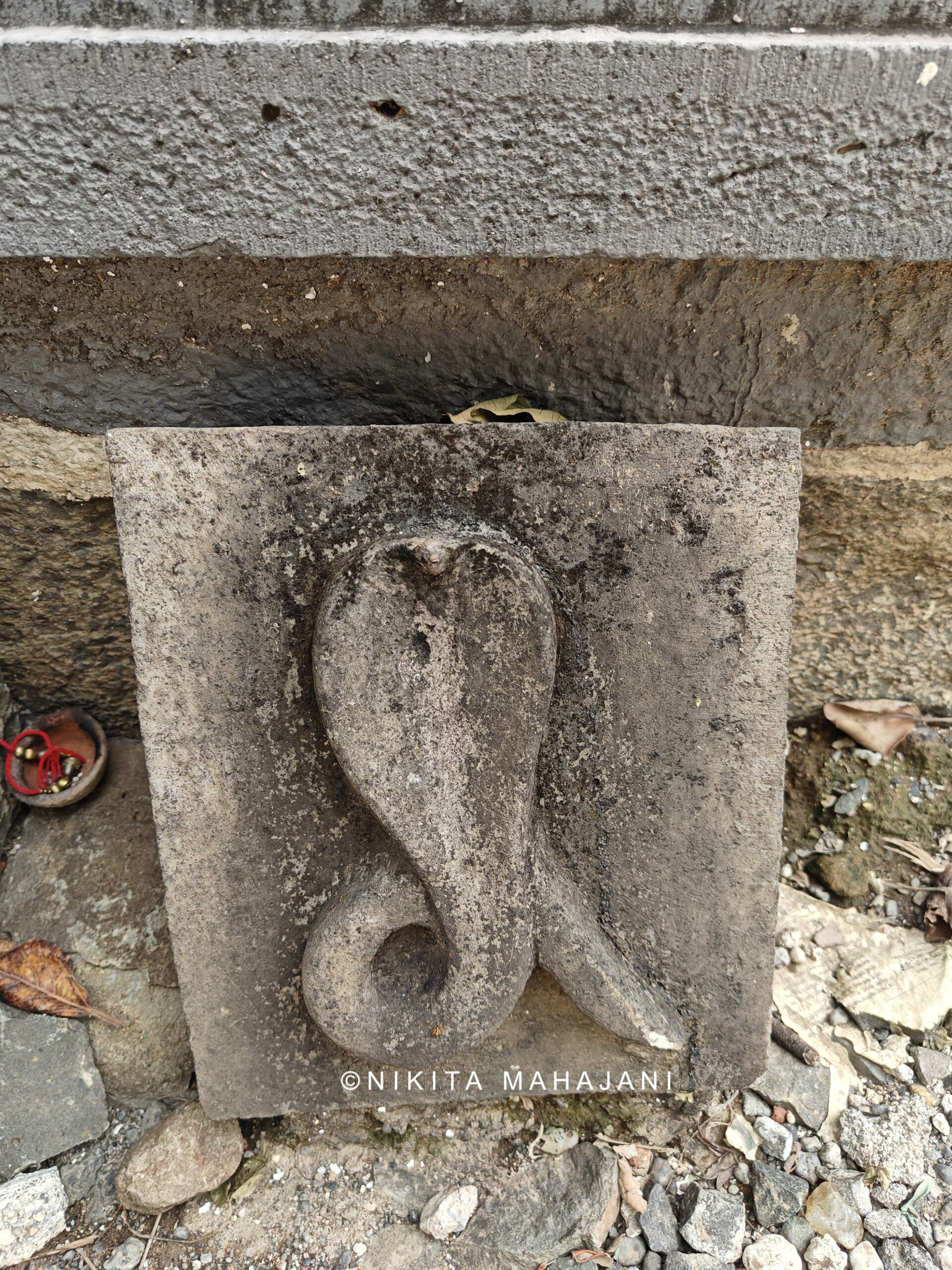
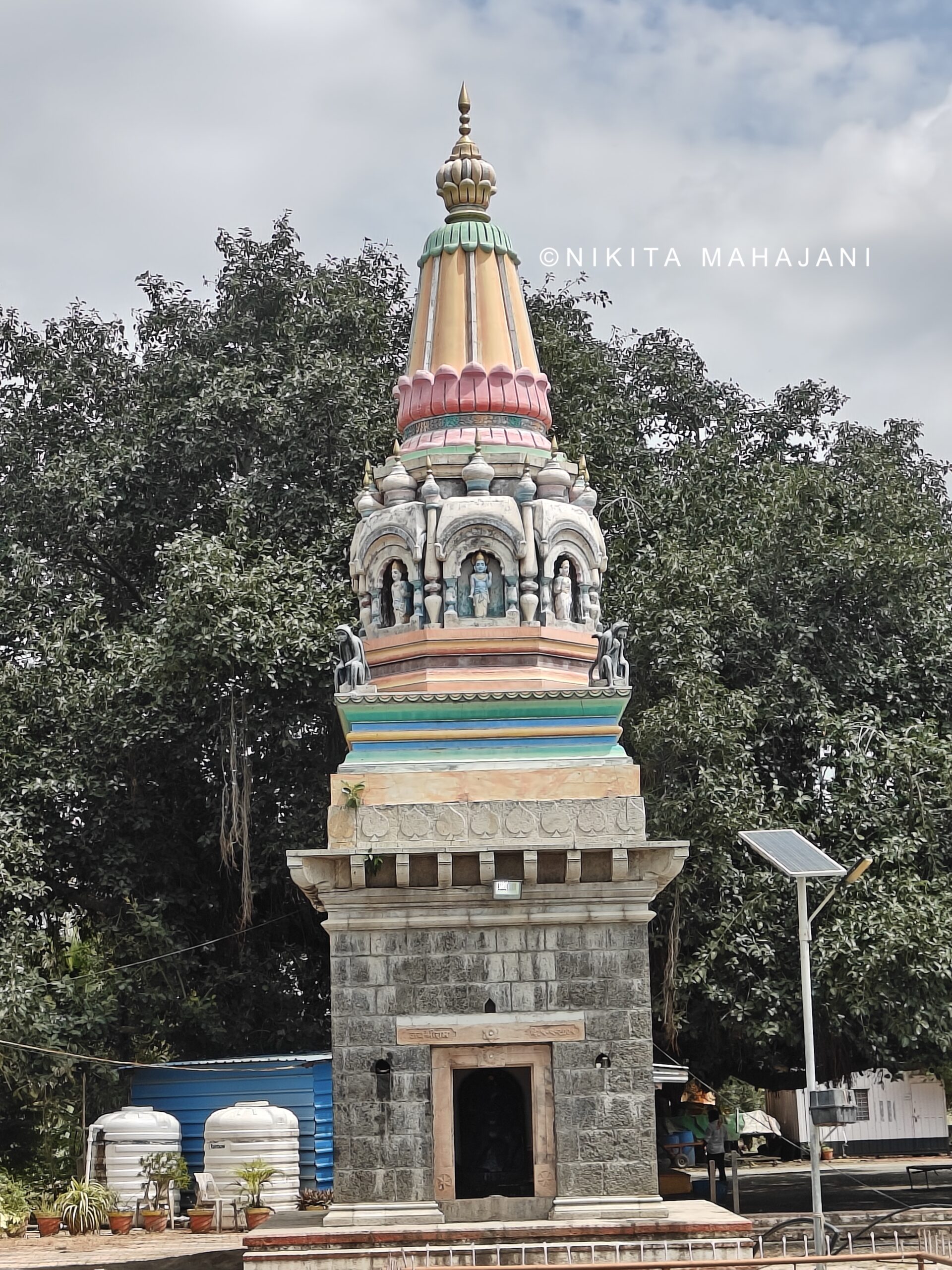
There are some Naagshilas lying around the temple. There is a single room temple with a Maratha type shikhar located in the same premises.
Shree Harihareshwar Mandir, Kudal Hattarsang.
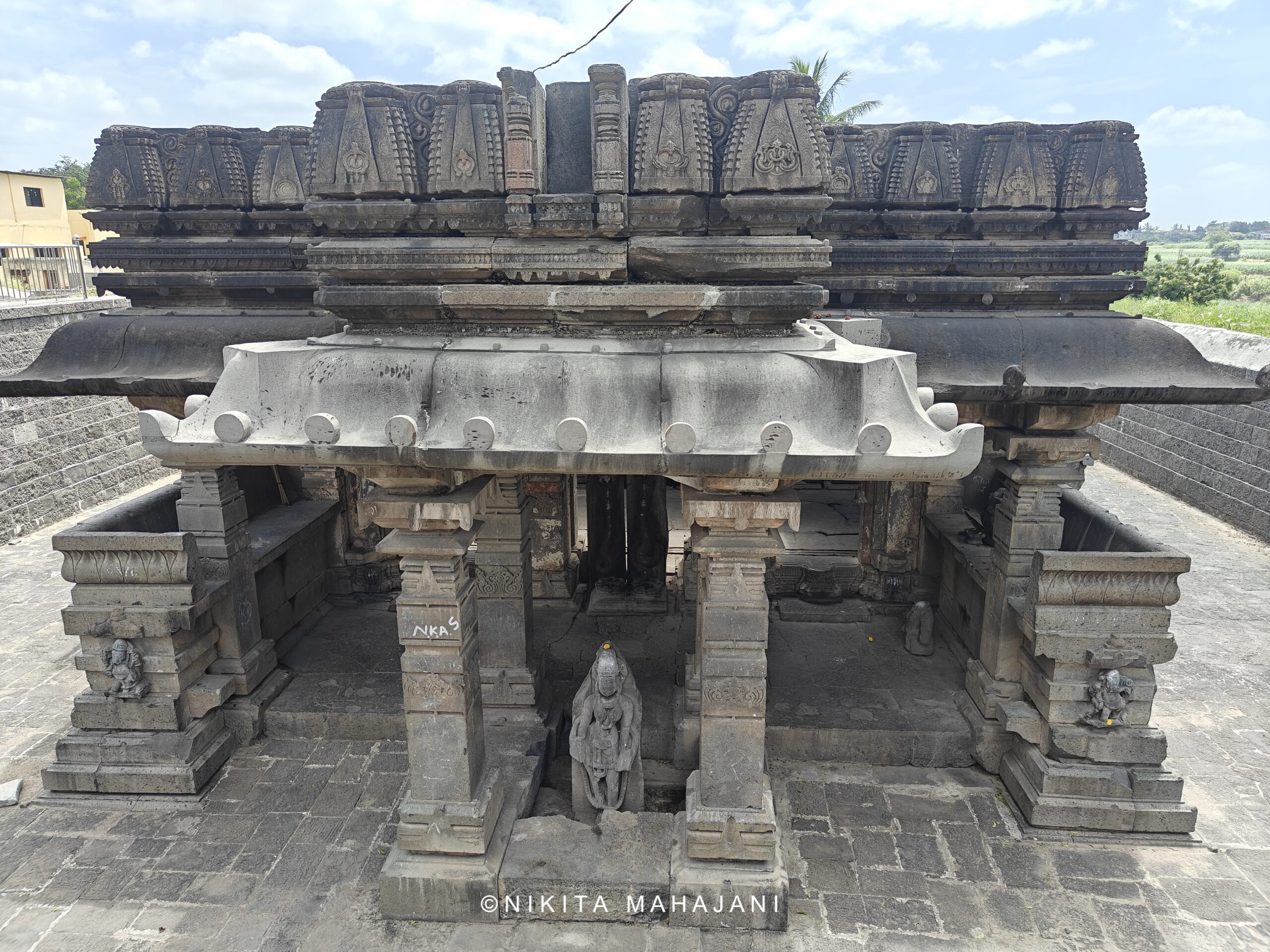
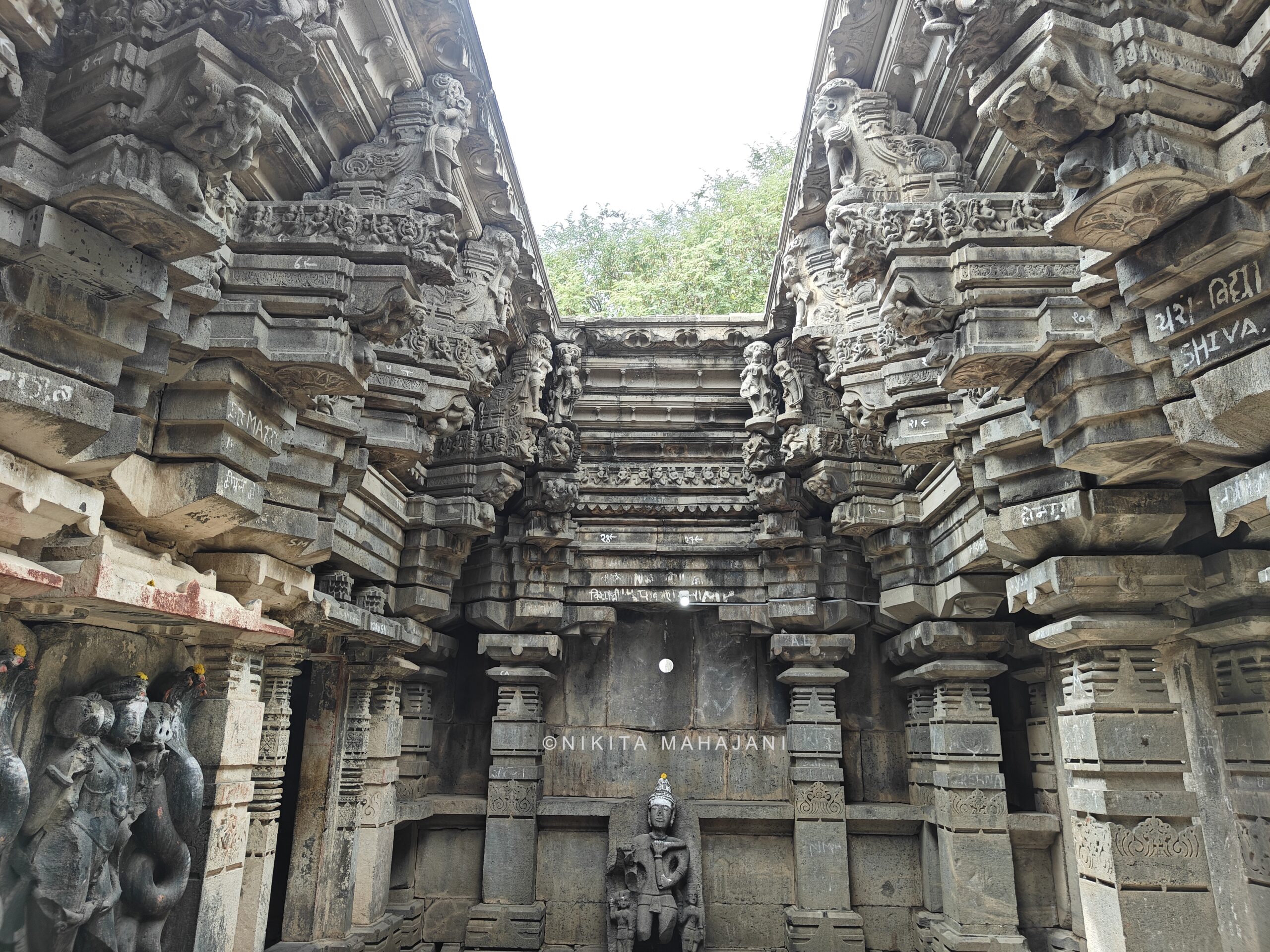
Until before 1995 CE, this temple lay buried beneath the earth. Prof. Gajanan Bhide of Dayanand College, Solapur, with the support of local villagers, undertook excavations that revealed the Harihareshwar Temple once again. Celebrated for its distinctive architecture and refined sculpture, the temple visually embodies a rare and harmonious fusion of the Shaiva and Vaishnava traditions through its carvings.
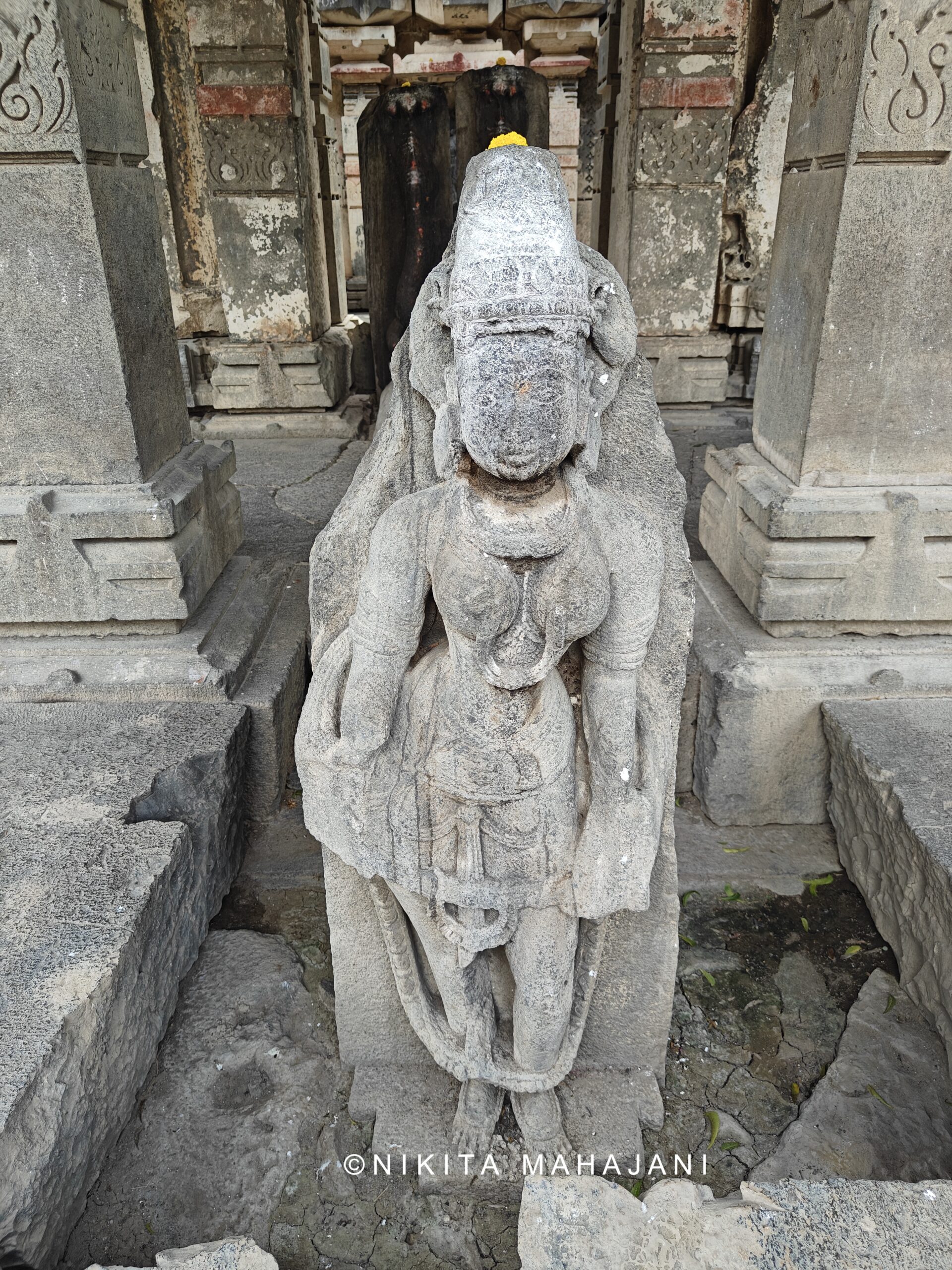
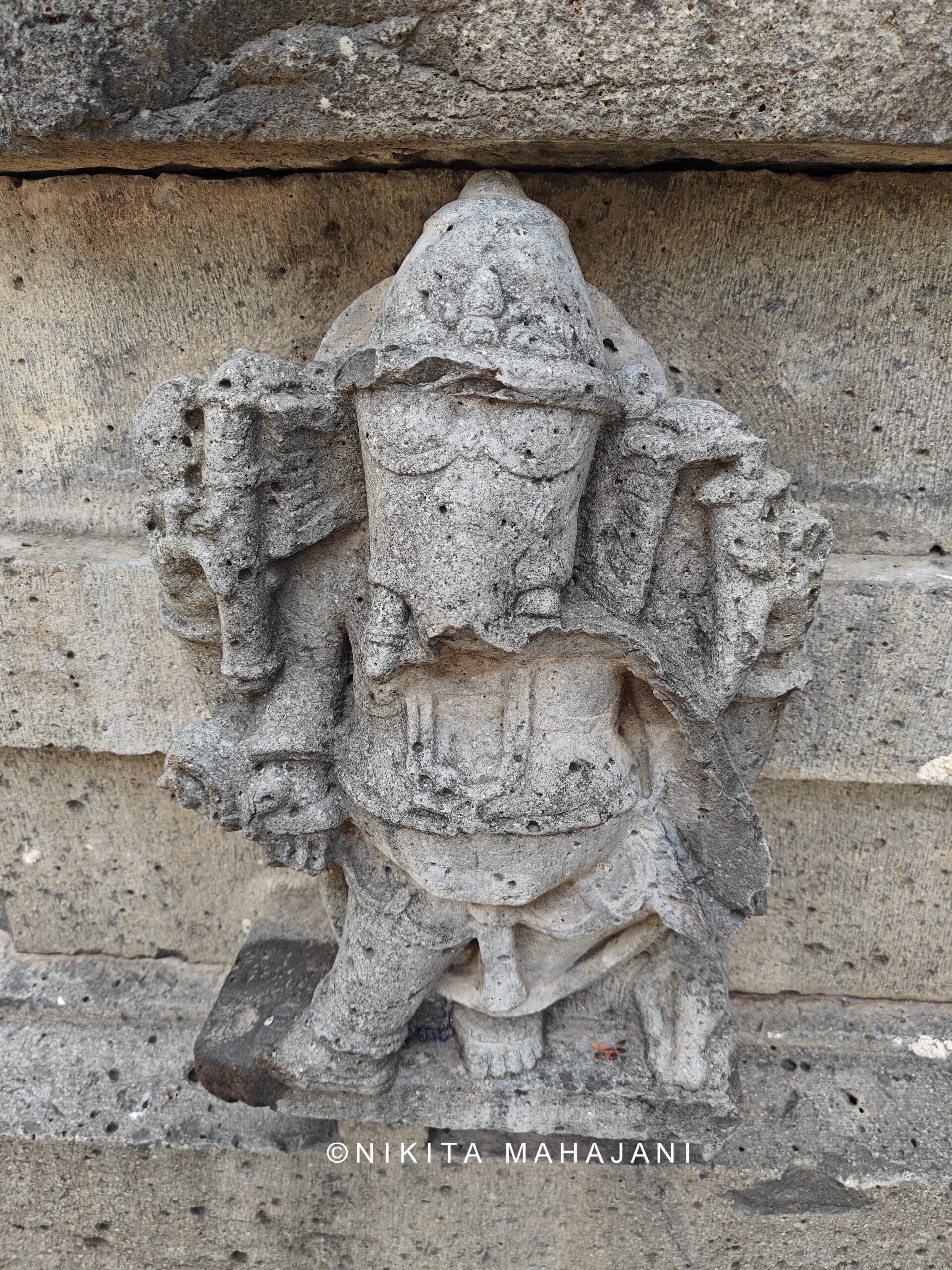
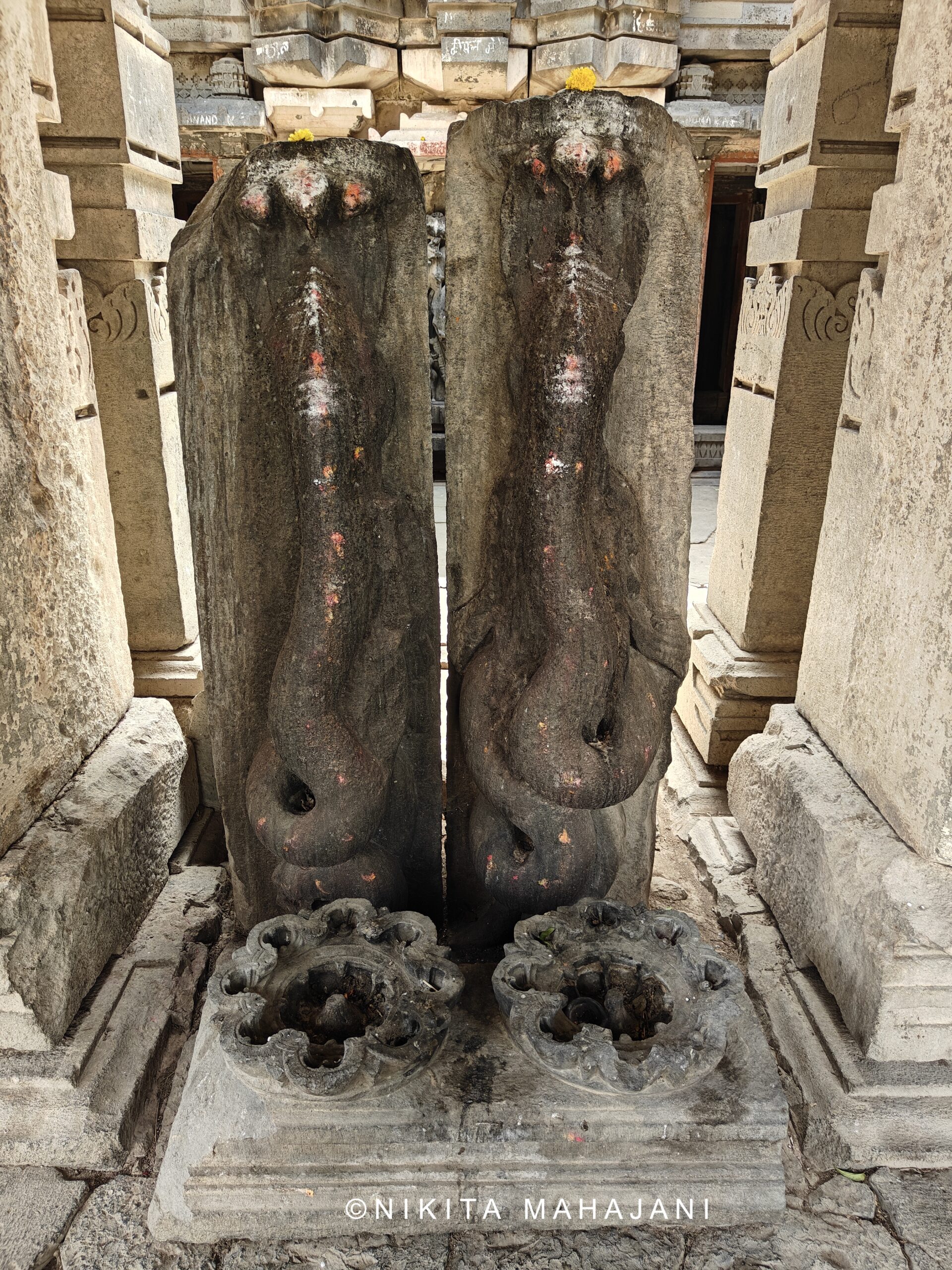
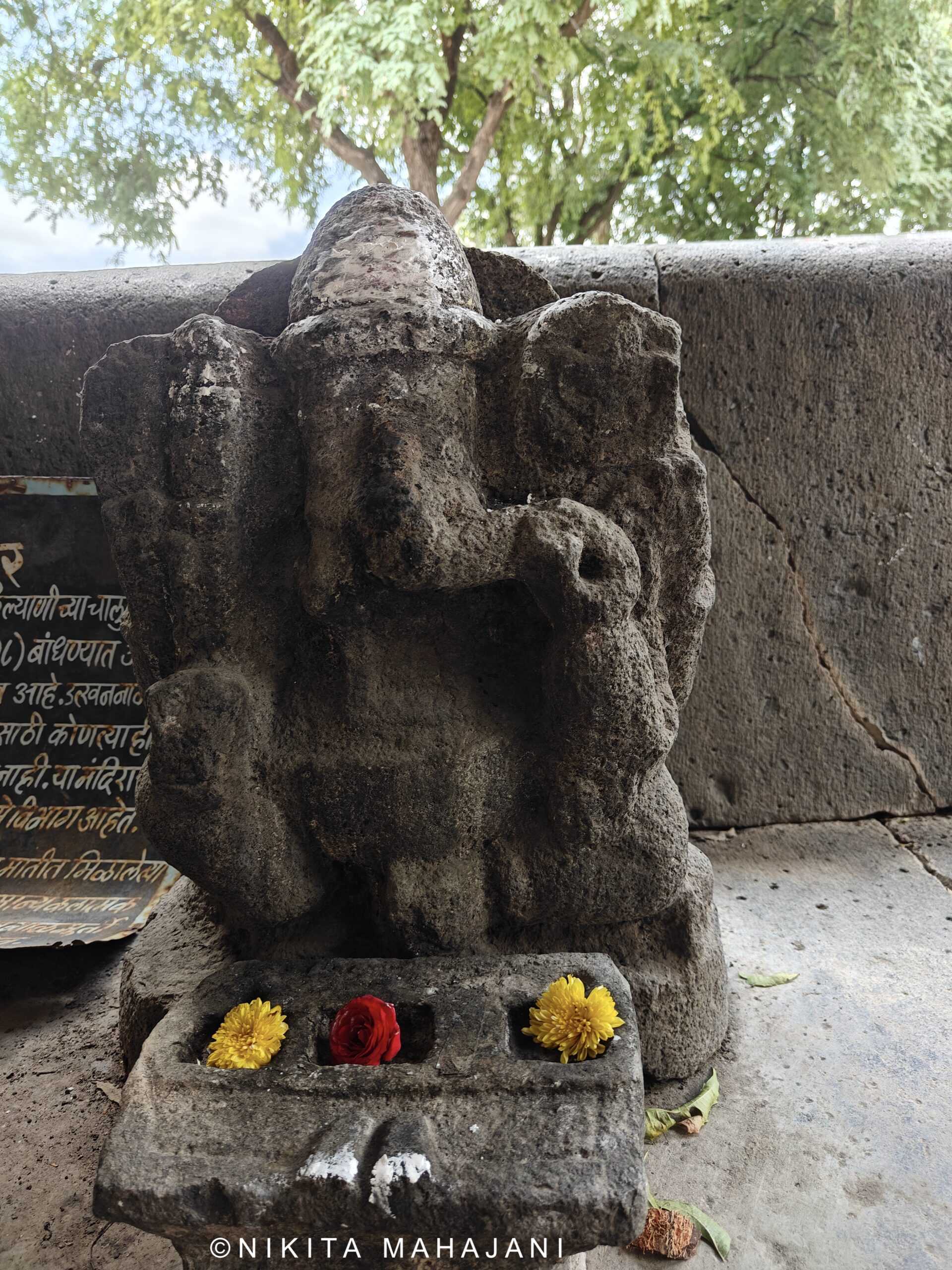
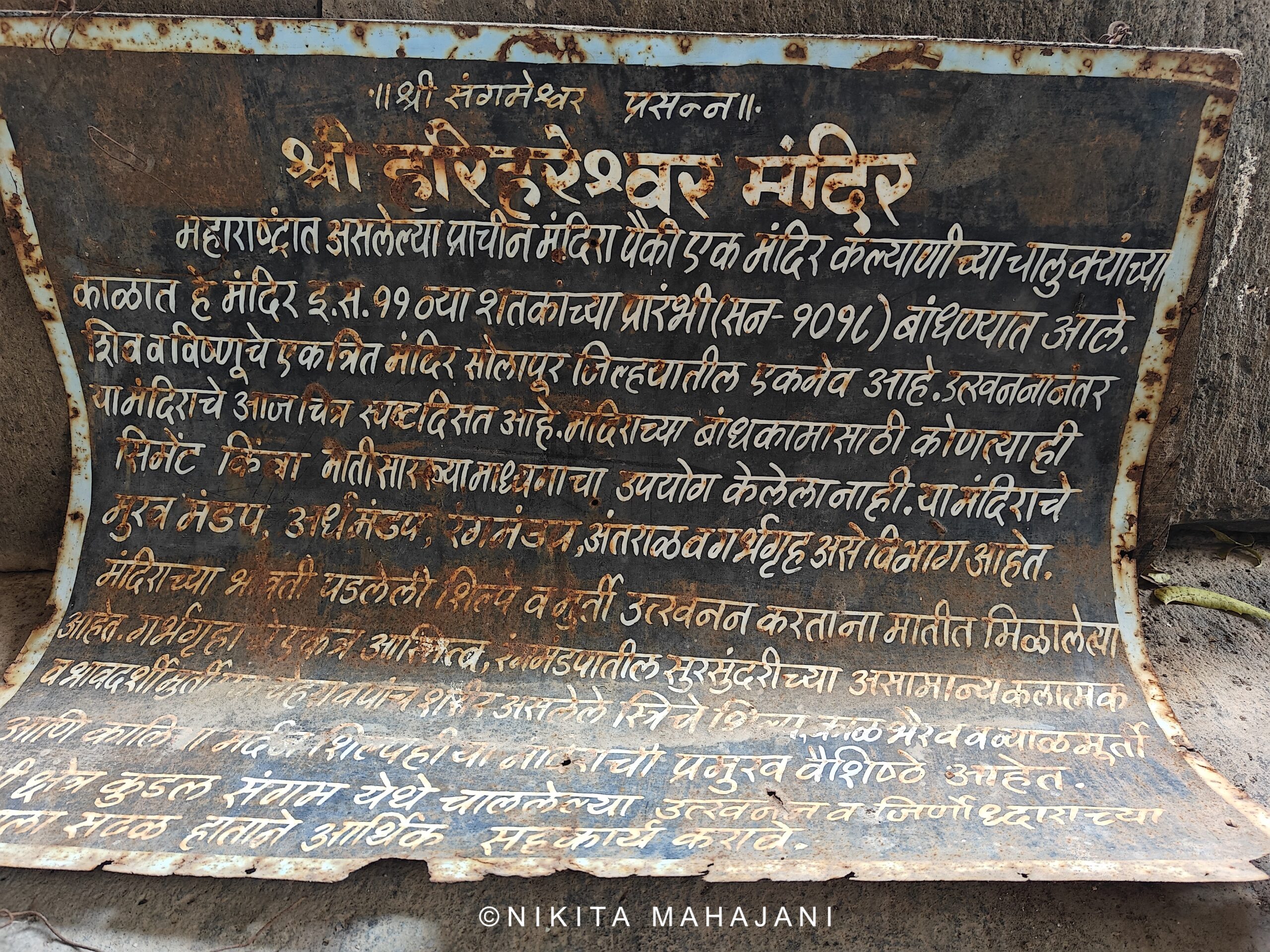
The temple follows a plan comprising two garbhagrihas (sanctums), an antarala, a swarga mandapa, and a mukhamandapa. The left sanctum contains a Shivalinga, while the right sanctum enshrines Lord Krishna in his Murlidhar form. Positioned between the two sanctums, the antarala houses an image of Lord Ganesha set within a devakoshta (niche).
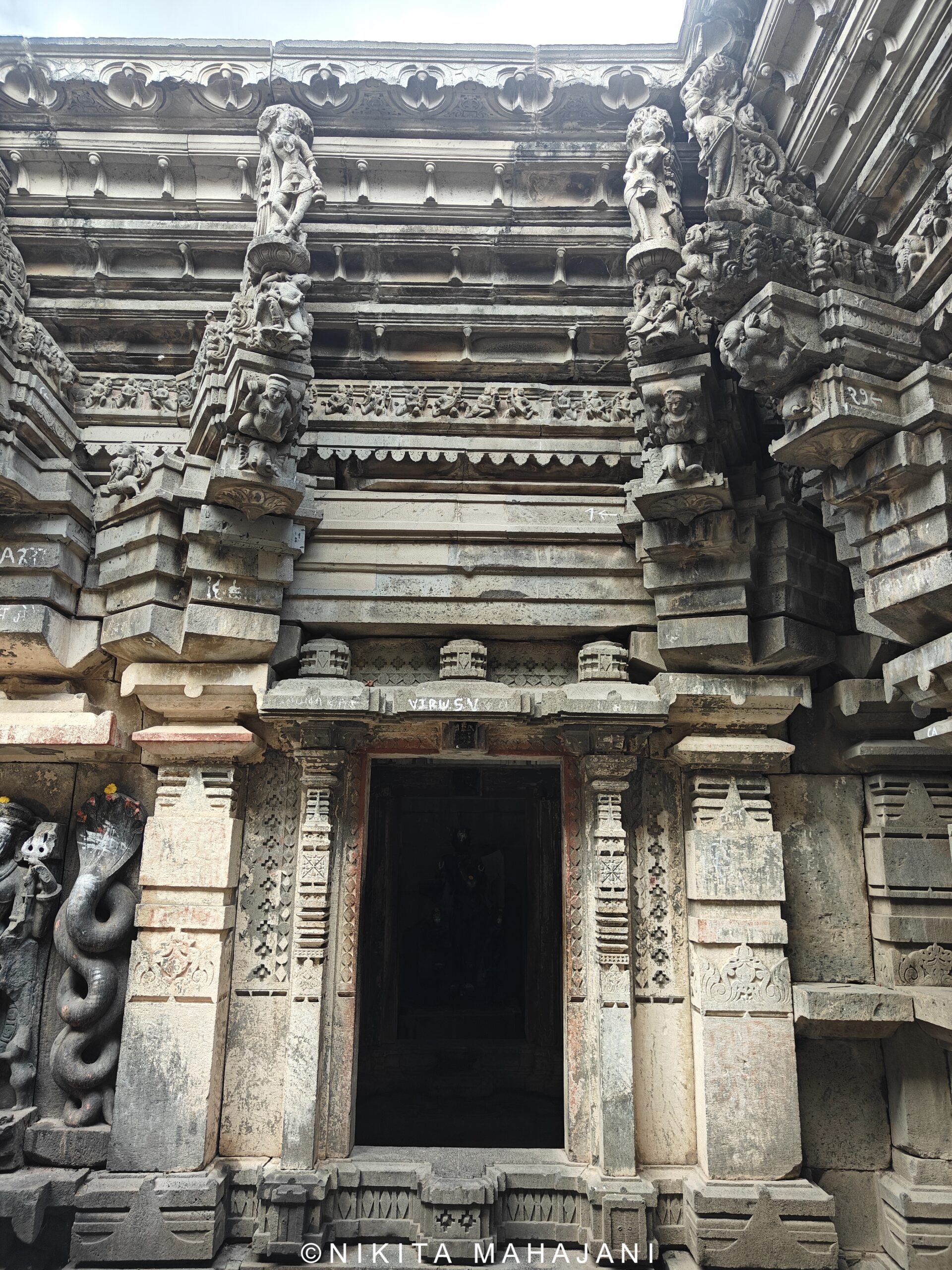
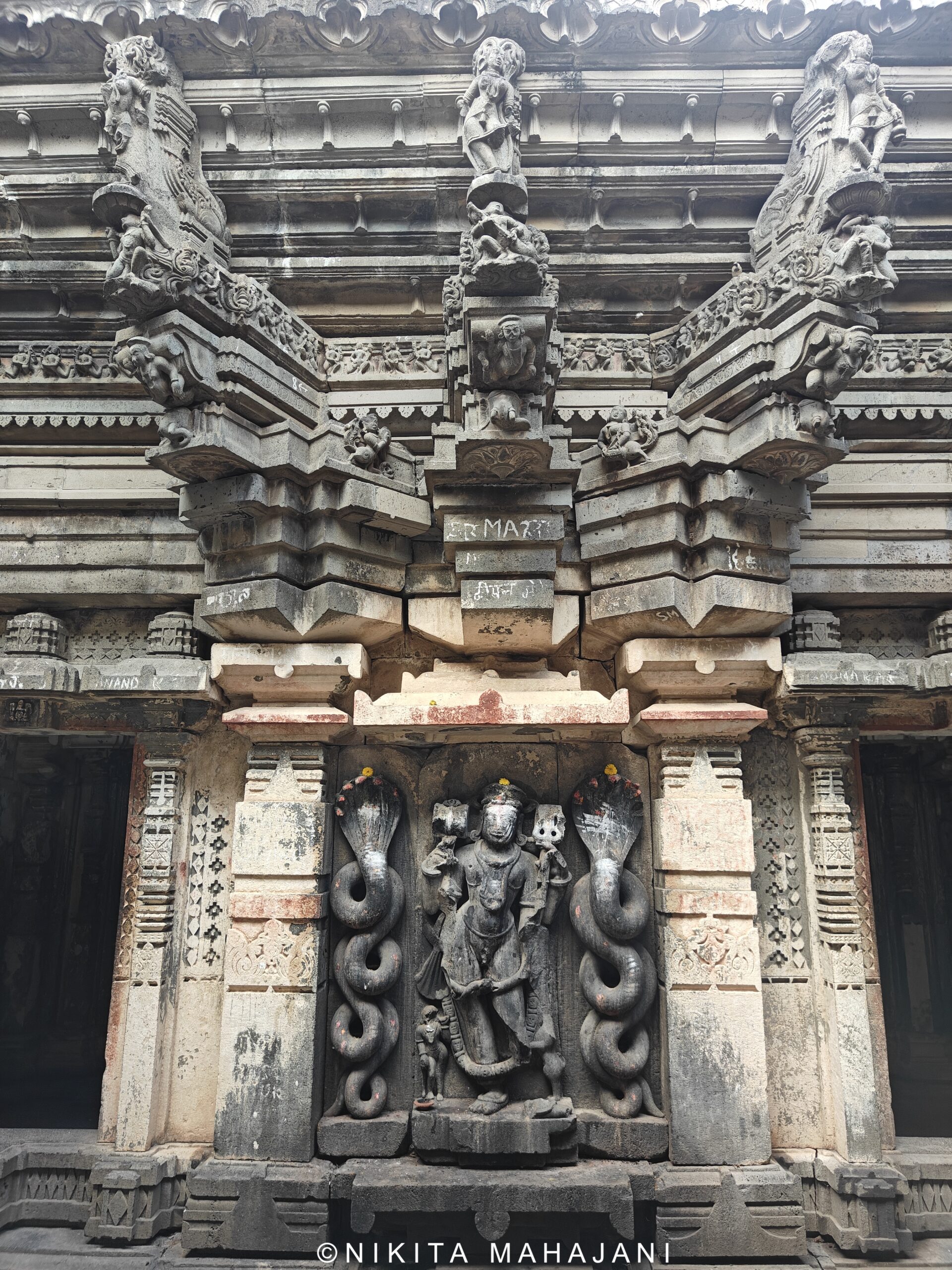
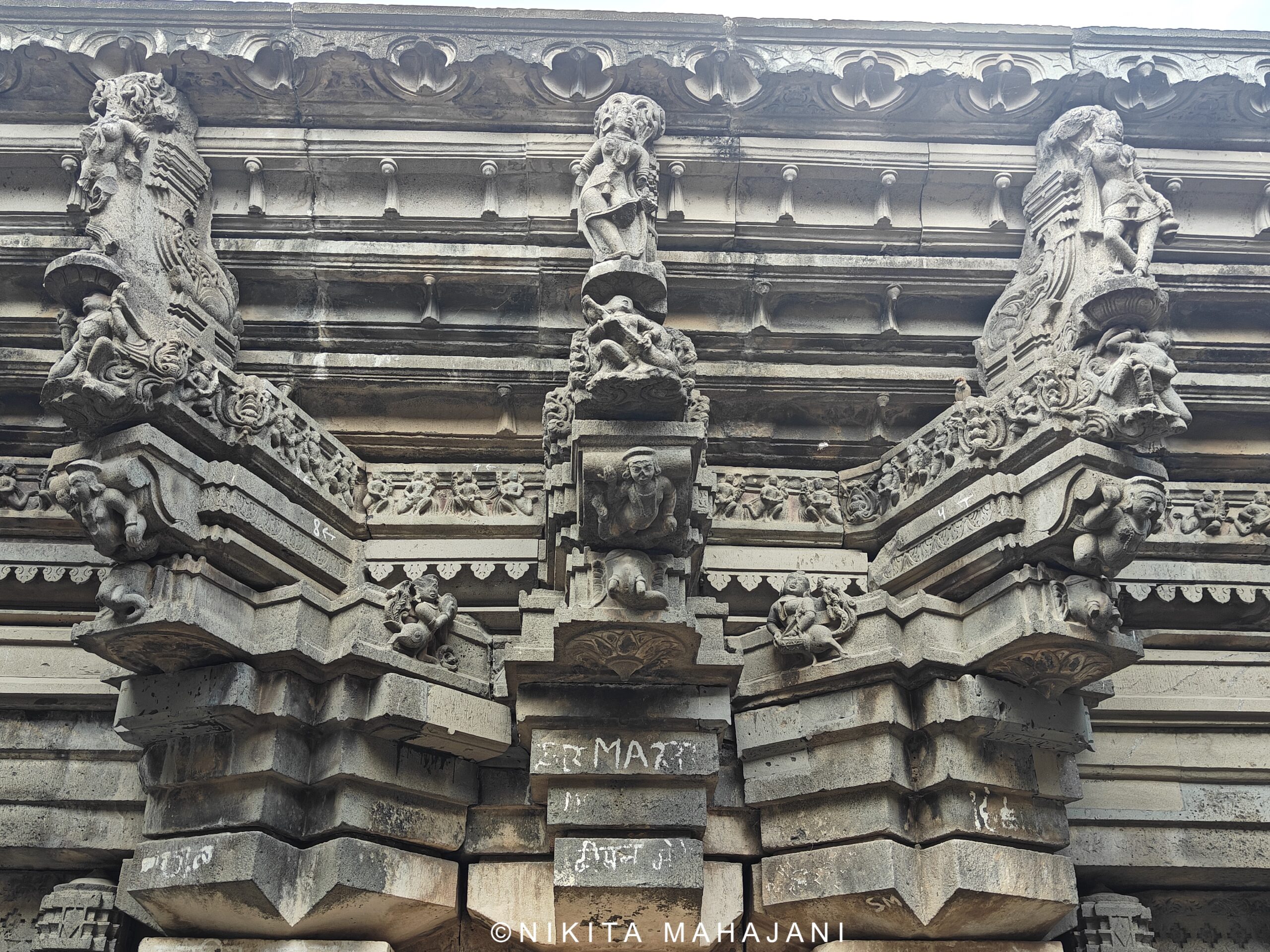
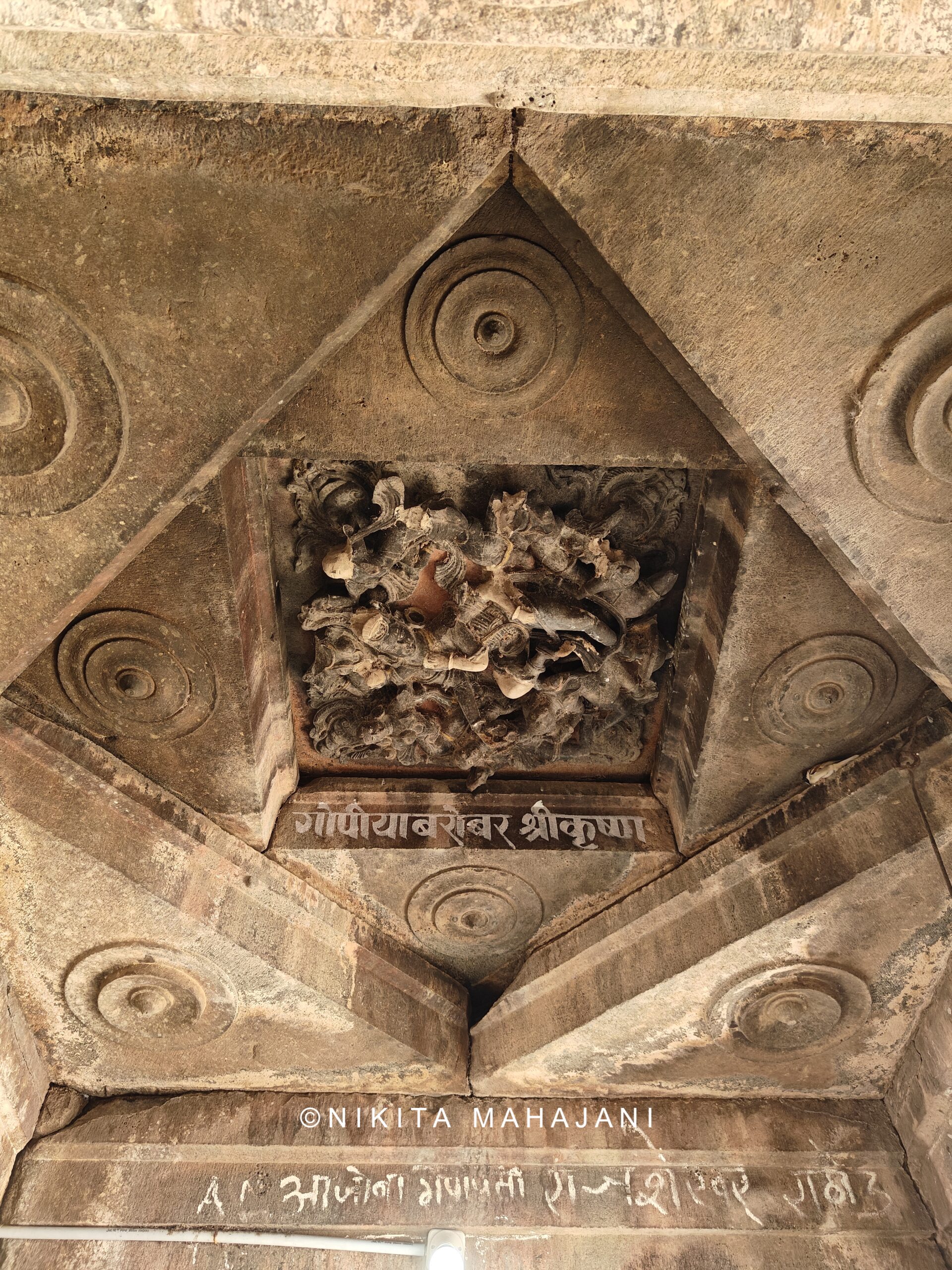
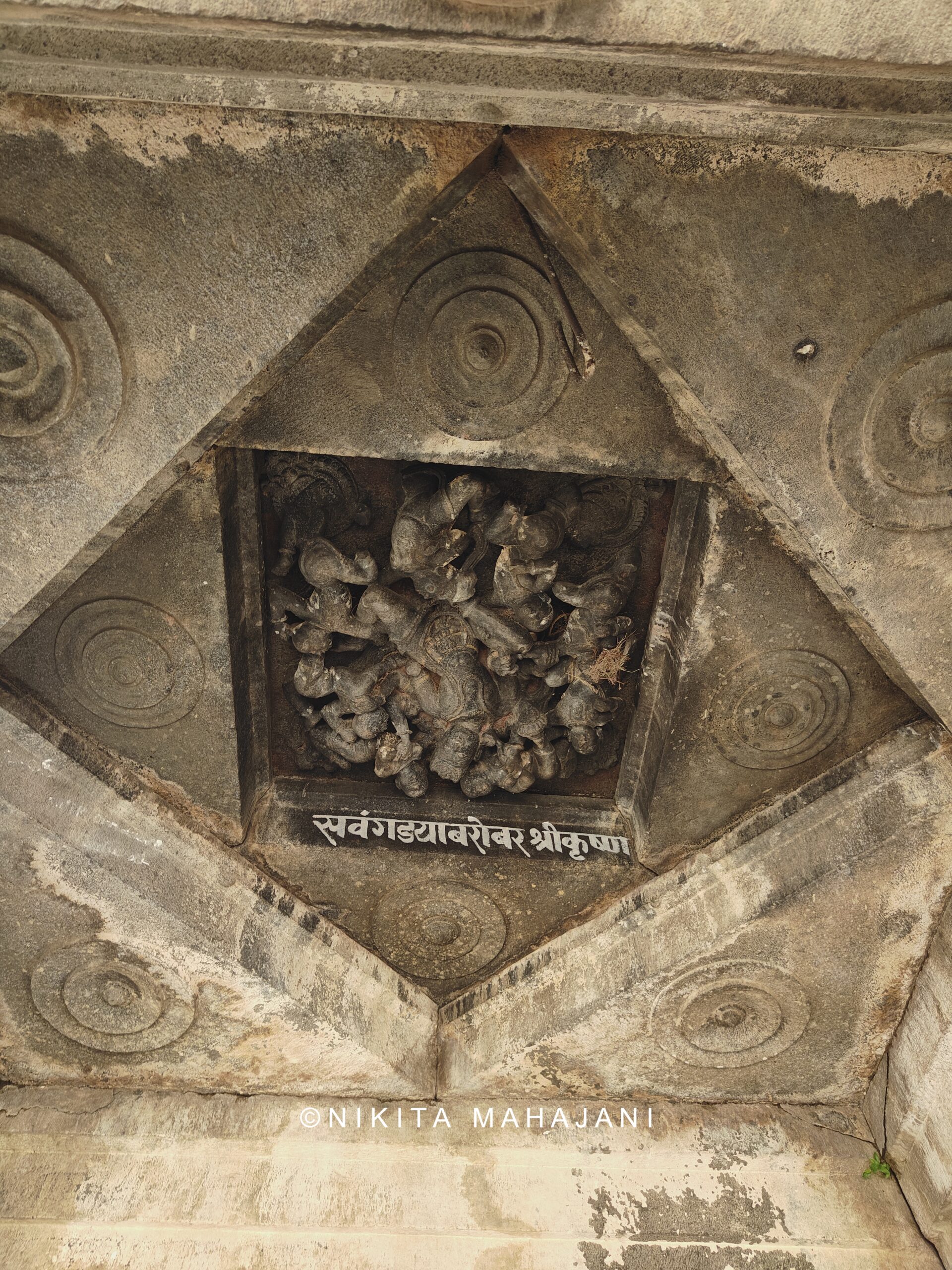
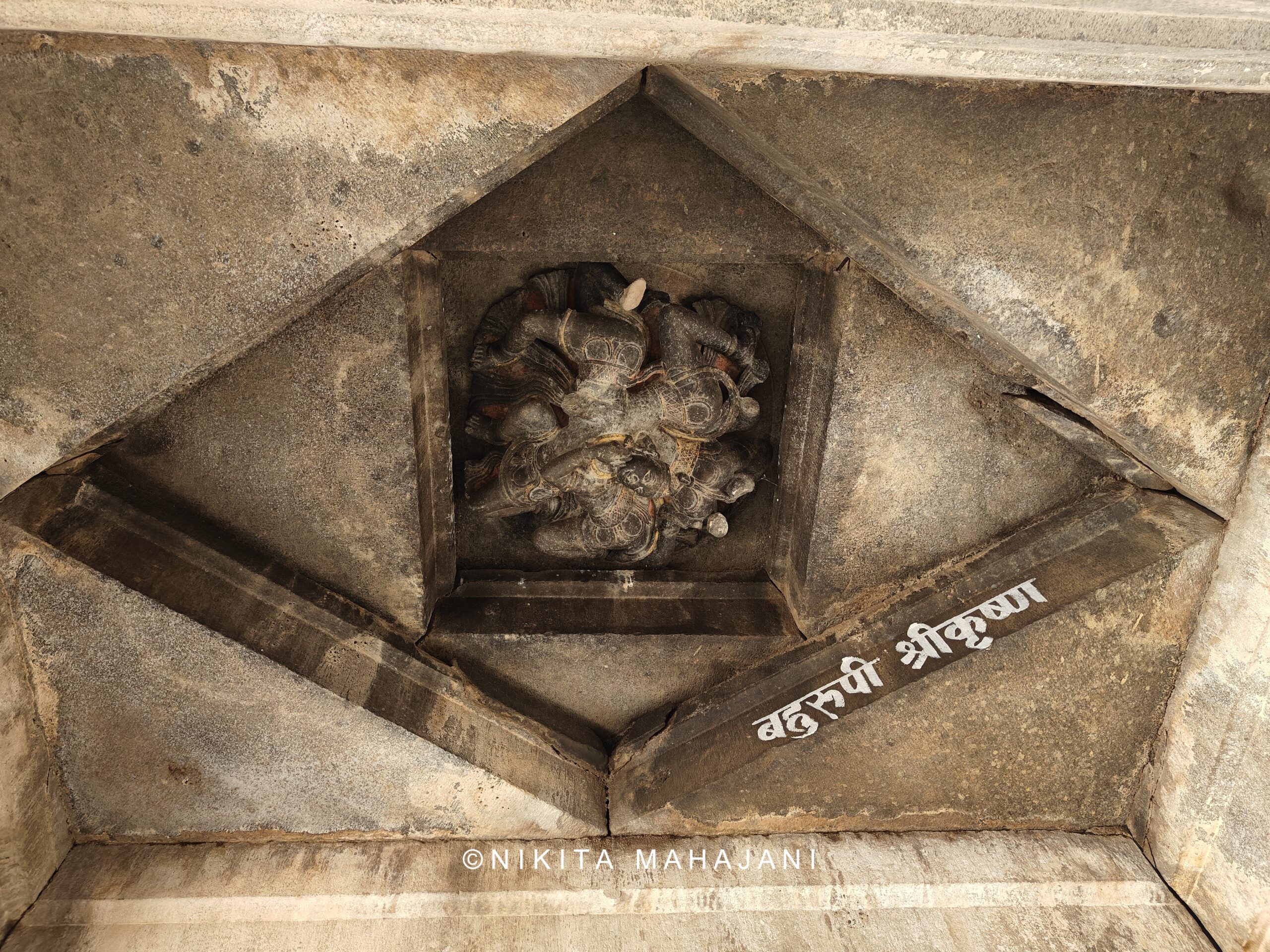
The ceiling of the swarga mandapa is richly embellished with striking sculptures depicting celestial maidens, Gandharvas, Kinnaras, Yakshas, Vidyadharas, load-bearers, along with a variety of animals and birds. Within the swarga mandapa also stands an imposing and magnificent image of Lord Shiva in his formidable Kalabhairavanath form.
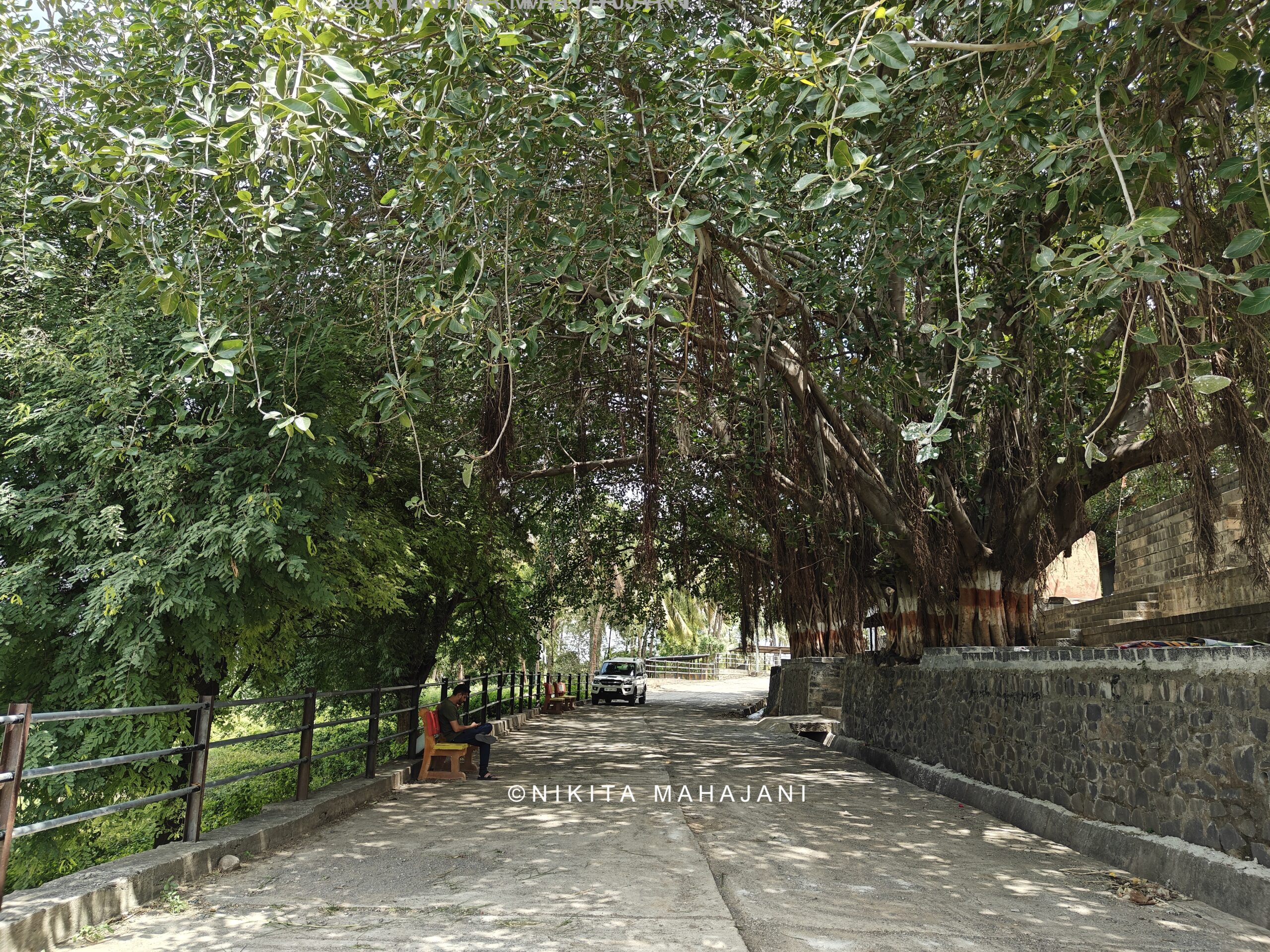
To the left side of the upper temple, there is a road under the canopy of banyan trees which leads the river.
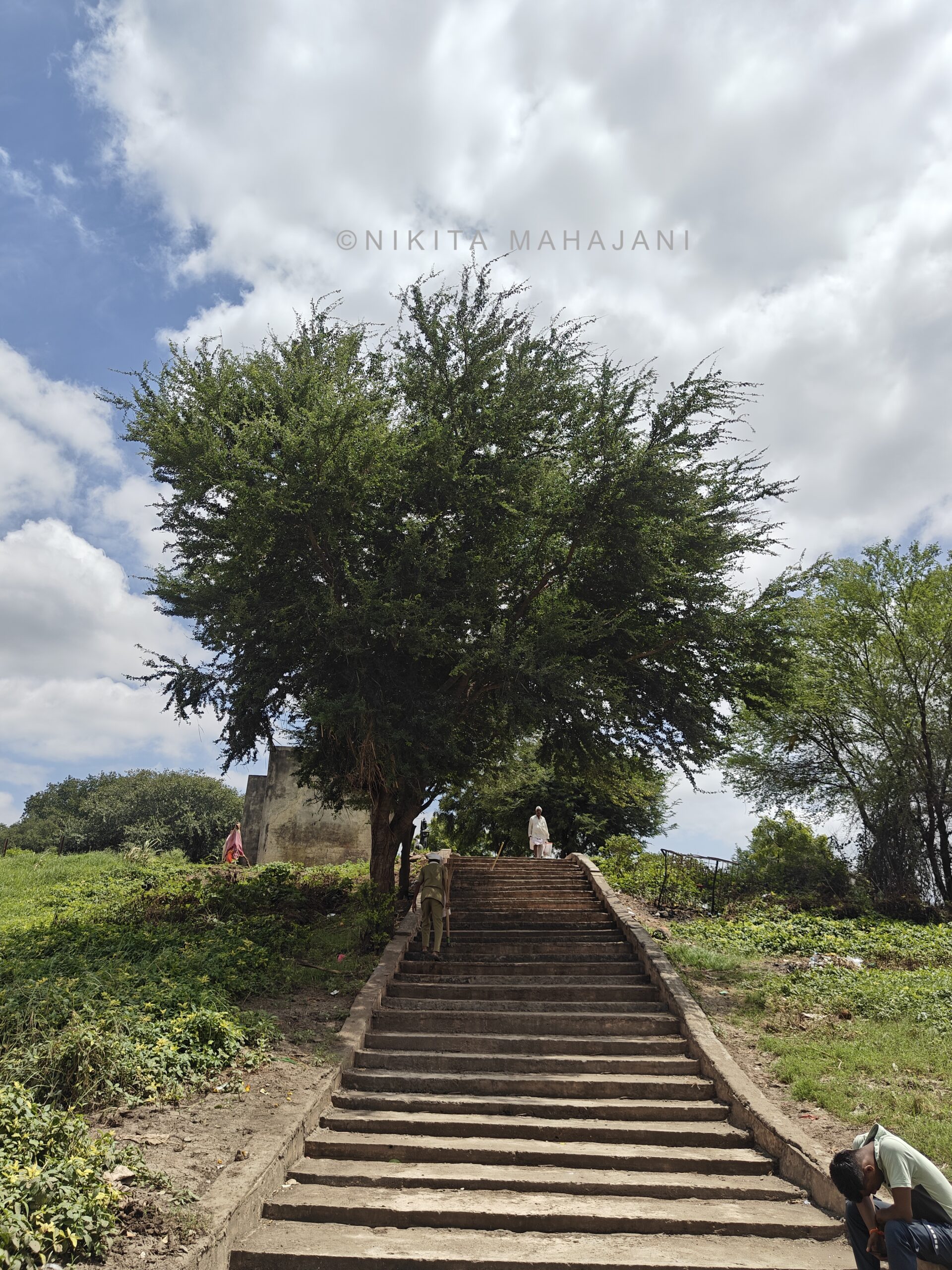
The flight of steps (shown below) leads to the river.
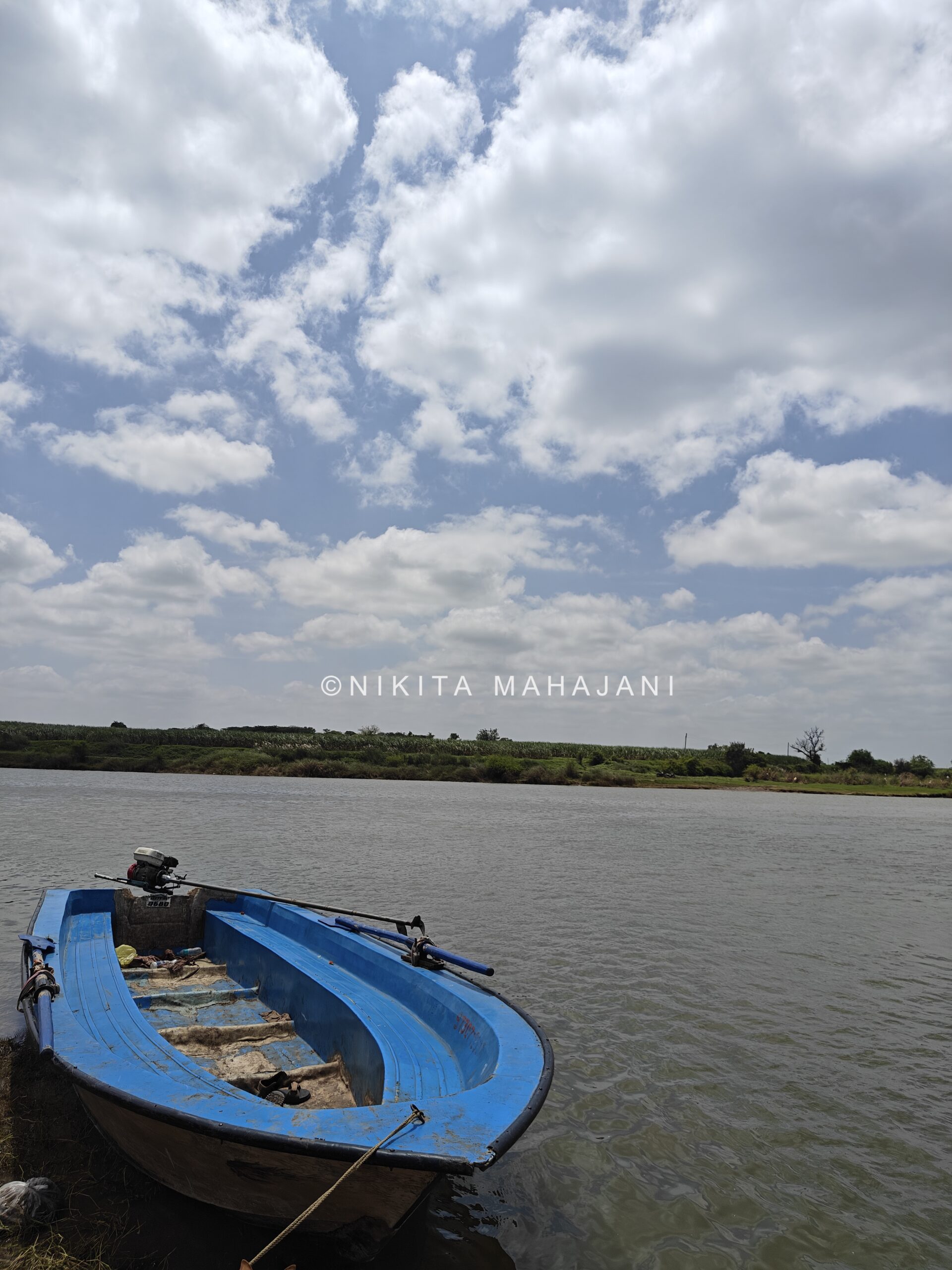
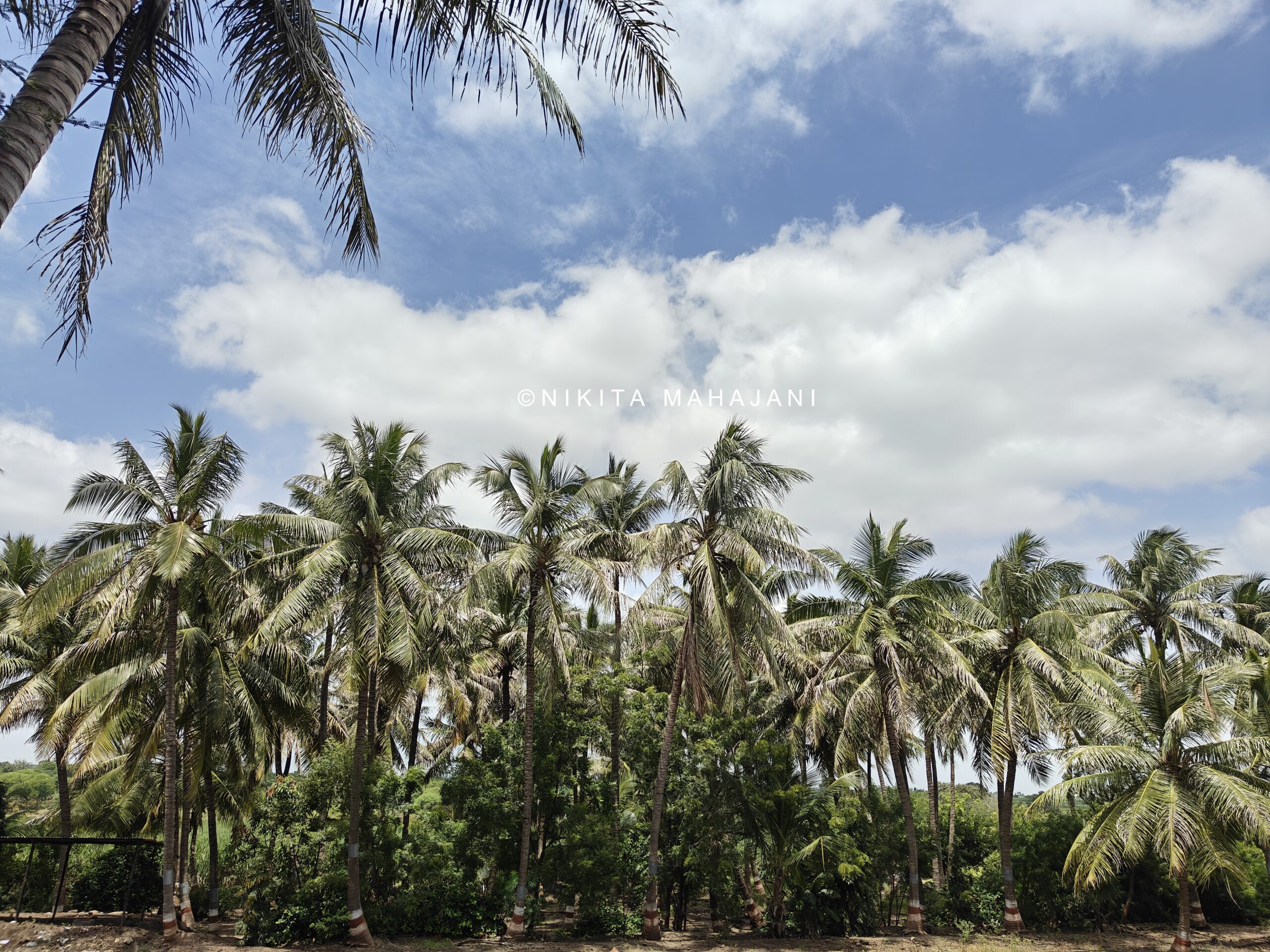
The weather had become extremely hot. So enjoyed sipping chilled sugarcane juice at the shacks near the parking. We went back to the Hotel Center Point for lunch. Post lunch, we travelled to Naldurg Fort which is an hour away from Solapur by car.
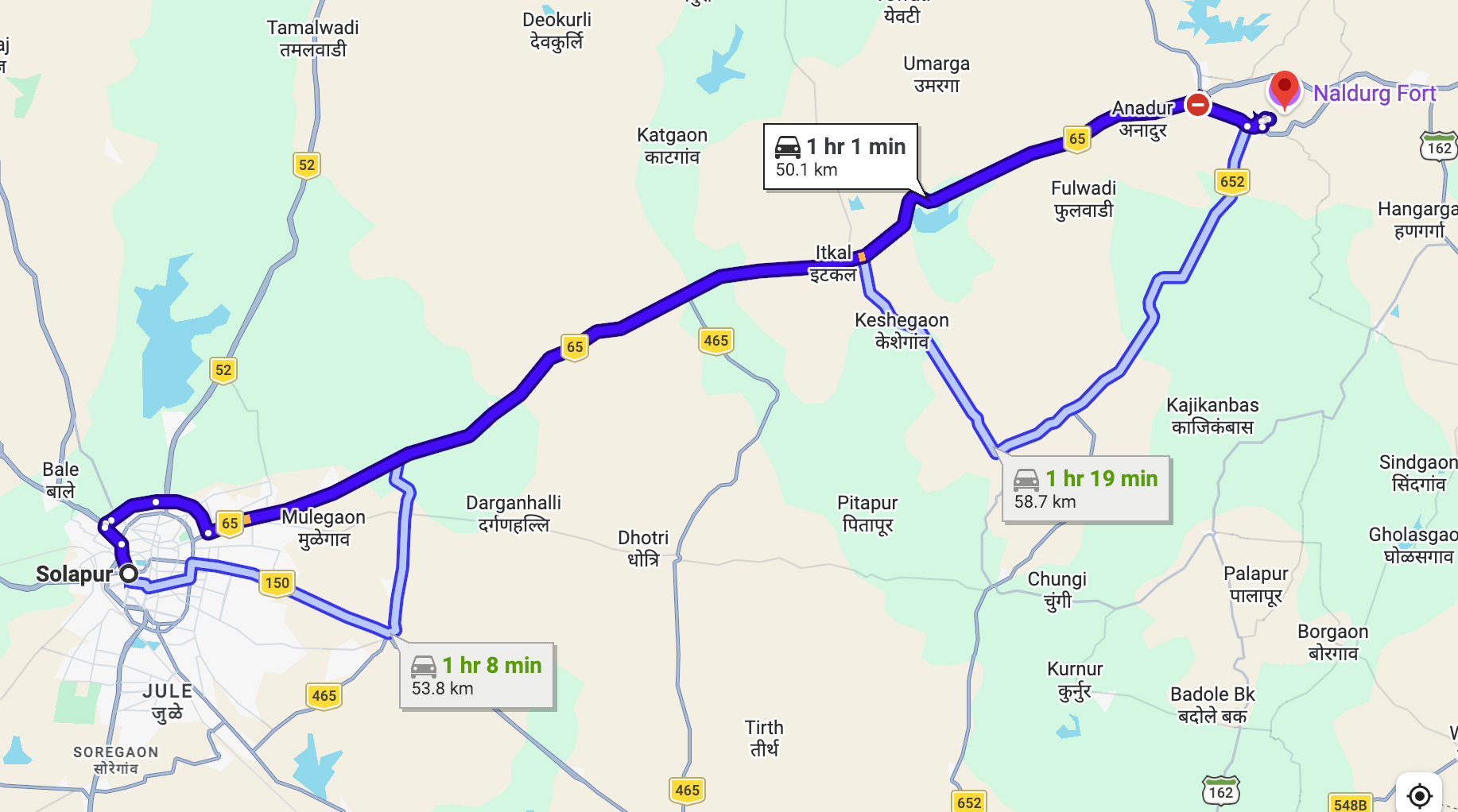
Naldurg Fort
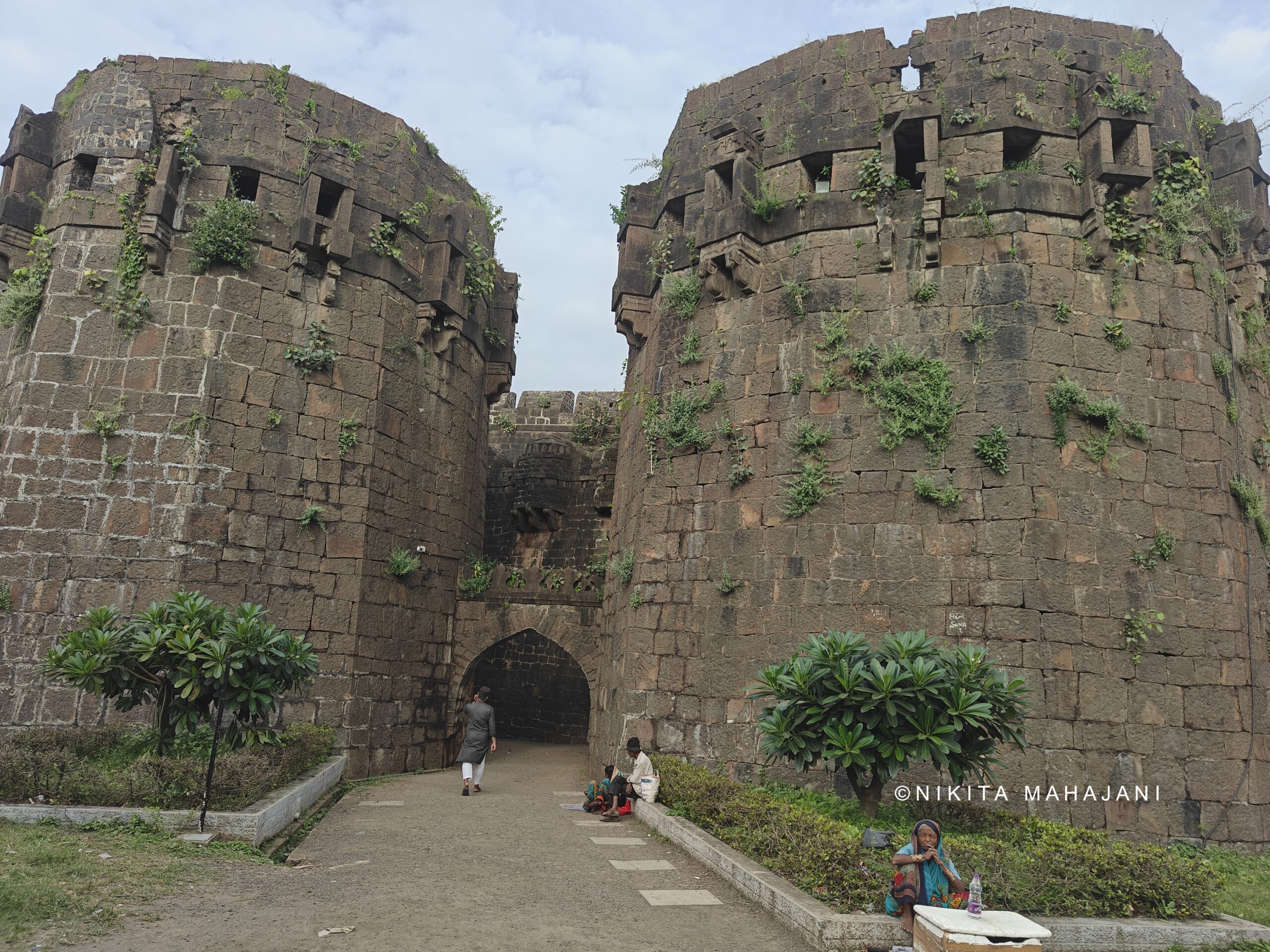
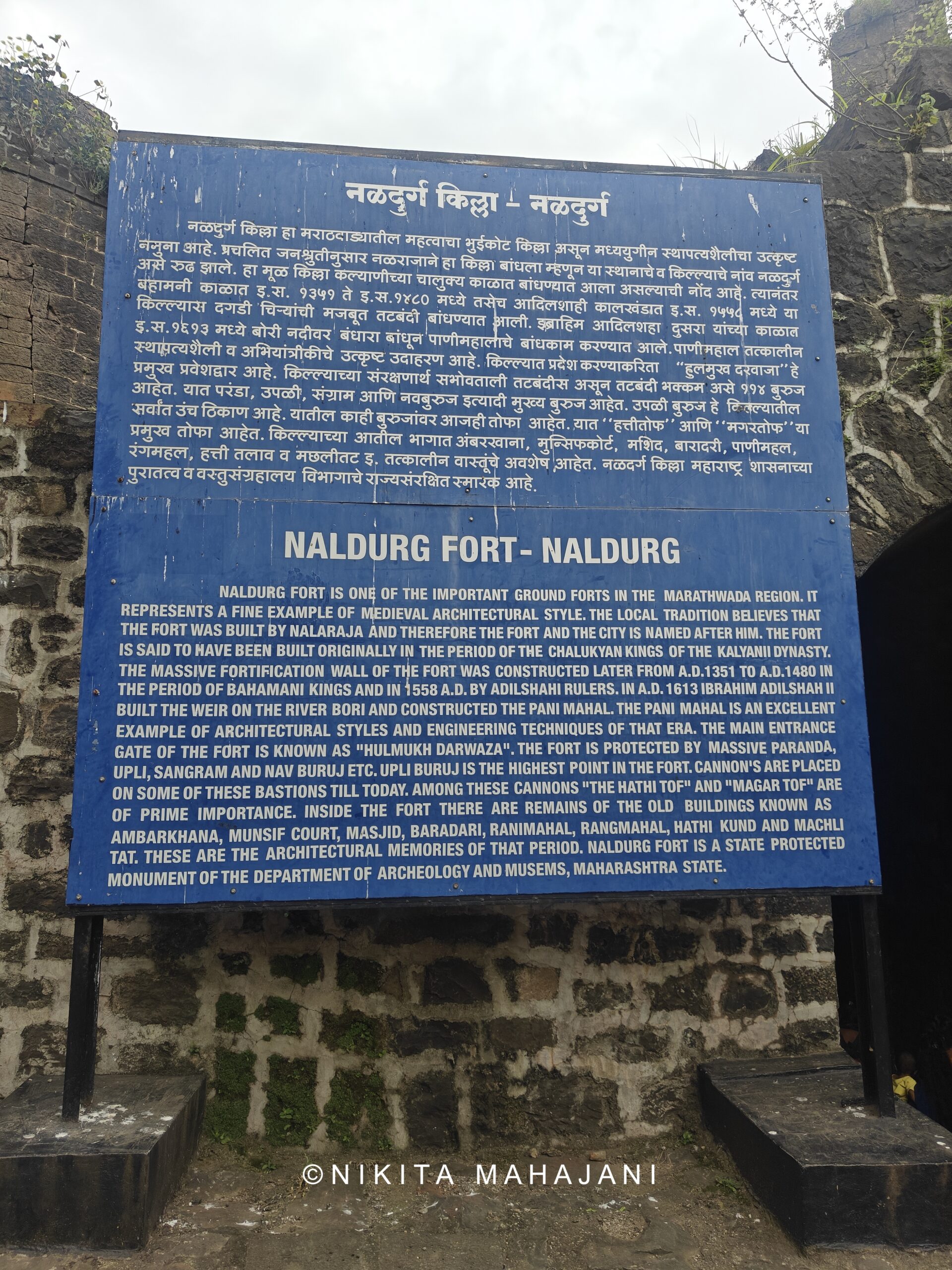
Naldurg Fort is one of the important ground forts in the Marathwada region. It represents a fine example of medieval architectural style. Local tradition believes that the fort was built by Nalaraja, and therefore the fort and the city are named after him. The fort is said to have been originally built during the period of the Chalukyan kings of the Kalyani dynasty.
The massive fortification walls of the fort were constructed later between A.D. 1351 and A.D. 1480 during the period of the Bahamani kings, and again in 1558 A.D. by the Adilshahi rulers. In A.D. 1613, Ibrahim Adilshah II built a weir on the River Bori and constructed the Pani Mahal. The Pani Mahal is an excellent example of the architectural styles and engineering techniques of that era.
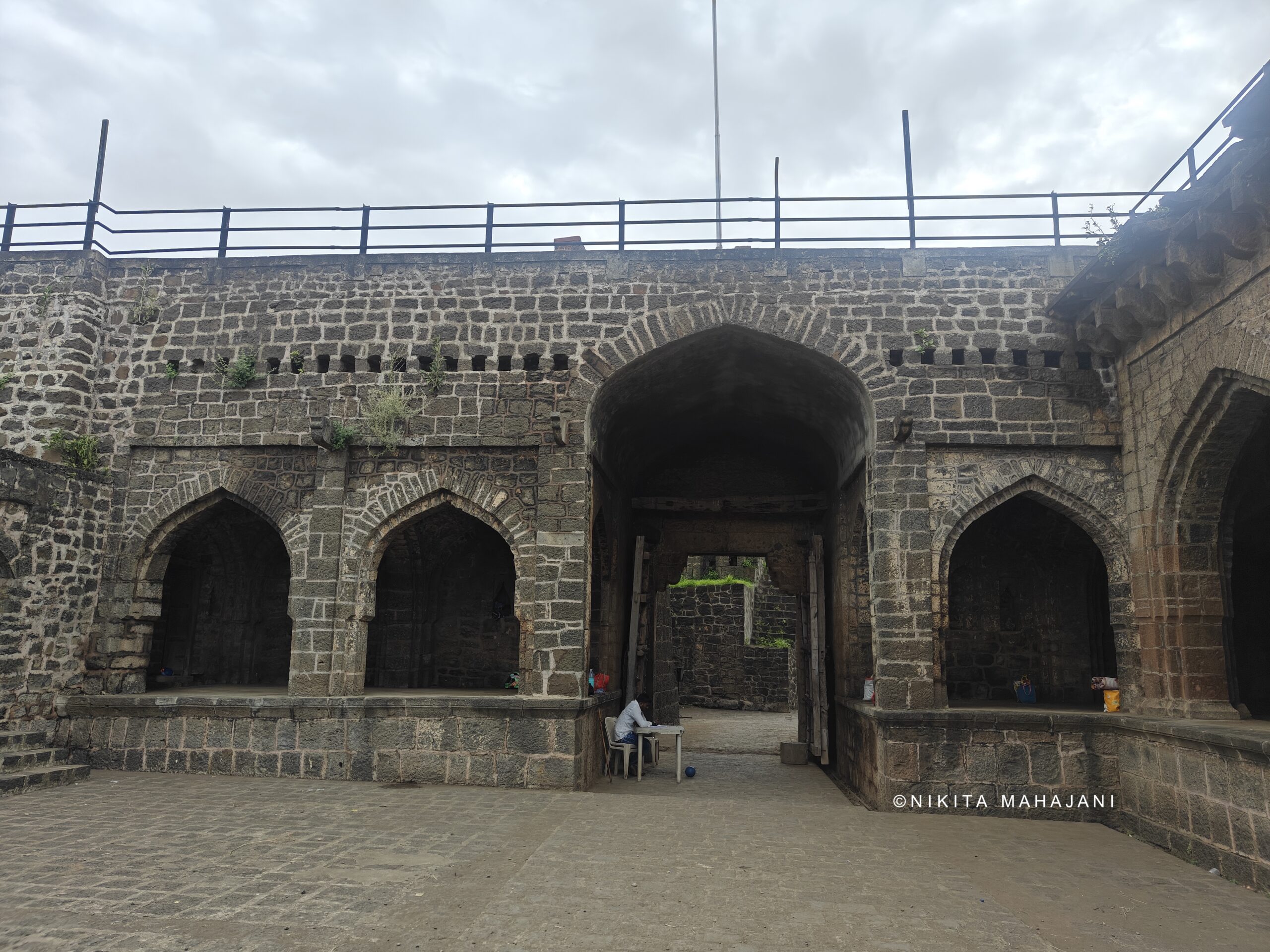
The main entrance gate of the fort is known as “Hulmukh Darwaza.” The fort is protected by massive bastions such as Paranda, Upli, Sangram, and Nav Buruj, among others. Upli Buruj is the highest point in the fort. Cannons are still placed on some of these bastions today. Among these cannons, “Hathi Tof” and “Magar Tof” are of prime importance.
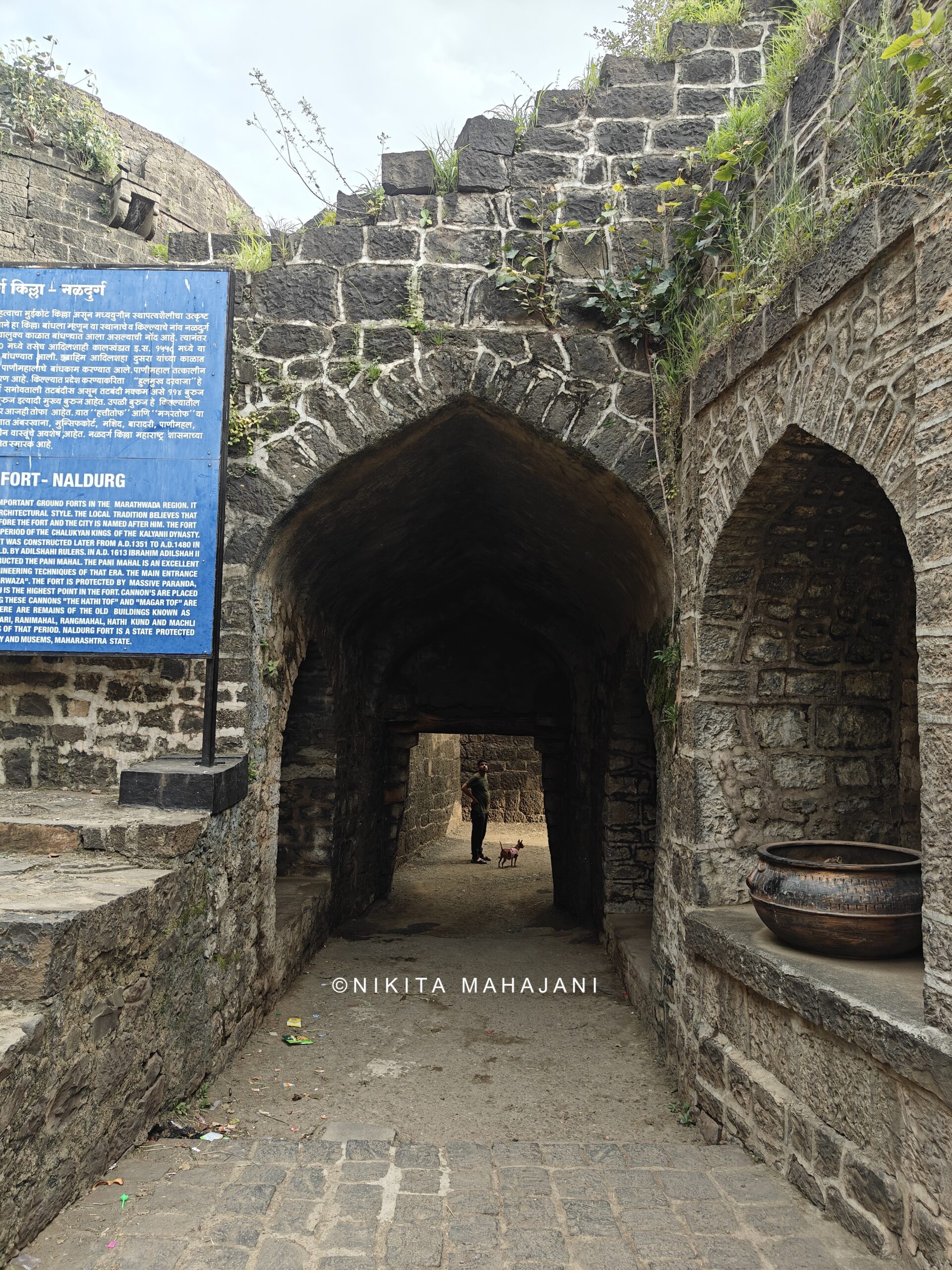
The present form of Naldurg Fort was largely developed during the reign of Adil Shah. For defense, the fort is surrounded by a massive moat and strengthened by a double inner wall. On the adjoining plateau, a fortified outwork functions as a battlement. The moat separating Ranmandal and Naldurg was deepened and filled with water by obstructing and diverting the flow of the Bori River. A dam-like wall was constructed between Ranmandal and Naldurg to retain this water, ensuring that the trench remains permanently filled and preventing enemy access from this side.
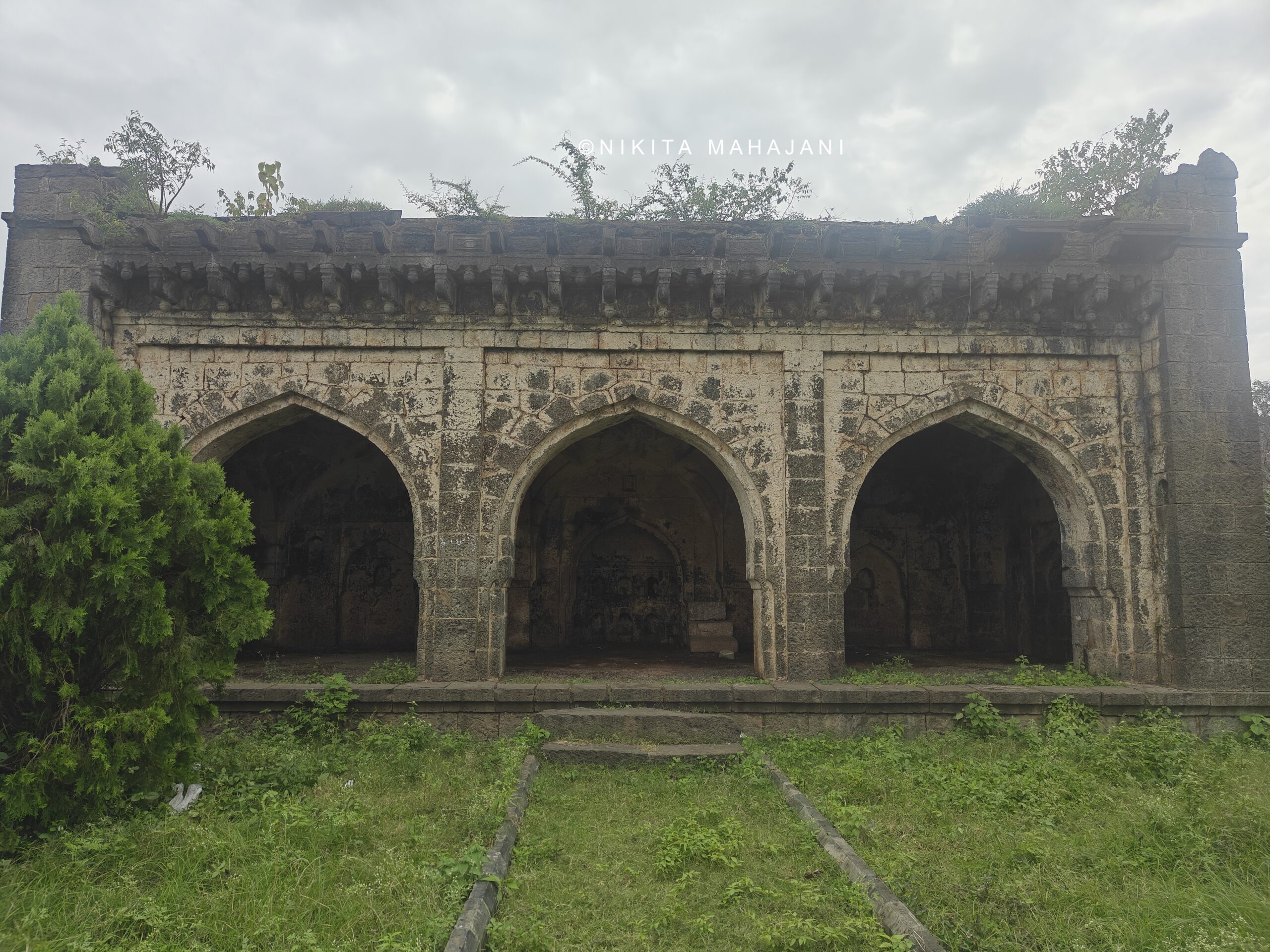
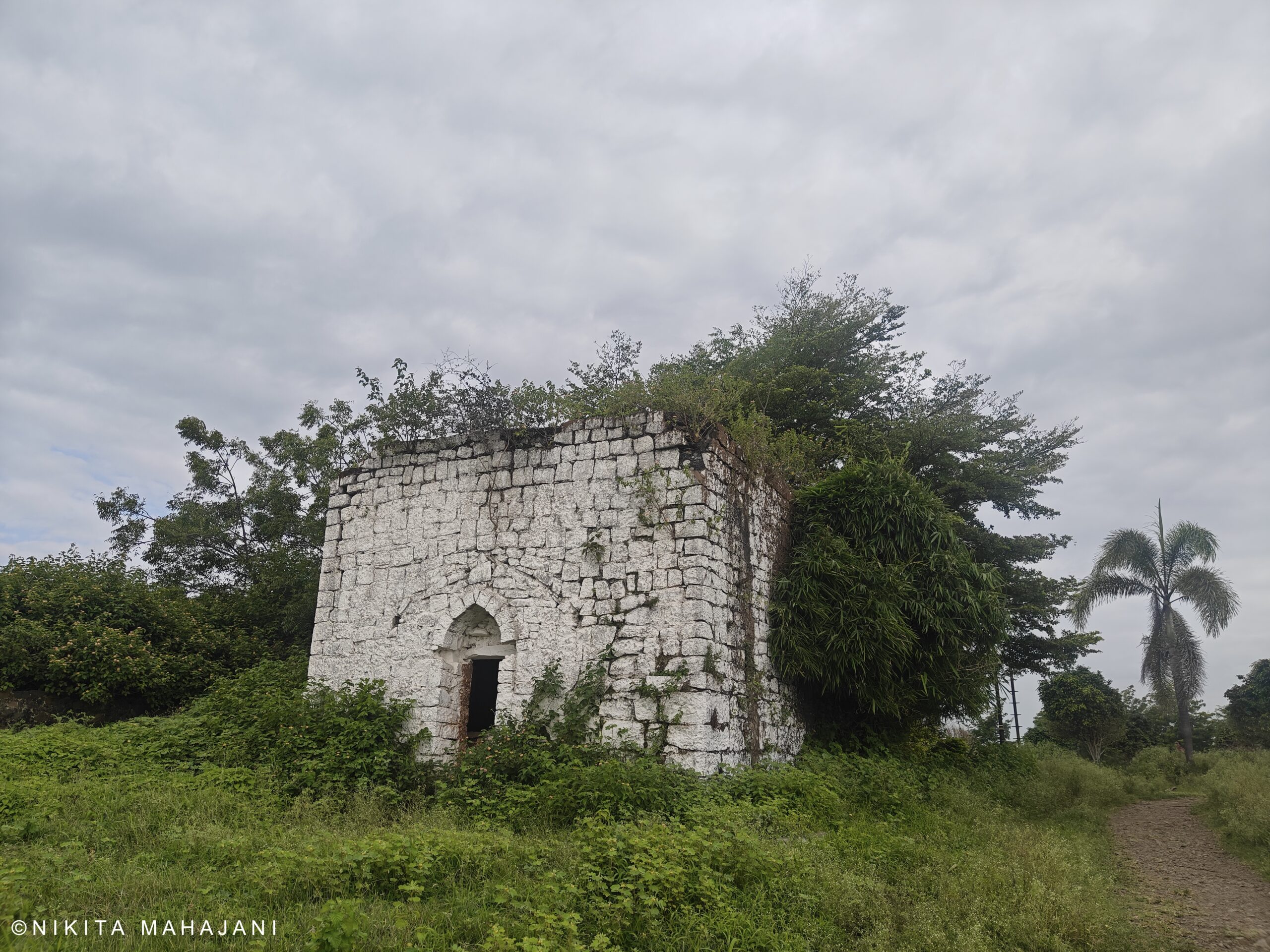
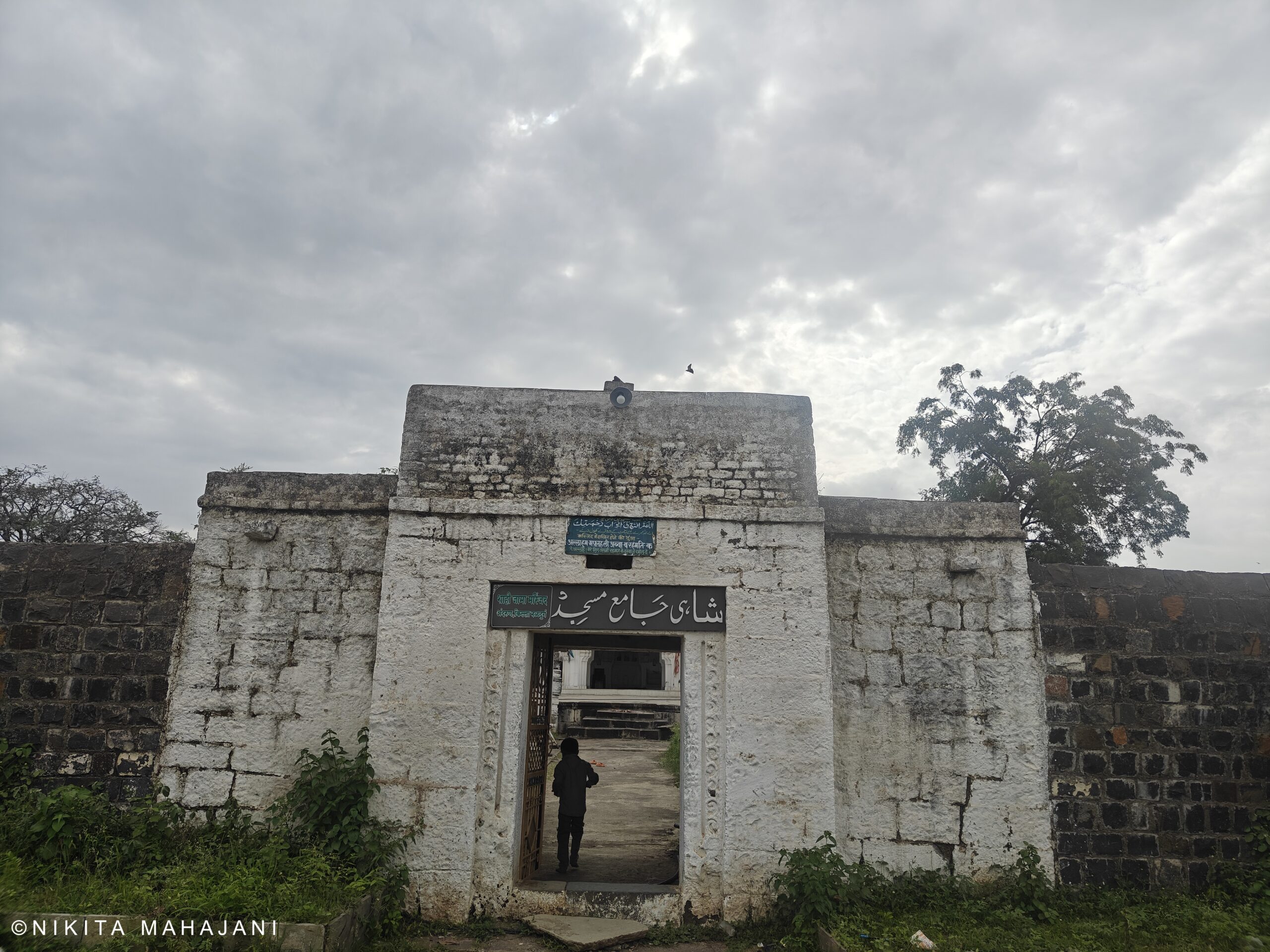
Inside the fort are the remains of old buildings known as Ambarkhana, Munsif Court, Masjid, Baradari, Rani Mahal, Rang Mahal, Hathi Kund, and Machli Talav. These structures stand as architectural memories of that period.
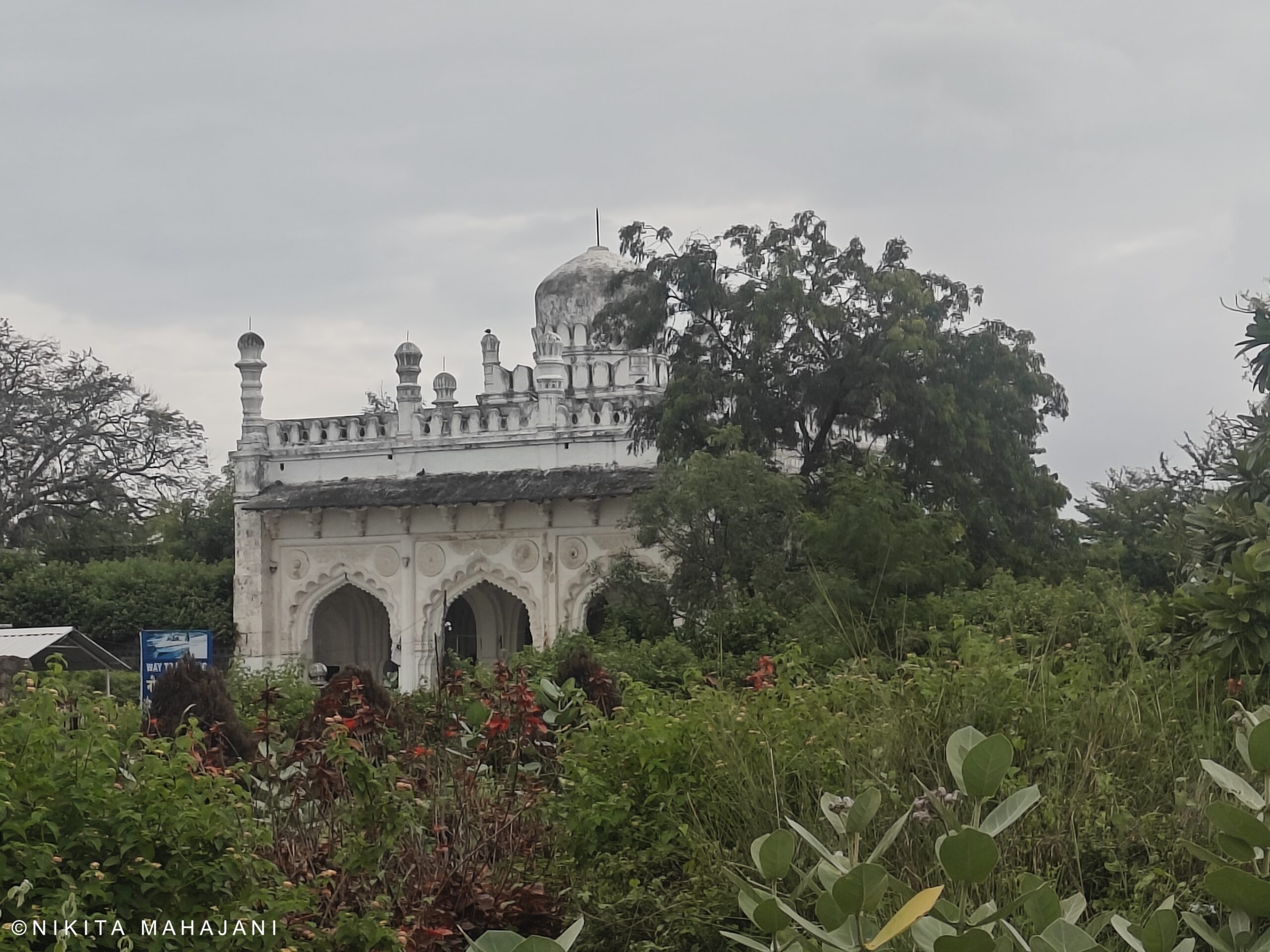
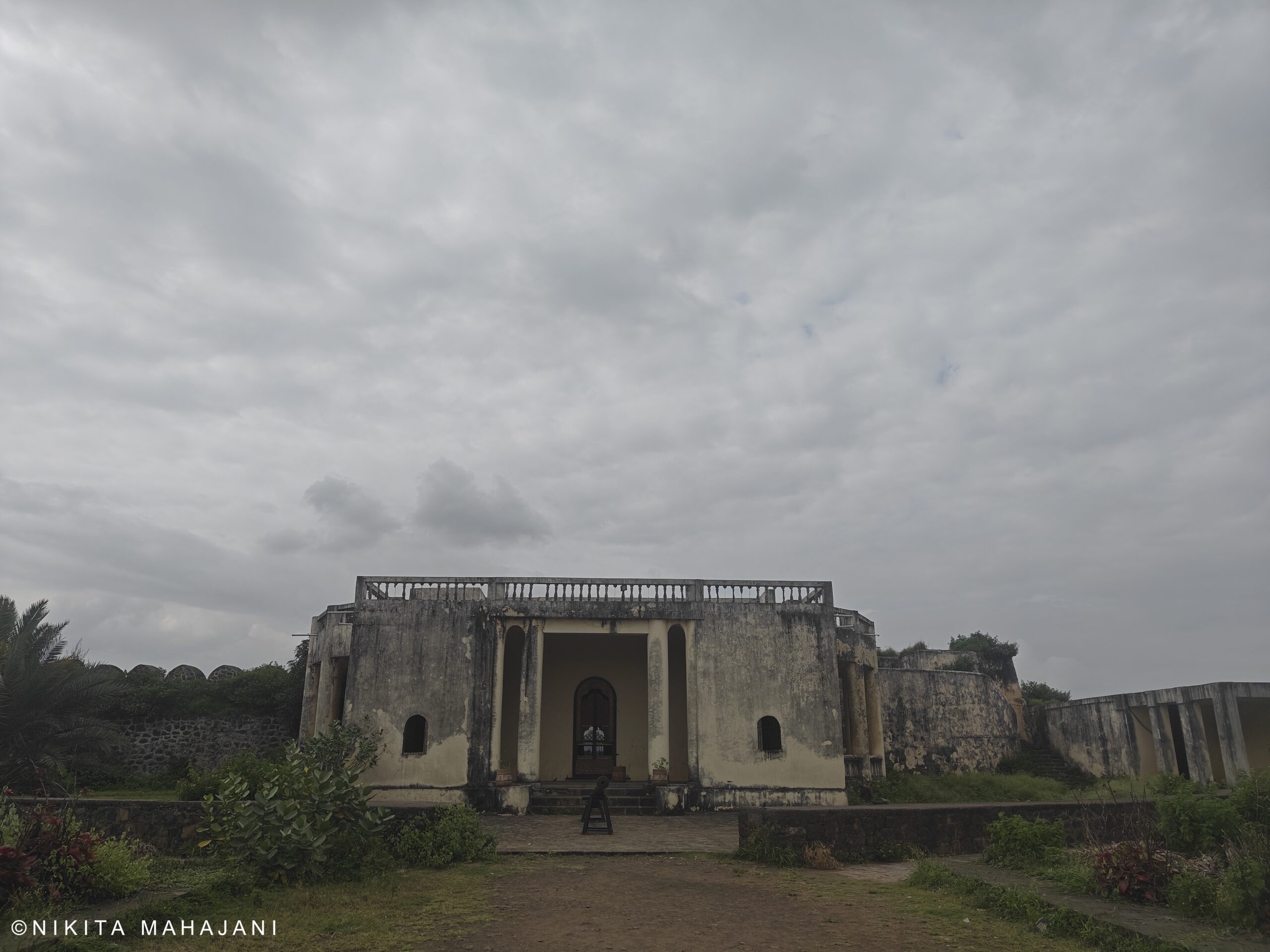
Another major attraction of Naldurg Fort is the dam that houses the Jalmahal, or water palace. This palace is built within the embankment that connects Ranmandal and Naldurg, which rises to a height of about 19 to 20 meters and contains four levels. A staircase runs through the core of the embankment to access these floors. The Jalmahal itself is set midway within the embankment, its windows adorned with finely carved stone screens (mahirpi). A Persian inscription on its wall poetically states that the sight of this water palace brings joy to friends while casting gloom upon enemies. During the monsoon, excess water is released through two channels in the dam, known as the male and female outlets.
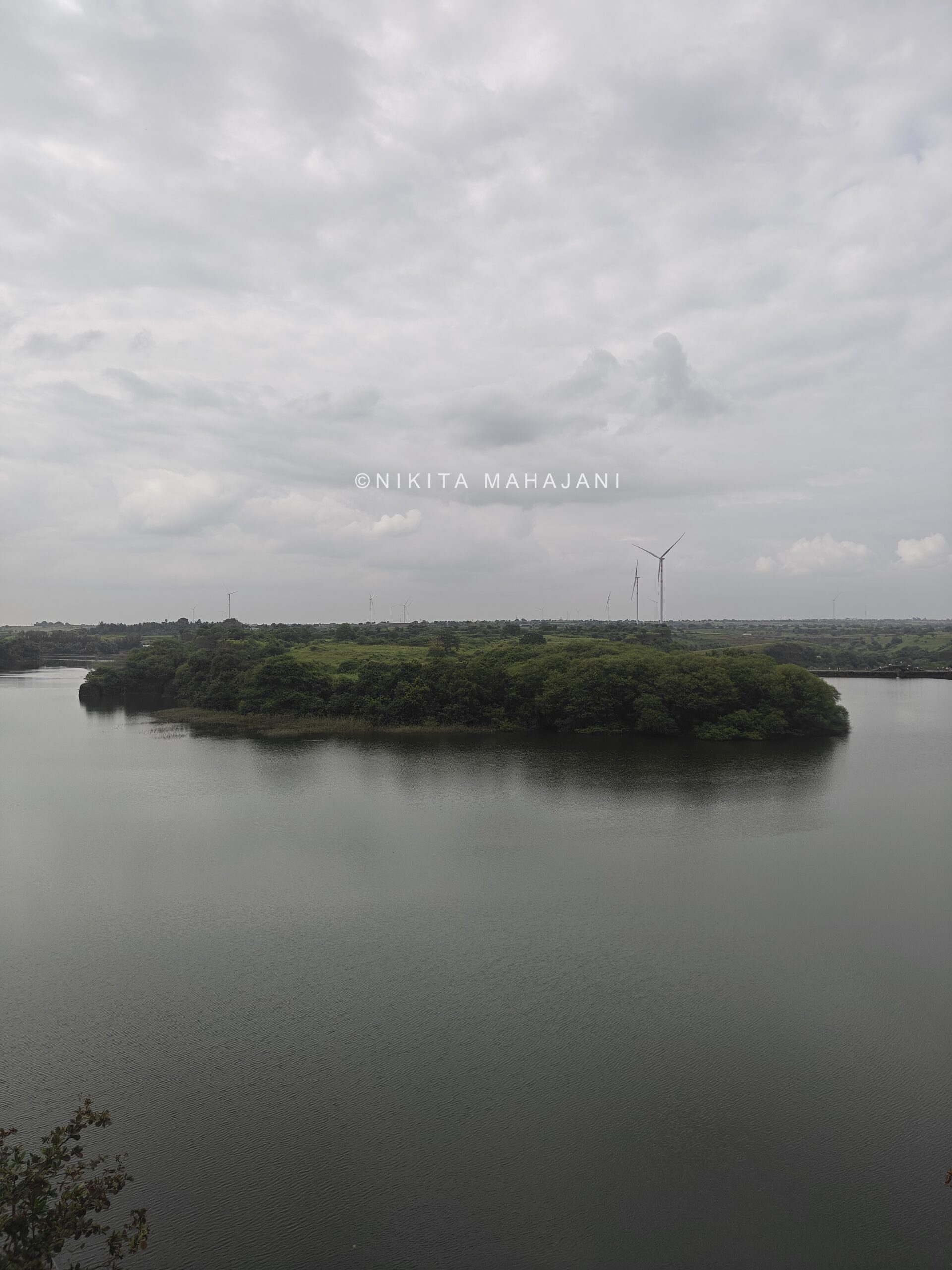
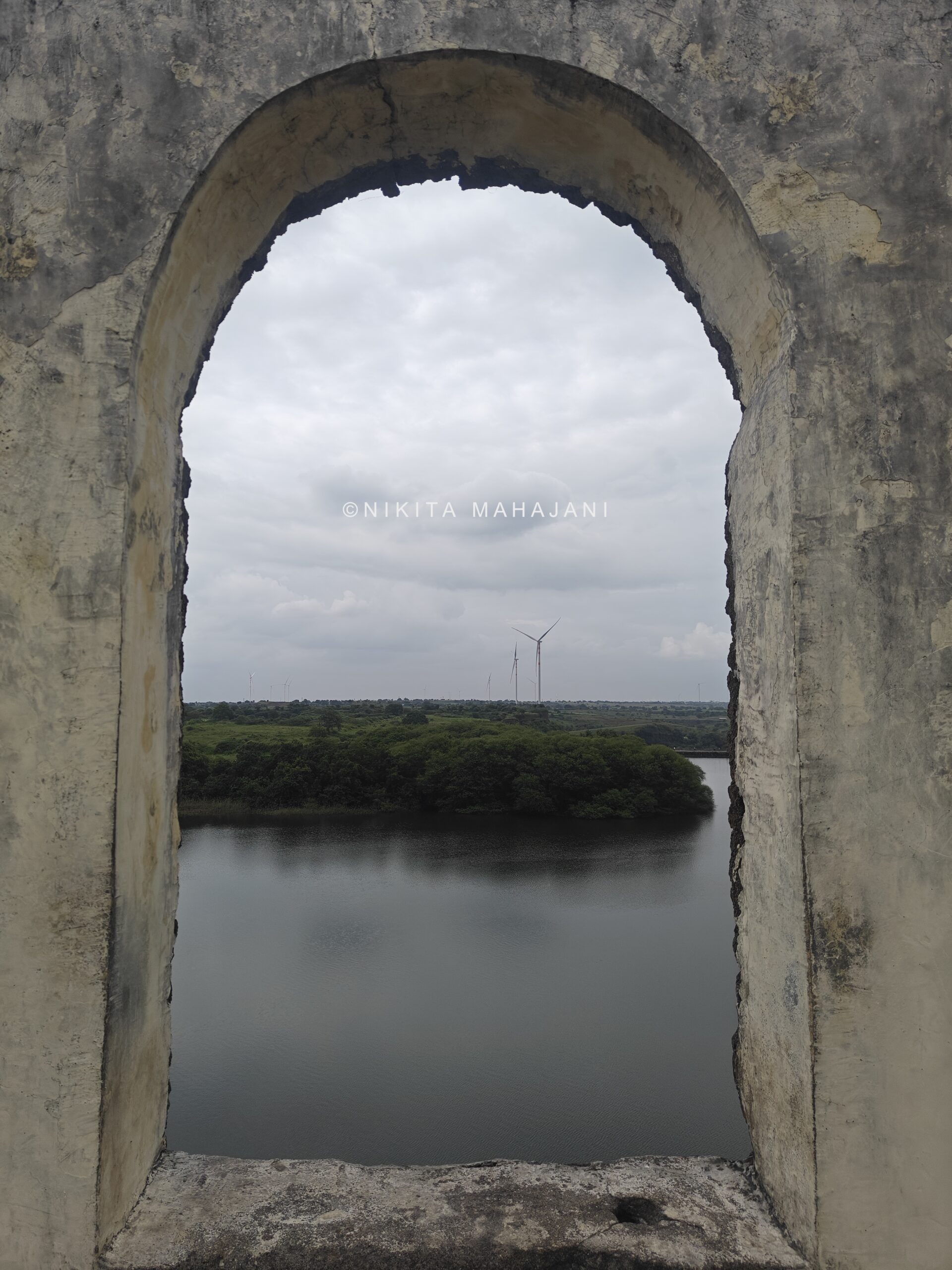
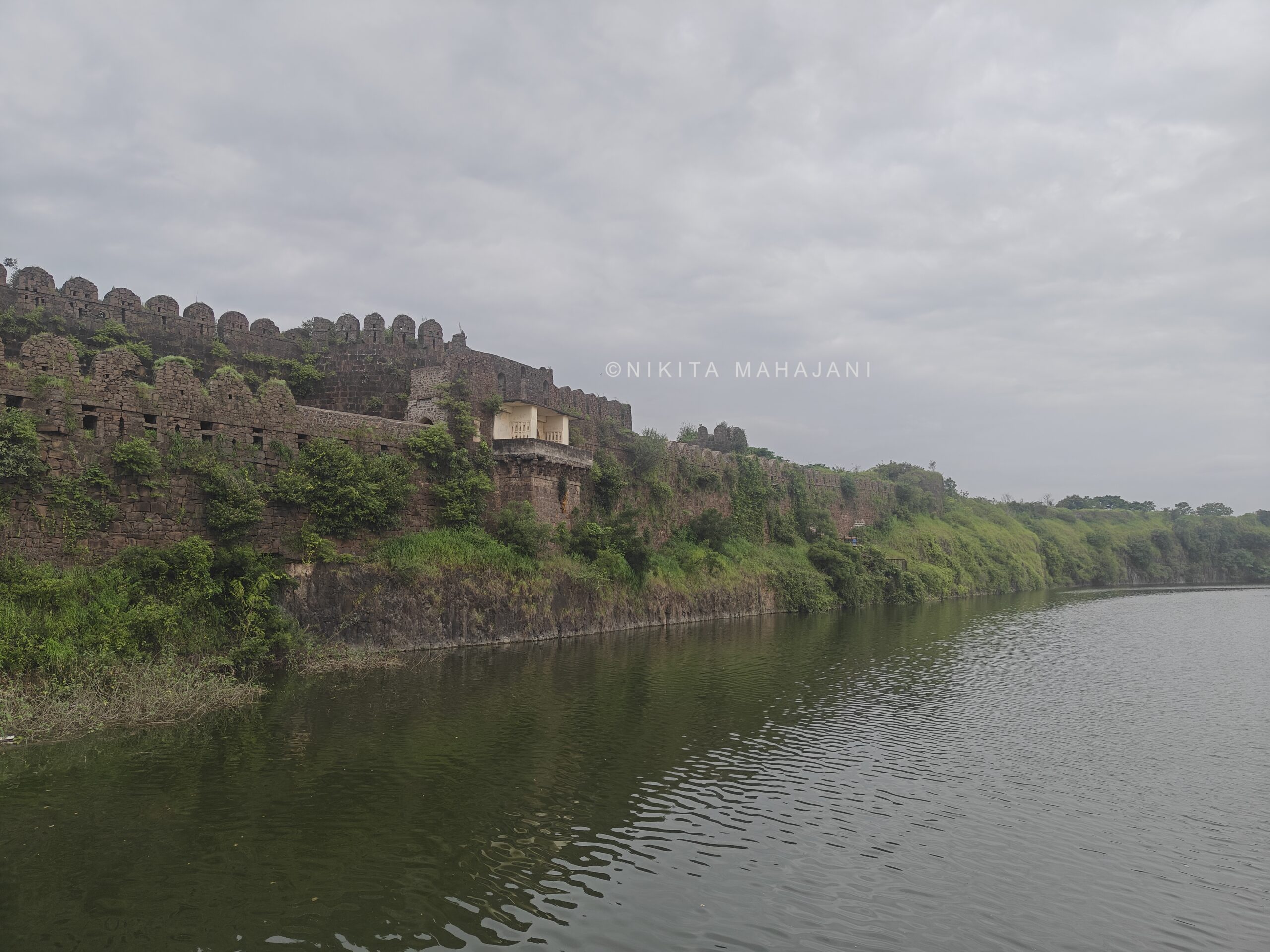
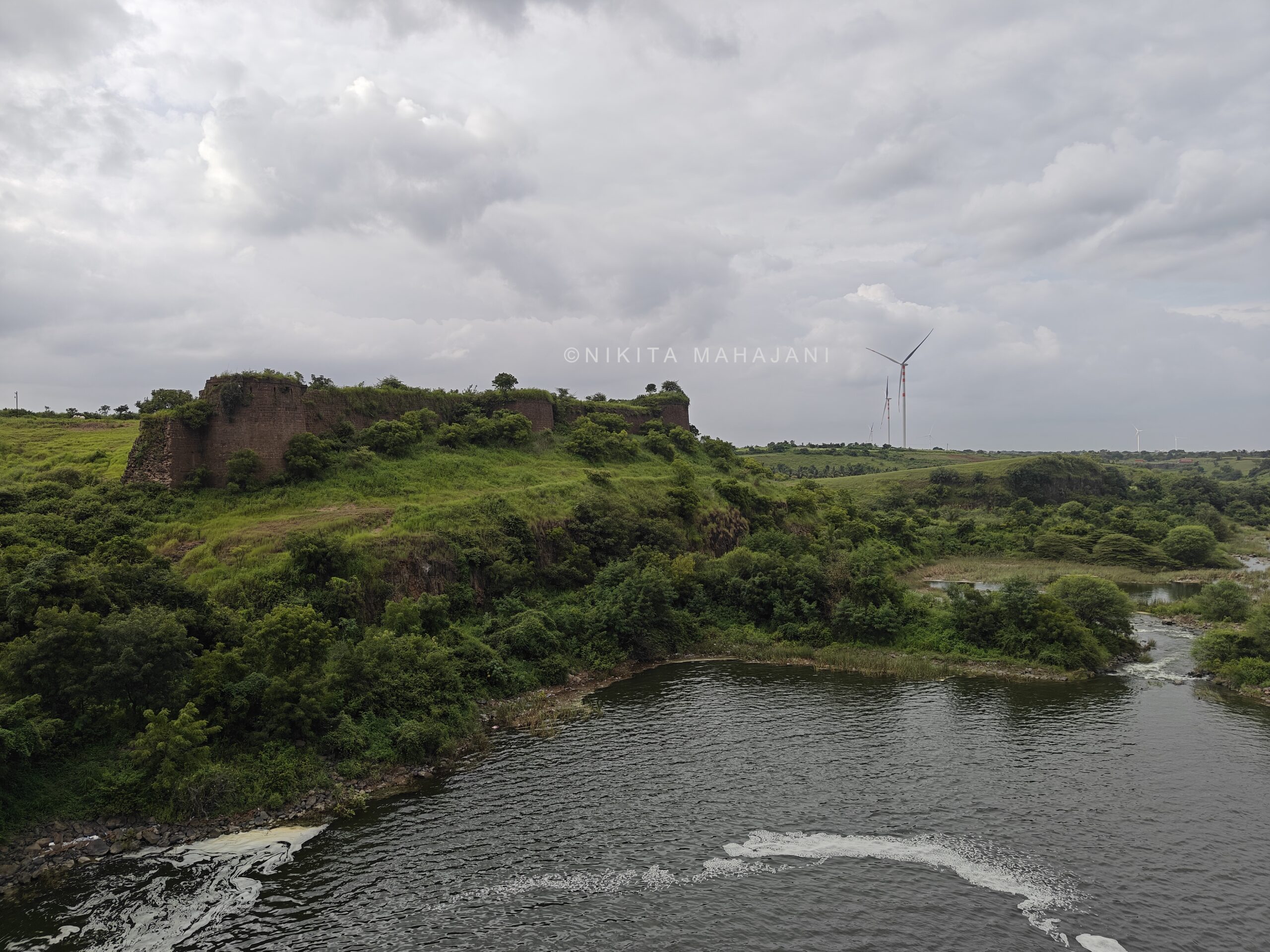
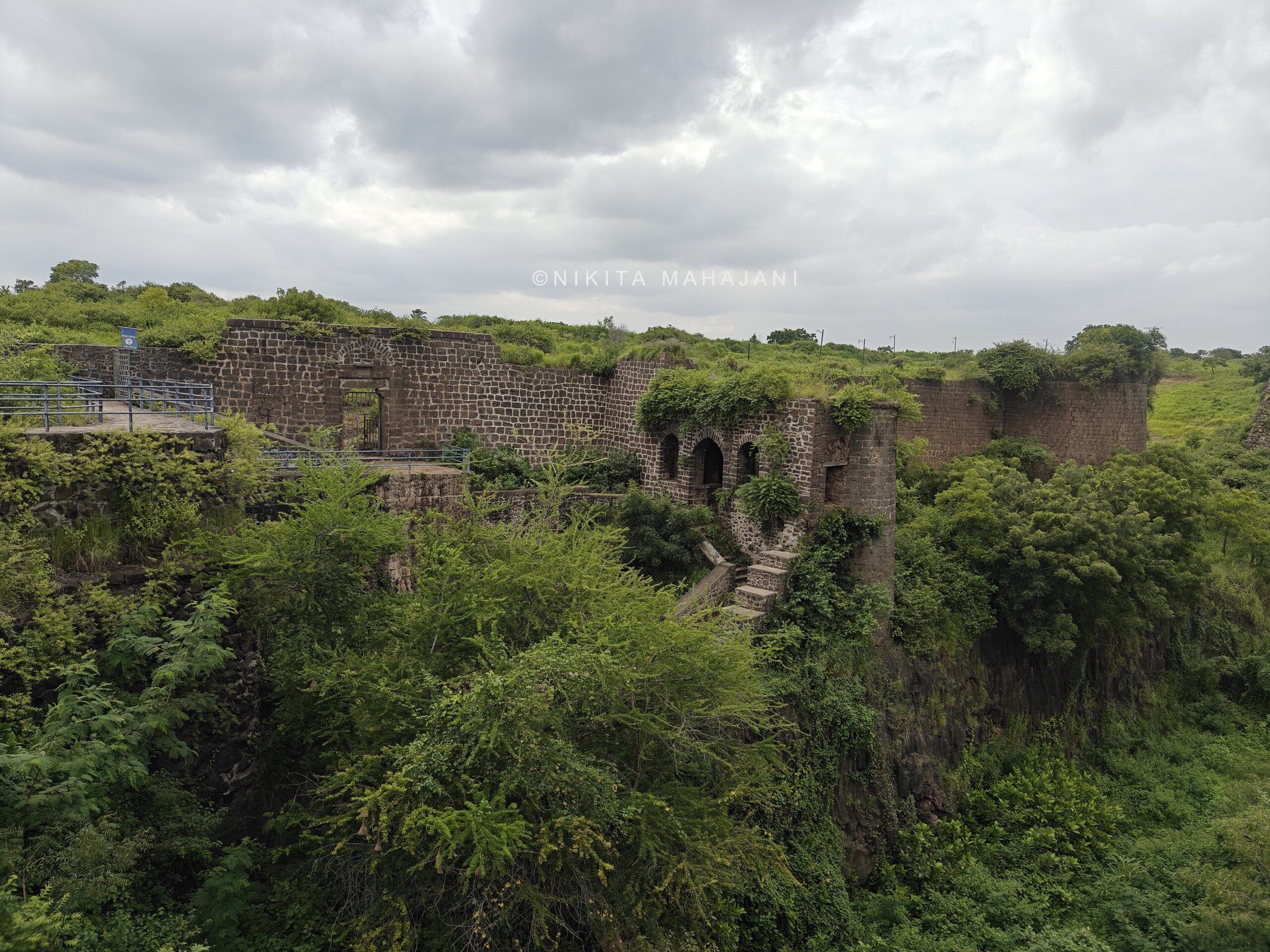
The interior of the fort is further reinforced by more than a hundred bastions, with moats and river currents adding to its near-impenetrable defenses. Towers of varying sizes and forms can be seen throughout the complex, most notably the distinctive Navburuj. Located along the fortifications facing the Hyderabad highway, this elegant tower is characterized by its nine-petaled design, from which it derives its name. Such a structure is unique and not found elsewhere.
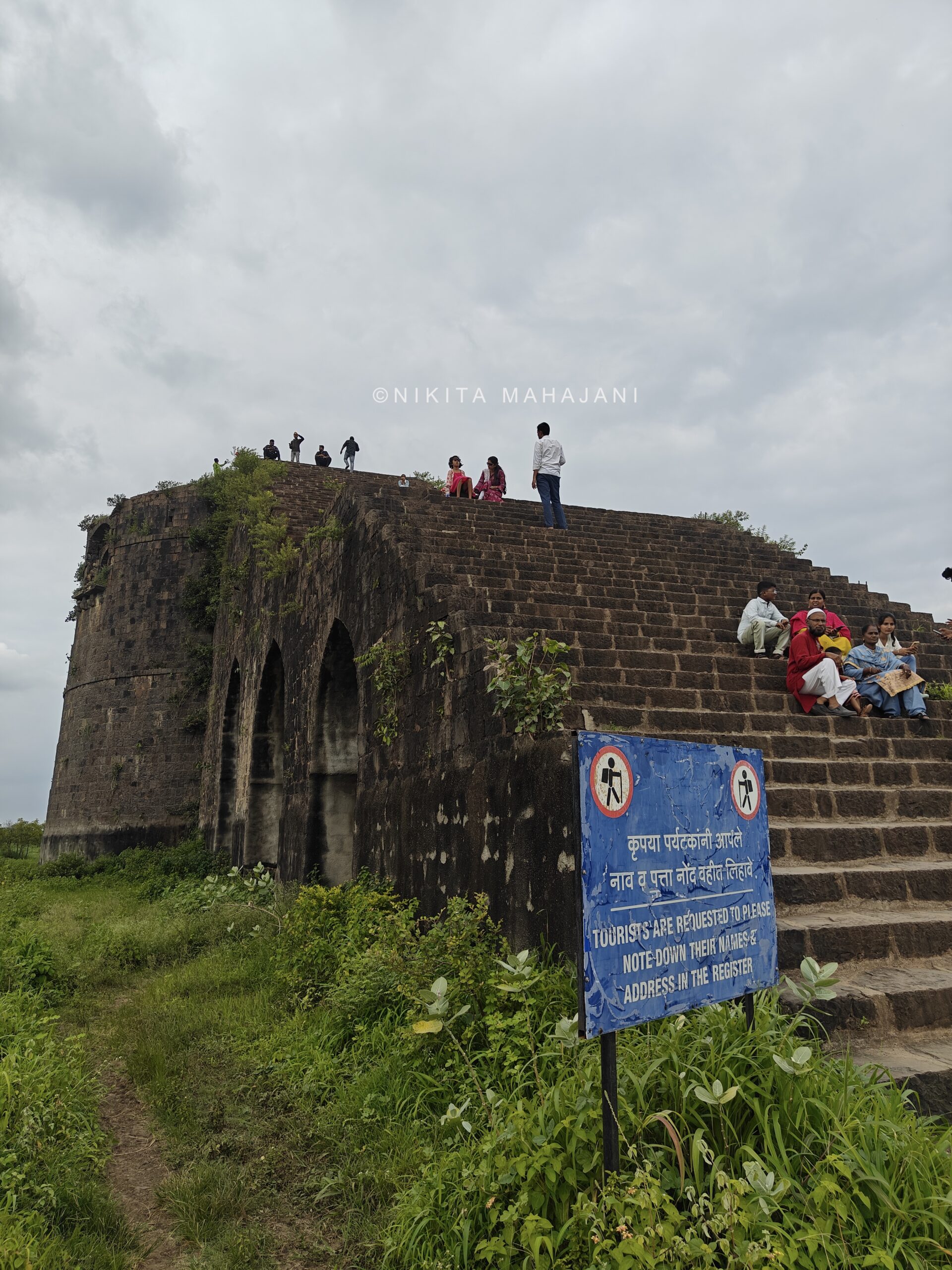
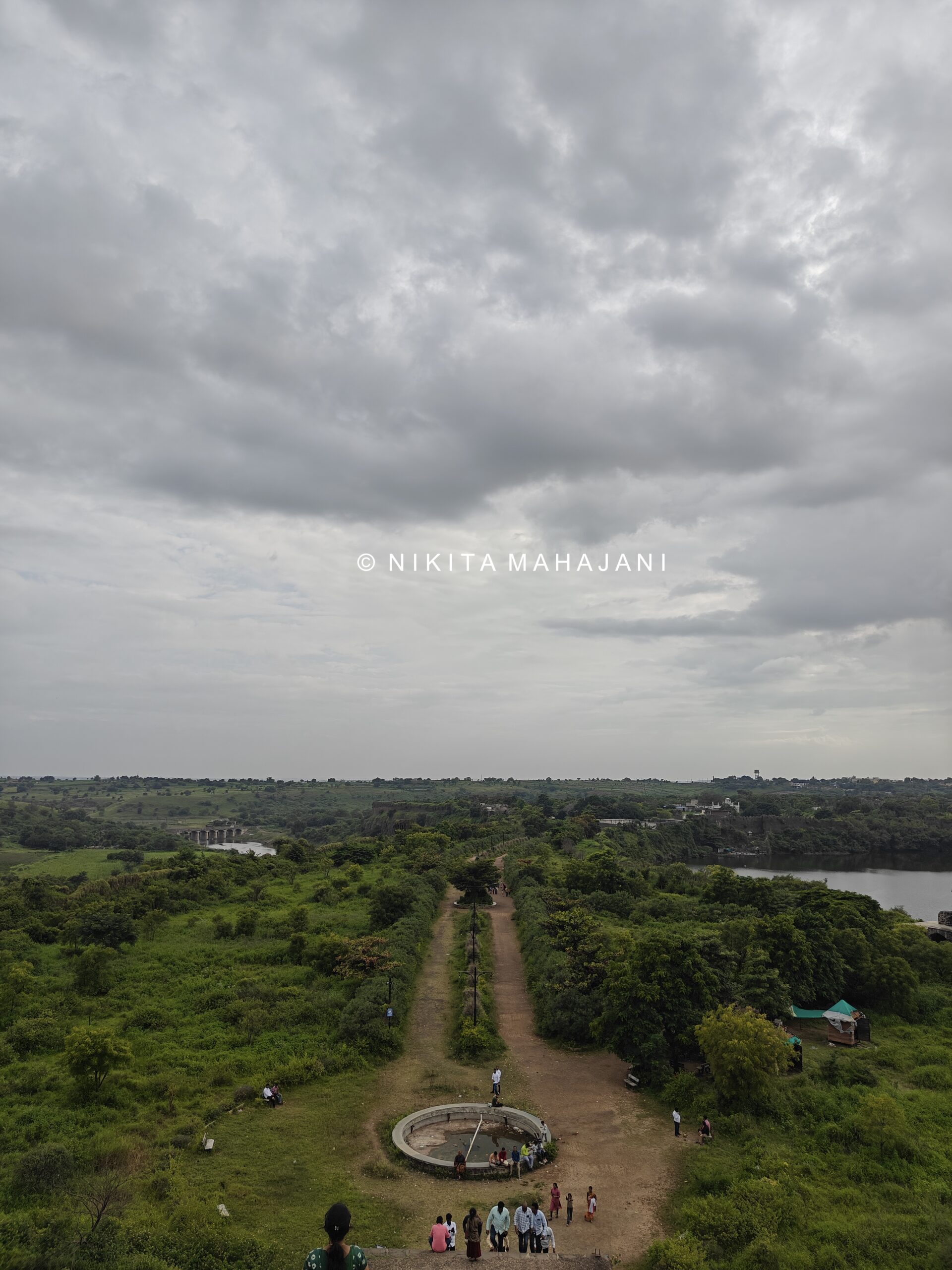
Naldurg Fort is especially renowned for its impressive layout, sophisticated defensive system, watchtowers, long cannons, waterfalls, and the distinctive curved approach to its main entrance.
Click here to read part 02 of this blog.


