
To read the previous blog click here.
Part 1
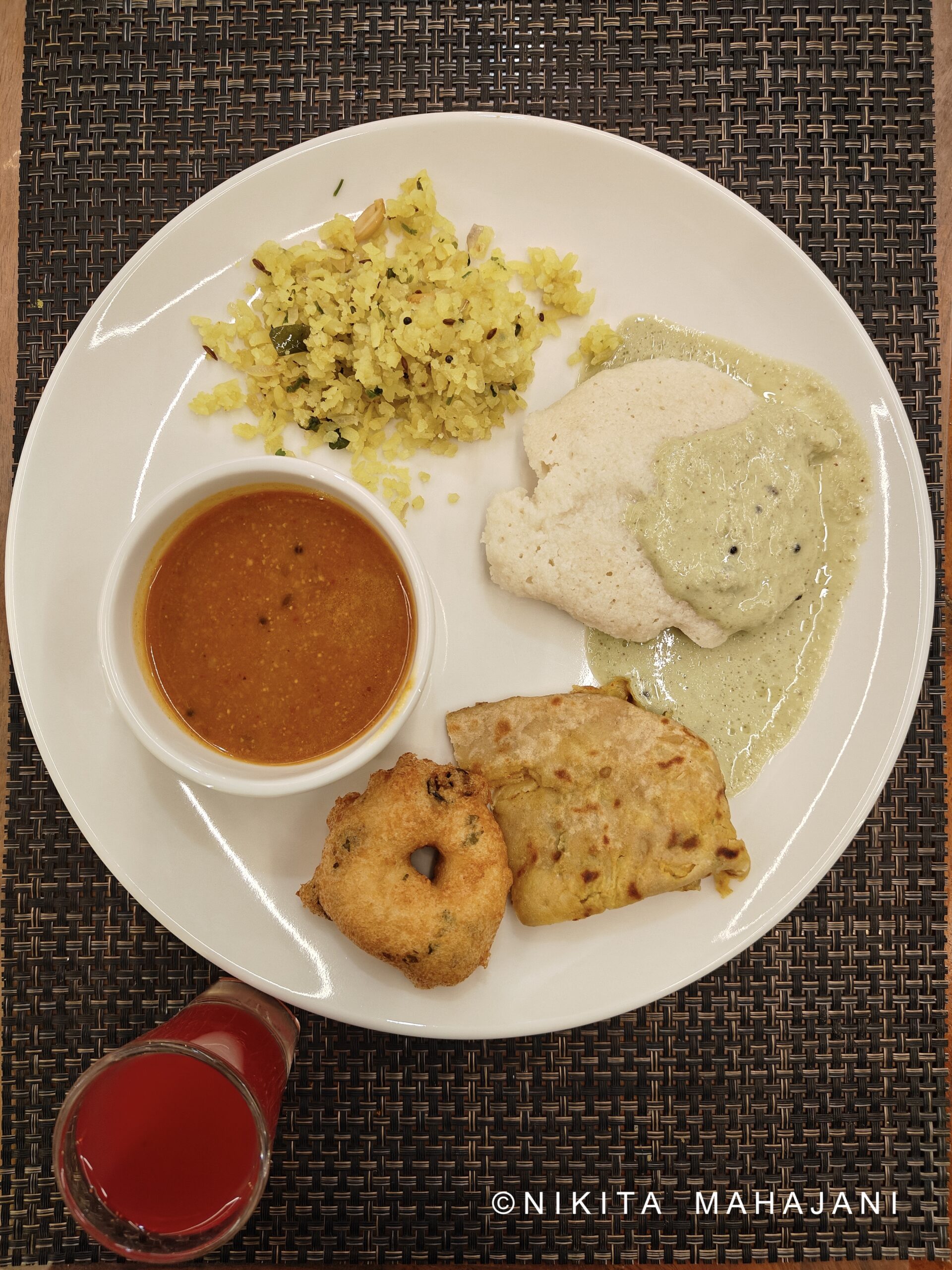
The third day of the trip started with a steaming hot breakfast at Hotel Center Point. We were planning to go to Solapur bhuikot (land fort), Solapur Municipal Corporation and Siddheshwar temple today. None of them are pet friendly. Hence we decided not take our pet along. She comfortable rested in the hotel room as we went to visit these places and come back in less than two hour. All these three places are located very close to each other in the core city area.
Solapur Bhuikot
Solapur Bhuikot has a designated car parking space. The entry ticket is Rs.25 per person which needs to be paid online on the ASI website. The officials strictly do not sell tickets on cash. Pets are not allowed inside the fort. We went there at 11am and there were no tourists in the entire site.
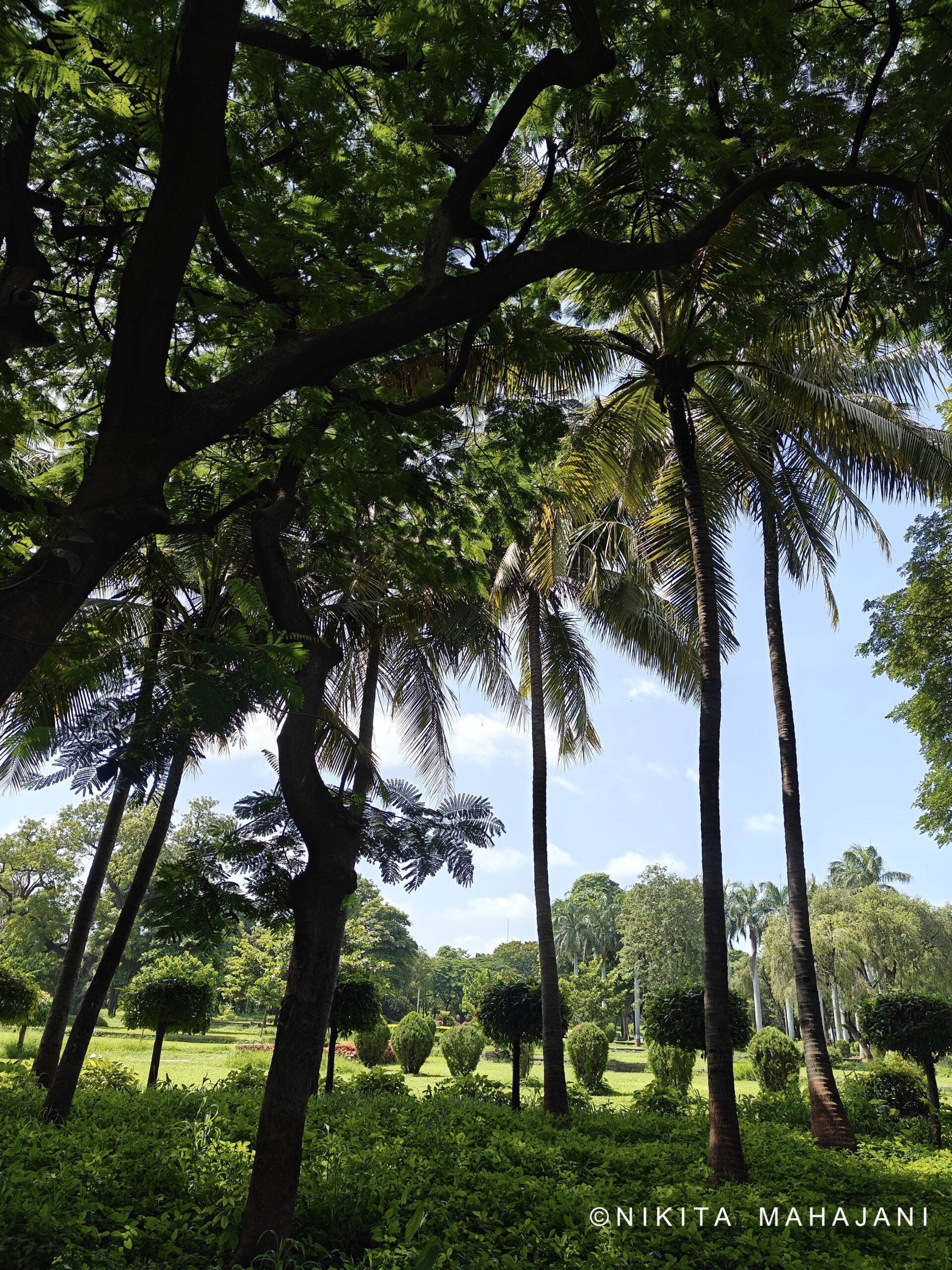
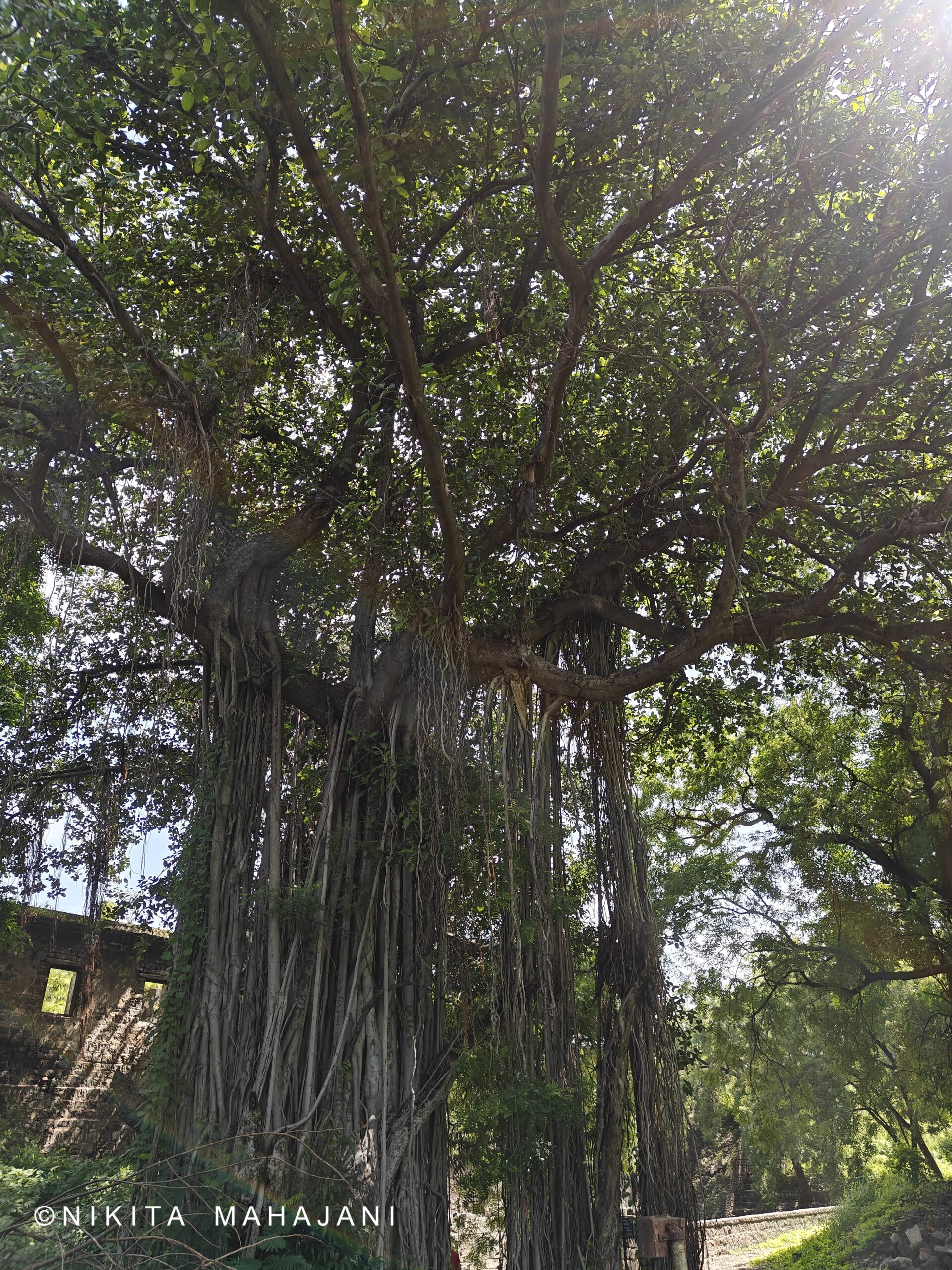
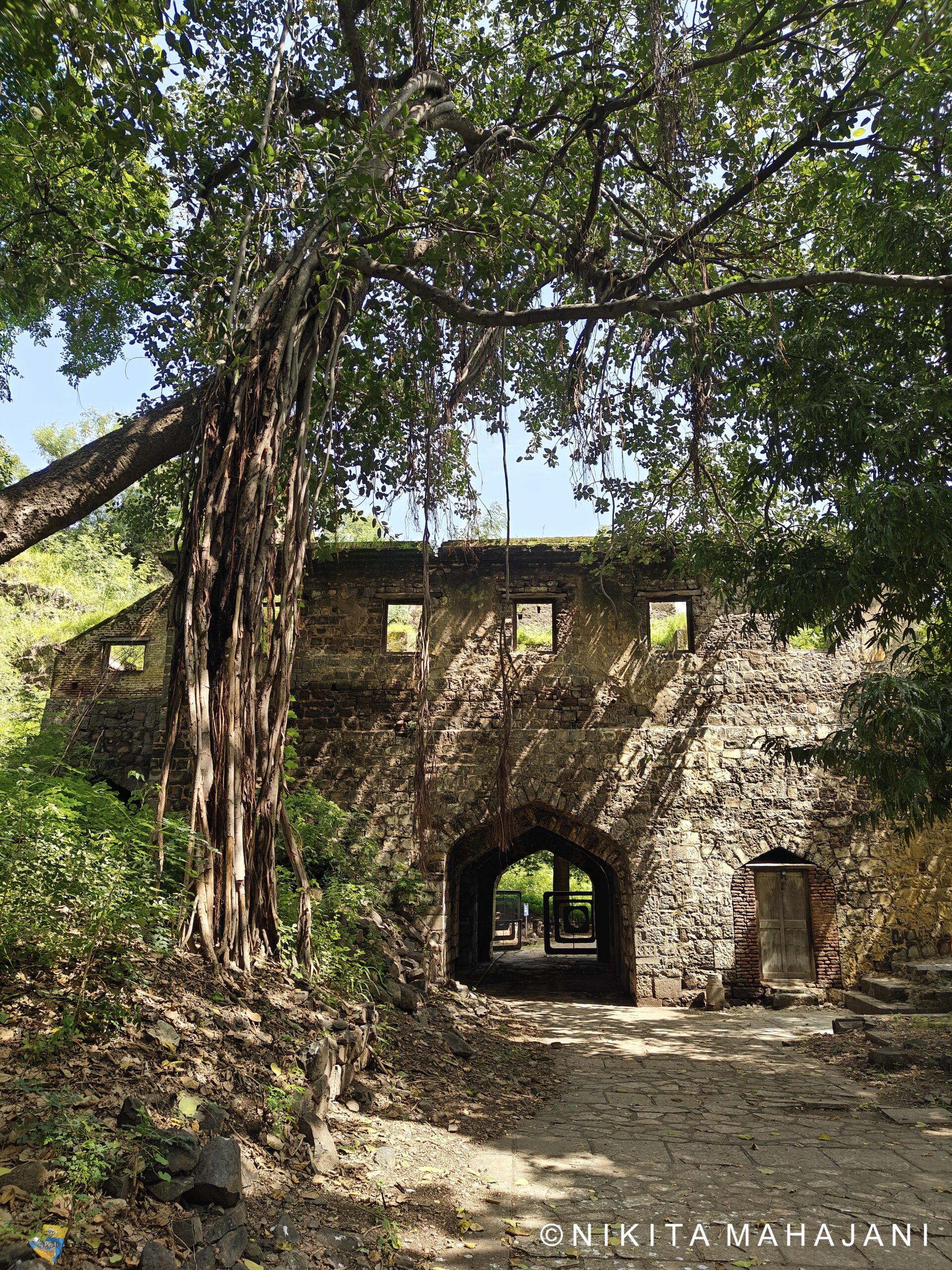
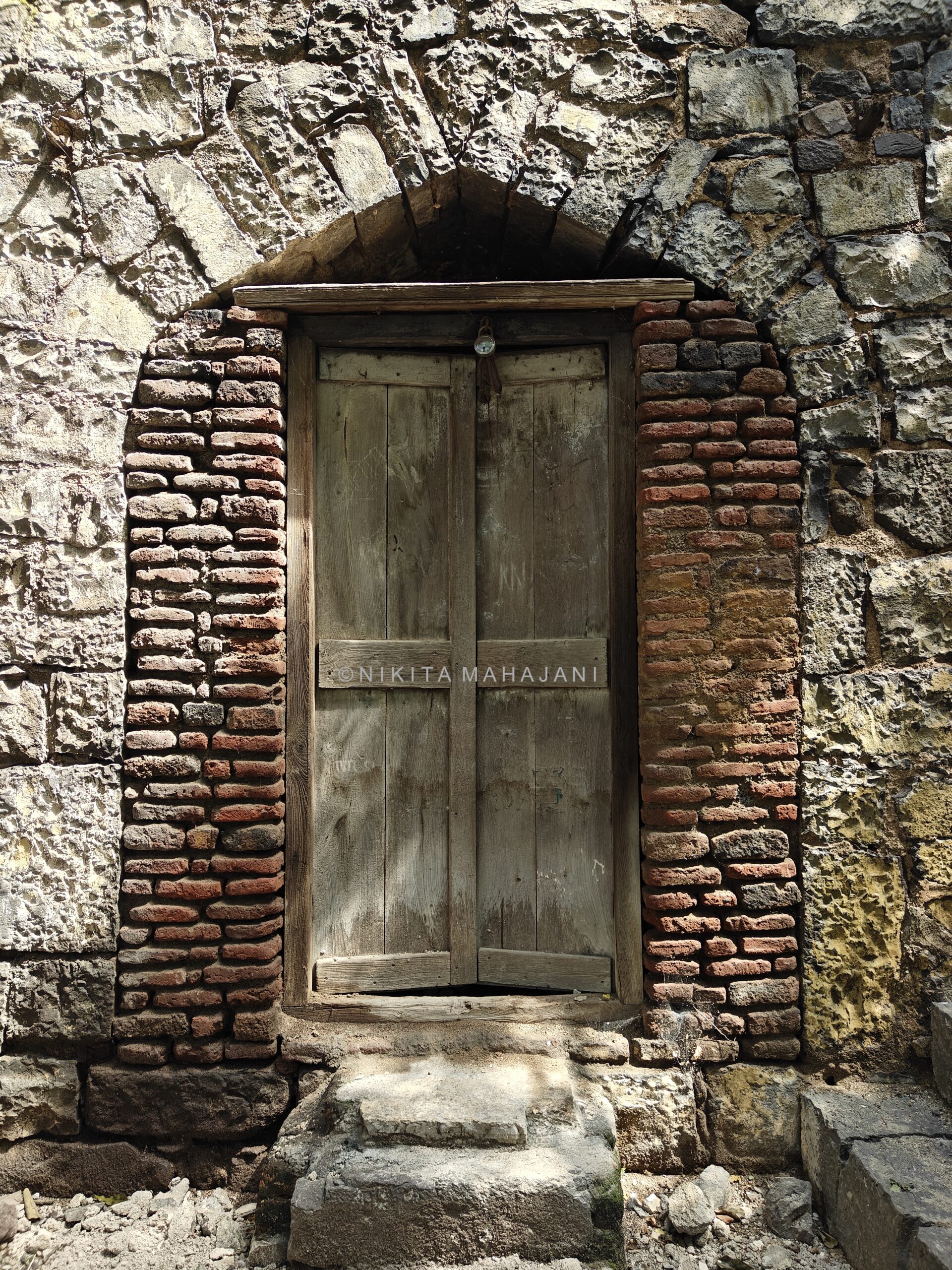
The Fort consists of lush green landscape, ruins of temples, stepwells, pillared halls, bastions and fortification walls.
The fort is believed to have been constructed in the 14th century during the reign of the Bahamani Dynasty, in memory of Hutatma Bagh. In the years that followed, it changed hands among several rulers. Built of stone, the fort features relatively low defensive walls, characteristic of Bahamani-era architecture.
Historical accounts suggest that Emperor Aurangzeb spent considerable time at the fort, residing here for nearly a year between 1685 and 1686 AD. Later, after the fort came under Peshwa control, Bajirao II is also known to have stayed here.
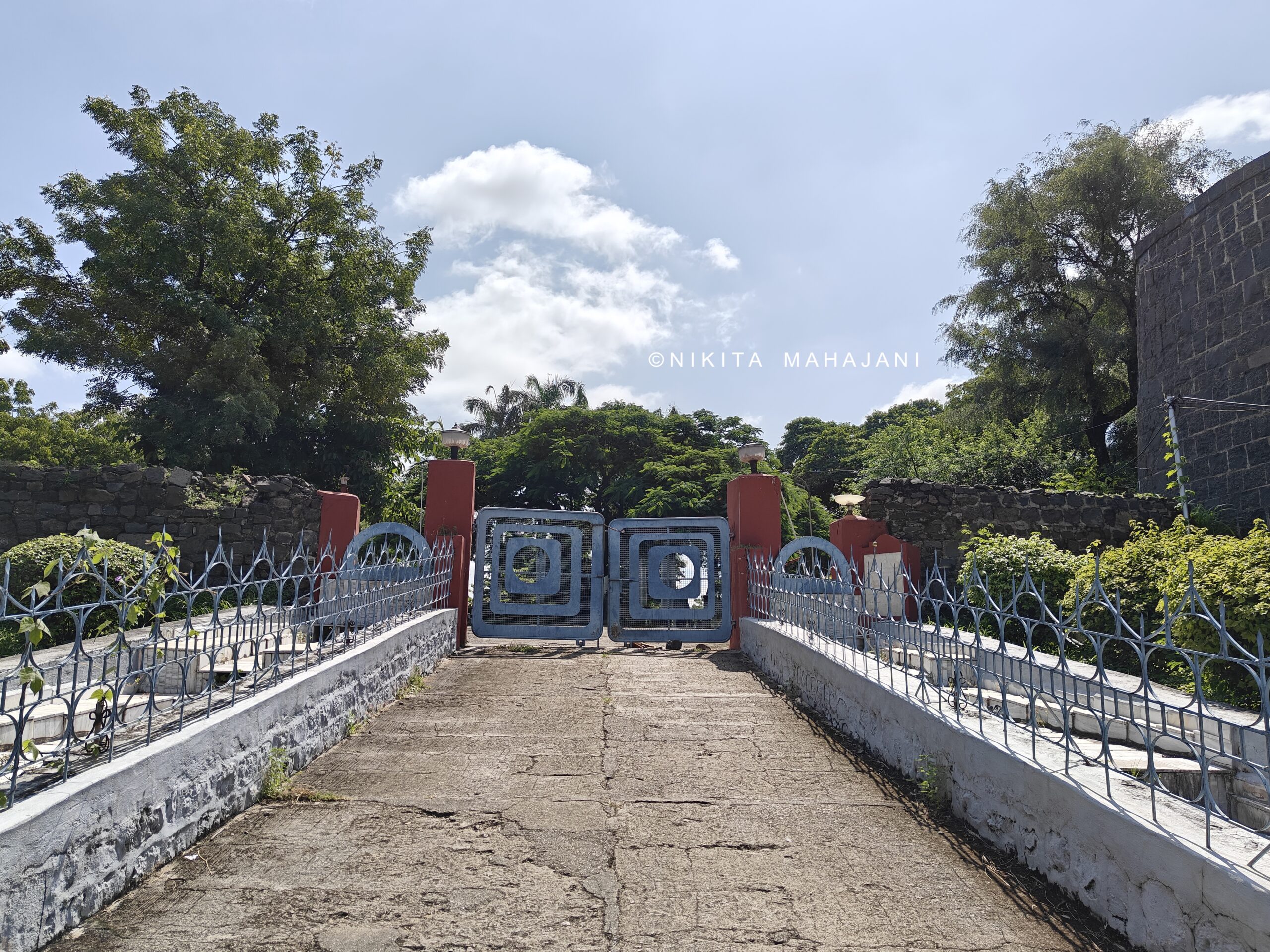
The entire fort is full of lush green lawns and thick foliage. Hence one cannot feel the heat inside the Fort.
Ruins of the Shiva temple in the Fort.
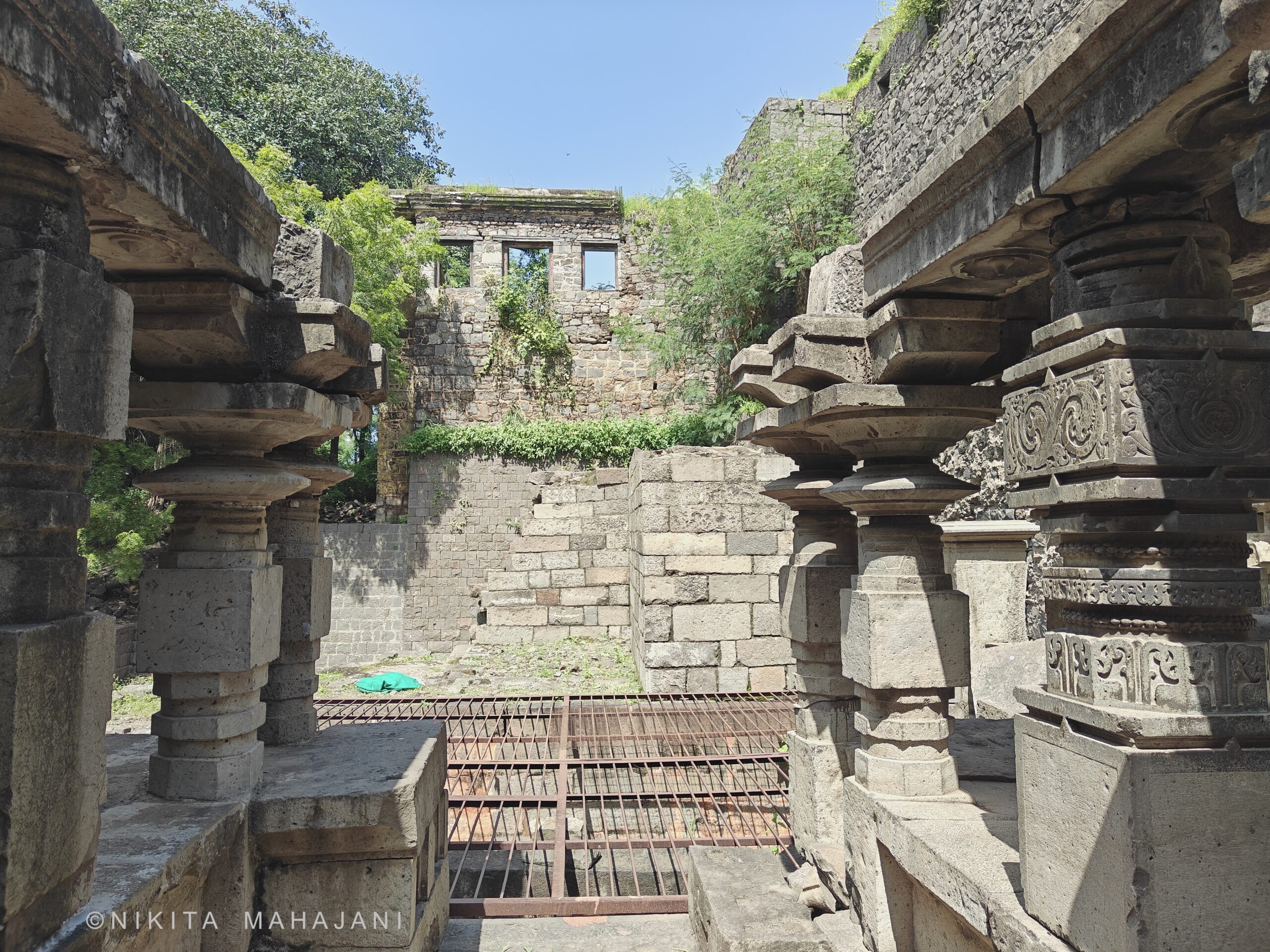
As shown in the photo below, a flight of steps leads to a Shiva temple which is approximately 6 metres below ground level. It has a star shaped base. There is a basement inside the temple which houses the Shivlinga. Access to the basement is restricted and it is covered with fabrication.
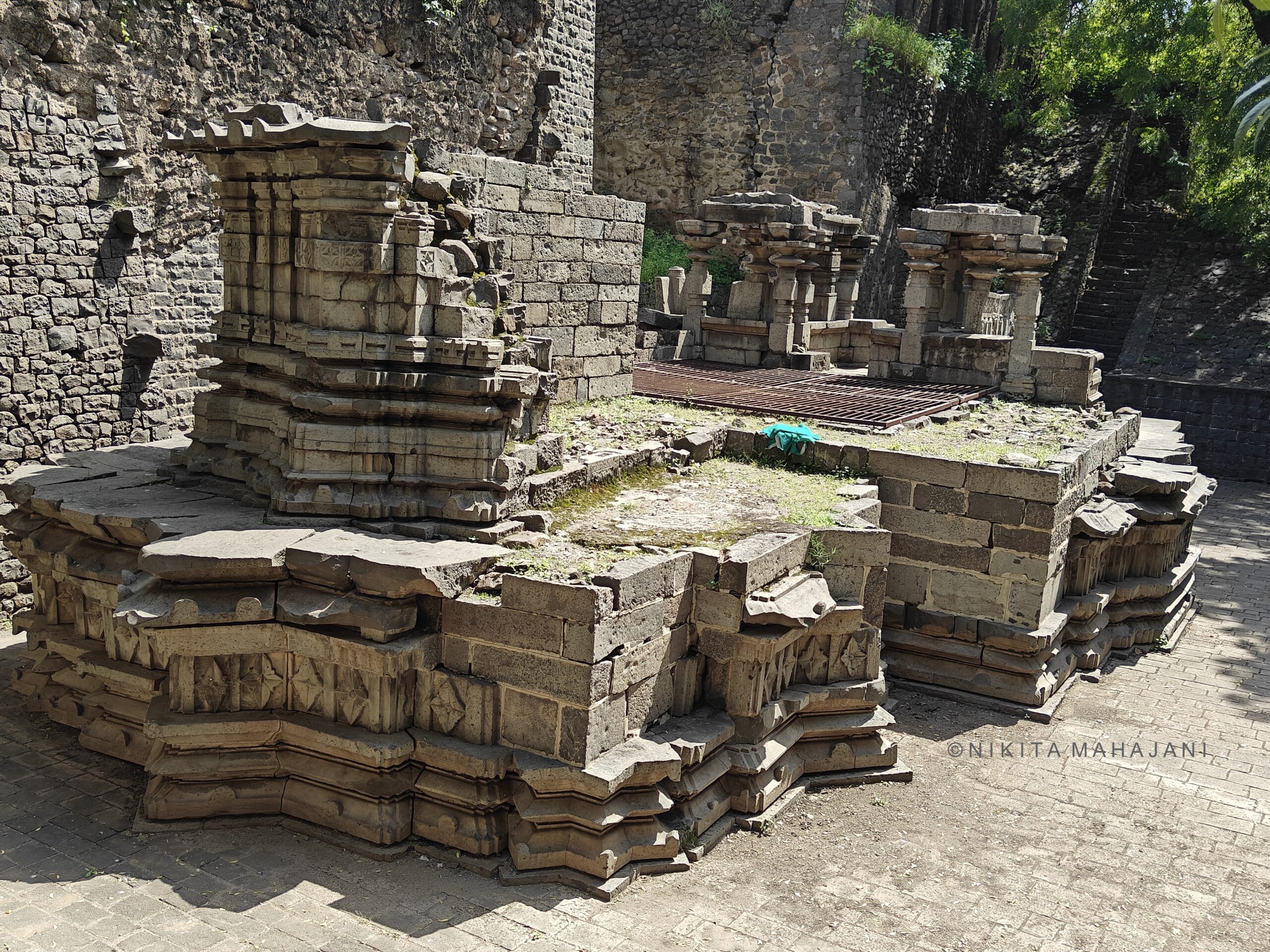
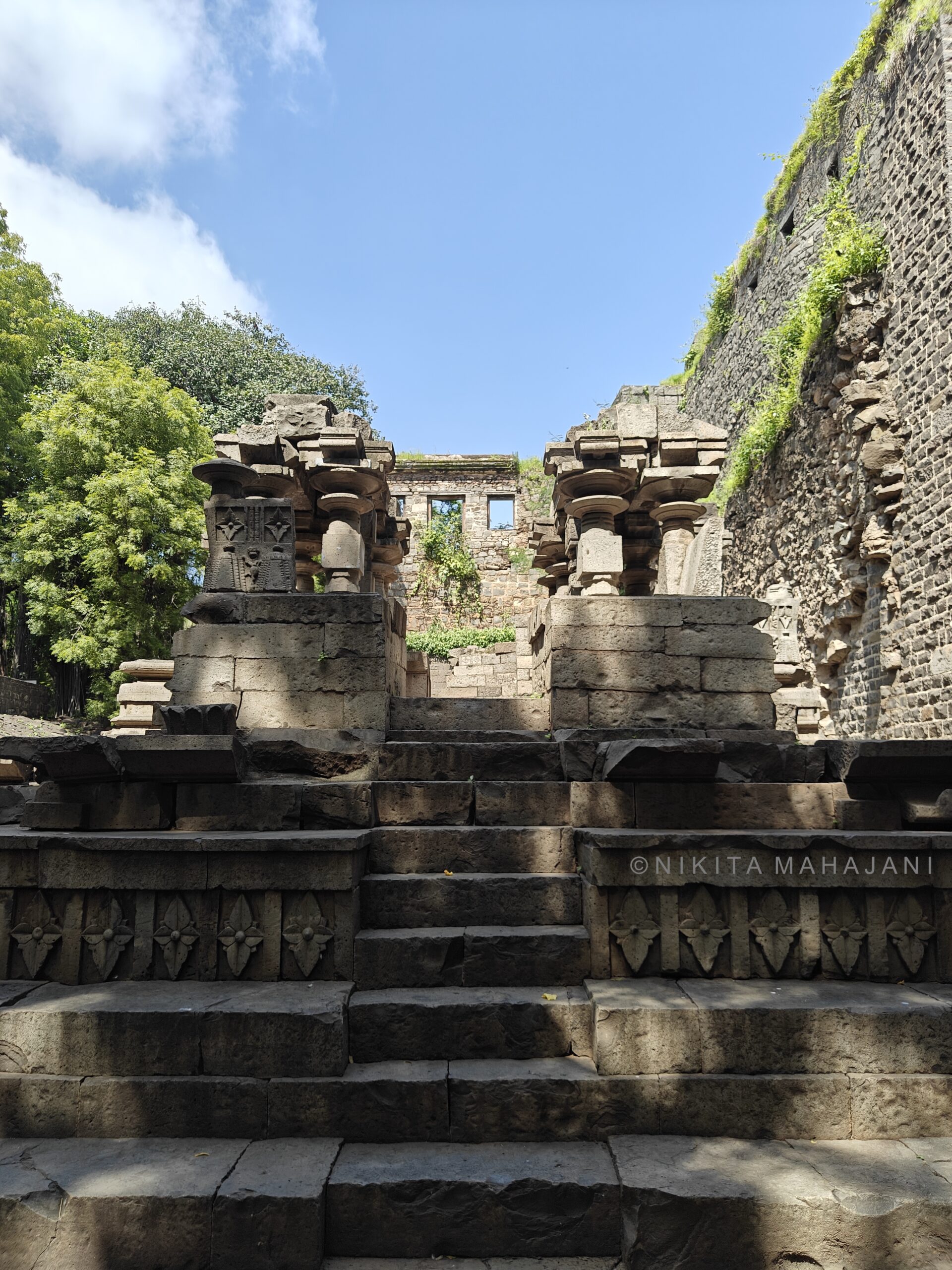
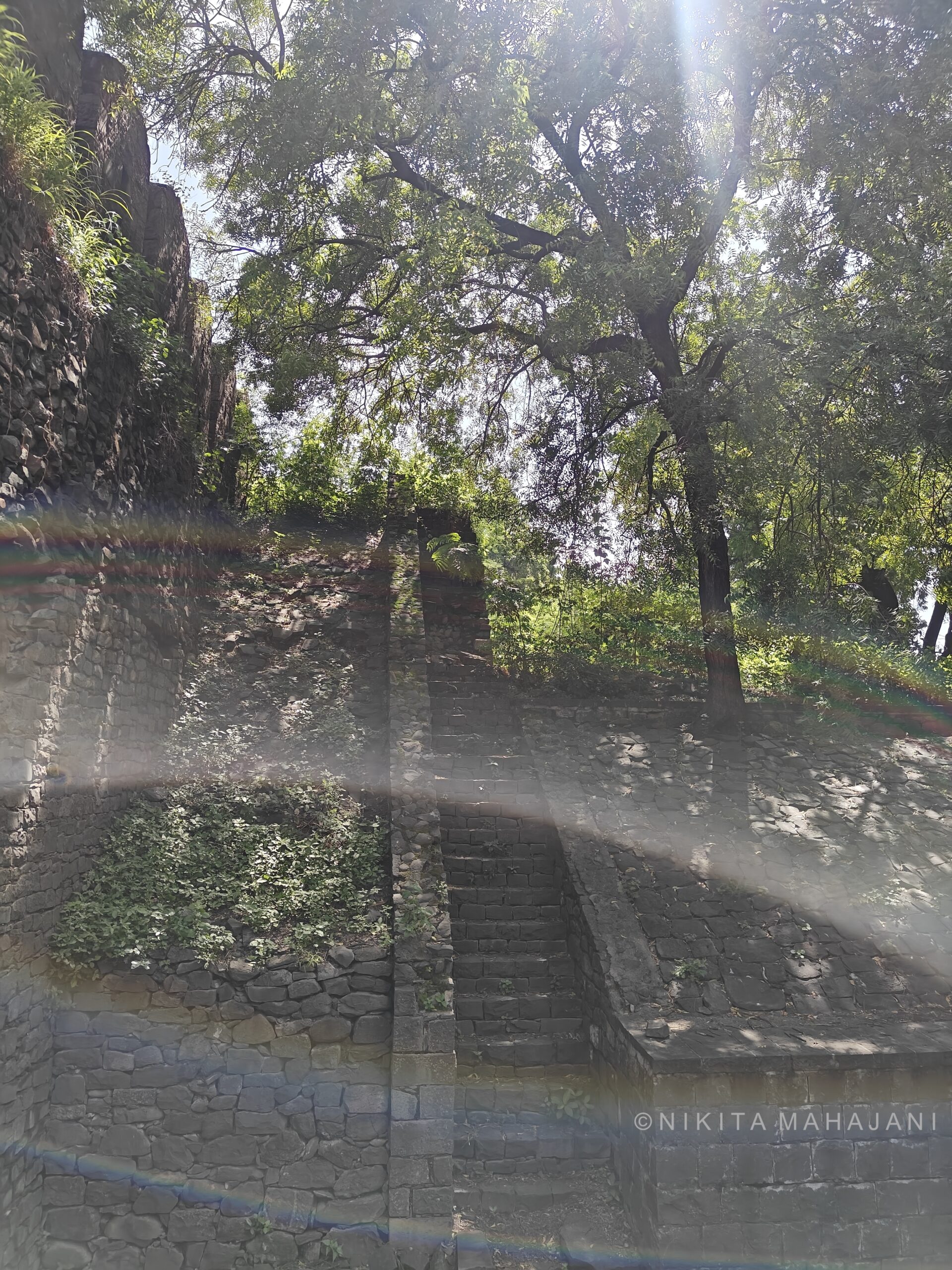
The temple was probably built in the basement to protect it from Mughal attacks. The temple is concealed so perfectly thats it cant be seen/found from the ground level. It is constructed in the Hemadpanthi style (without usage of mortar or any binding material)
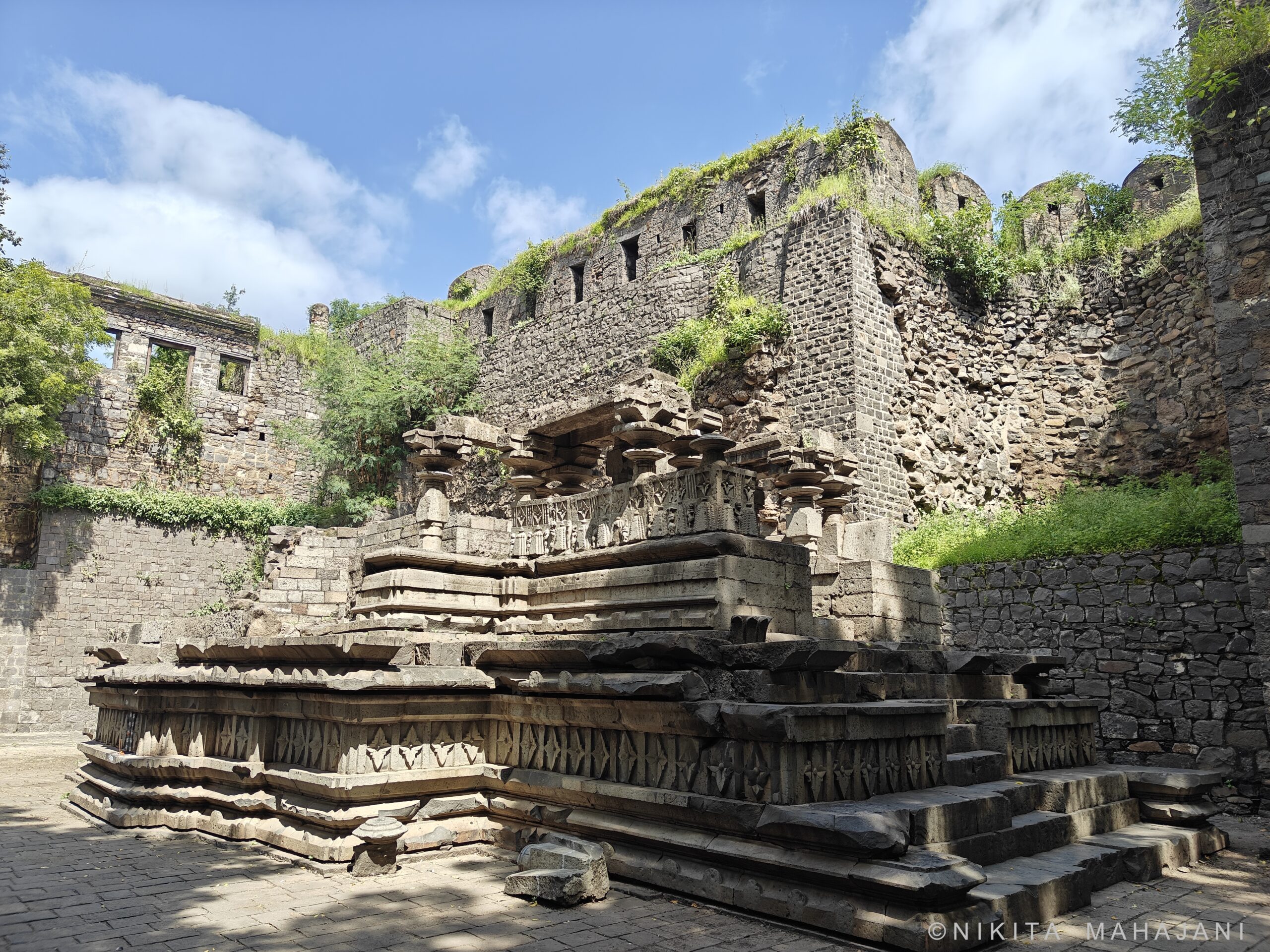
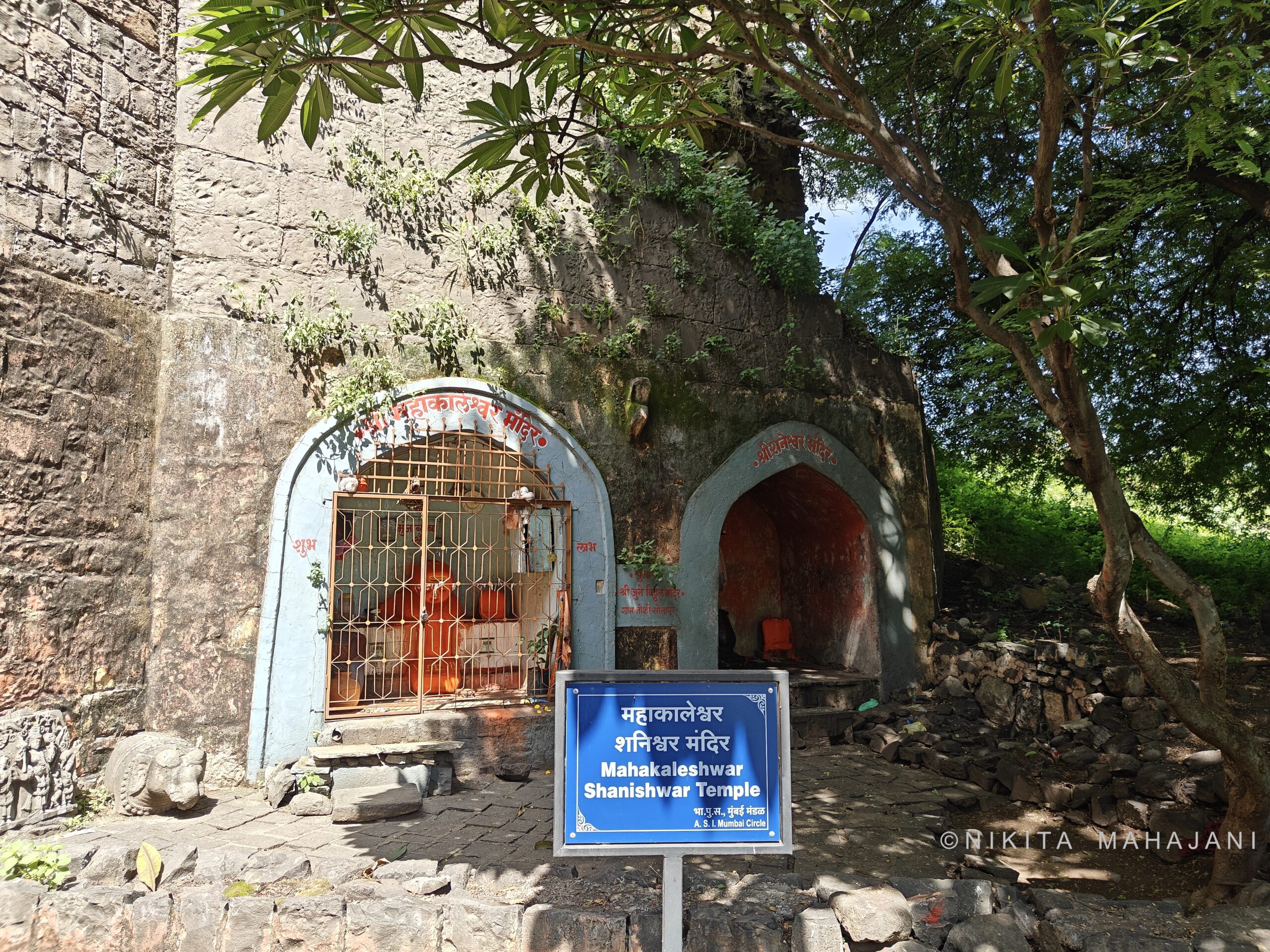
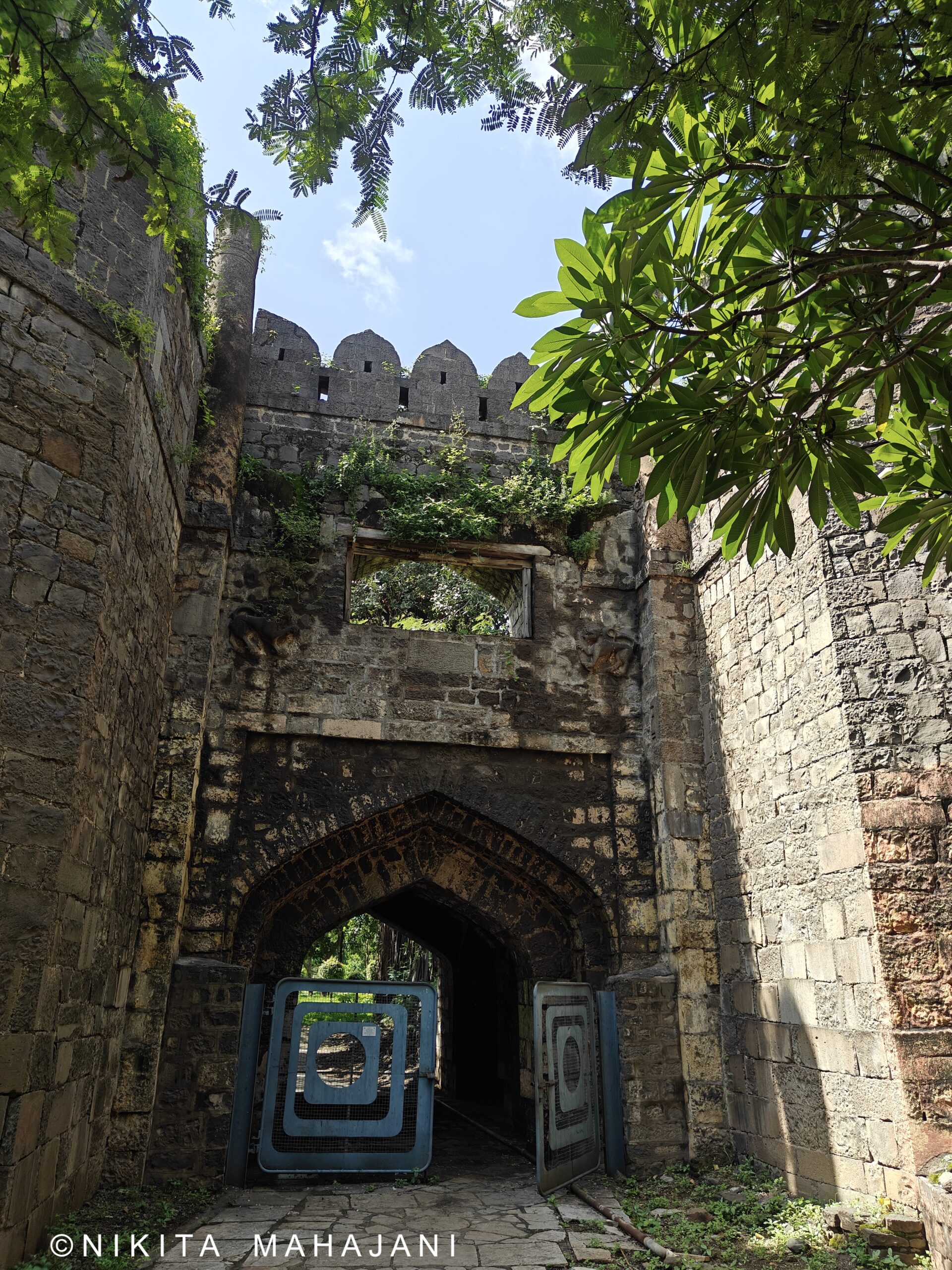
There are a pair of bastions with an arch entrance which led us to the Mhakaleshwar and Shanishwar temple. These temples are made by creating niches in the thick stone walls.
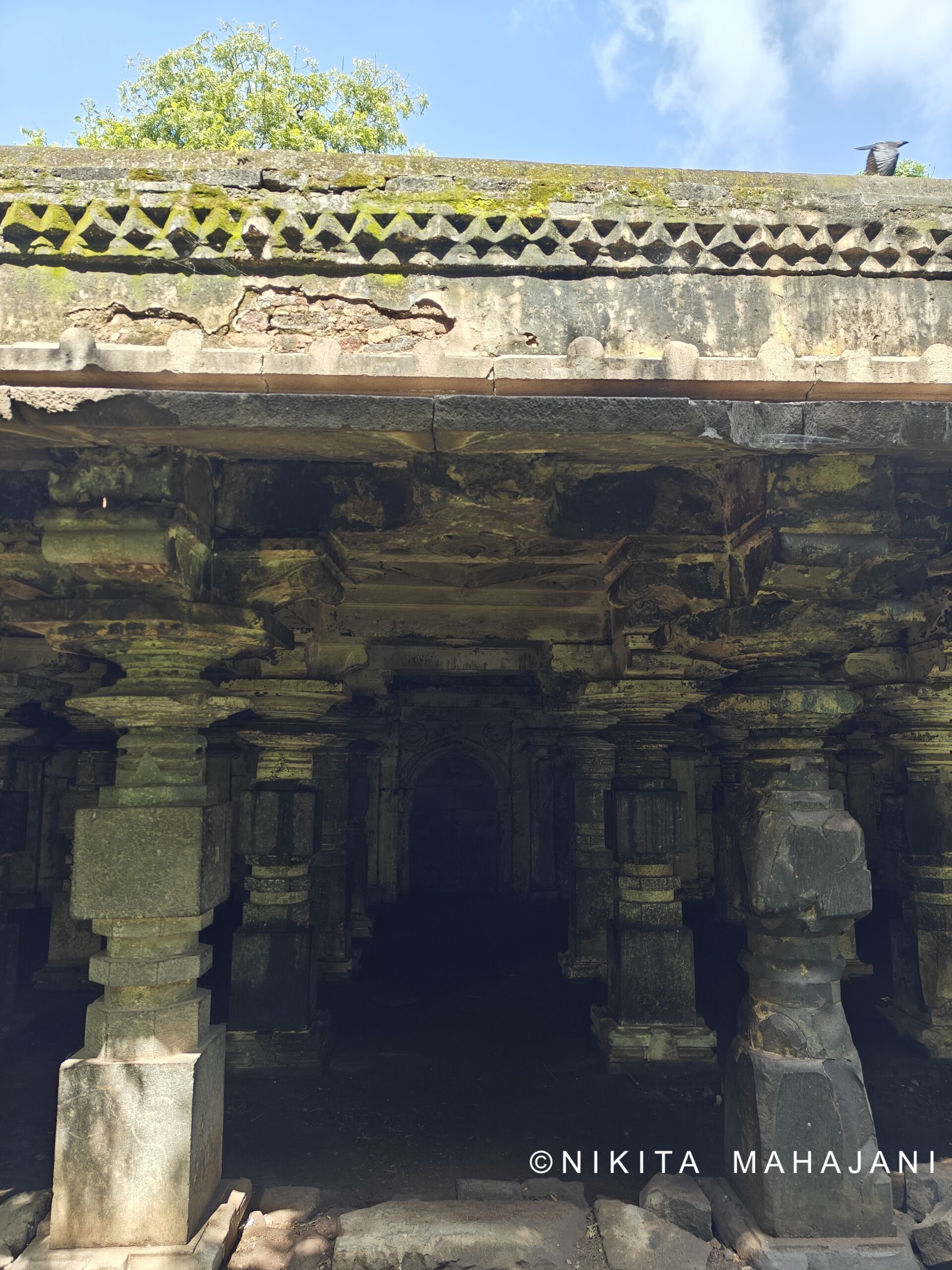
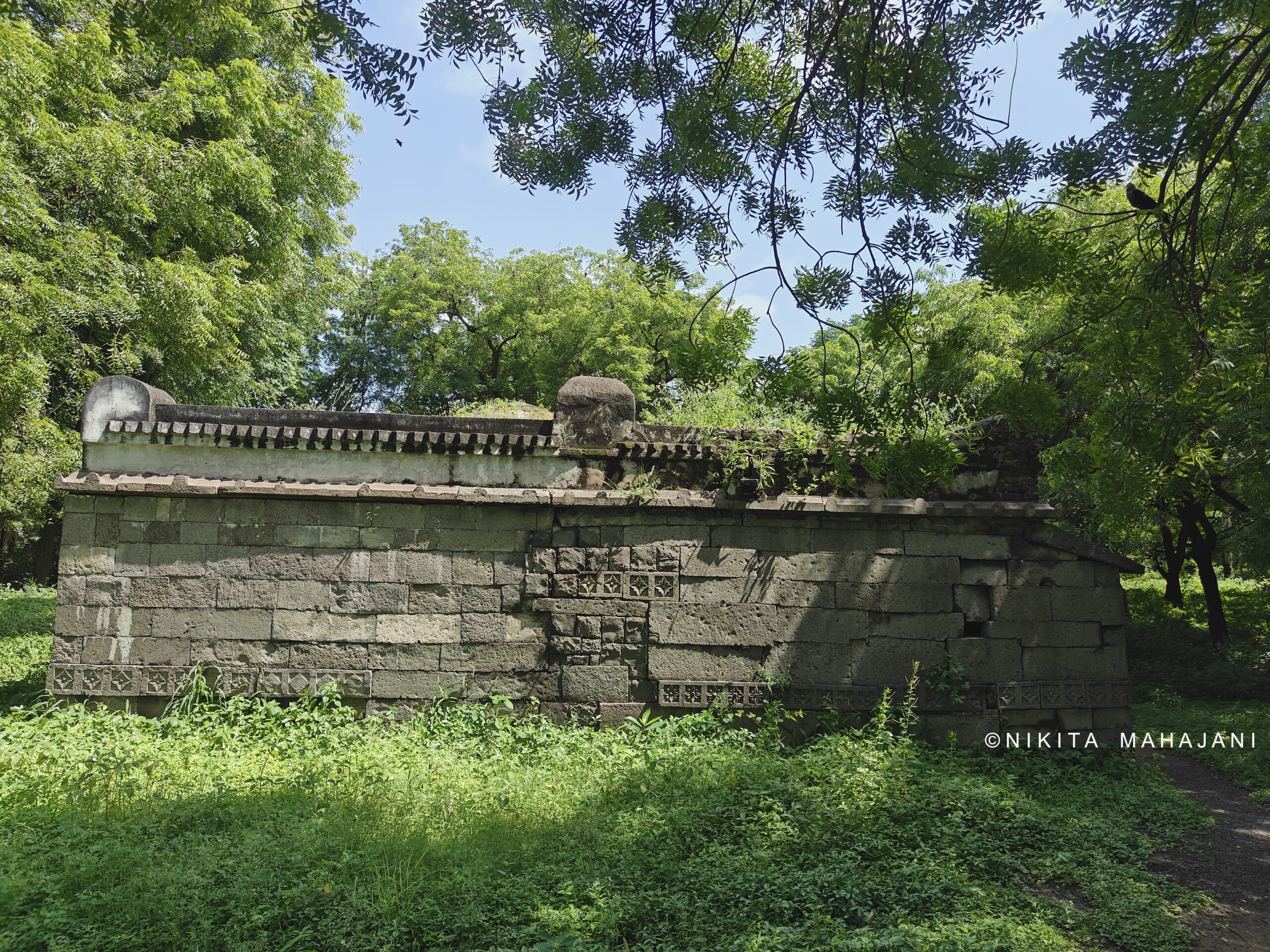
Further ahead, there is a mosque having a pillared hall.
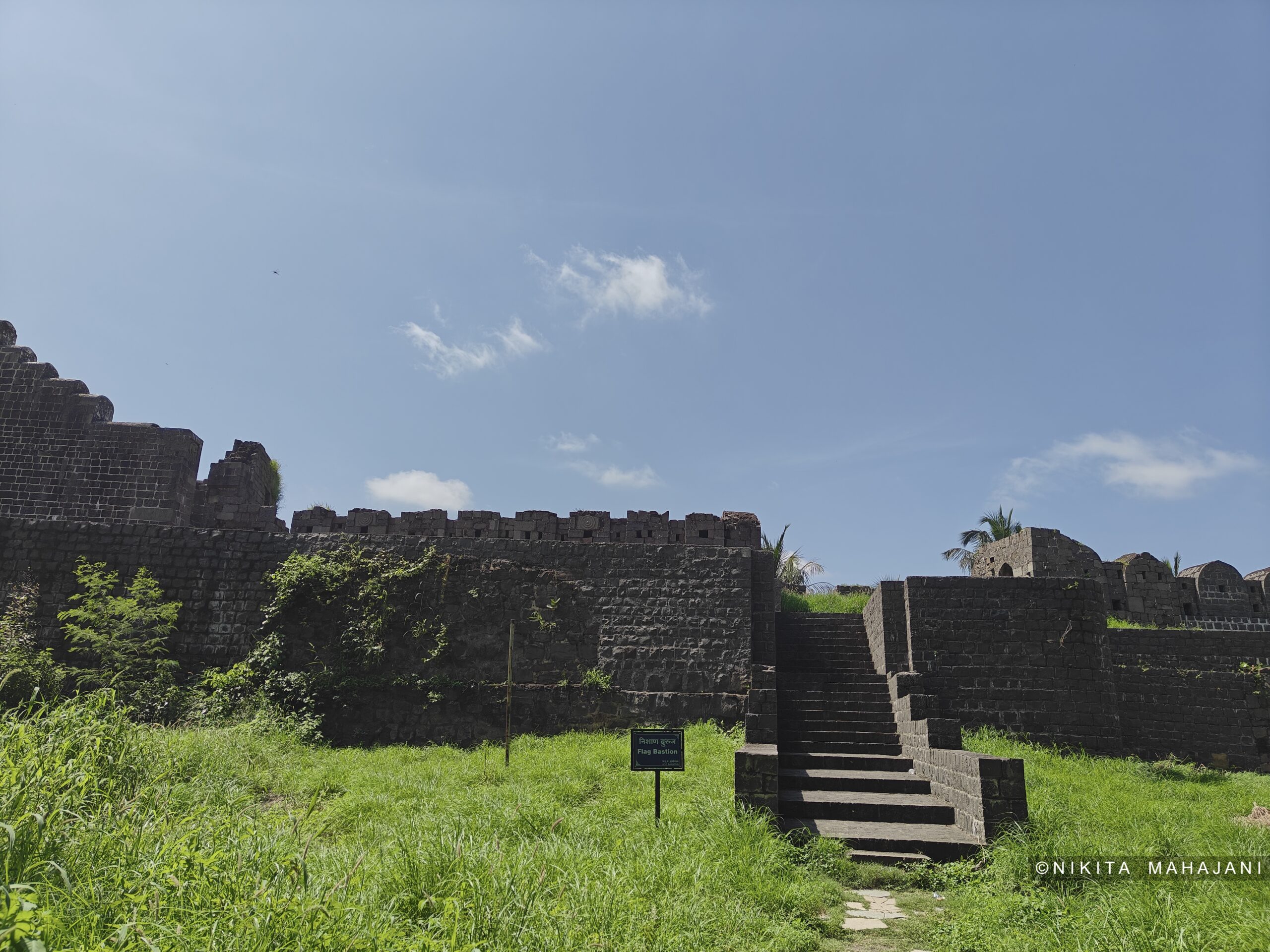
Every year, the flag hoisting ceremony of independance day and republic day happens on the flag bastion. It is the tallest point of this fort and one can see the majestic Siddheshwar temple from here. It took us 30 minutes to walk around the entire Fort and then we headed to the adjacent Siddheshwar temple.
Siddheshwar Mandir
Siddheshwar Mandir has a huge paid parking lot. However there is no charge to enter the temple. This temple is not pet friendly. The Siddheshwar Mandir is located on an island in the Siddheshwar talav (lake). A pedestrian bridge from the parking leads to the temple. This entire marble bridge is completely shaded and offers beautiful views of the Siddheshwar talav.
The Siddheshwar Temple traces its origins to the 12th century, when it was established by the revered saint Shri Siddharameshwar, a disciple of Shri Mallikarjuna of Srisailam. Renowned for his devotion and selfless service, Shri Siddharameshwar was instrumental in spreading the teachings of Shri Basaveshwara, the founder of the Lingayat sect.
Legend holds that the saint received a divine vision directing him to install 68 Shiva Lingams across Solapur, with the central temple serving as a powerful spiritual nucleus. His aim was to harmonize the followers of Lord Shiva and Lord Vishnu, promoting unity among devotees. The Samadhi of Shri Siddharameshwar, located within the temple complex, continues to make the site a place of immense historical and spiritual importance.
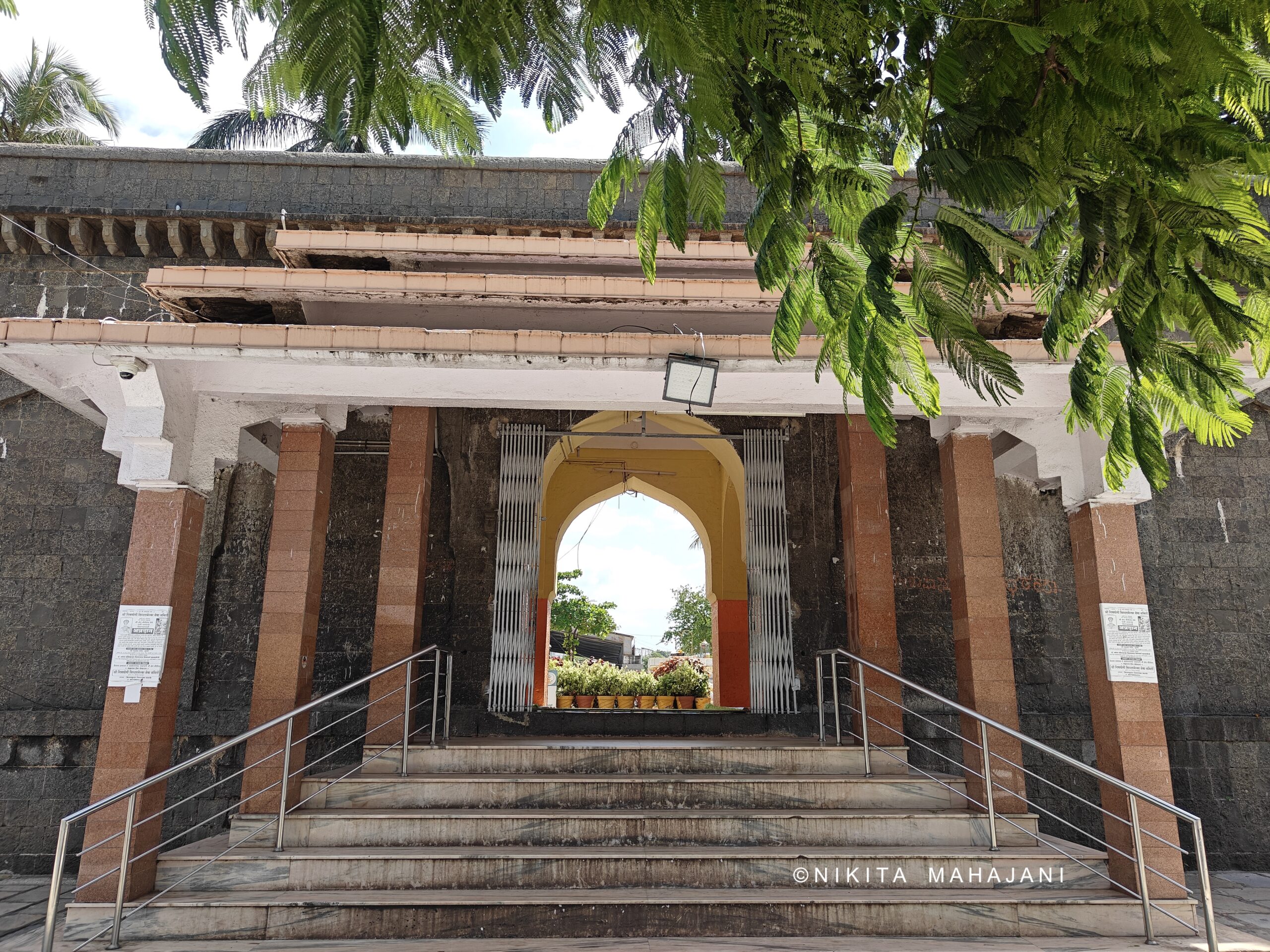
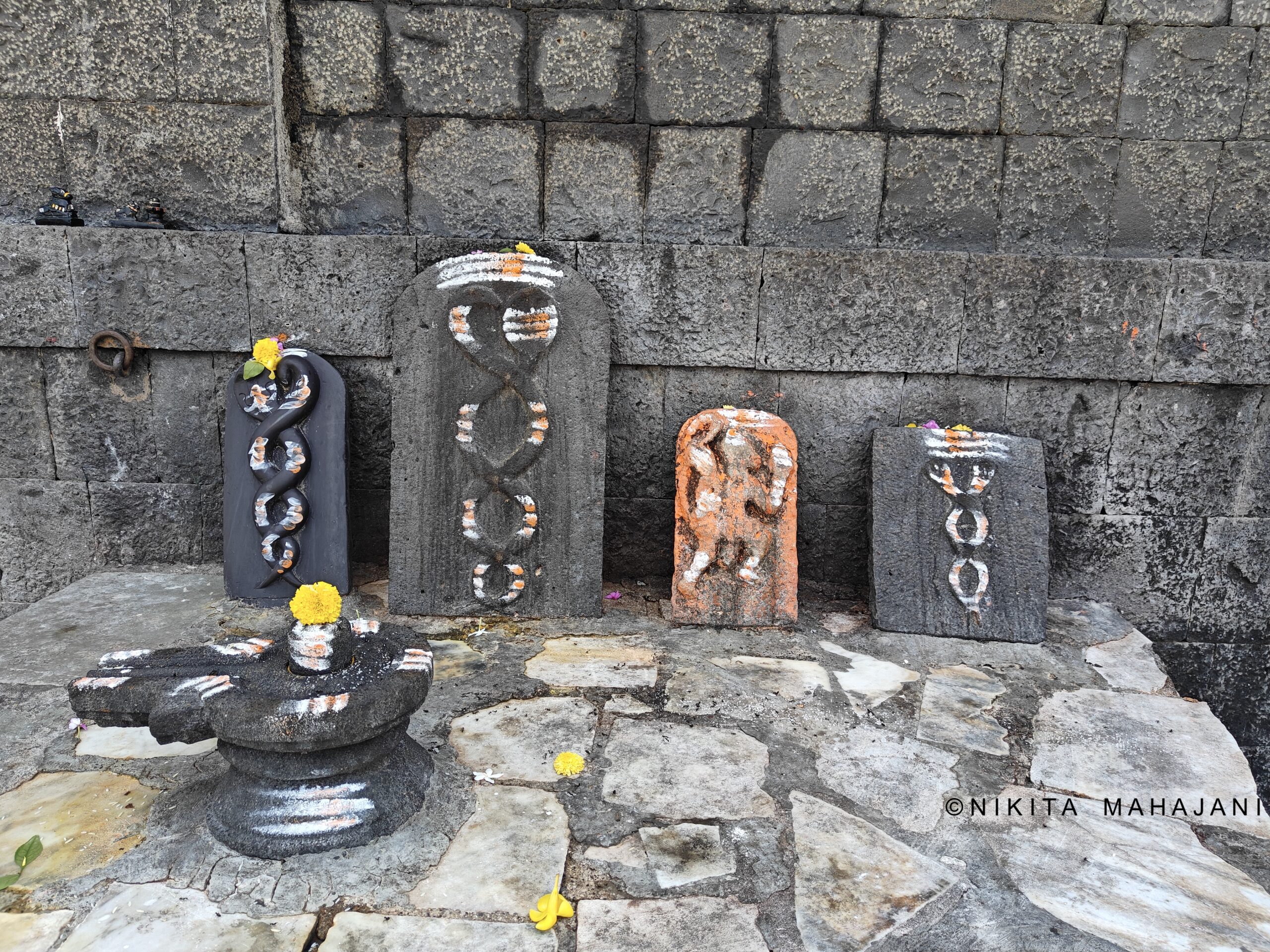
Ancient nagshilas, shivlingas, nandi sculptures are lying at the entrance of the temple.
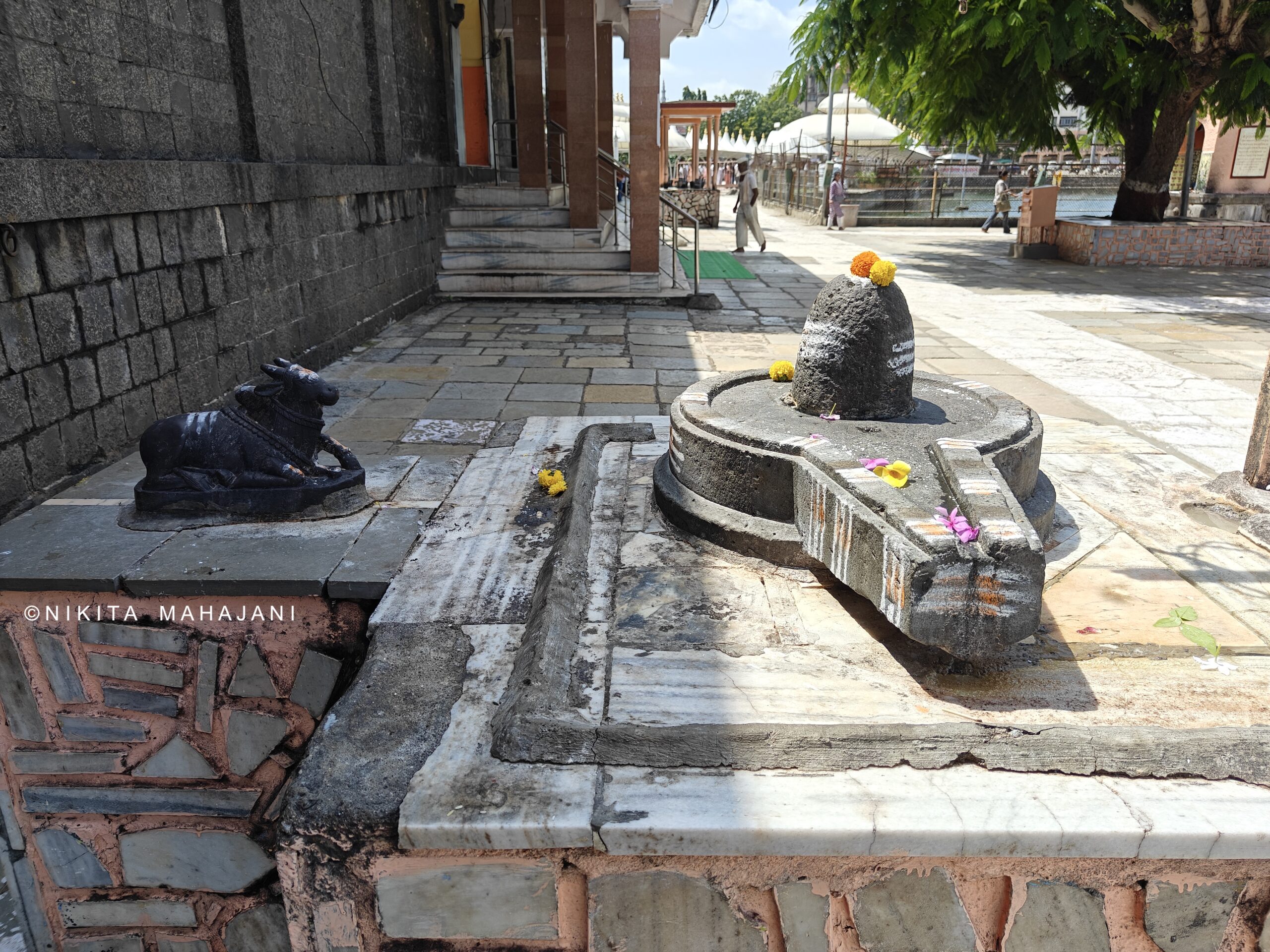
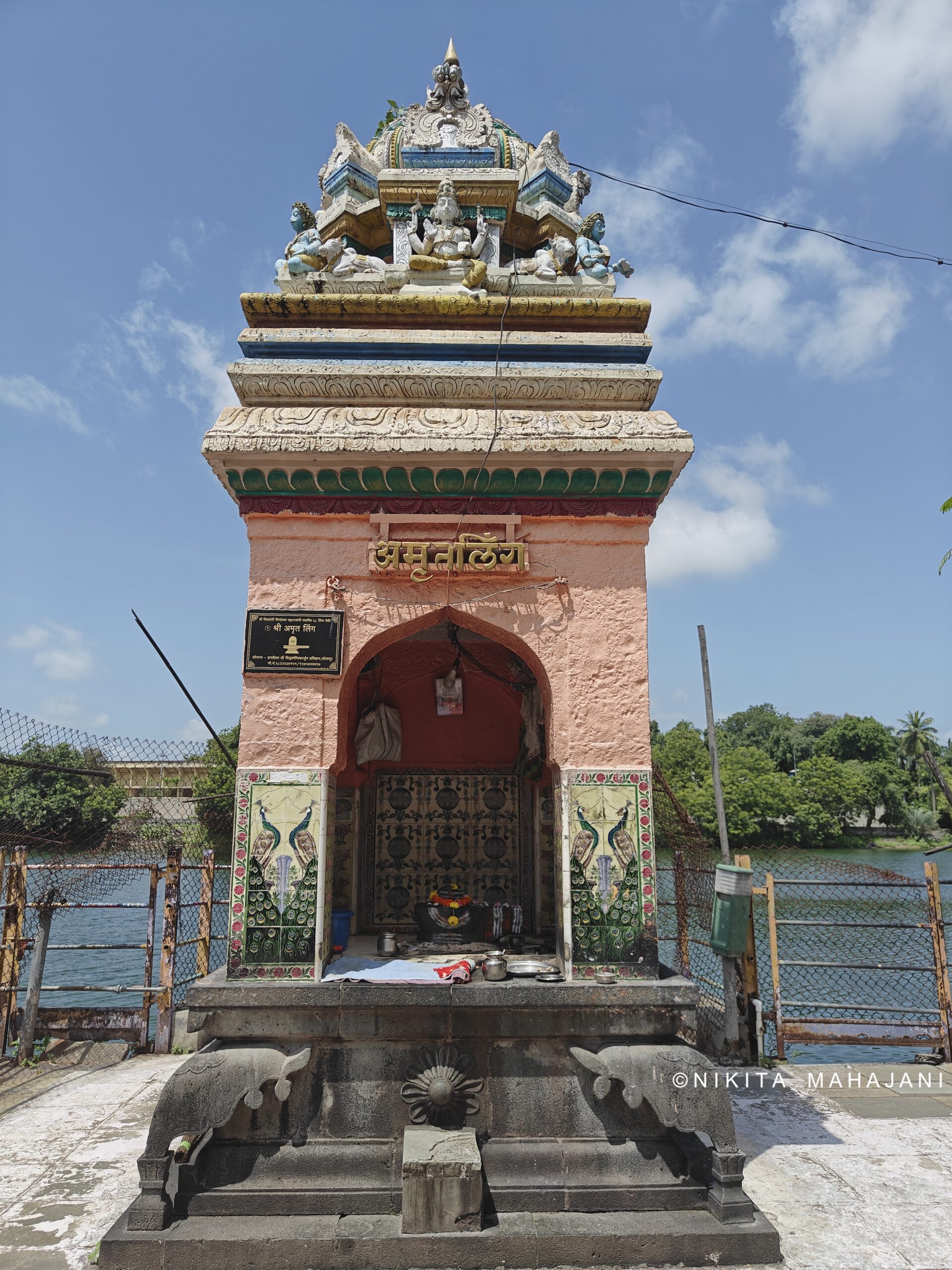
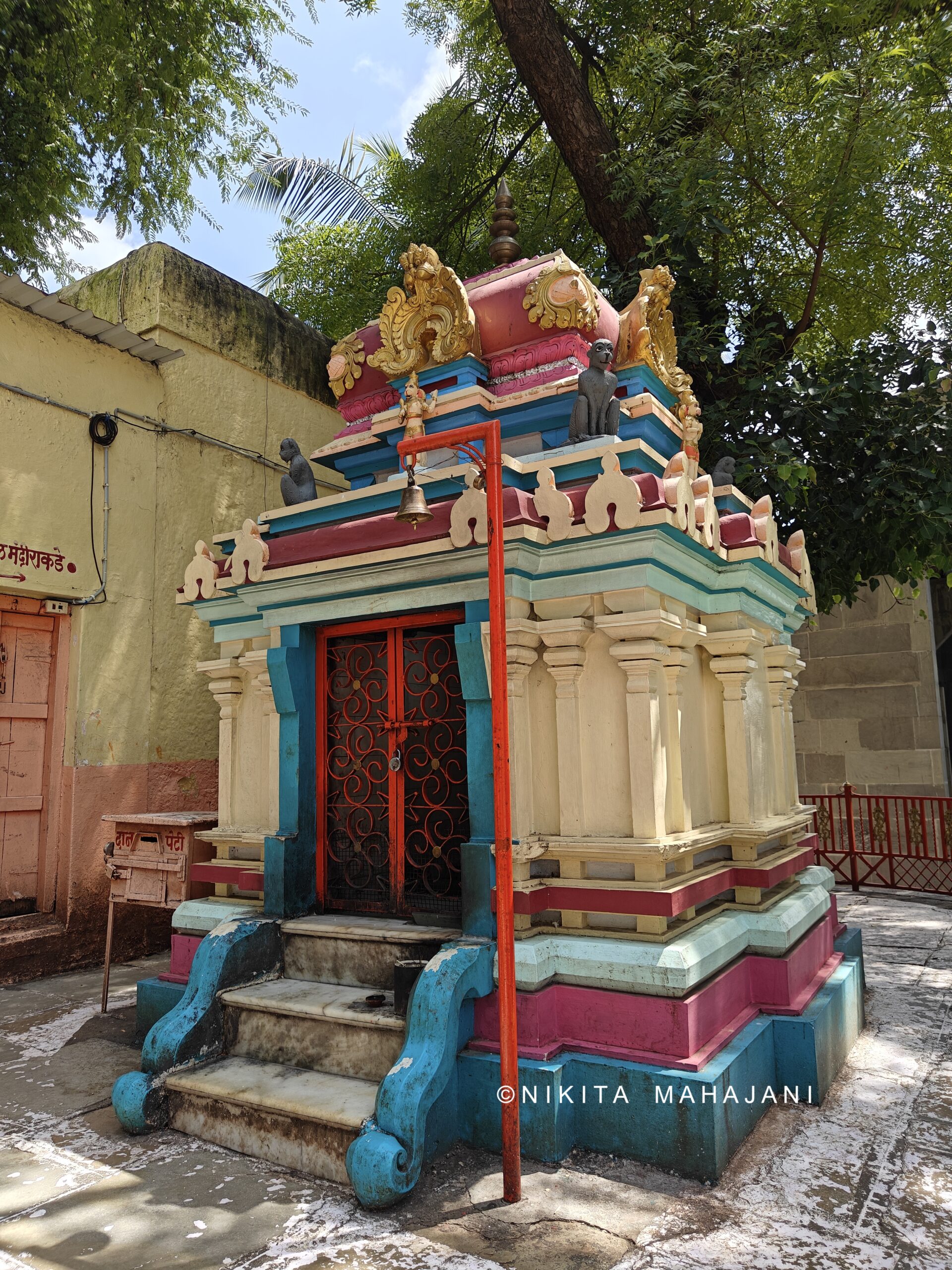
There are a couple of tertiary shrines in the premises of the main temple.
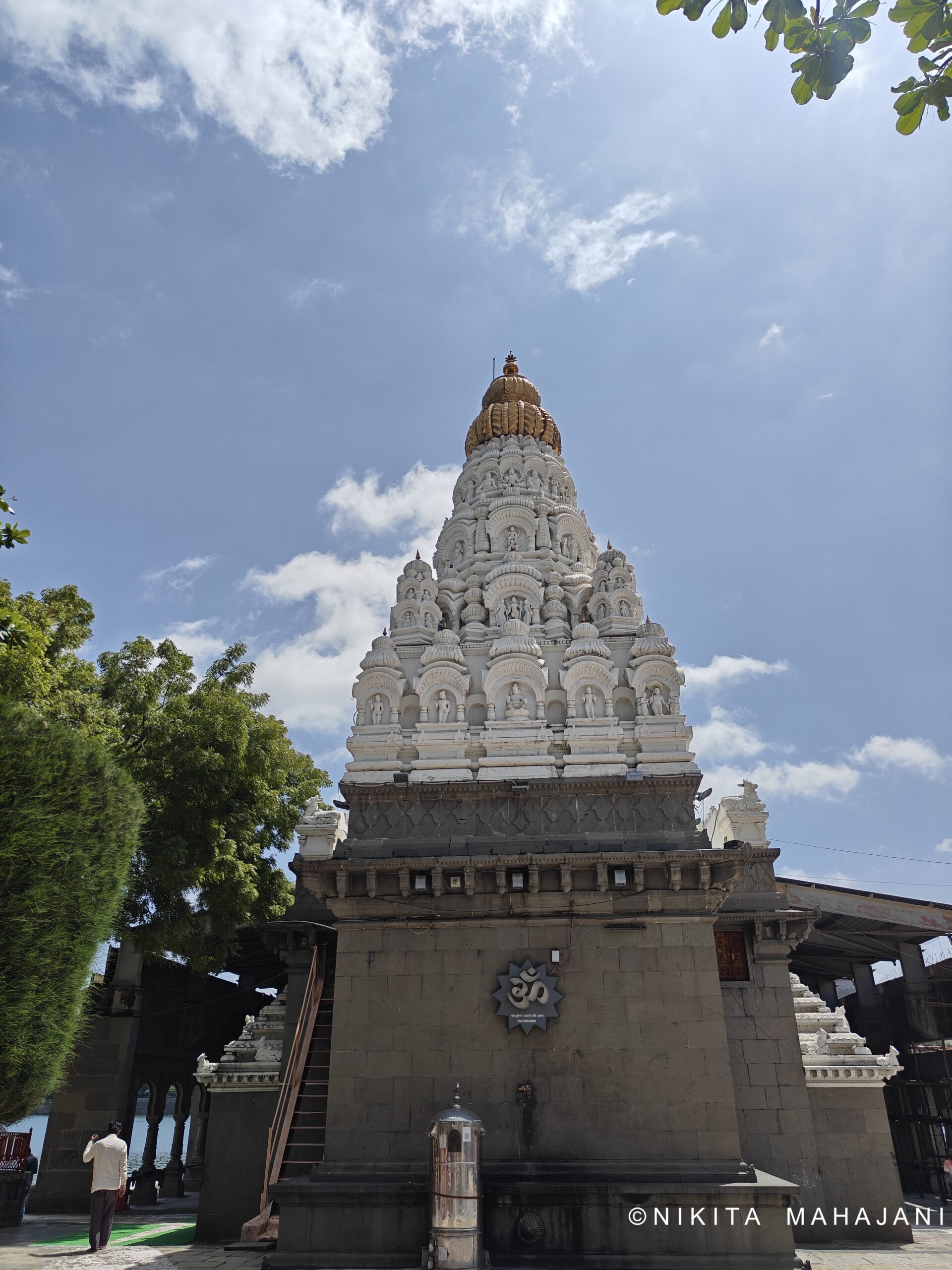
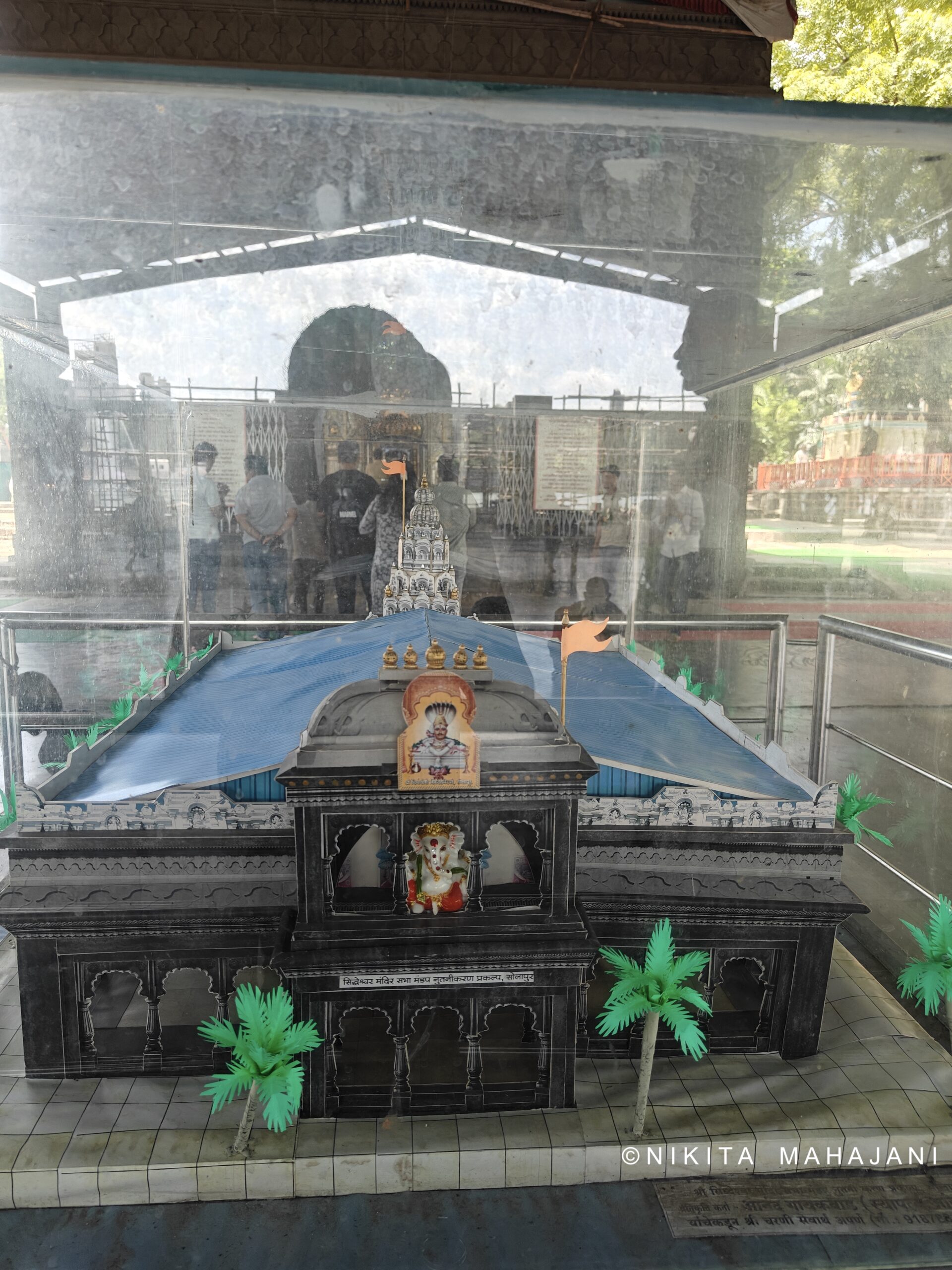
Major renovation work was going on in the front yard of the temple. A huge semi covered prayer space was being constructed and its architectural model is displayed. The shikhar of the temple is constructed in the Maratha style.
The garbhagriha of the temple has intricate carvings done in aluminium.
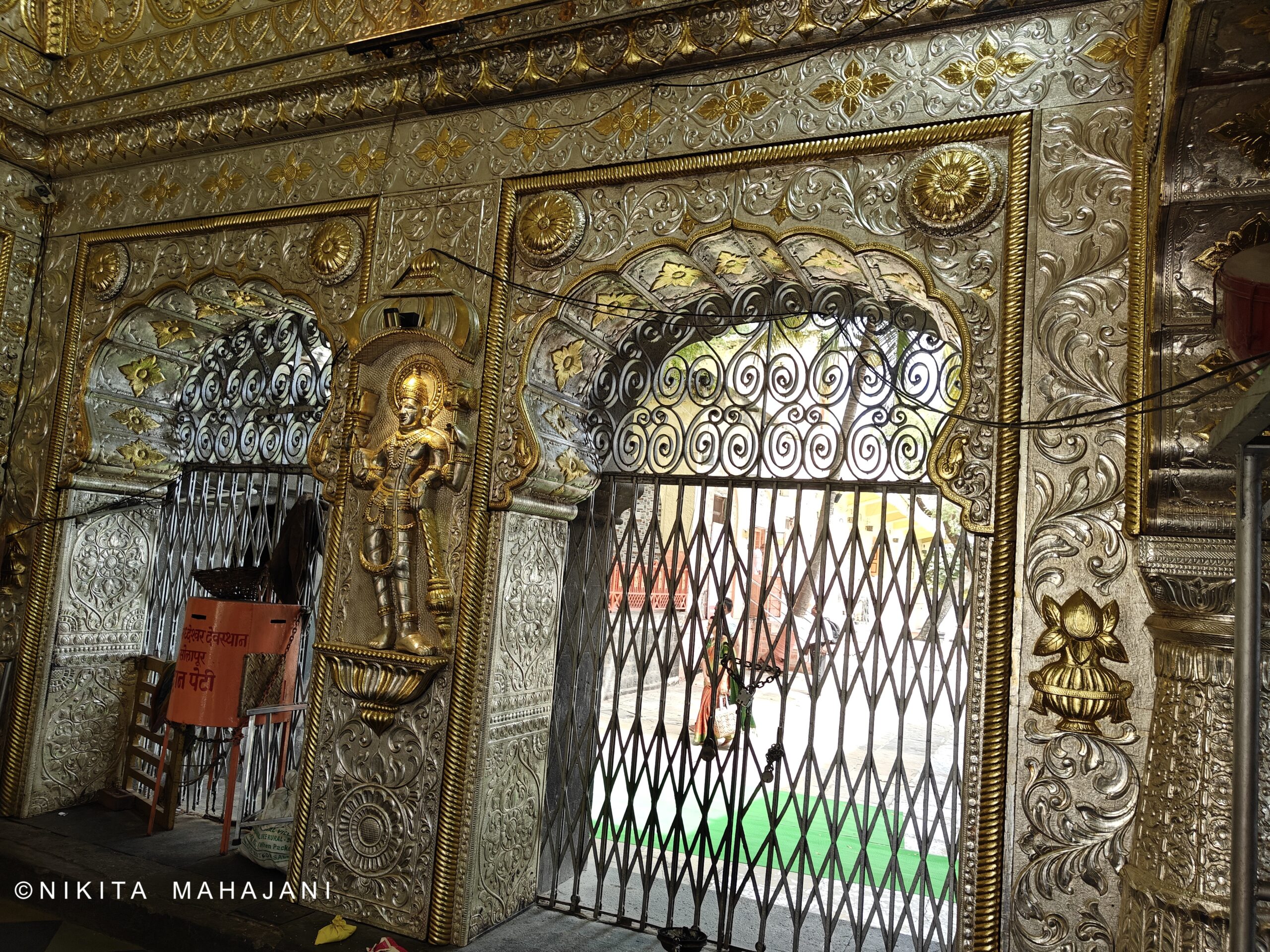
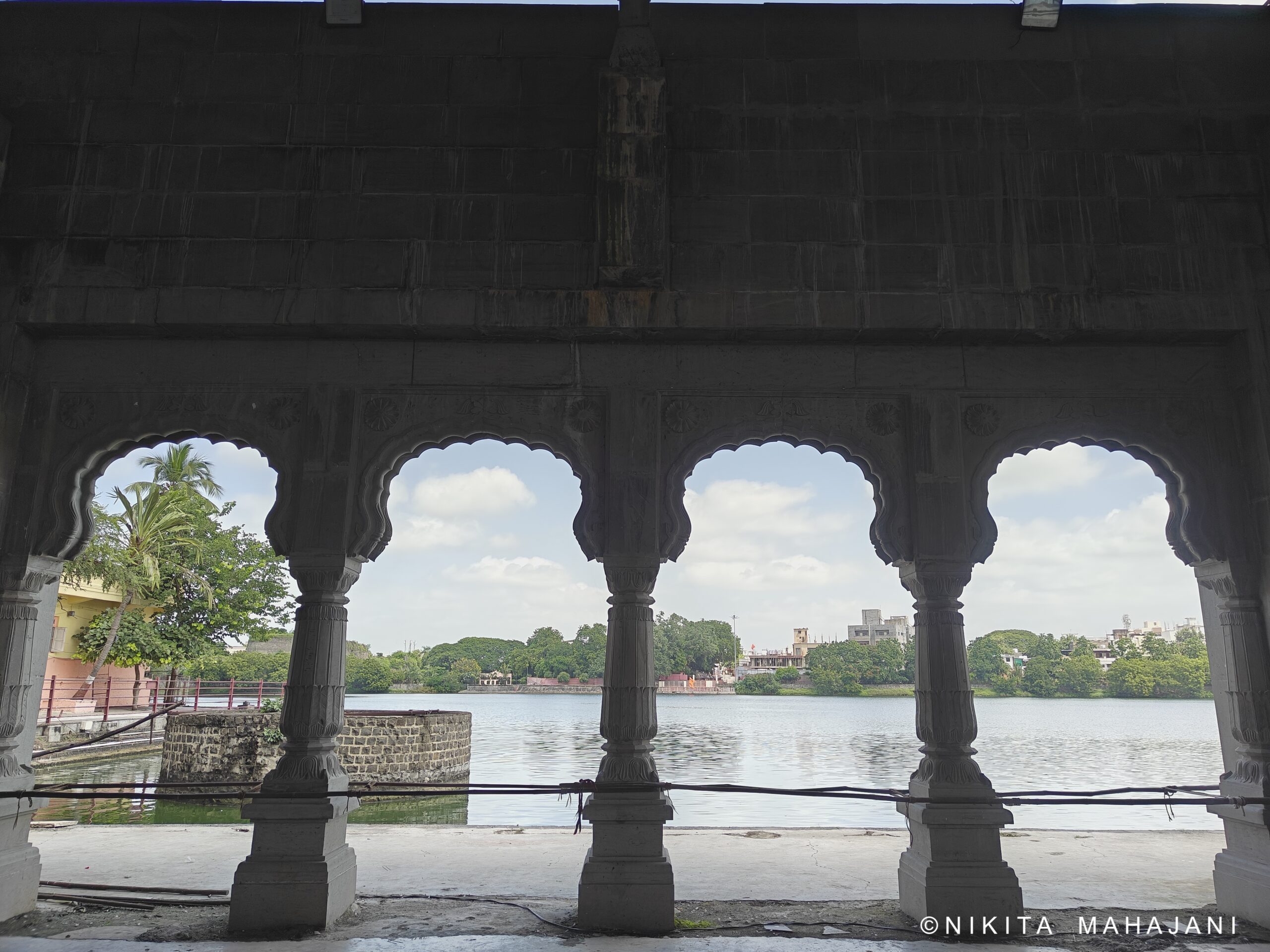
The arcaded semi open space (under construction) offers views of the lake.
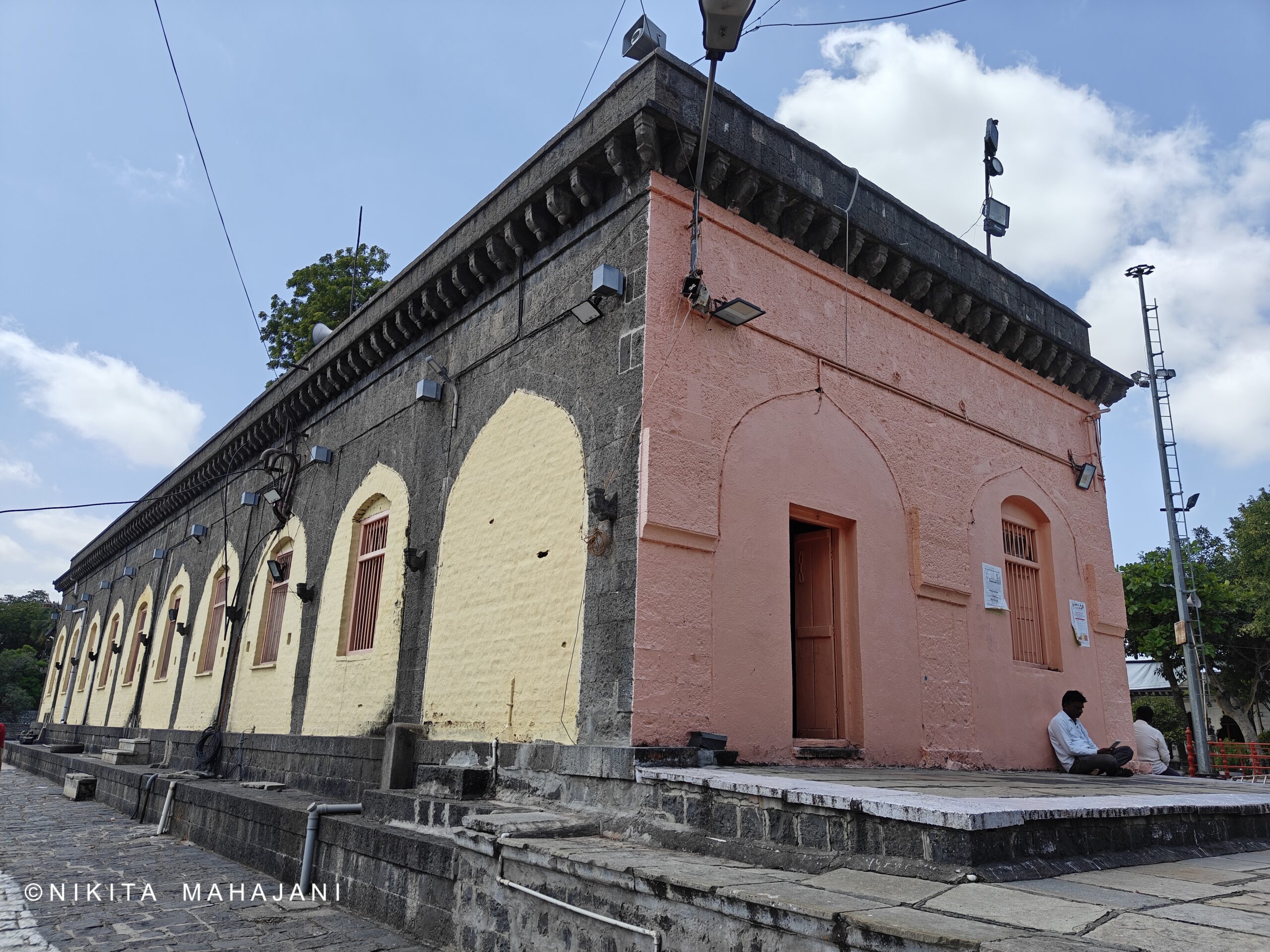
Solapur Municipal Corporation
Since it was a Sunday, the offices in the Solapur Municipal Corporation were shut, but the gates of the plot were open. Entry to this building is free of cost. Pets are strictly not allowed.
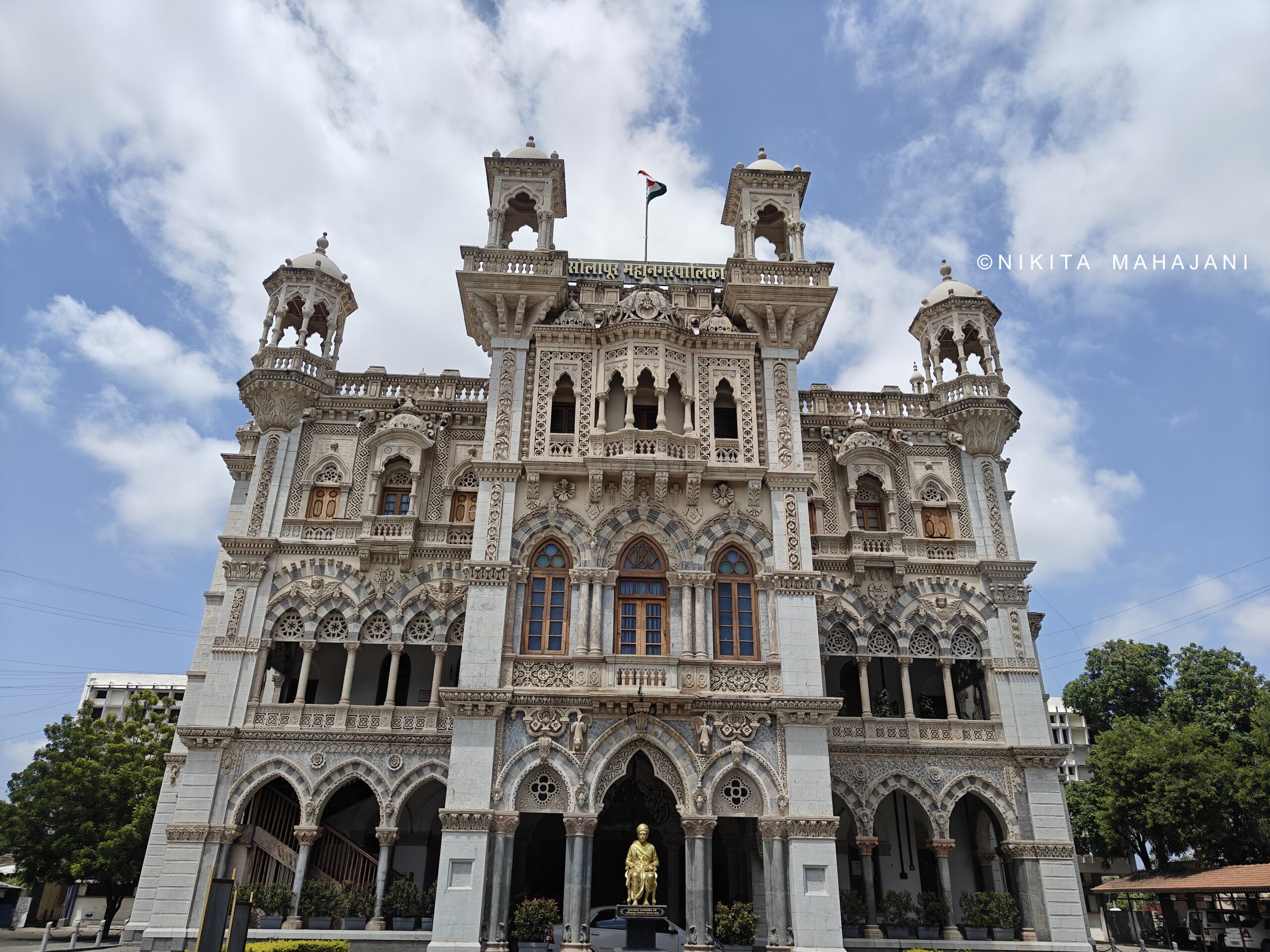
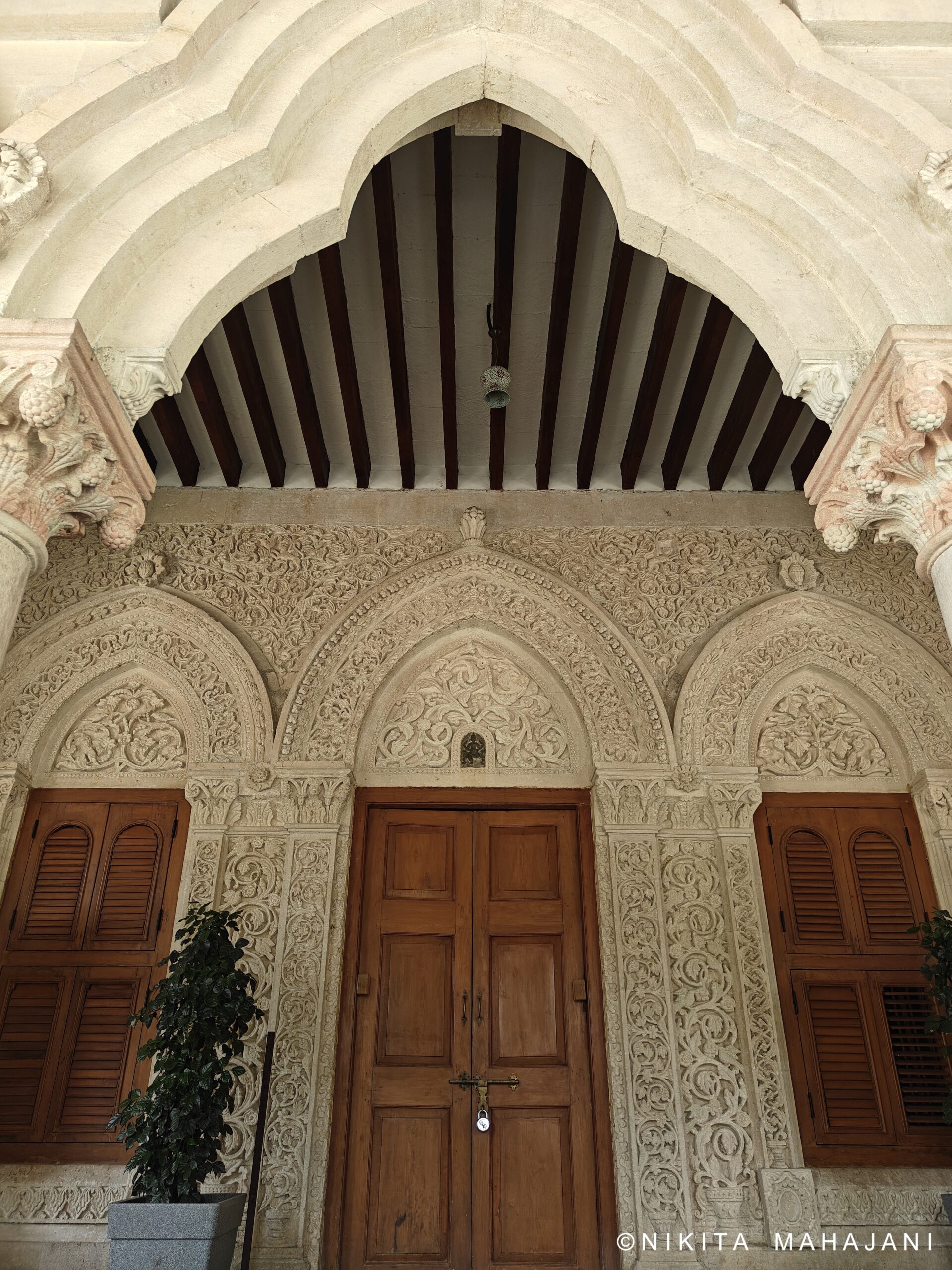
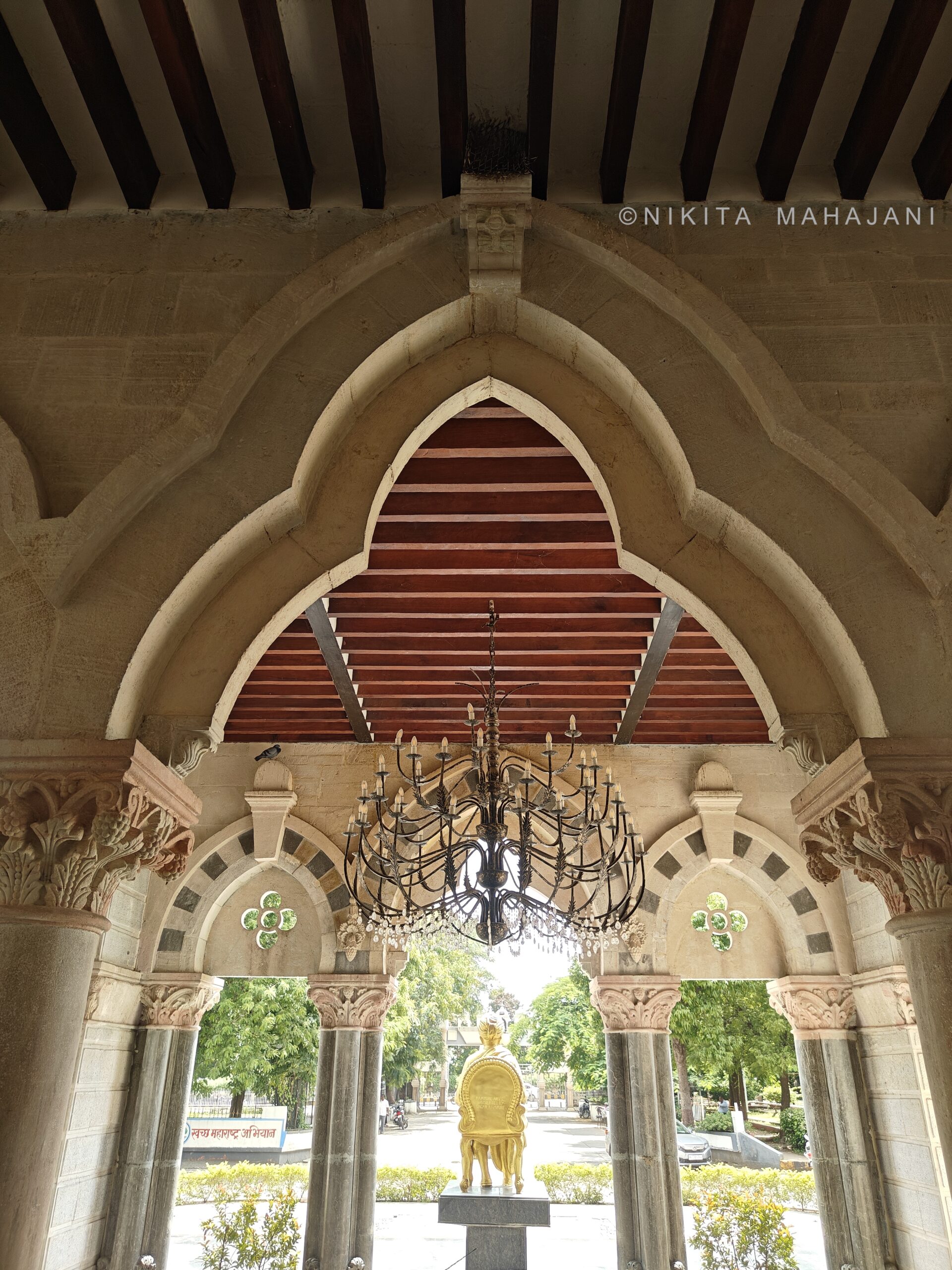
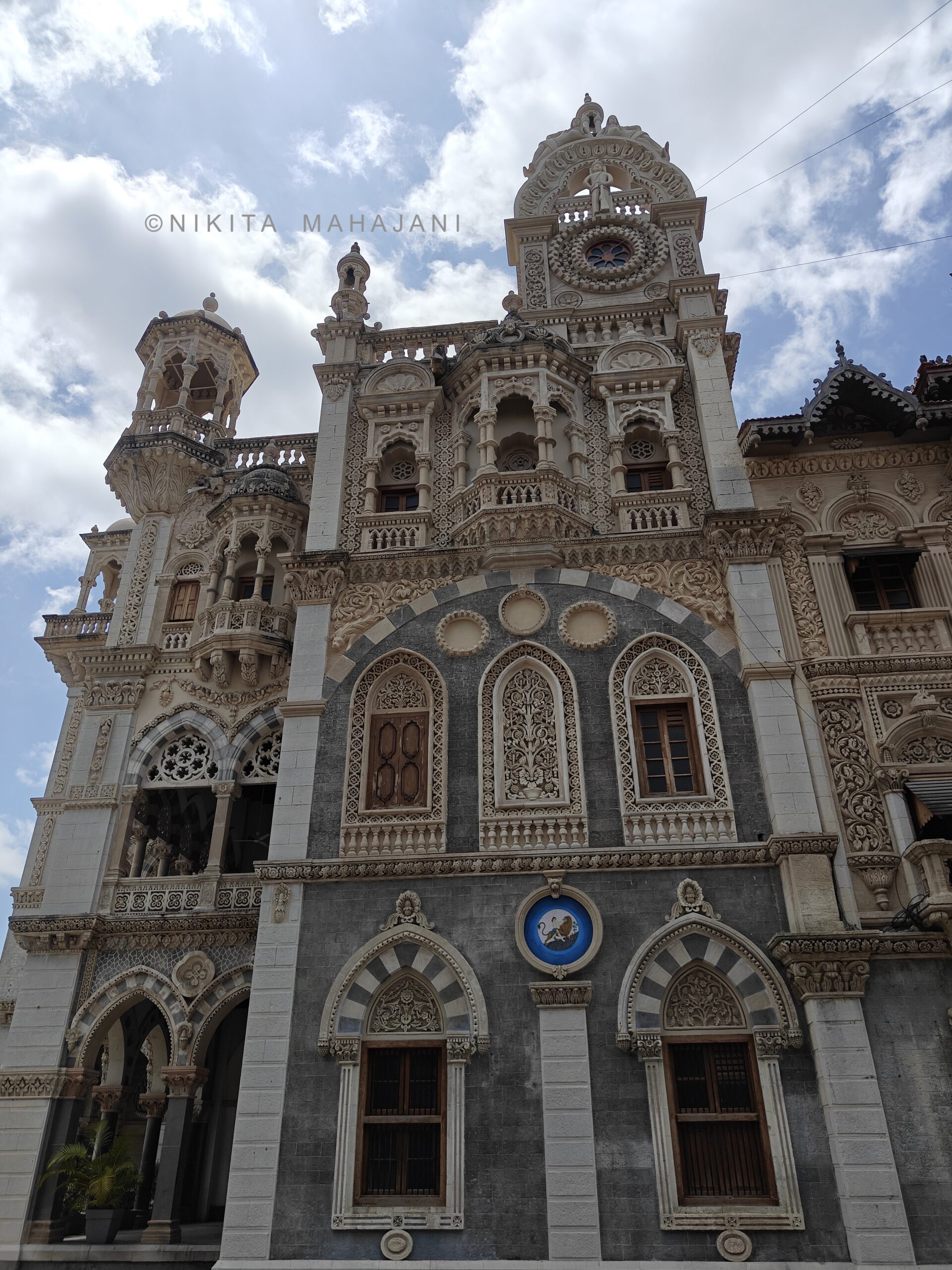
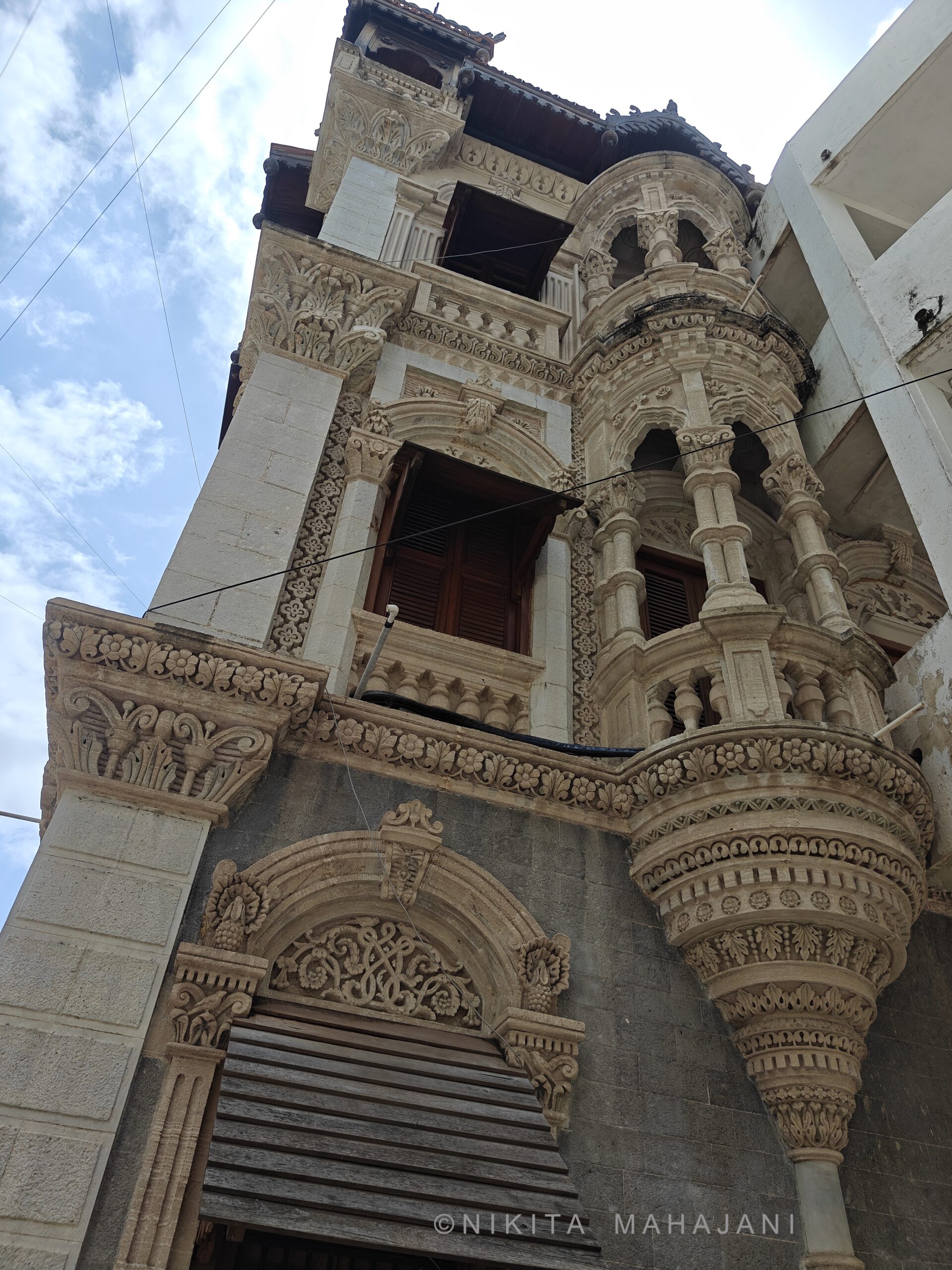
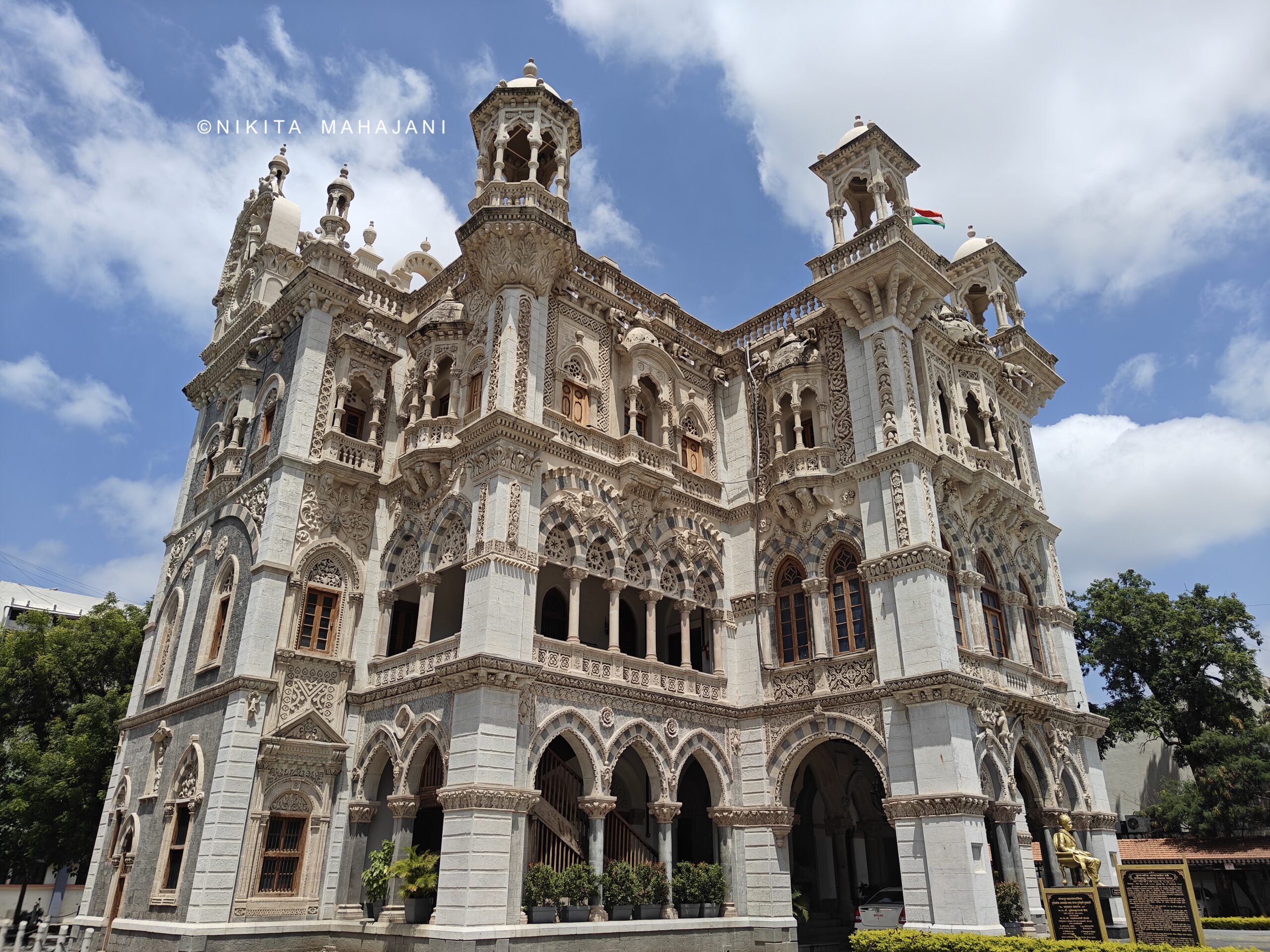
This building is originally known as Indra Bhavan. It reflects a unique fusion of Baroque, Rococo, and Indian architectural influences. Initiated in 1899 by philanthropist Appasaheb Warad, the construction spanned approximately 12 years. Throughout its history, the building has fulfilled various roles, serving as a residence, a high school between 1918 and 1930 (with the exception of 1924–25), a district court in 1930, and eventually becoming the Municipal Corporation from 1964 onwards.
After visiting all these places, we went back to Hotel Center Point to have lunch. Post lunch, we checked out and started the journey to Pune.
To read the next blog click here.


