To read the previous blog on Day 01 & 02: Burhanpur, click here.
Day 03: Burhanpur & Asirgarh
Our Day 3 in Burhanpur began with a hearty breakfast at Hotel Highrise Regency at 8:30 AM. After savoring the local flavors, we checked out, ready to explore the historical gems the city had to offer.
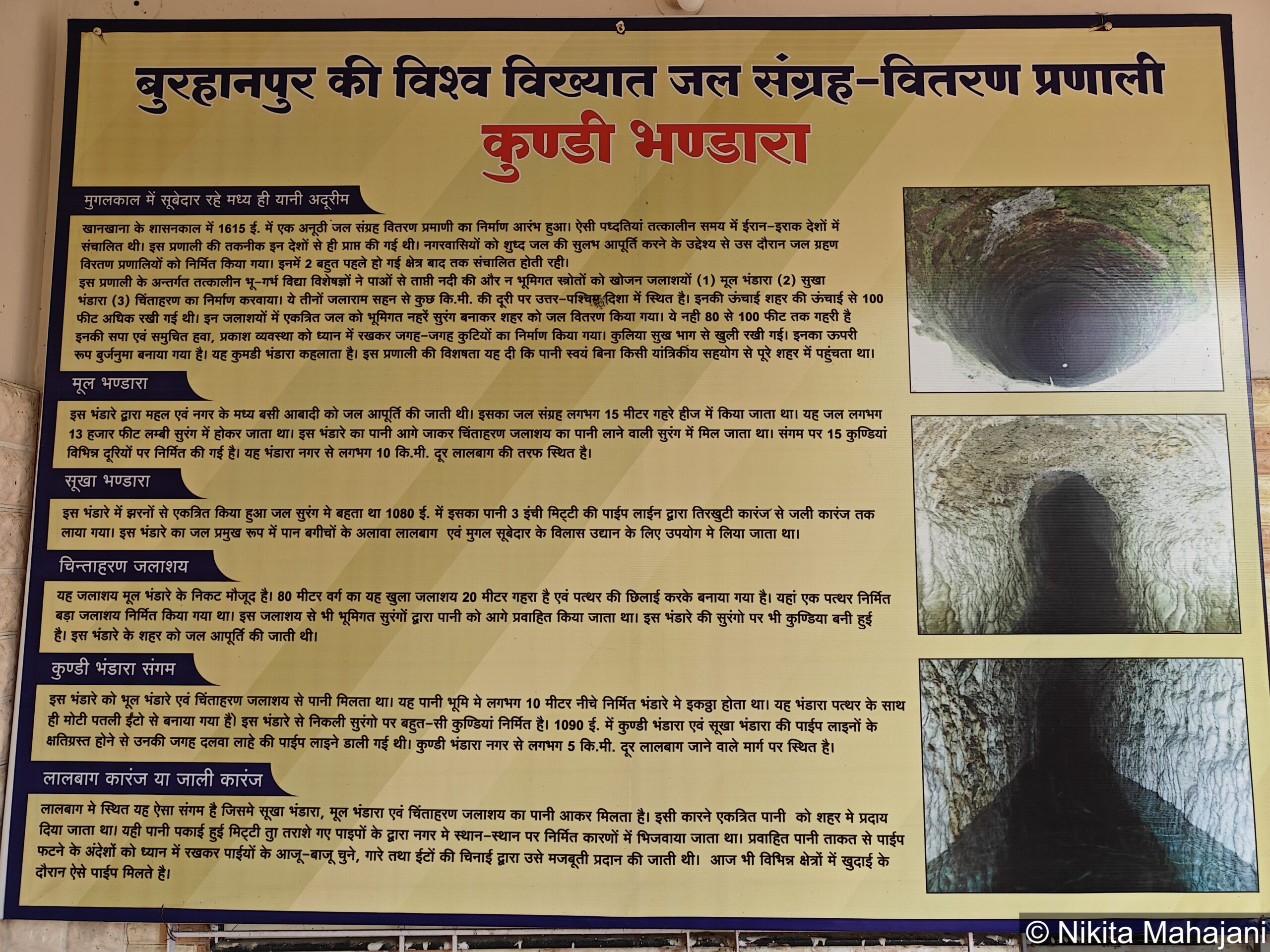
Kundi Bhandara: Our first stop was the fascinating Kundi Bhandara, an ancient water management system known for its underground water channels. The ingenuity of this Mughal-era engineering marvel left us awestruck, showcasing the advanced hydrological knowledge of that era. We could see the vertical wells in the neighbourhood all along the way to Kundi Bhandara. Some of these wells are right the entrance of some houses. Some people have blocked these wells.
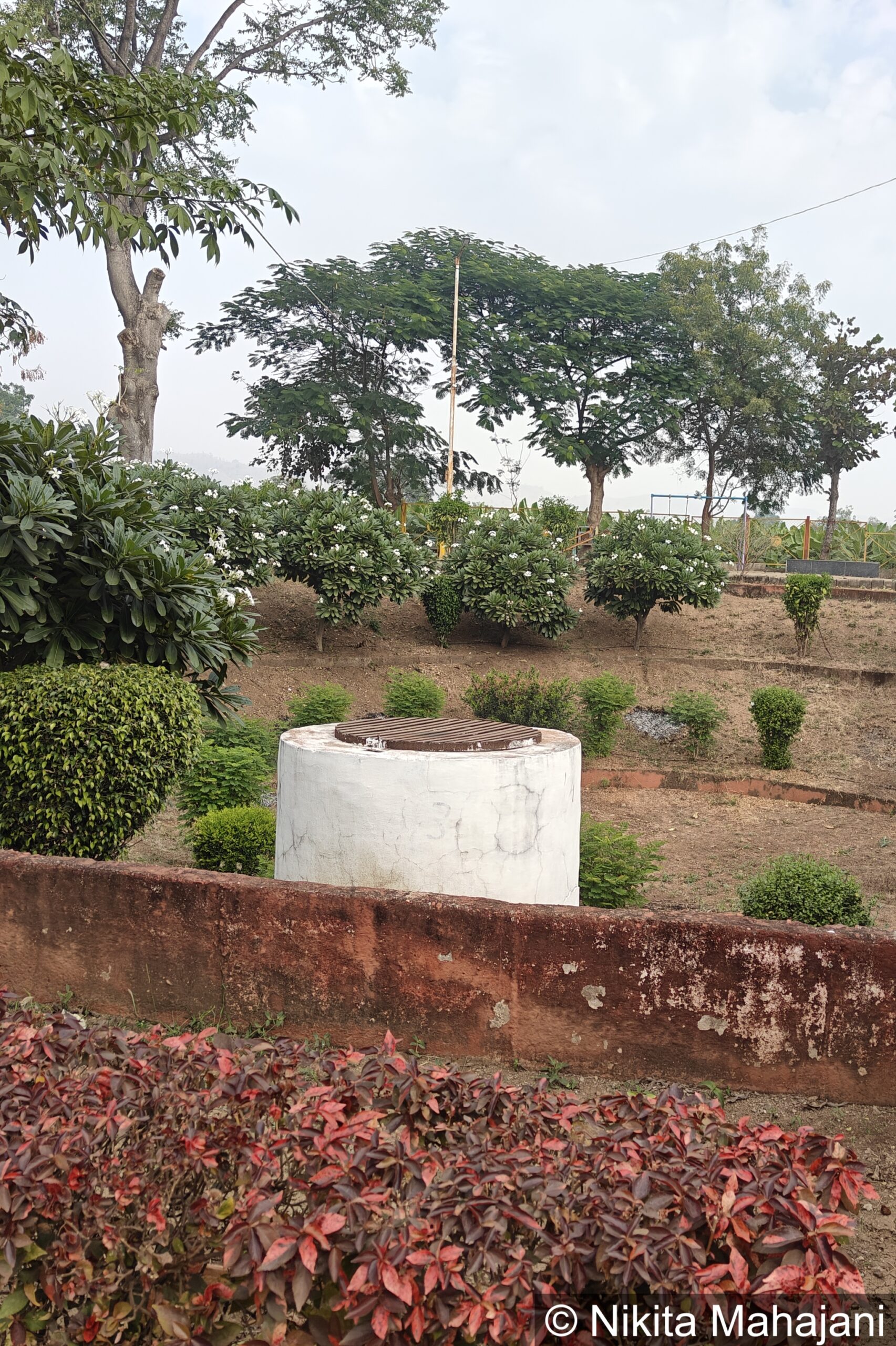
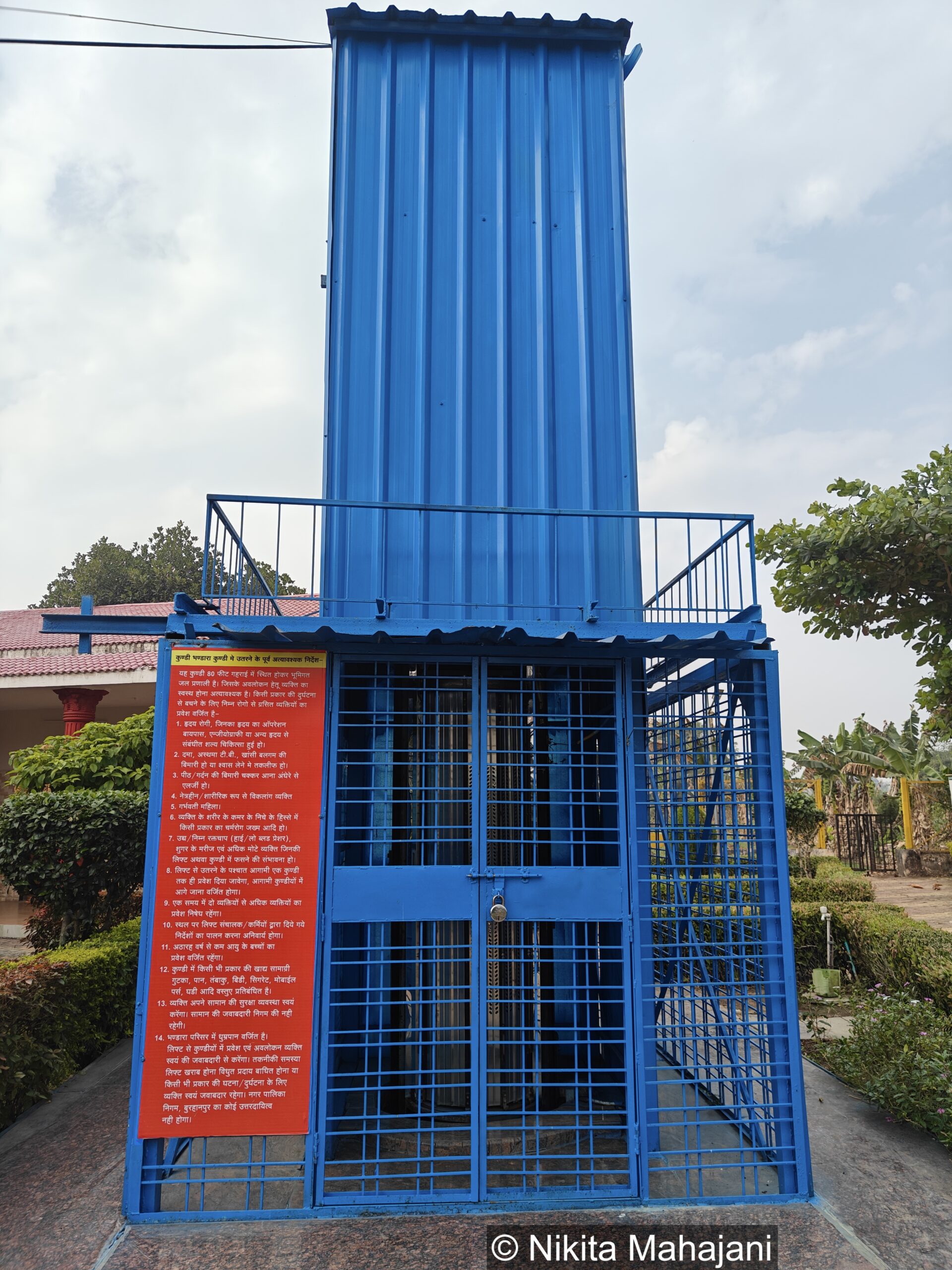
It is a fascinating network of ancient reservoirs. This 400-year-old water collection and distribution system, based on traditional Iranian technology, channels water from wells and transports it over long distances—entirely without the use of external power. Visitors can descend about 80 feet to view the underground water channel, although the lift provided was not operational during our visit. Due to the depth and conditions, entry is restricted for young children and individuals with medical issues. The site also features a small park where kids can play, making it a unique blend of history and leisure.
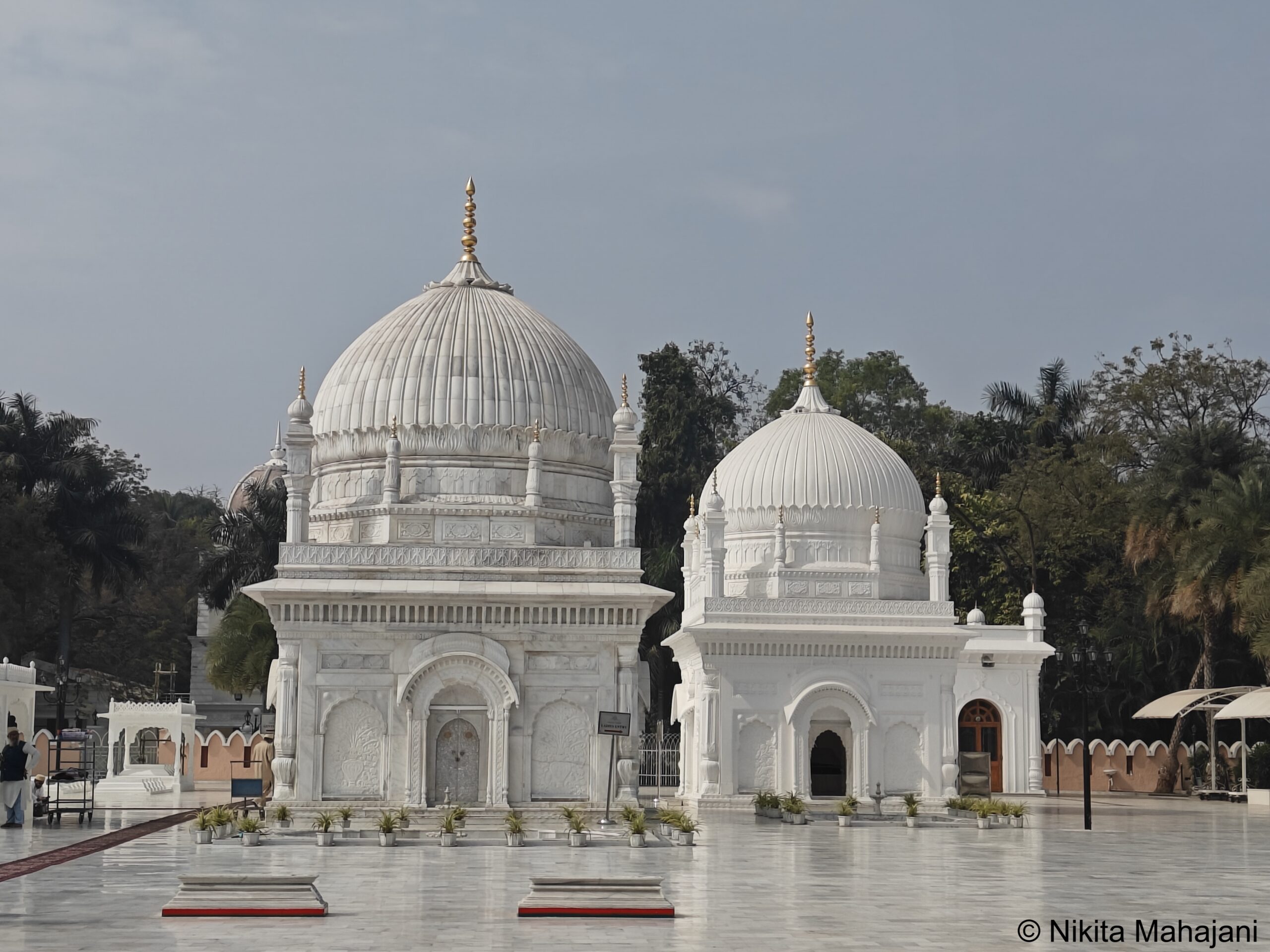
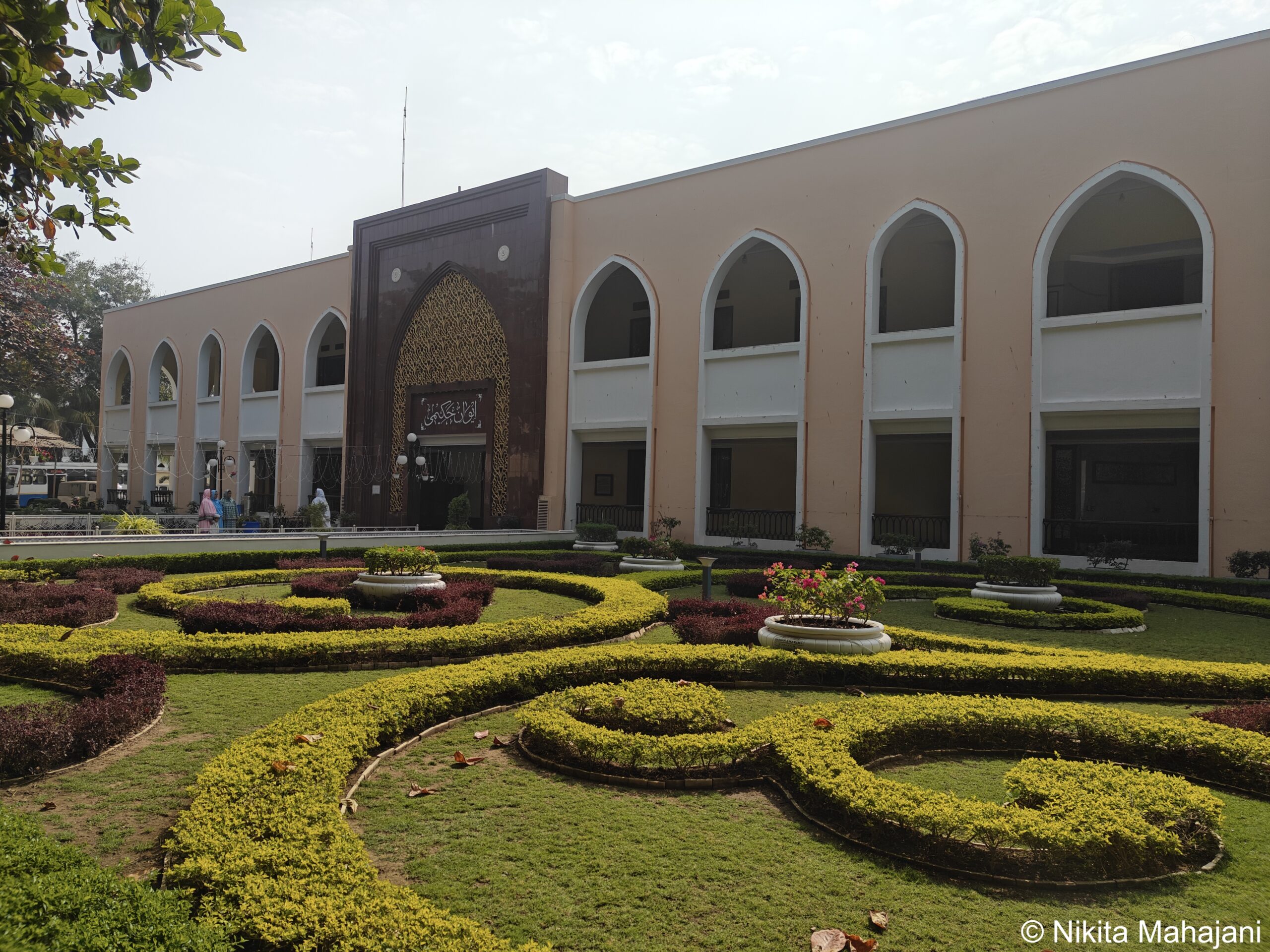
Next, we visited the serene Dargah-e-Hakimi, a revered pilgrimage site for the Dawoodi Bohra community. The pristine white marble structures, surrounded by beautifully landscaped gardens, created an atmosphere of peace and spirituality. It is mandatory for both men and women to cover their heads in the premises. Big size hankerchiefs and scarves are available in the market outside Dargah-e-Hakimi.
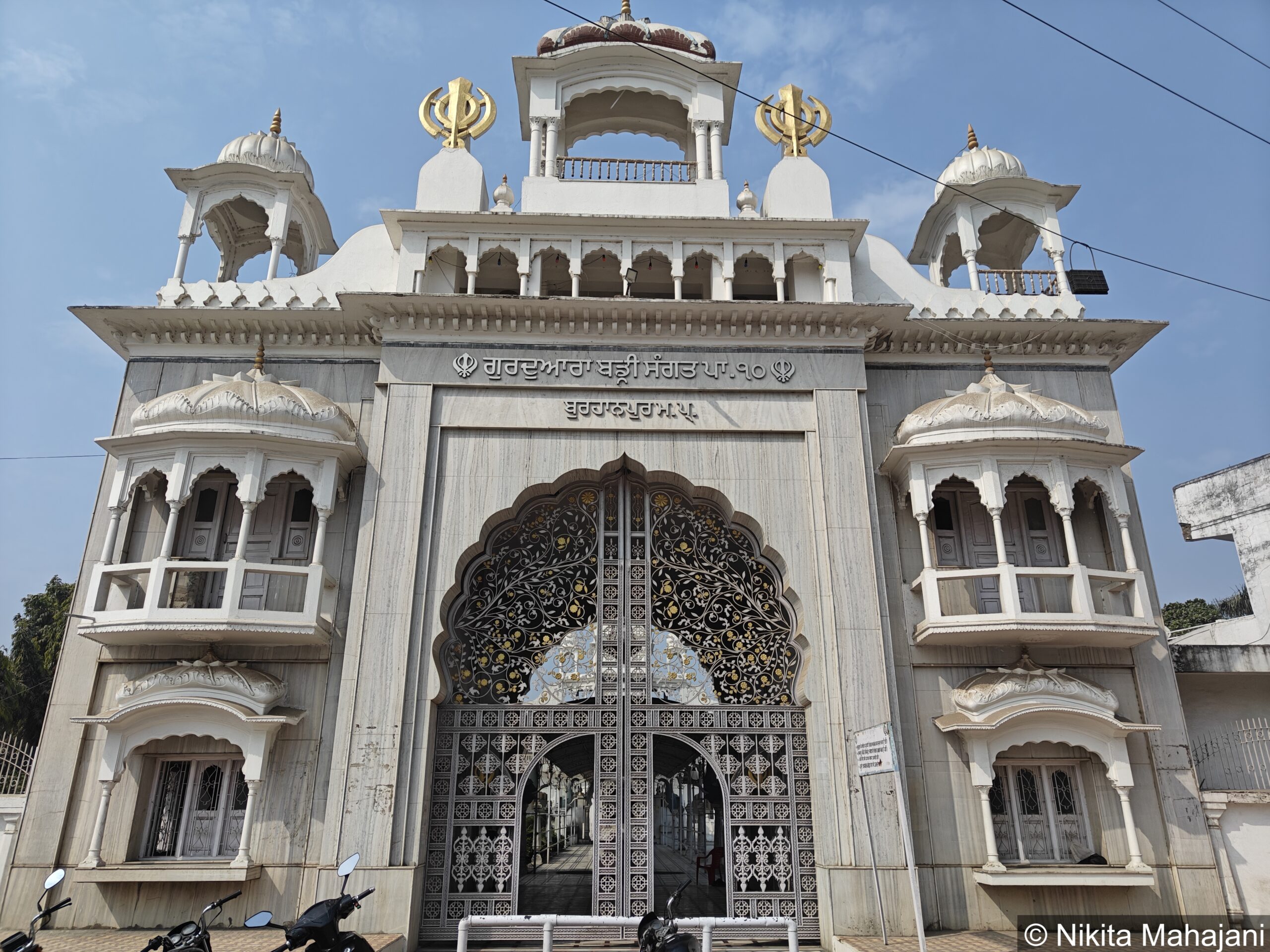
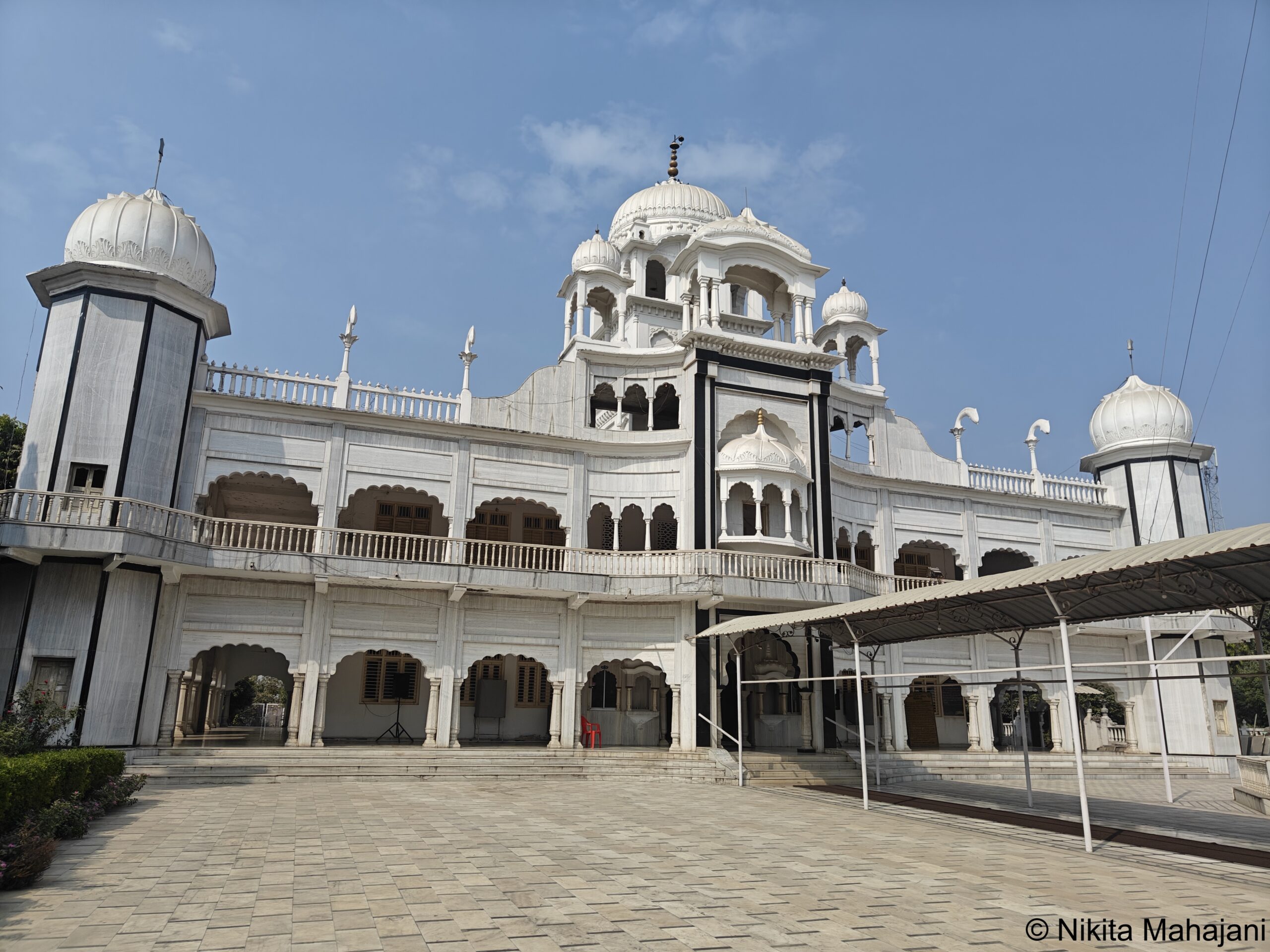
Our journey continued to the Gurudwara Badi Sangat, a significant Sikh pilgrimage site. The tranquil environment and the soulful hymns resonating in the background provided a sense of calm and reflection.
We then explored the Tomb of Shah Shuja and the Tomb of Nadir Shah, both echoing tales of Burhanpur’s rich historical tapestry. The intricate Mughal architecture, adorned with detailed carvings, spoke volumes about the grandeur of the past.
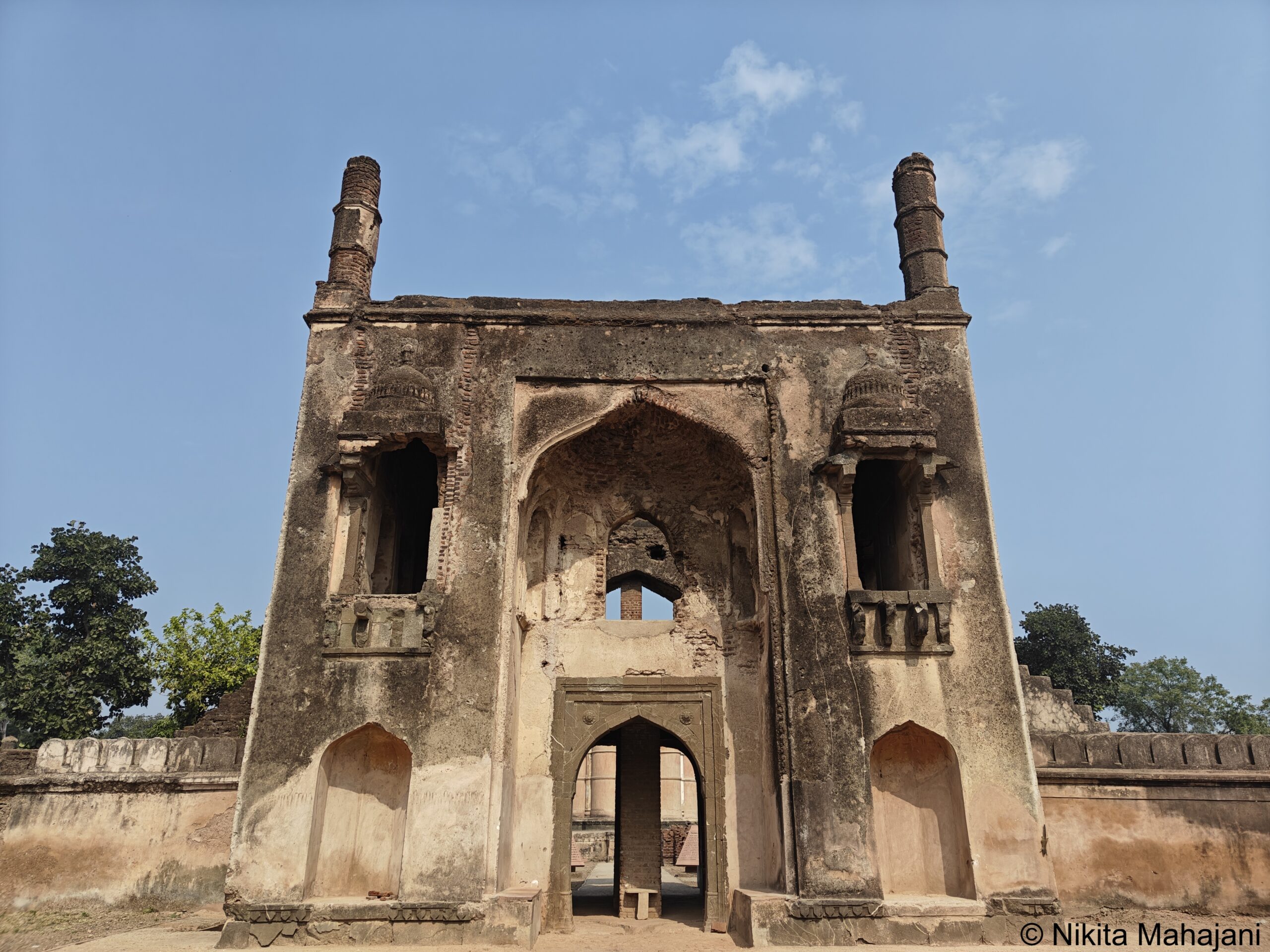
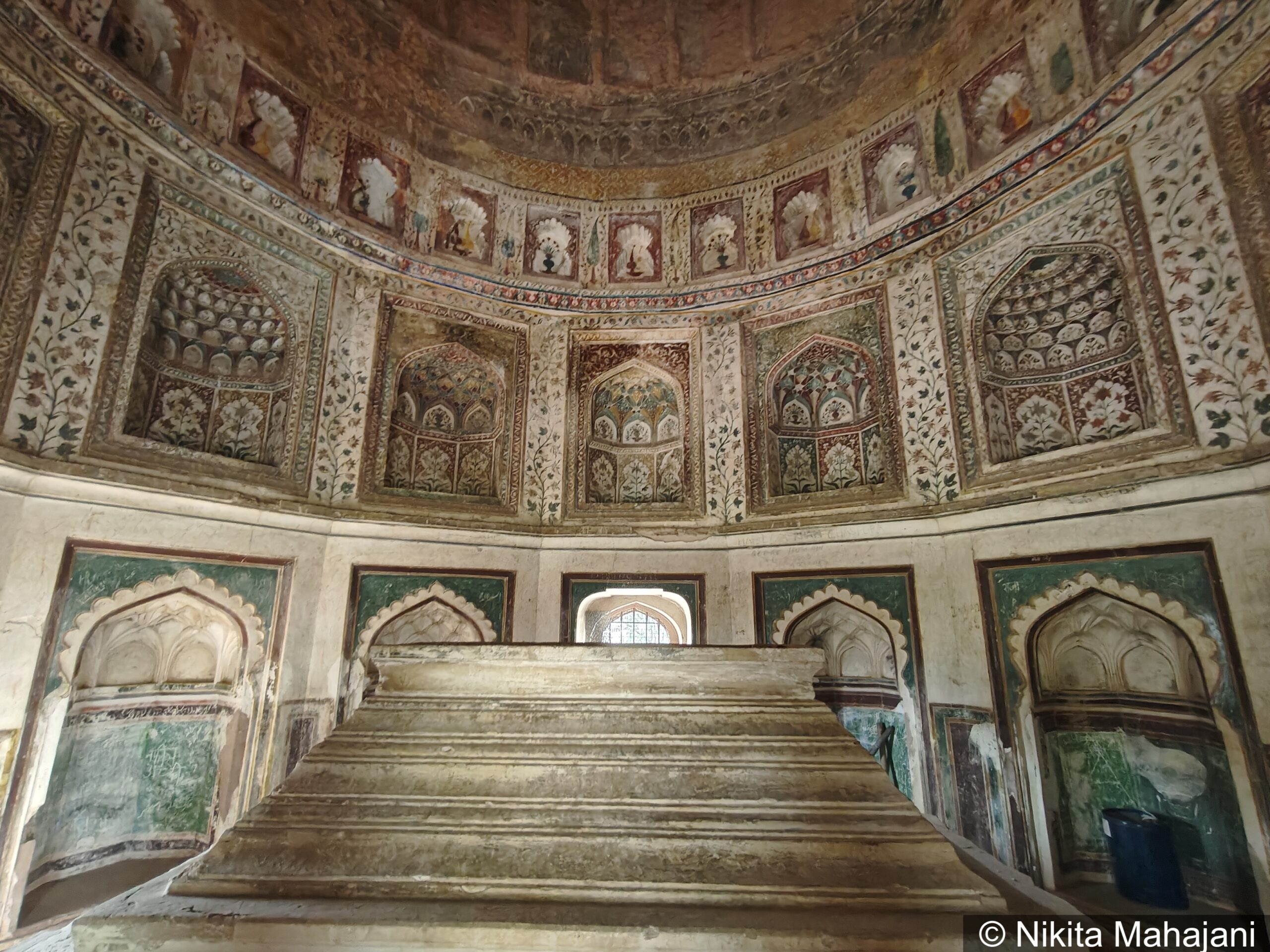
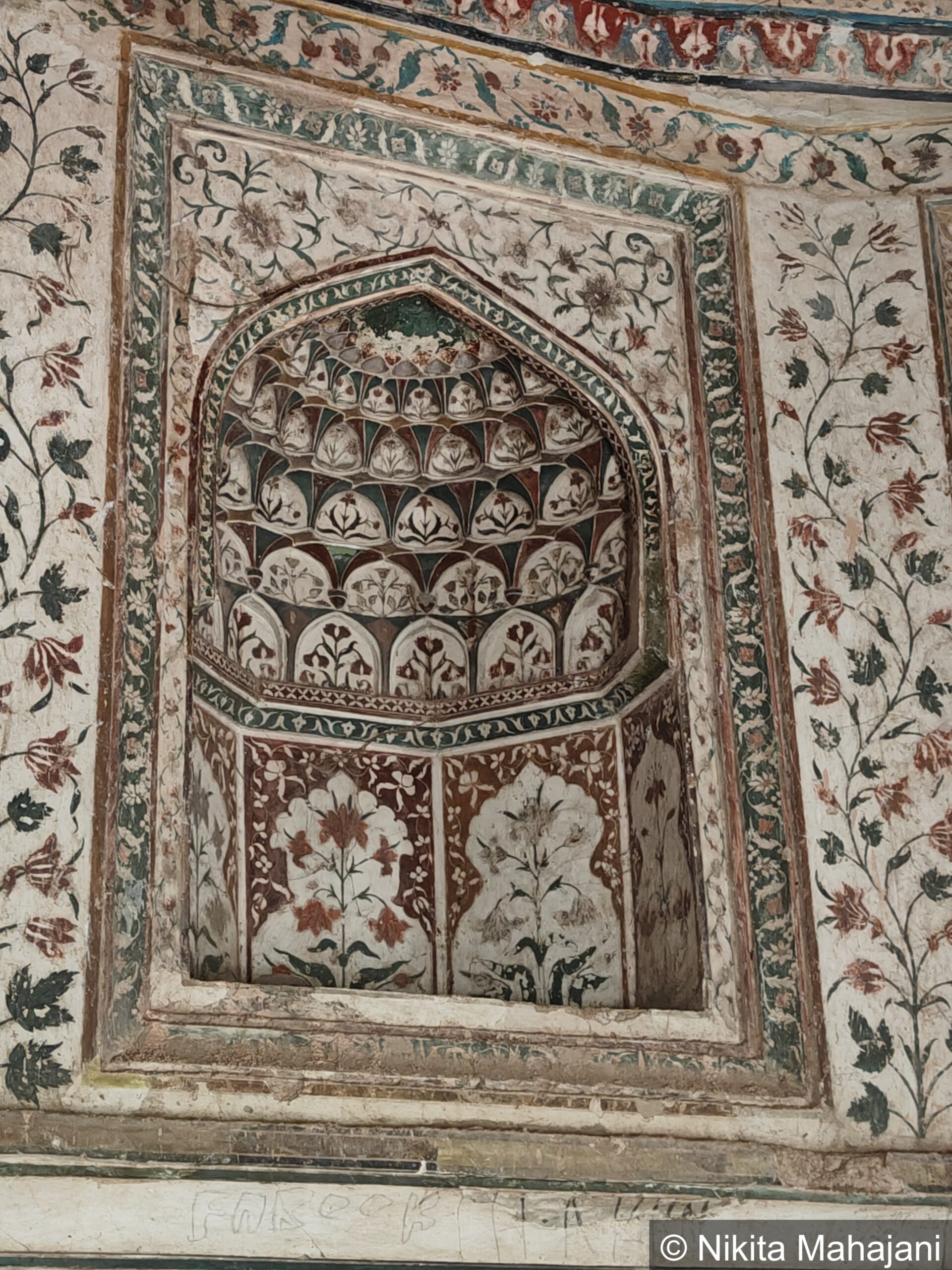
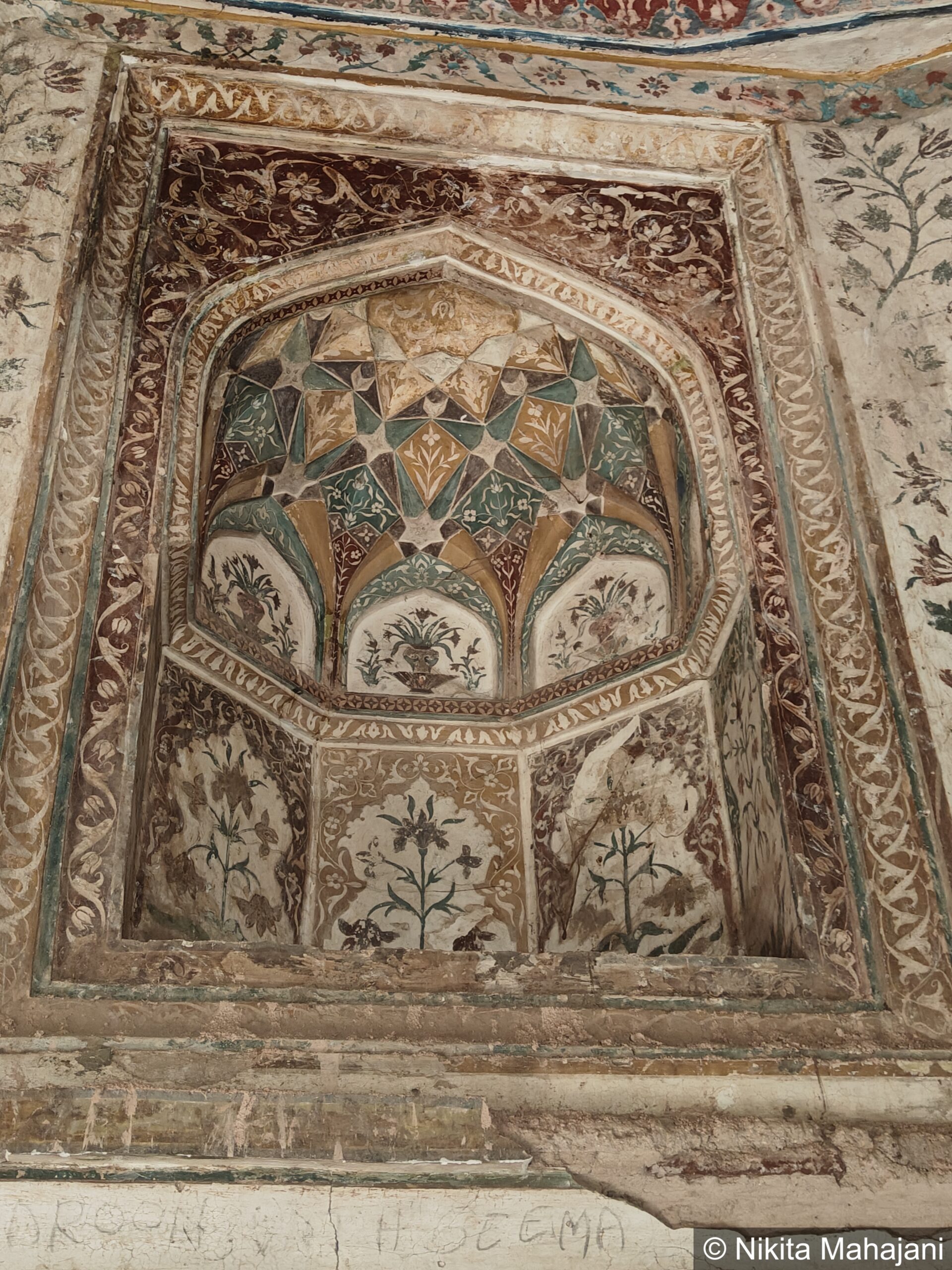
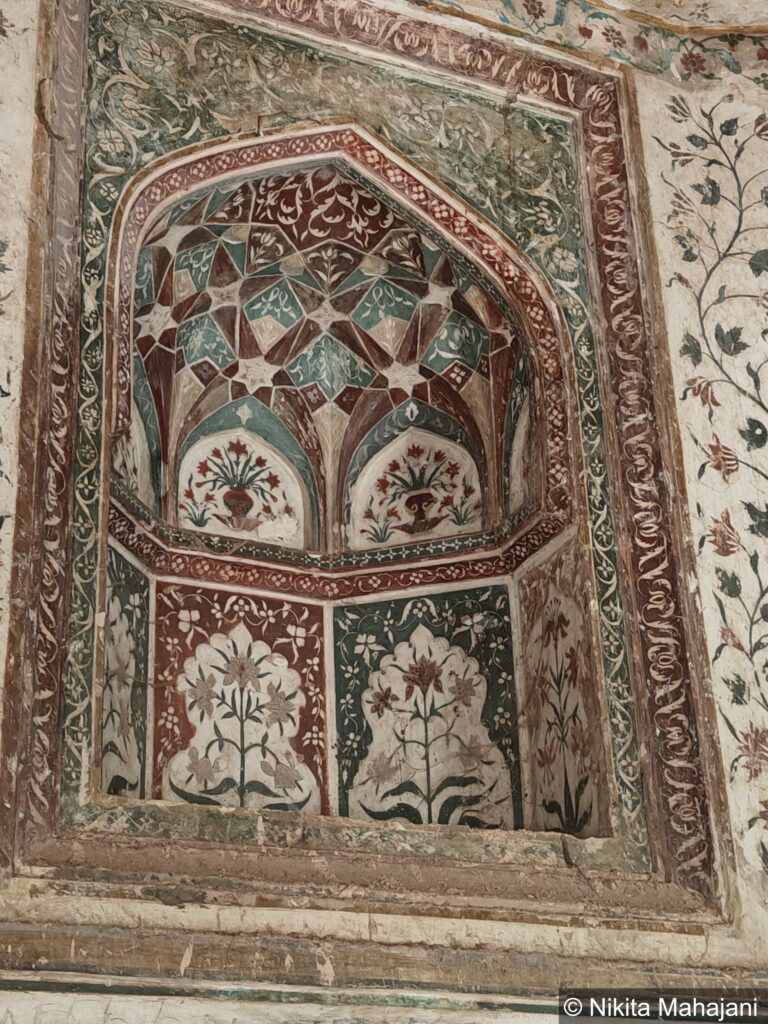
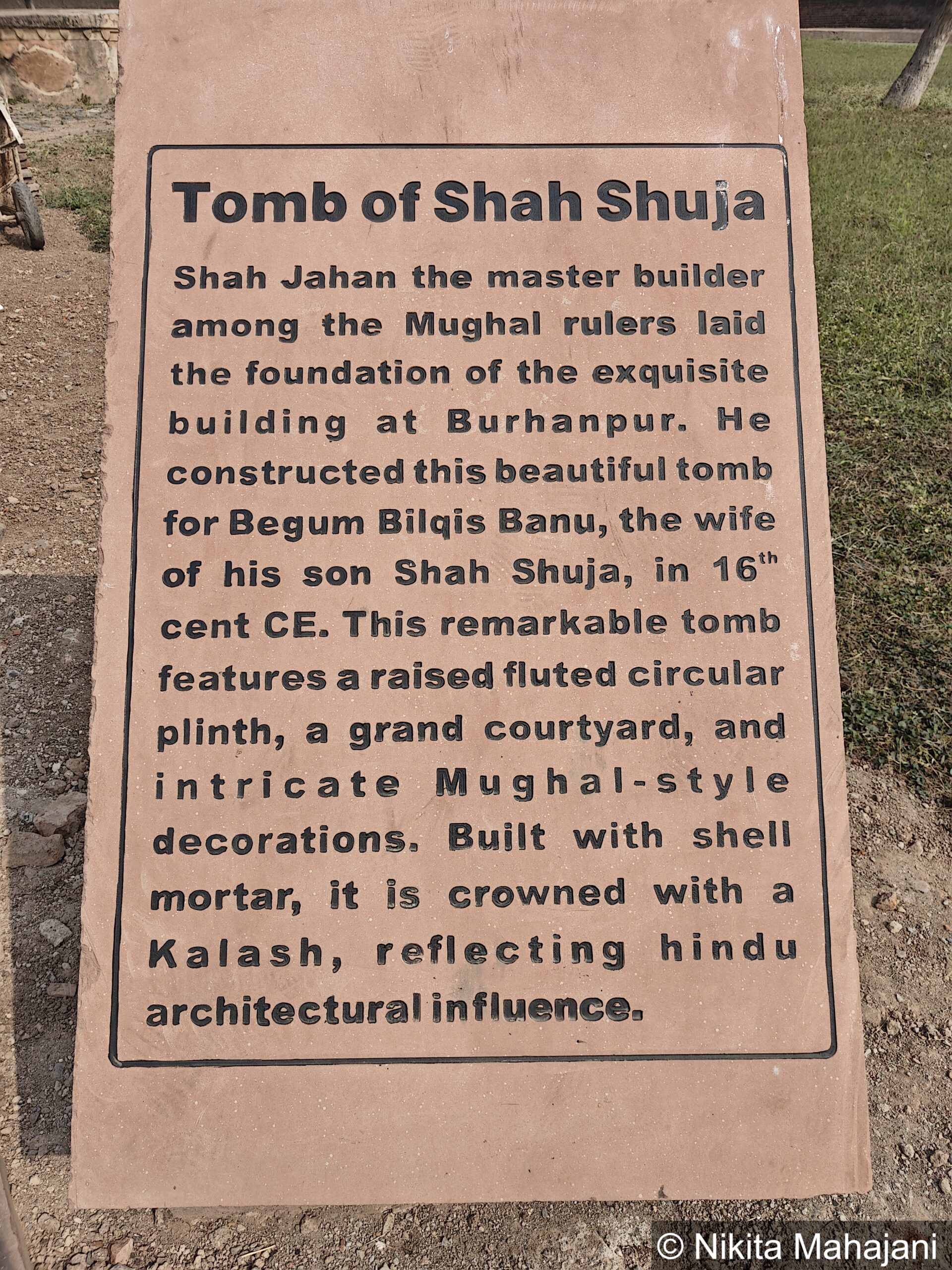
Tomb of Shah Shuja
Among the greatest builders of the Mughal era, Shah Jahan laid the foundation for many splendid structures in Burhanpur. In the 16th century, he had this beautiful tomb constructed for Begum Bilqis Banu, the wife of his son Shah Shuja.
Situated in a grand complex, the tomb stands on an elevated circular platform adorned with typical Mughal-style decoration. The structure is made of lime plaster mixed with conch shell powder. Atop the dome of the building, a kalash (sacred finial) is placed, which reflects the influence of Hindu architecture.
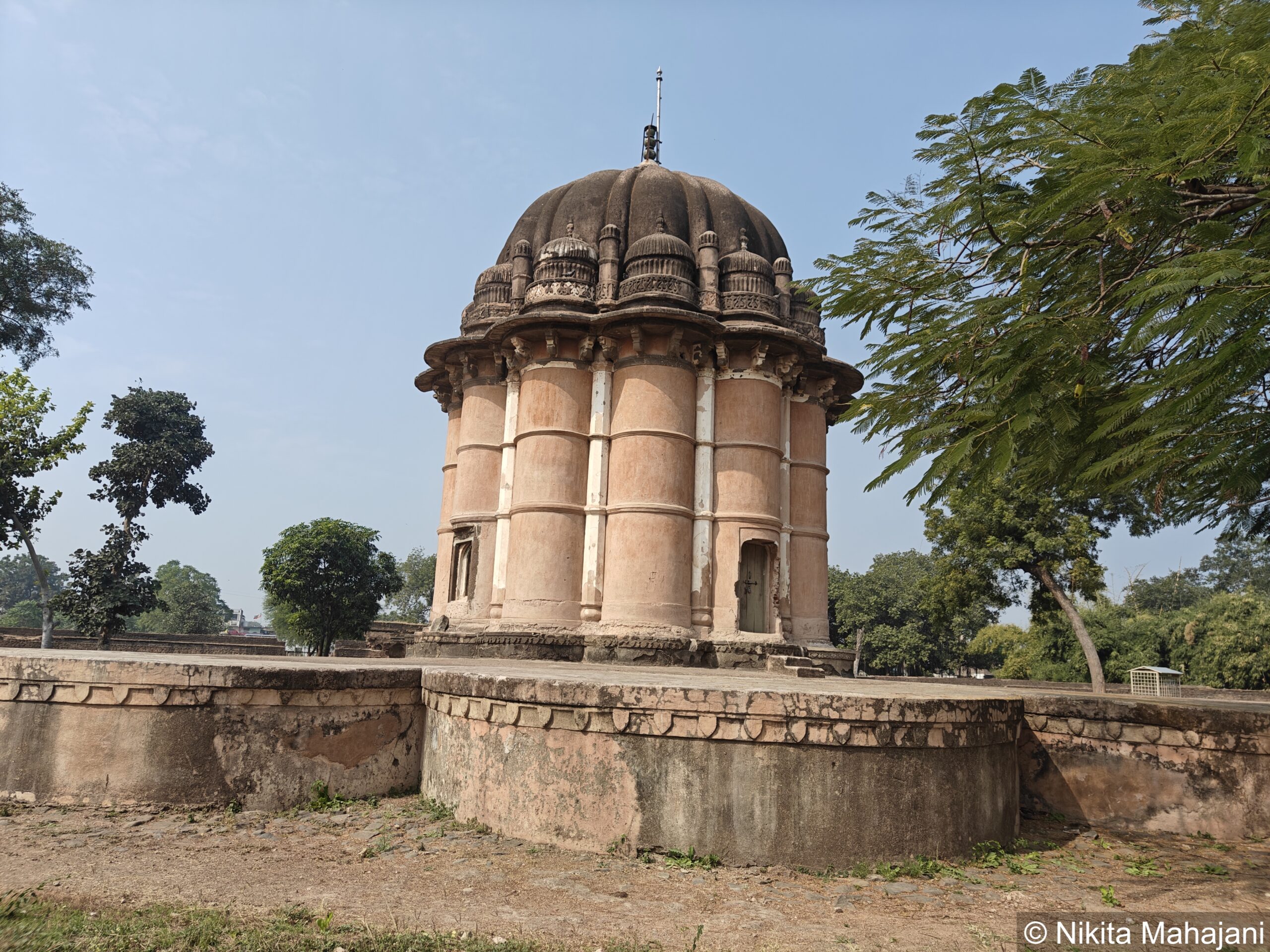

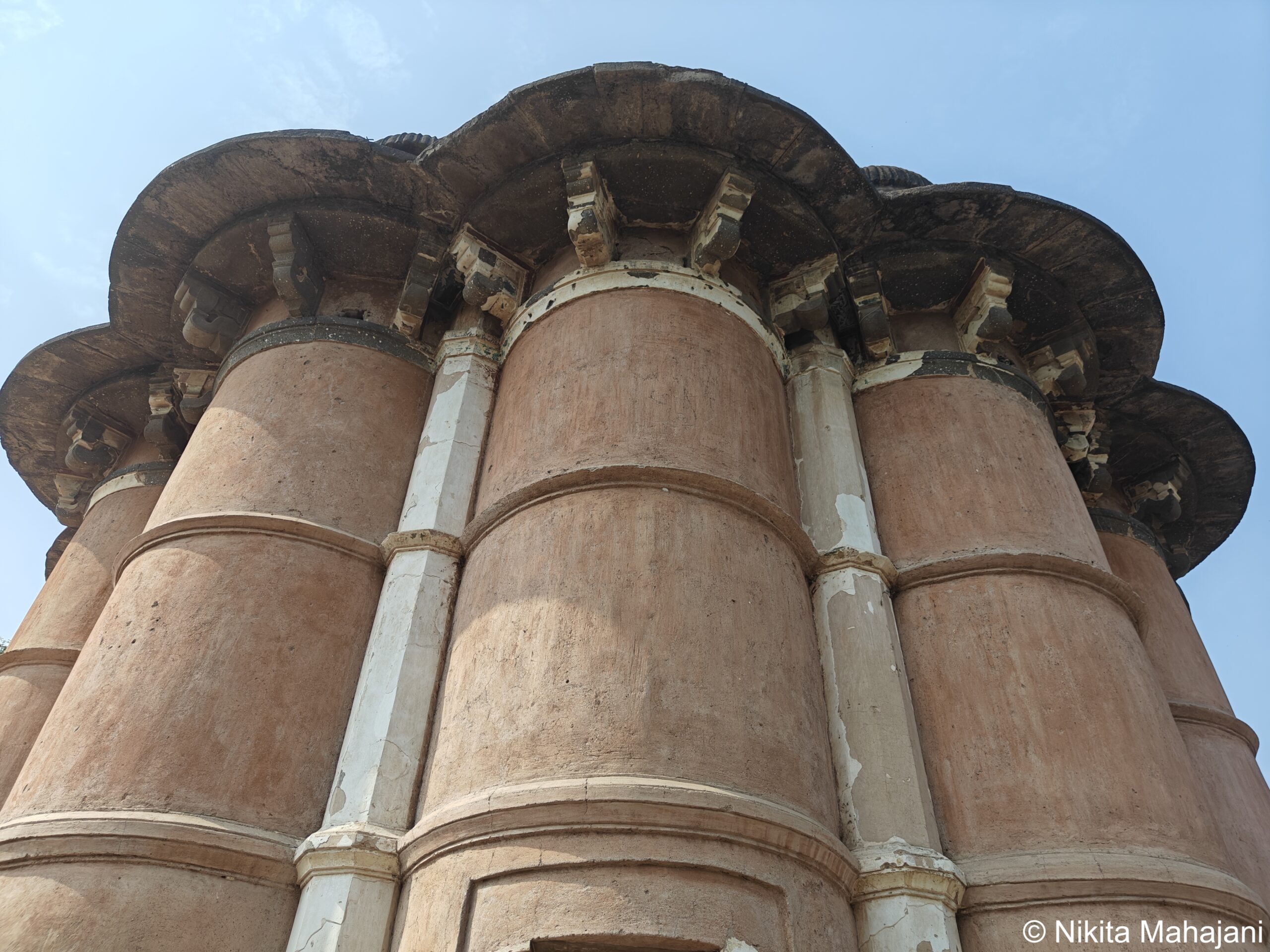


Tomb of Nadir Shah
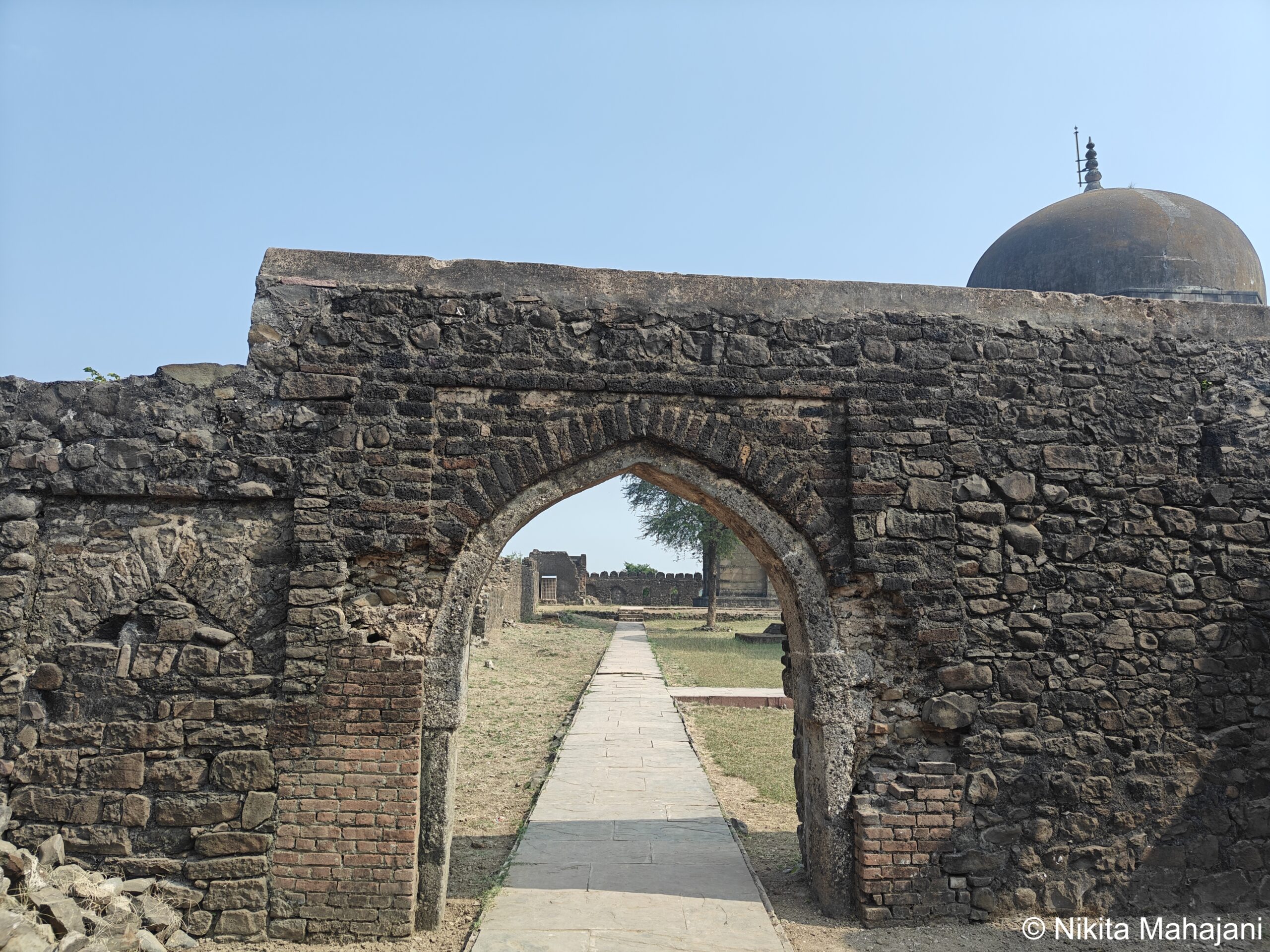
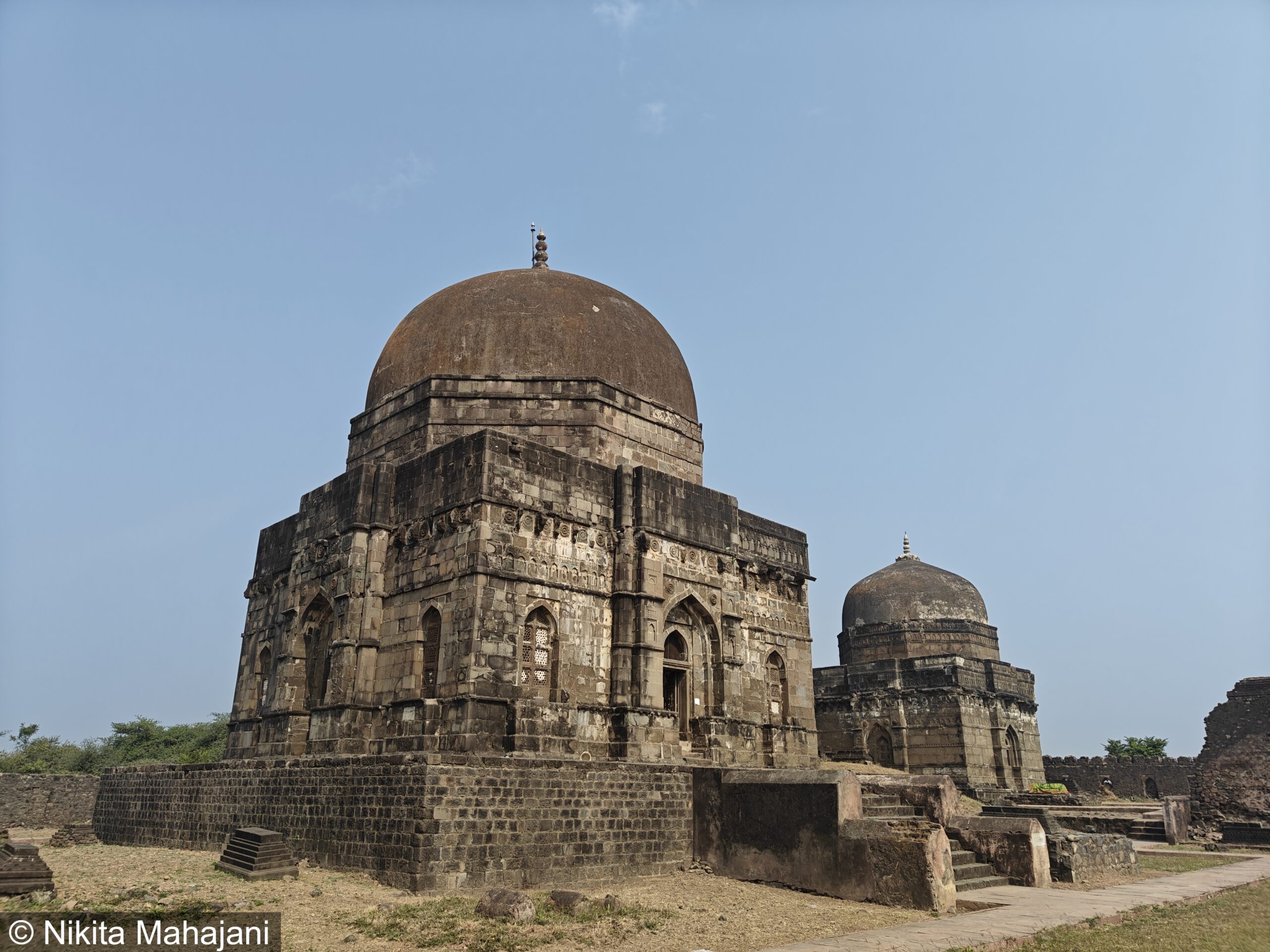
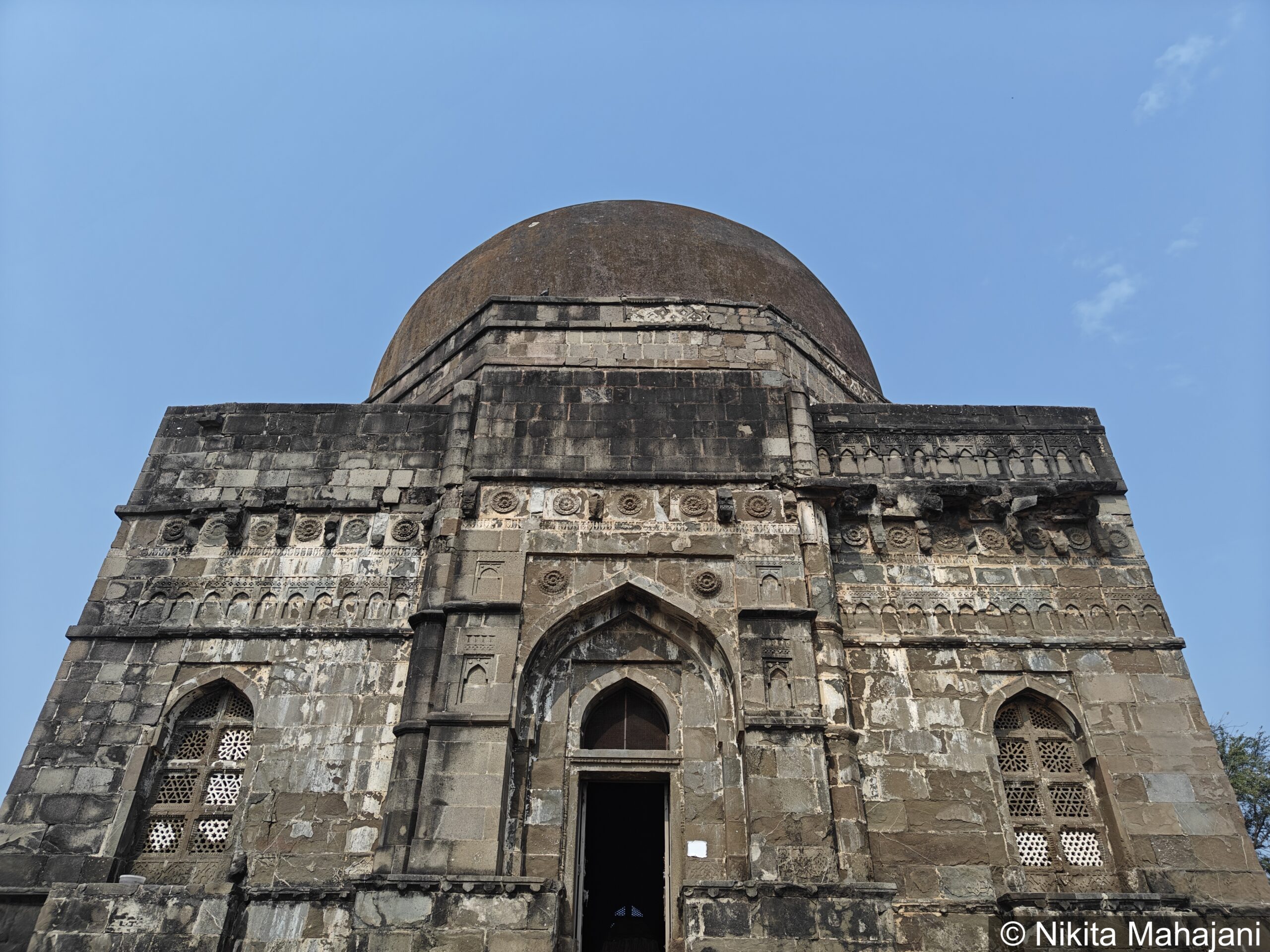
This area is home to several lesser-known tombs, some of which bear inscriptions—possibly in Arabic or Urdu. The most prominent among them is the tomb of Nadir Shah, the founder of the Faruqi Dynasty in the 15th century. His tomb is elevated on a podium, with a flight of steps leading up to its entrance. The central cenotaph is dedicated to him, while a few other unidentified cenotaphs also lie within the complex, though their identities remain uncertain.

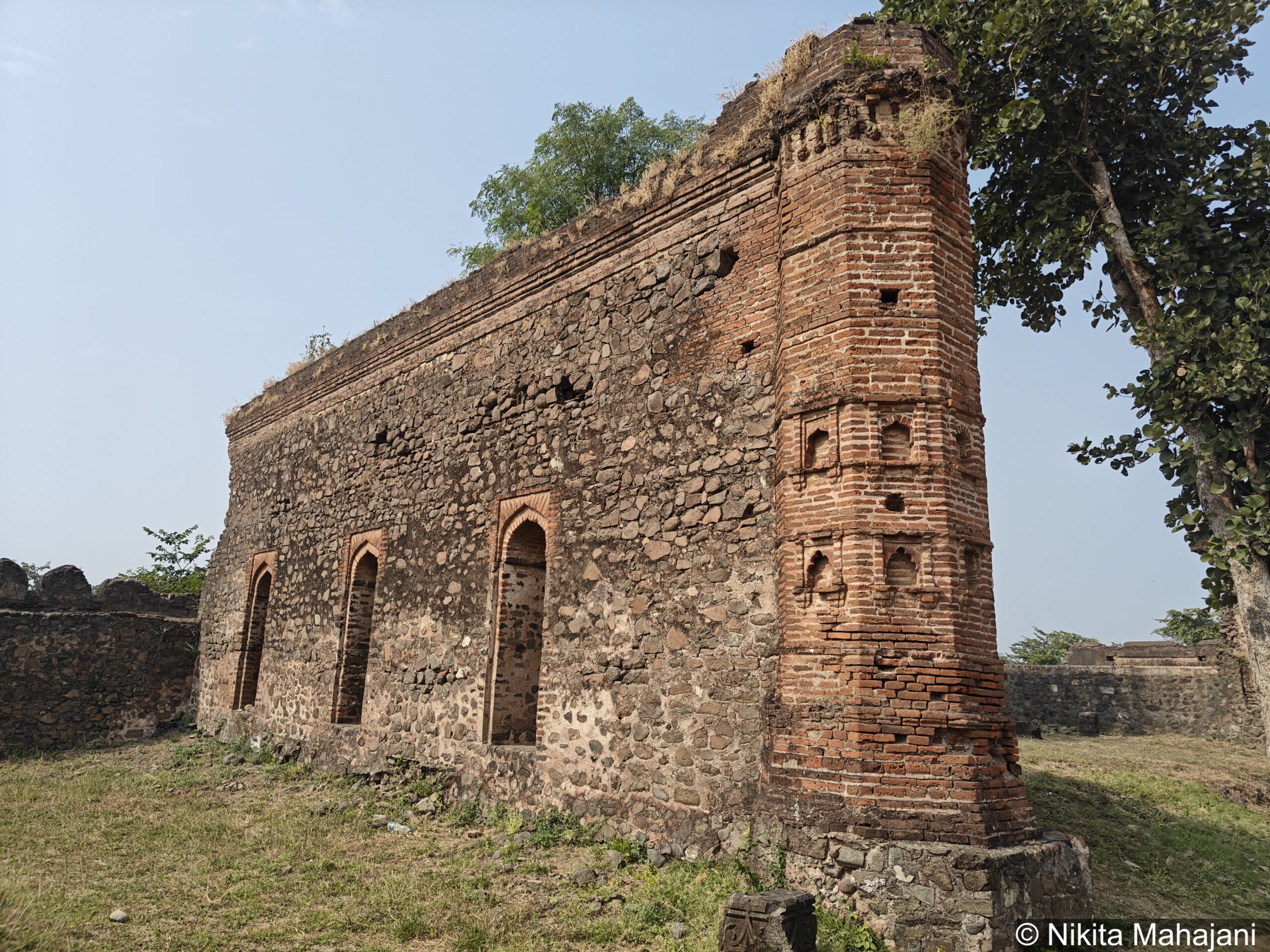
By 1:00 PM, we returned to Hotel Highrise Regency for a delightful lunch, re-energizing ourselves for the journey ahead.
Journey to Omkareshwar with a Stop at Asirgadh: At 2:00 PM, we embarked on our journey to Omkareshwar, making a fascinating detour to Asirgadh Fort to explore its historical treasures. Entry for cars for restricted at Asirgadh Fort and it was not possible to climb till the top in the scorching heat. So we skipped the fort.
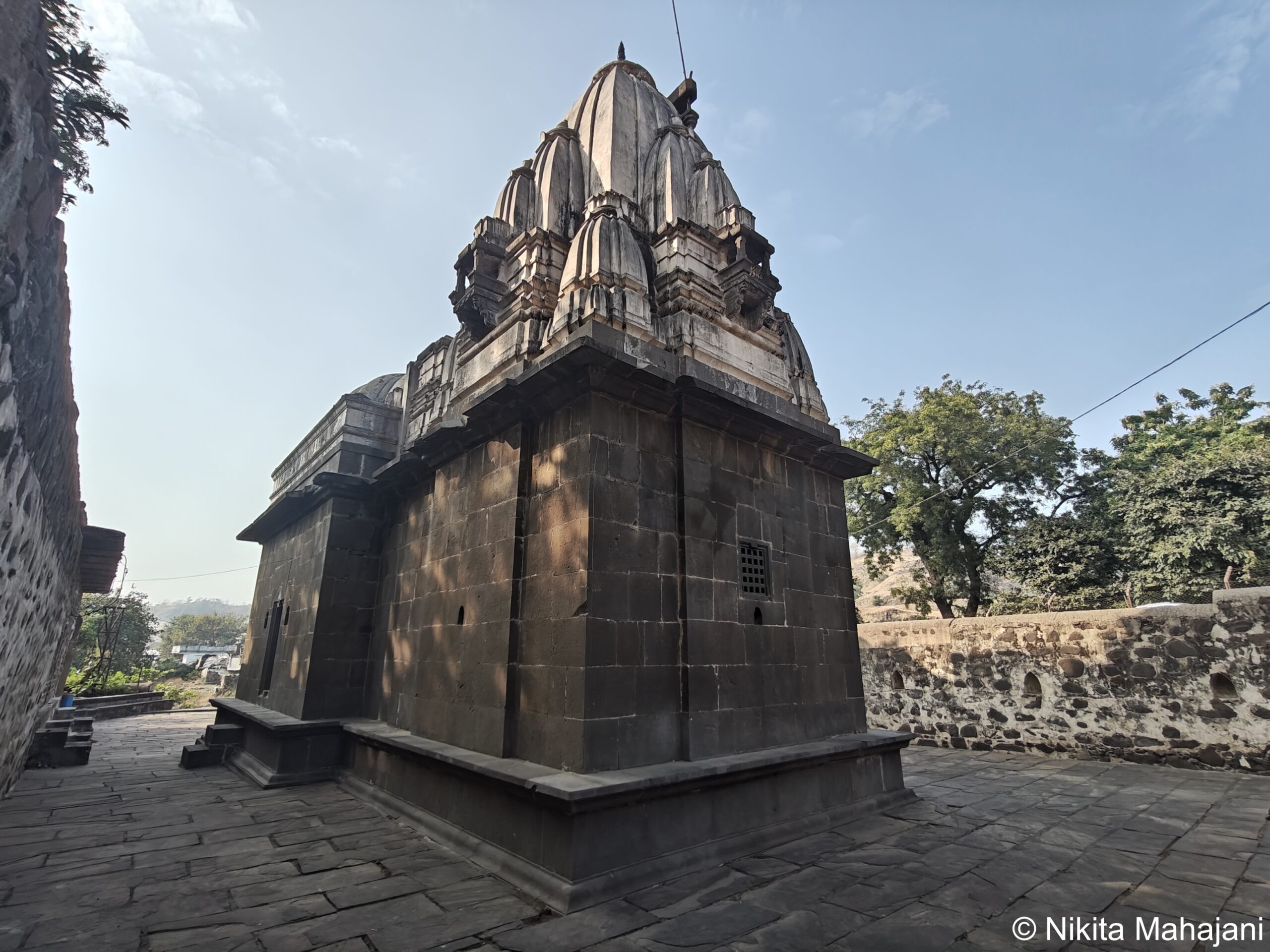
Asireshwar Temple: This ancient temple, nestled within the fort, mesmerized us with its exquisite carvings and serene ambiance. It is located on the opposite side of the highway that laeds to Asirgadh. It is a Nagar style temple with Shekhar type of Shikhar. There is a stepwell in the premises of the temple.

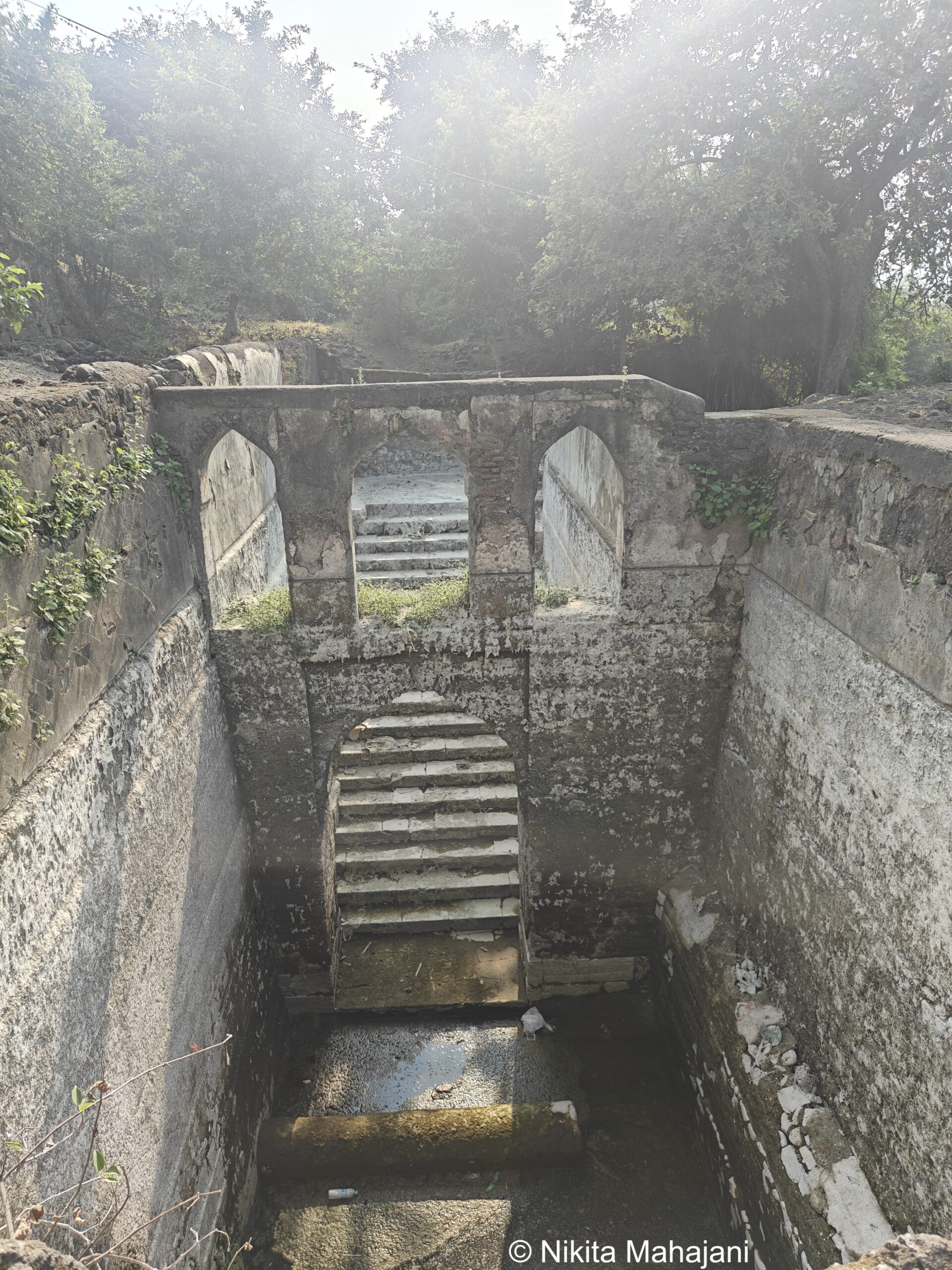
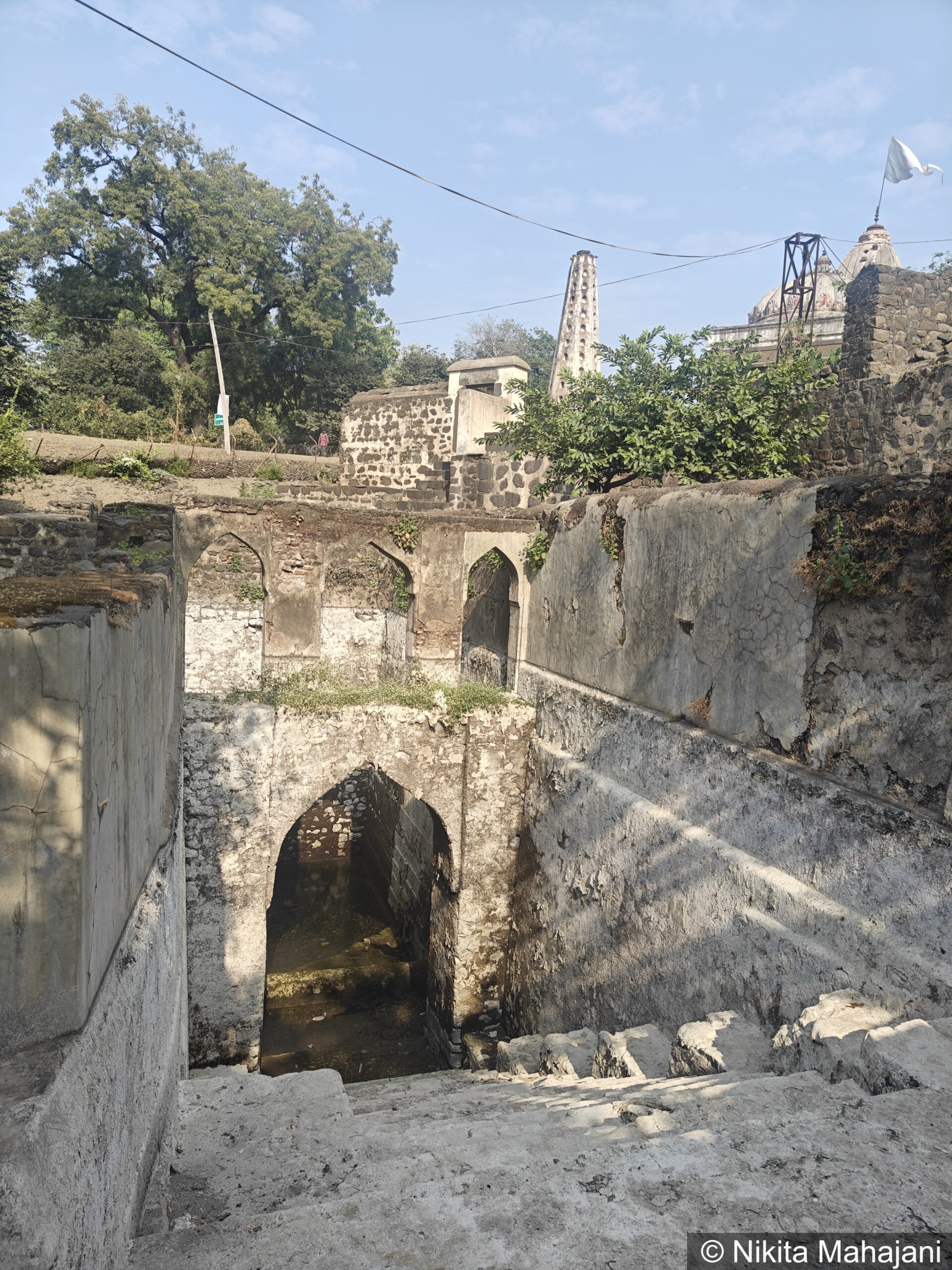
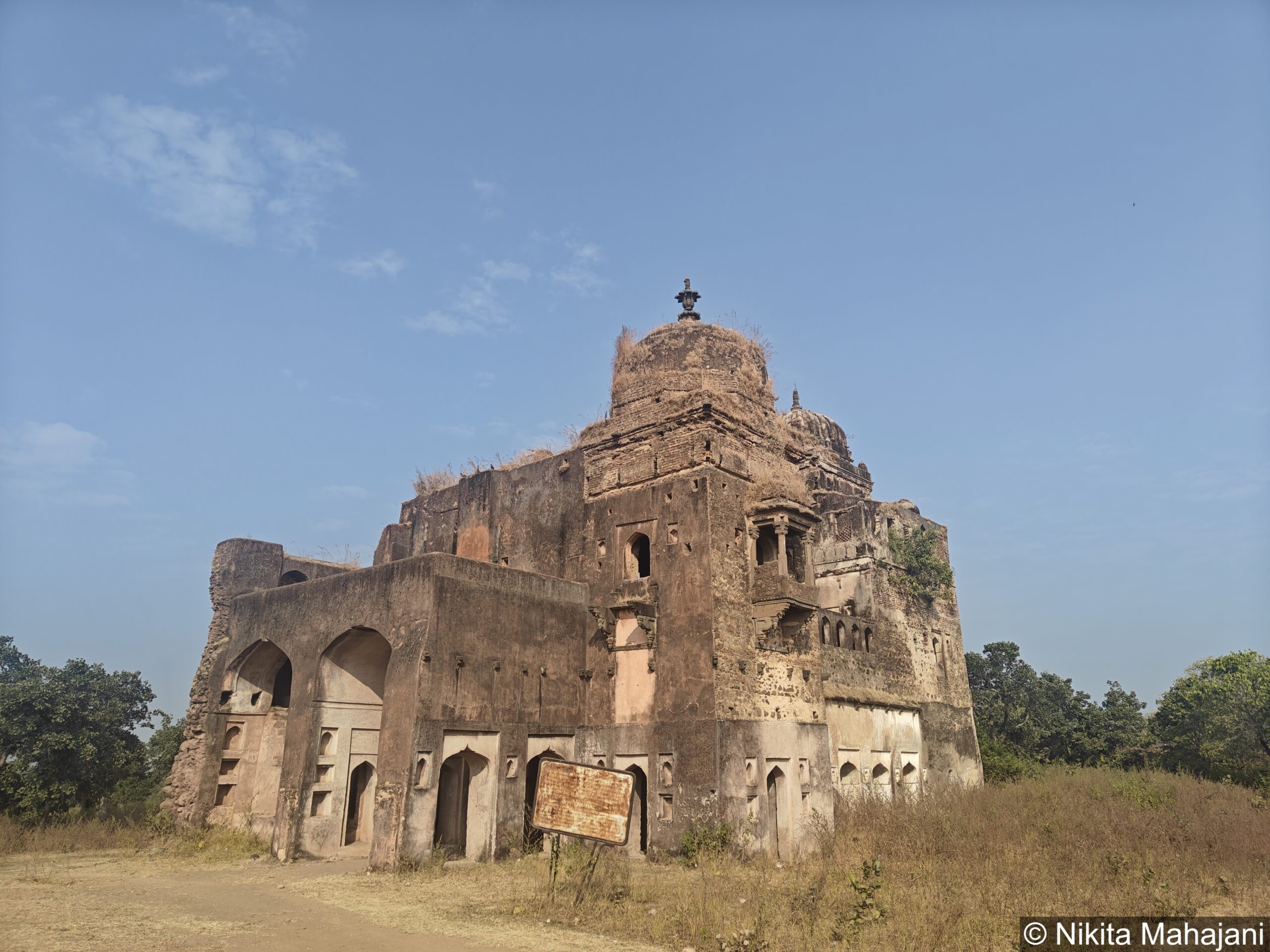
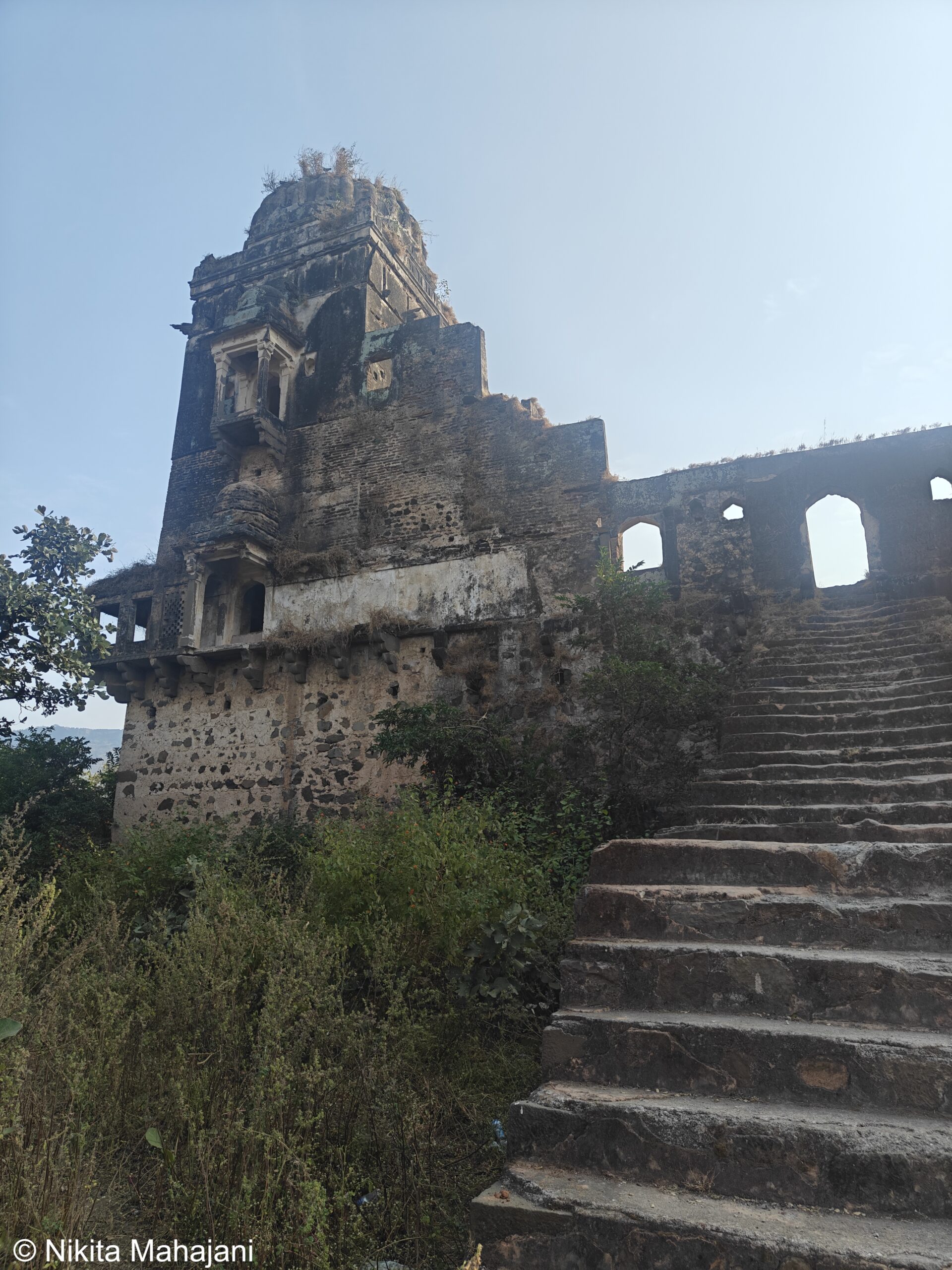
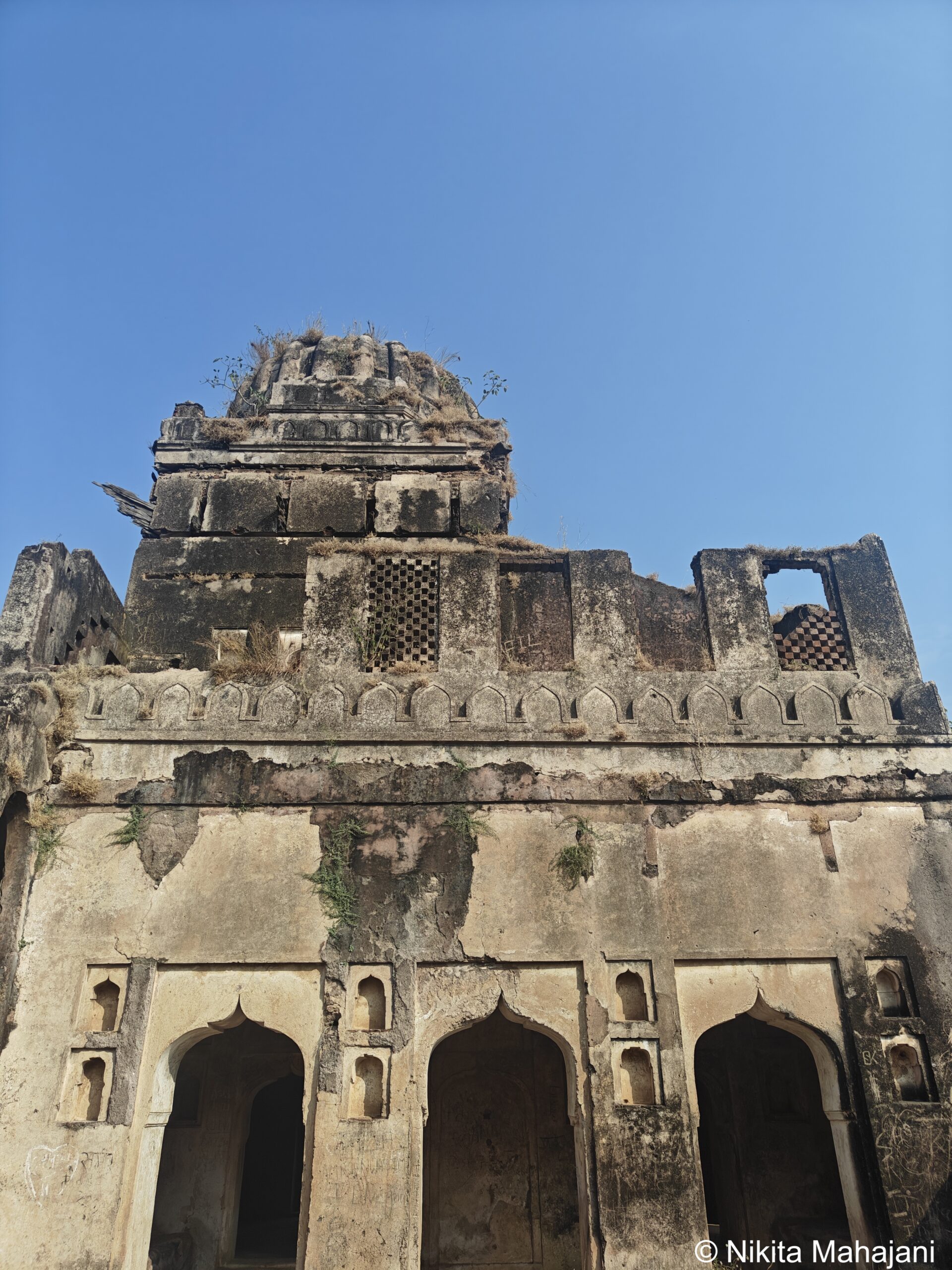
Moti Mahal: A magnificent structure within Asirgadh, the Moti Mahal exuded an old-world charm, with its grandeur hinting at the opulence of bygone eras. This palace is located on the banks of the Pandhari River, towards the northeast of a village named Moti Mahal. This beautiful structure was built by Mughal Emperor Shah Jahan (1628 AD – 1658 AD) for his beloved wife, Moti Begum.
The two-storeyed palace is constructed with stone on the ground floor and with bricks and lime on the upper floor. The ground level features two large arched verandahs. The tomb of Moti Begum is also located on this level.
There are four rooms on the upper floor, each having balconies. Two of these rooms have balconies on all four sides to enjoy the surrounding views. The walls are coated with a special lime plaster mixture. The upper floor is decorated with intricate designs on the northern and southern sides. The four corners of the building feature dome-shaped pavilions resembling lotus buds in traditional Kashi (Varanasi) style architecture.
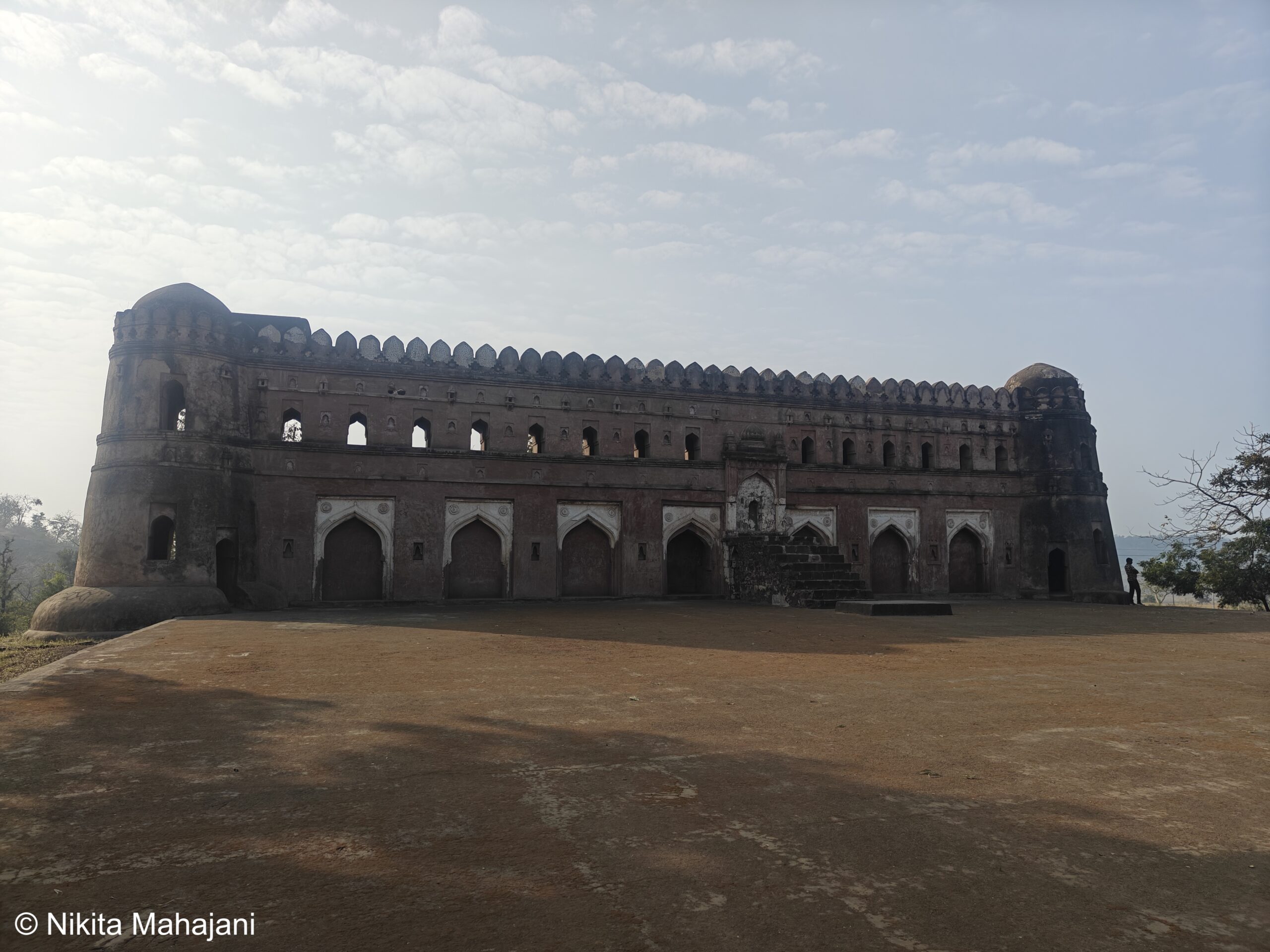
Our final stop in Asirgadh was the Old Idgah, a historic prayer site that stood as a testament to the region’s architectural and cultural diversity.
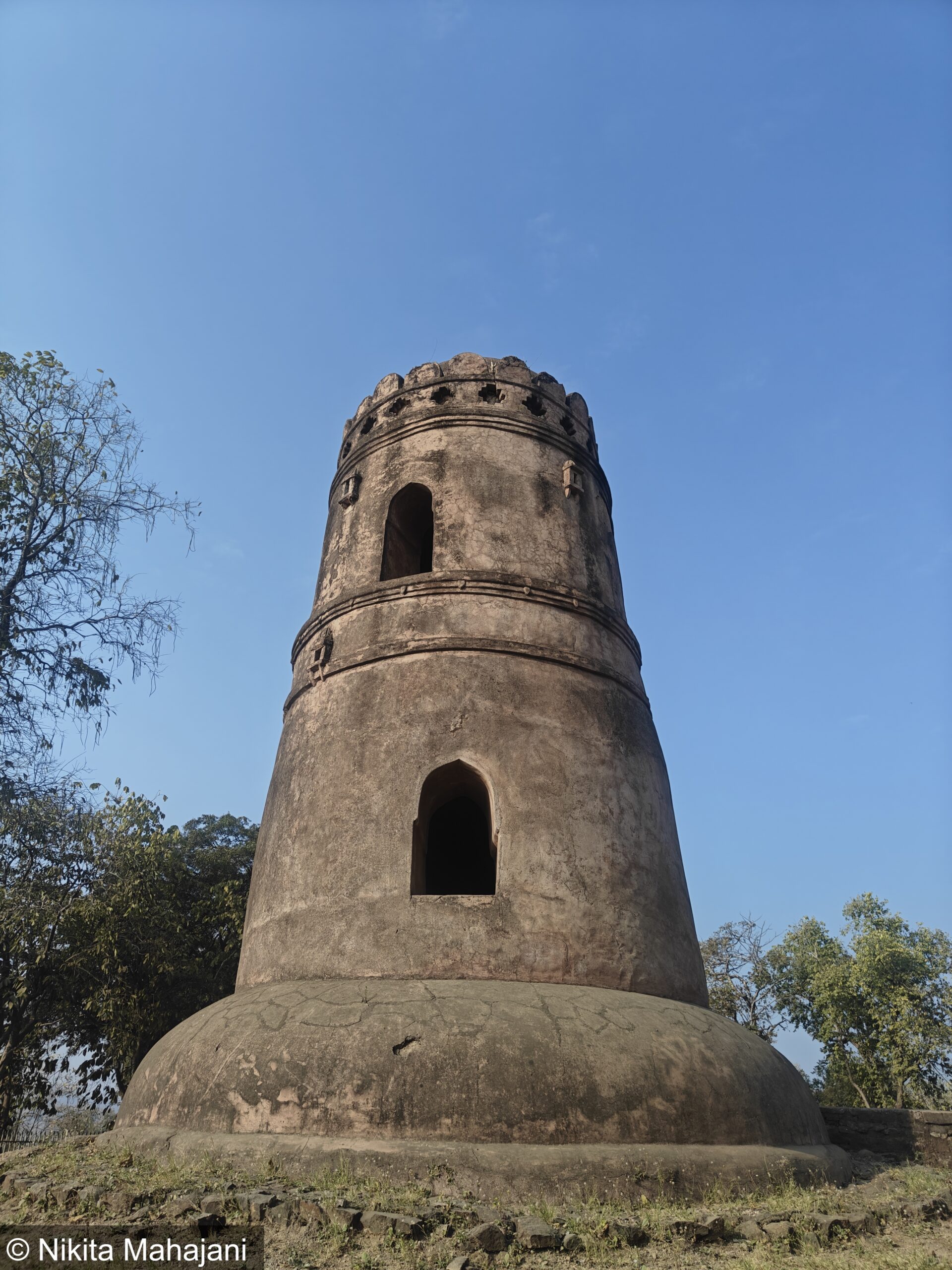
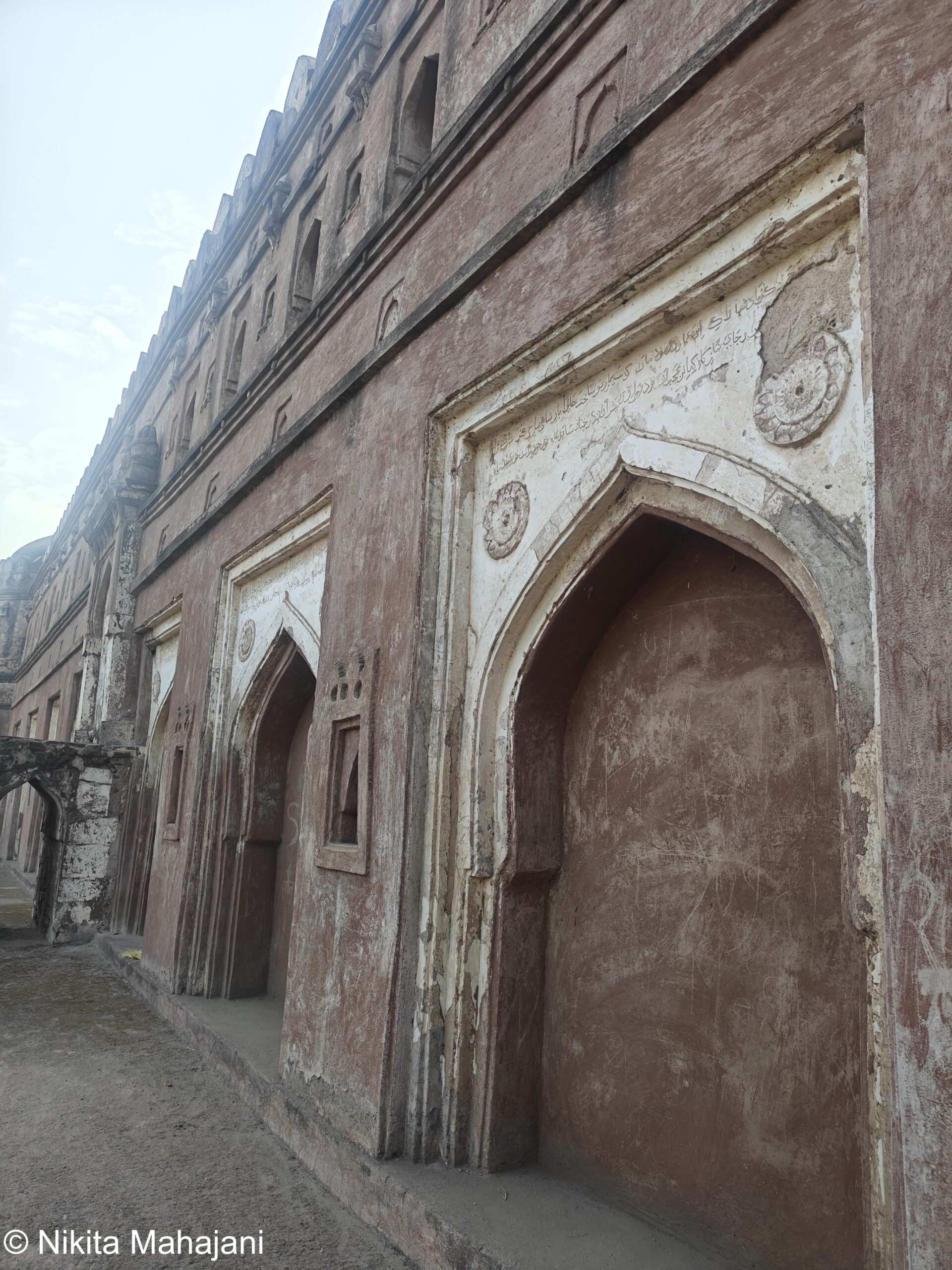

Arrival at Omkareshwar: By 6:30 PM, we reached Omkareshwar, where the sacred Narmada River welcomed us with its serene beauty. At 7:00 PM, we checked into Vanasthali Resort, ready to unwind and reflect on the day’s enriching experiences.
To read the next blog on Day 04: Omkareshwar, click here.
Where did we eat ?
Hotel Highrise Regency, Burhanpur.
Vanasthali Resort, Omkareshwar.
Where did we stay?
Hotel Highrise Regency, Burhanpur.
Vanasthali Resort, Omkareshwar.