We went on a 9 days roadtrip to Himachal Pradesh. Instead of going to typically crowded destinations like Shimla, Kullu, Manali & Nainital, I scouted for locations which are less crowded. Following is the itinerary of our trip:
| Before Lunch | After Lunch | |
| Day 0: Pune to Delhi | Flight from Pune Delhi. Overnight journey to Mandi. | |
| Day 01: Mandi | Rest at the Resort. | Baba Bhootnath Mandir, Panchvaktra Temple, Shri Triloknath Temple, Ardhanarishwar temple. |
| Day 02: Baijnath | Shiv Temple, Shri Mahakal Shiv Temple, Ashapuri Mata Temple | Shopping in Tibetian Market, Bir. |
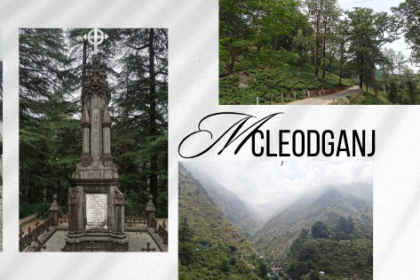
| Day 03: Bir | Paragliding point, Chokling Monastery, Monastery Park, Peme Awam Choegar Gyurme Ling Monastery. | Journey to Mcleodganj. Church of St. John in the Wilderness. |
| Day 04: Mcleodganj | Bhagsunag temple, Bhagsunag waterfall, Namgyal Monastery, Dalai Lama temple, Buddhist Stupa | Norbulingka Institute, Kalachakra temple |
| Day 05: Kangra | Kangra Fort, Masroor Rock-cut Temple | Spend evening at Pong lake |
| Day 06: Pong dam, Khatiyar | Bathu ki Ladi Temple in Jawali, Pong Dam Lake Wildlife Sanctuary. | Journey to Anandpur Sahib. Shopping in Anandpur Sahib. |
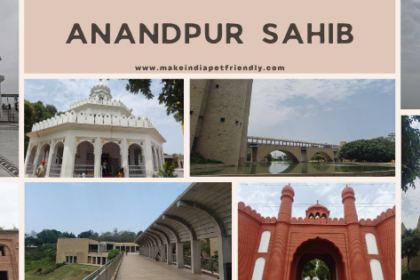
| Day 07: Anandpur Sahib | Virasat-e-Khalsa, Gurudwara Fort Fatehgarh Sahib(Qila fatehgarh sahib ), Gurudwara Sahib Qila Lohgarh Sahib Ji. | Journey to Chandigarh. |
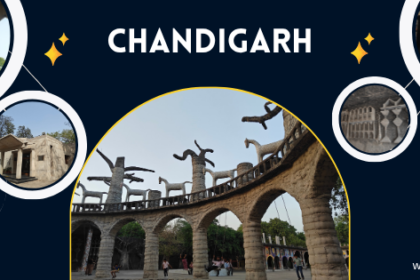
| Day 08: Chandigarh | Fateh Burj – Baba Banda Singh Bahadur War Memorial, Chappar Chiri War Memorial historic place. | Rock Garden, Sukhna lake. Shopping in Sector 22 market and Sector 17 market. |
| Day 09: Delhi to Pune | Road journey from Chandigarh to Delhi. | Flight from Delhi to Pune. |
We went boarded the flight in Pune at 9:30pm and arrived on Delhi Airport by 12:00pm (midnight). We booked a Hyundai Aura from Divyarath cabs for 9 days from Delhi to Delhi which covered cities from Himachal Pradesh and Punjab. The driver came to pick us at the Delhi airport at 12pm at night. This was followed by an overnight journey to Mandi (8 hours drive). Their Driver (Karan) drove very well. He is technologically well versed (Google maps) and once you share the itenary with him, you can just sit back and relax .
Initially we were skeptical about the overnight journey due to security concerns in Delhi. But, the Delhi- Chandigarh-Mandi highway was lit and crowded throughout the night. This highway has lots of wedding lawns, restaurants, hotels, Dhabas, petrol pumps and online CNG pumps that run 24×7. This highway is quite safe. Finally we reached Mandi on the next day by 9am. We checked in Munish Resort, Mandi and had breakfast. We rested in the first half of the day and started sight seeing post lunch.


Munish Resort features large, comfortable rooms that open onto sweeping mountain panoramas—ideal for unwinding in peace. The courteous, attentive staff consistently makes every visit pleasant, while the mountain‑facing outlook adds a breathtaking touch to the overall ambiance. Thanks to its reliable service, scenic setting, and handy location near Mandi’s four renowned temples, plus ample parking, this hotel is a smart pick for travellers who want both convenience and a tranquil escape amid nature.

Day 01: Mandi
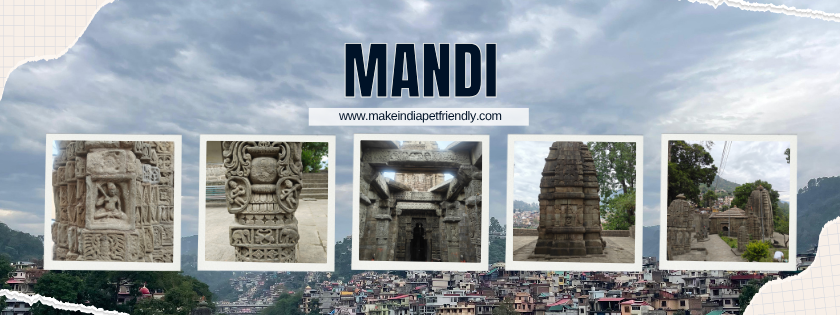
Mandi, a historic town in Himachal Pradesh, is shrouded in mystery and charm. While it’s well-known for its natural beauty, the town holds deeper layers of history and spiritual heritage, reflected in its ancient architecture and age-old legends. Mandi is famous for four temples viz. Triloknath temple, Baba Bhootnath temple, Ardhanarishwar temple and Panchavaktra Temple.
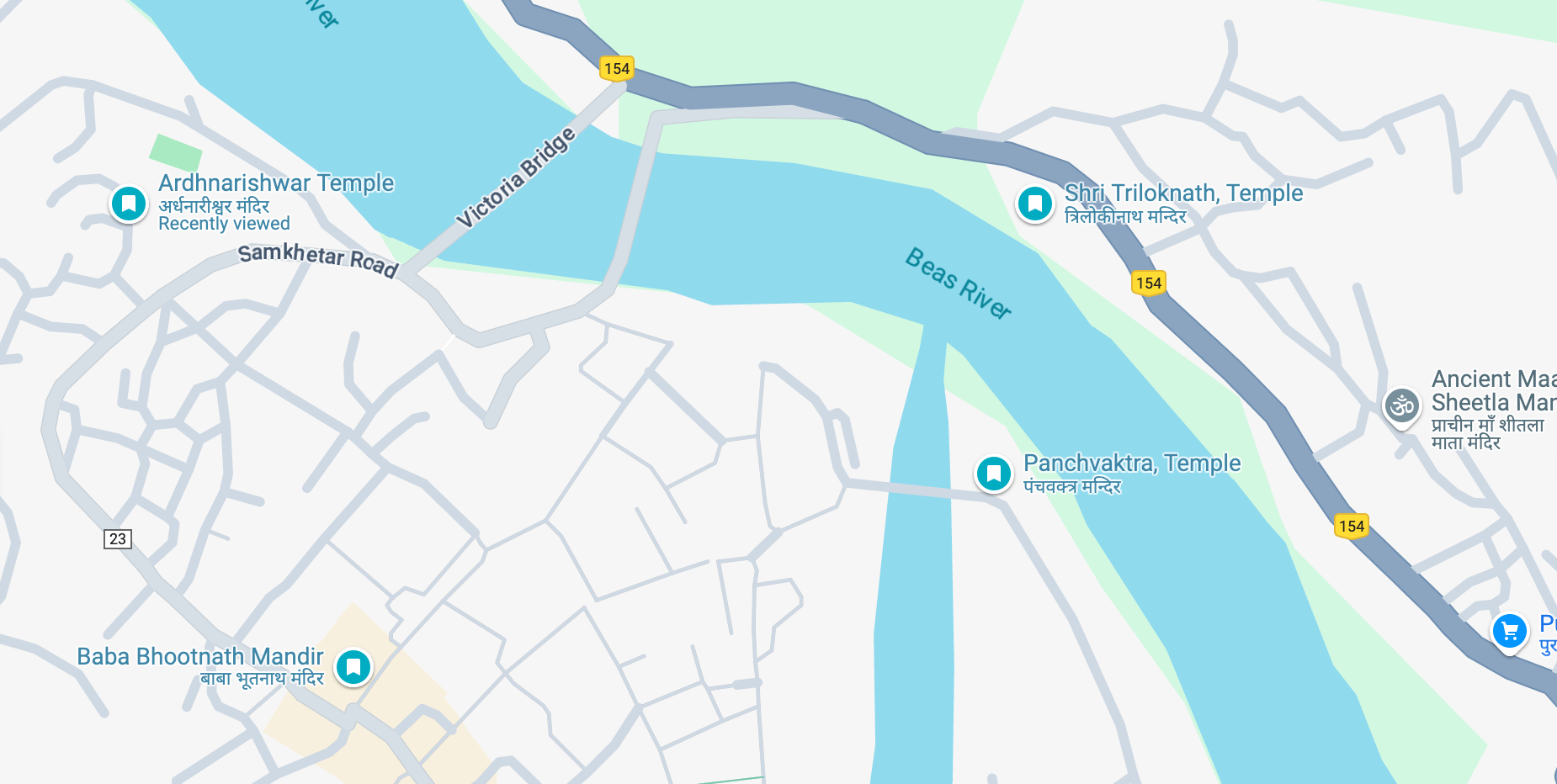
Often referred to as the ‘Kashi of Himachal,’ Mandi holds a spiritual stature comparable to that of Varanasi. Situated along the banks of the Beas River, where it meets the Suketi Khad stream, the town is home to more than 80 ancient stone temples, including the revered Triloknath Temple, nestled among its narrow lanes and riverfronts.
Triloknath Temple
Triloknath Temple stands as one of the oldest surviving shrines in Mandi, dedicated to Lord Shiva. The temple houses a unique three-faced idol of Shiva, symbolizing his role as the “Lord of the Three Worlds” — which is how the temple gets its name. According to legend, it was built in 1520 by Queen Sultana Devi, consort of Raja Ajbar Sen. Within the temple, one can find intricate stone sculptures of Lord Shiva and Goddess Parvati, along with deities such as Narada and Sharda. The central image depicts the three-faced Shiva and Parvati seated on Nandi, accompanied by other Hindu gods and goddesses.



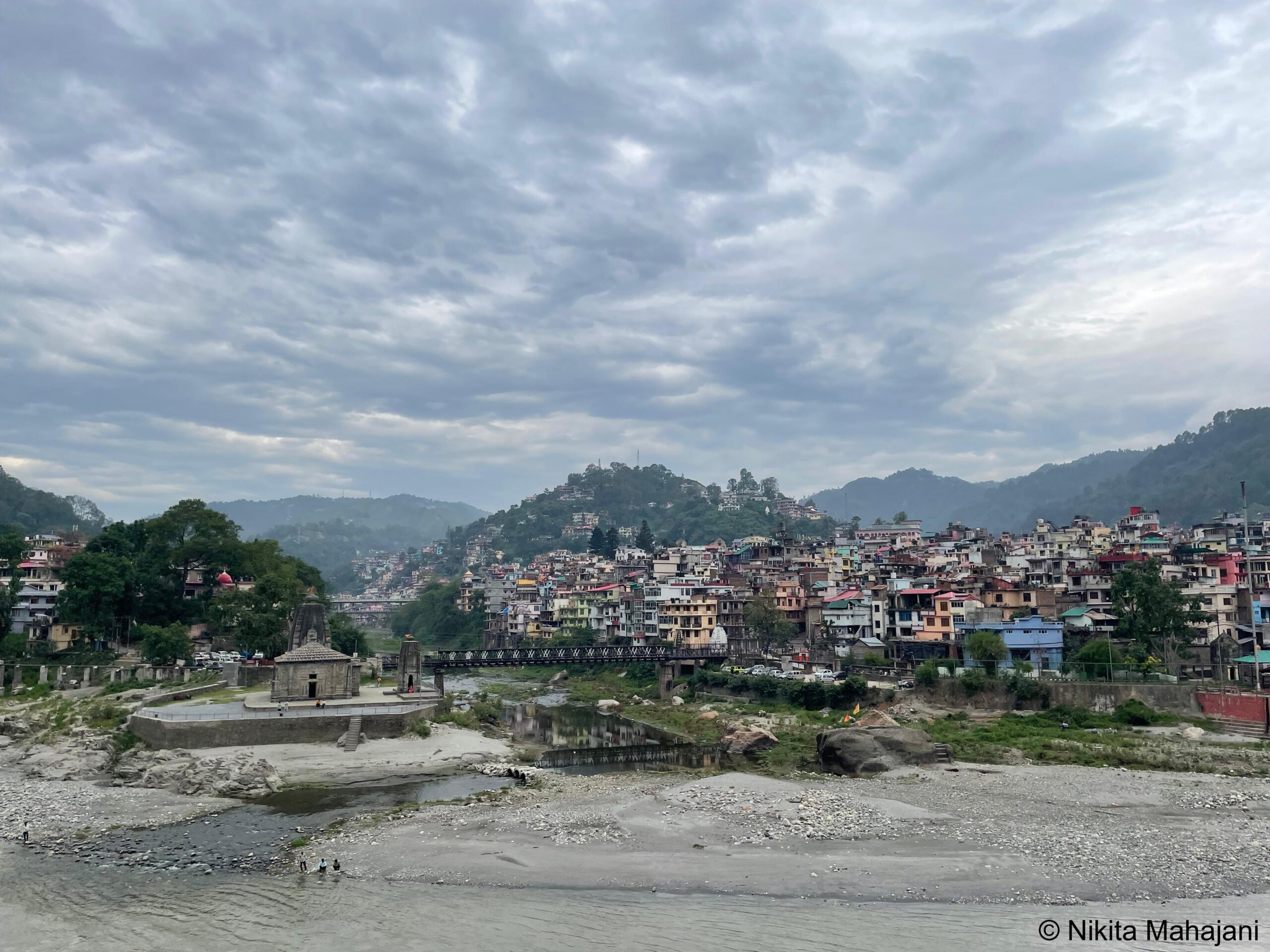
Ardhanarishwar Temple
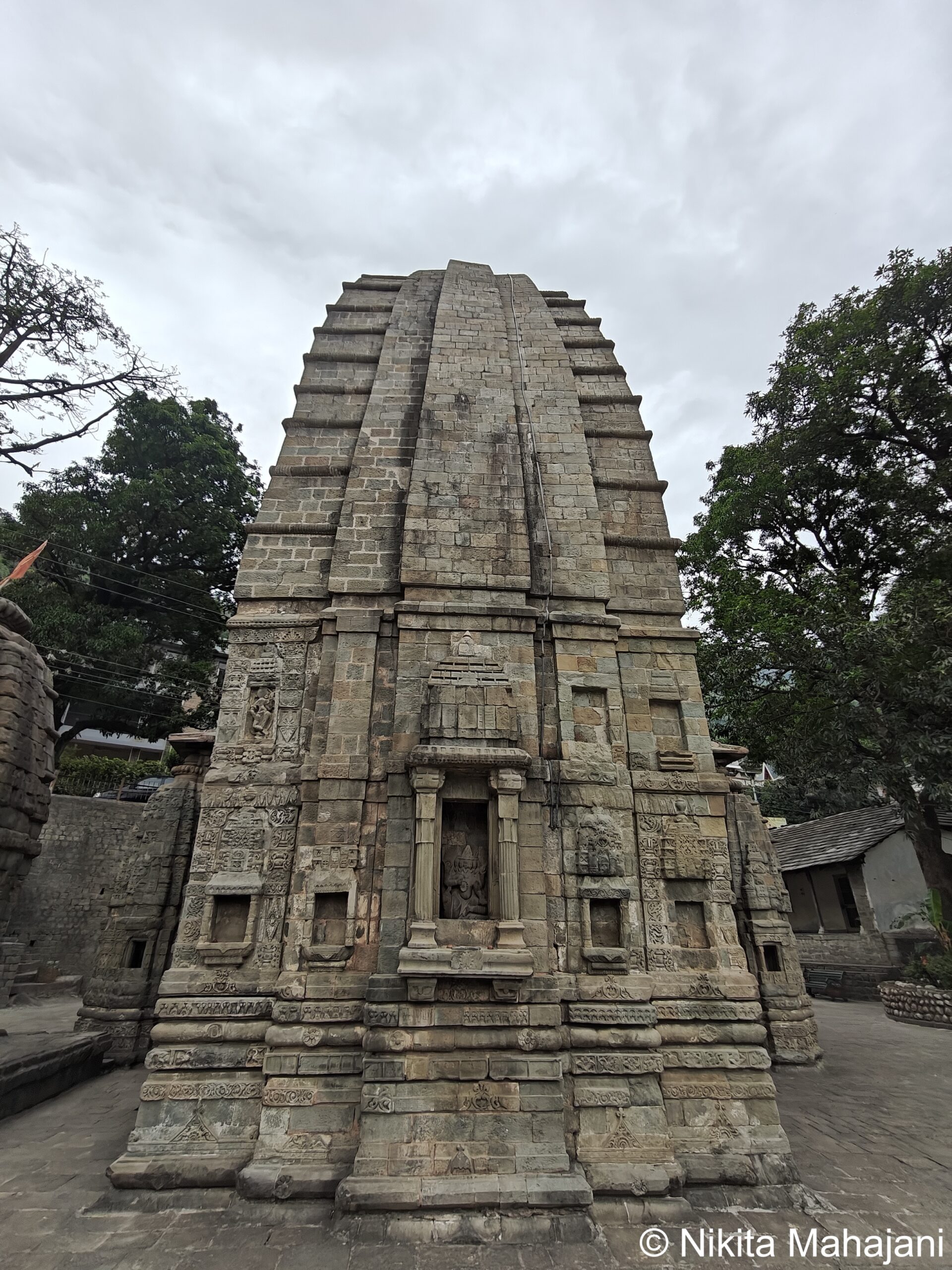
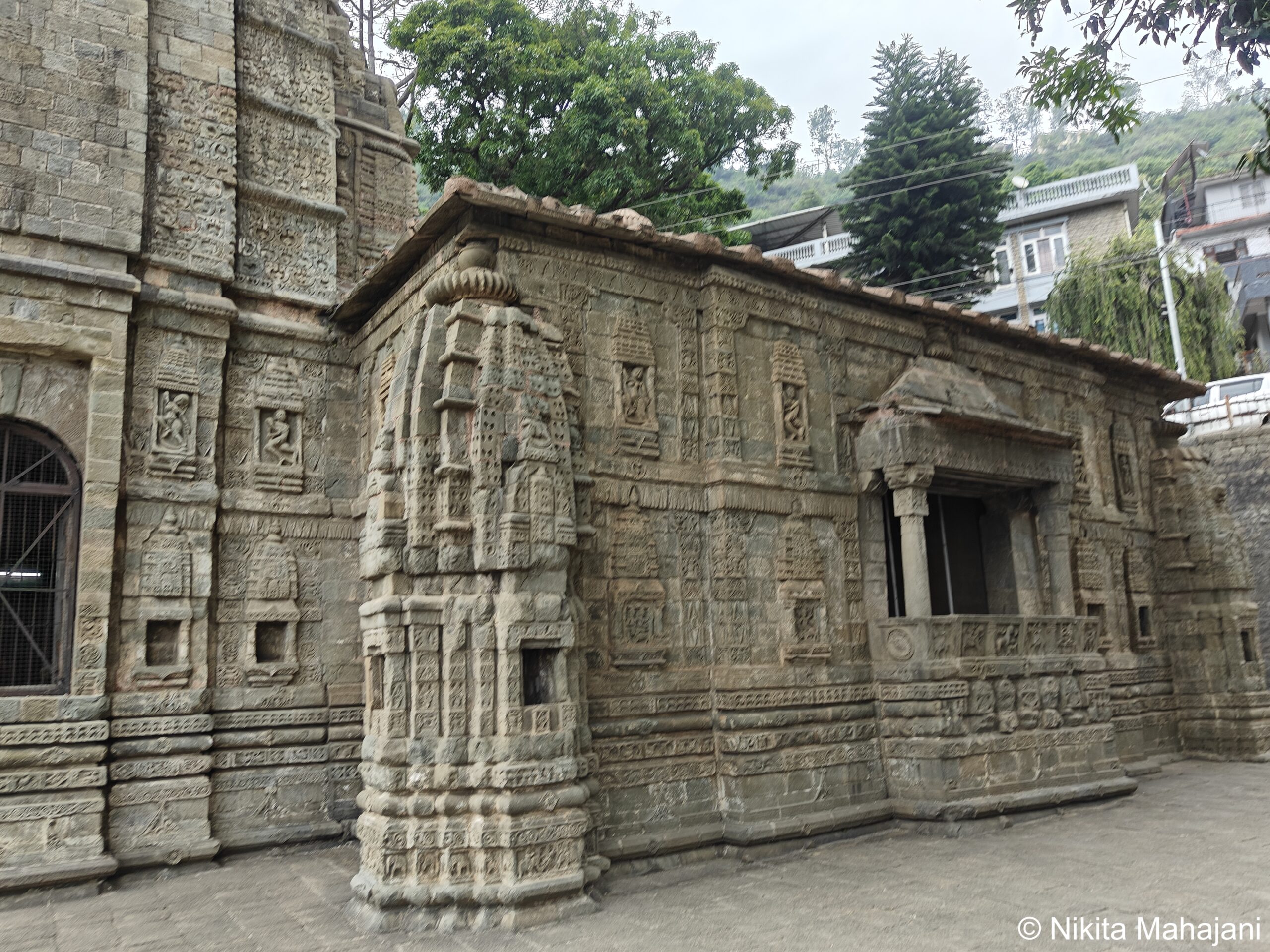
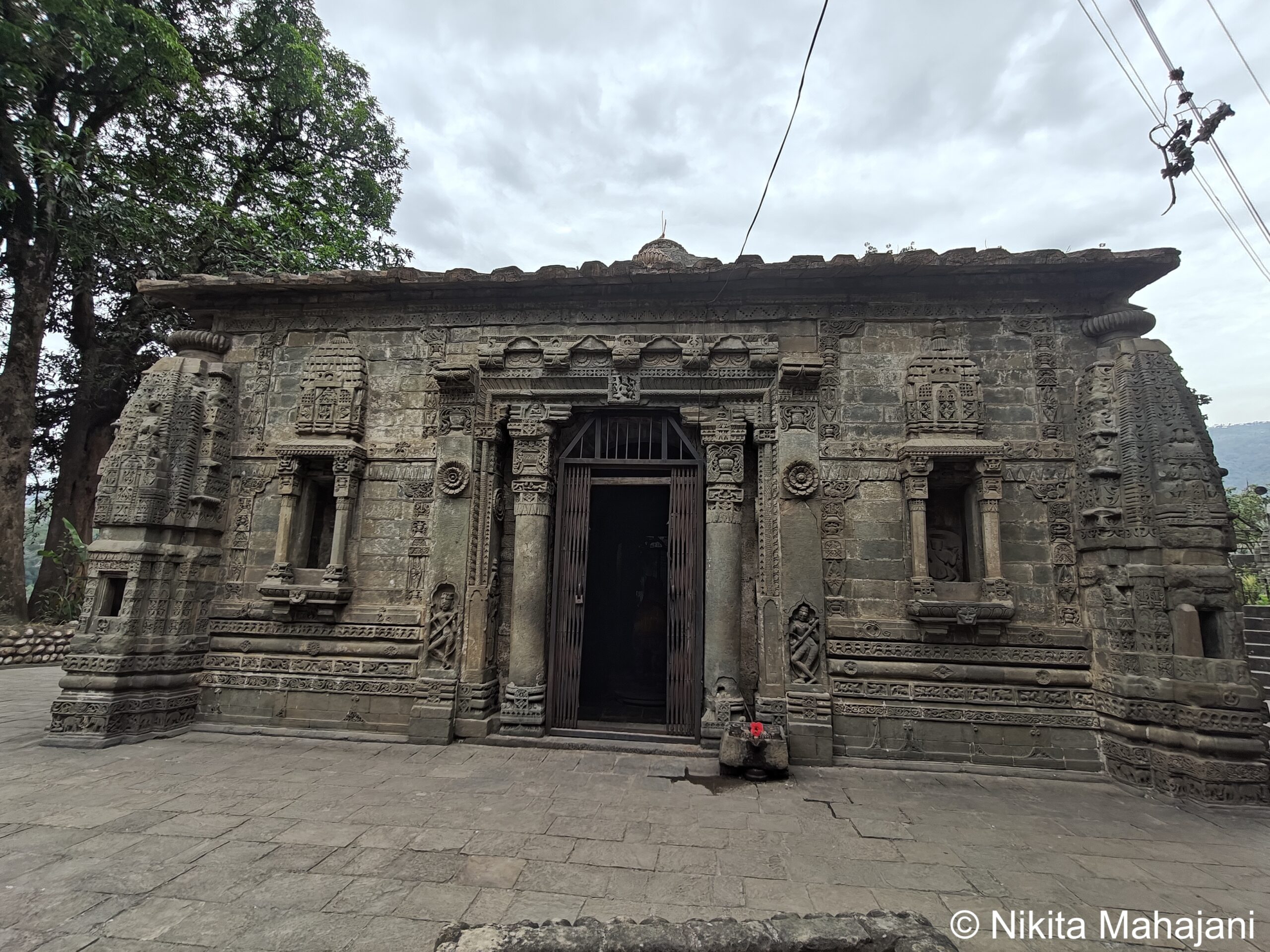
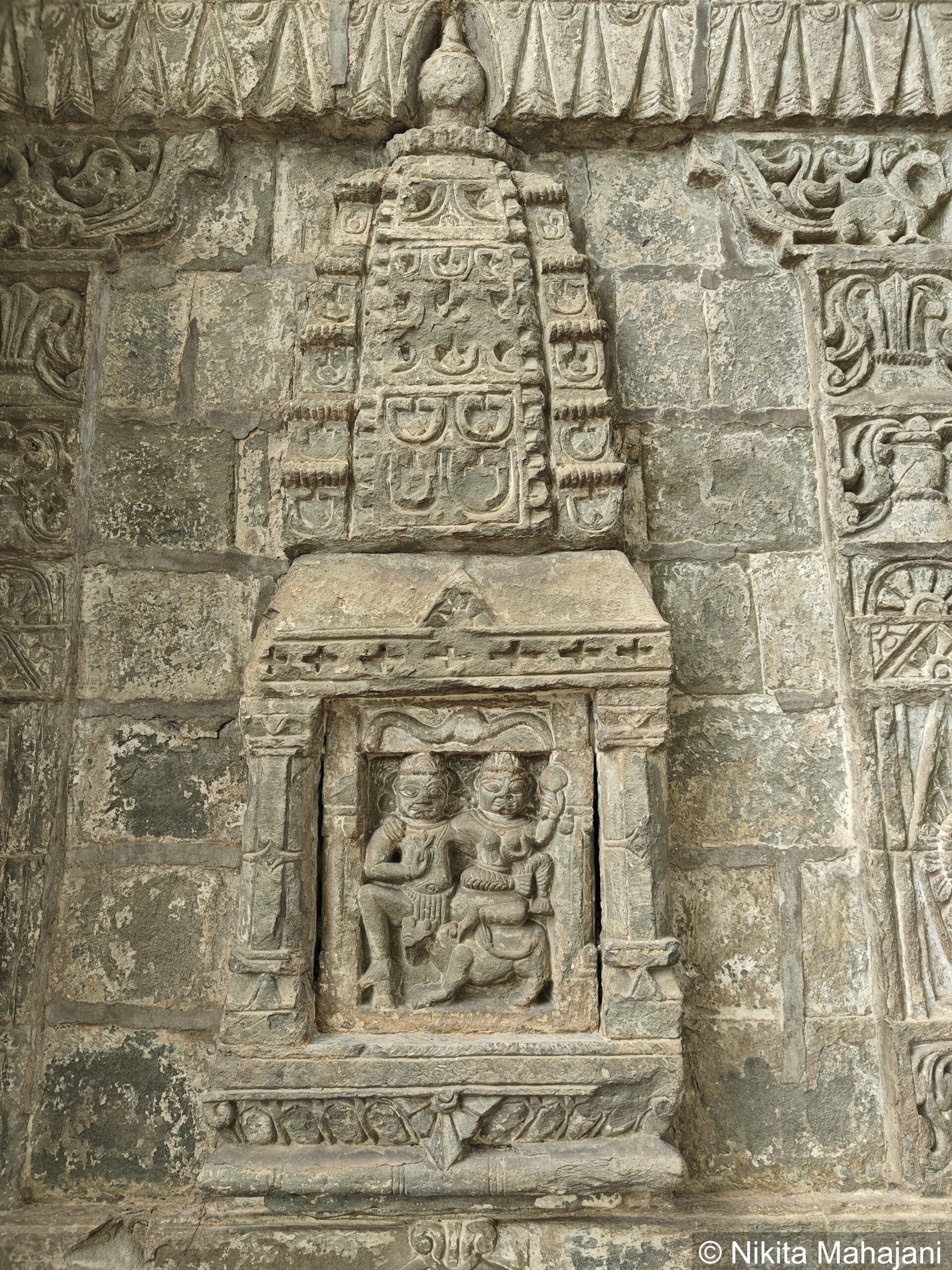
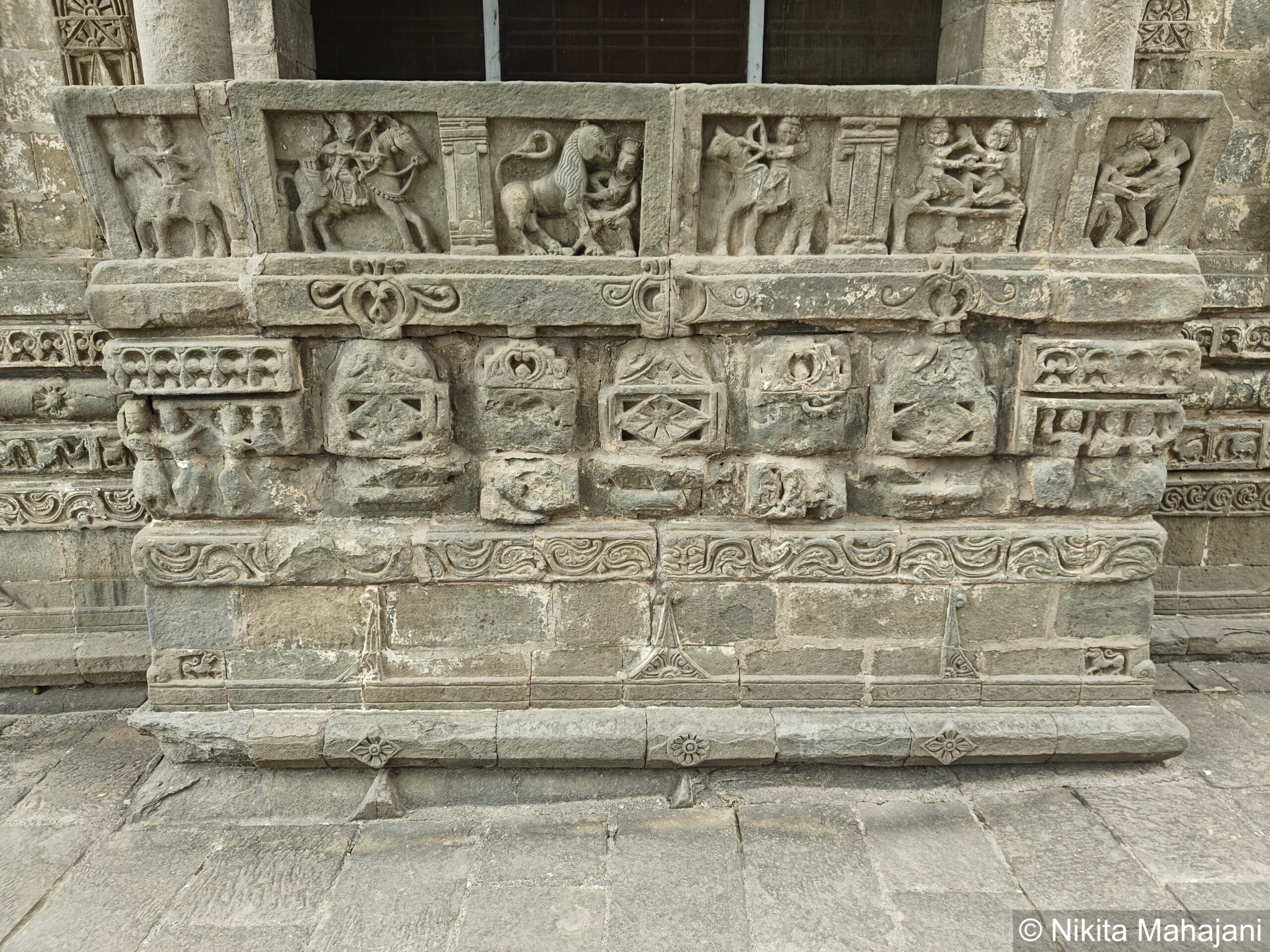
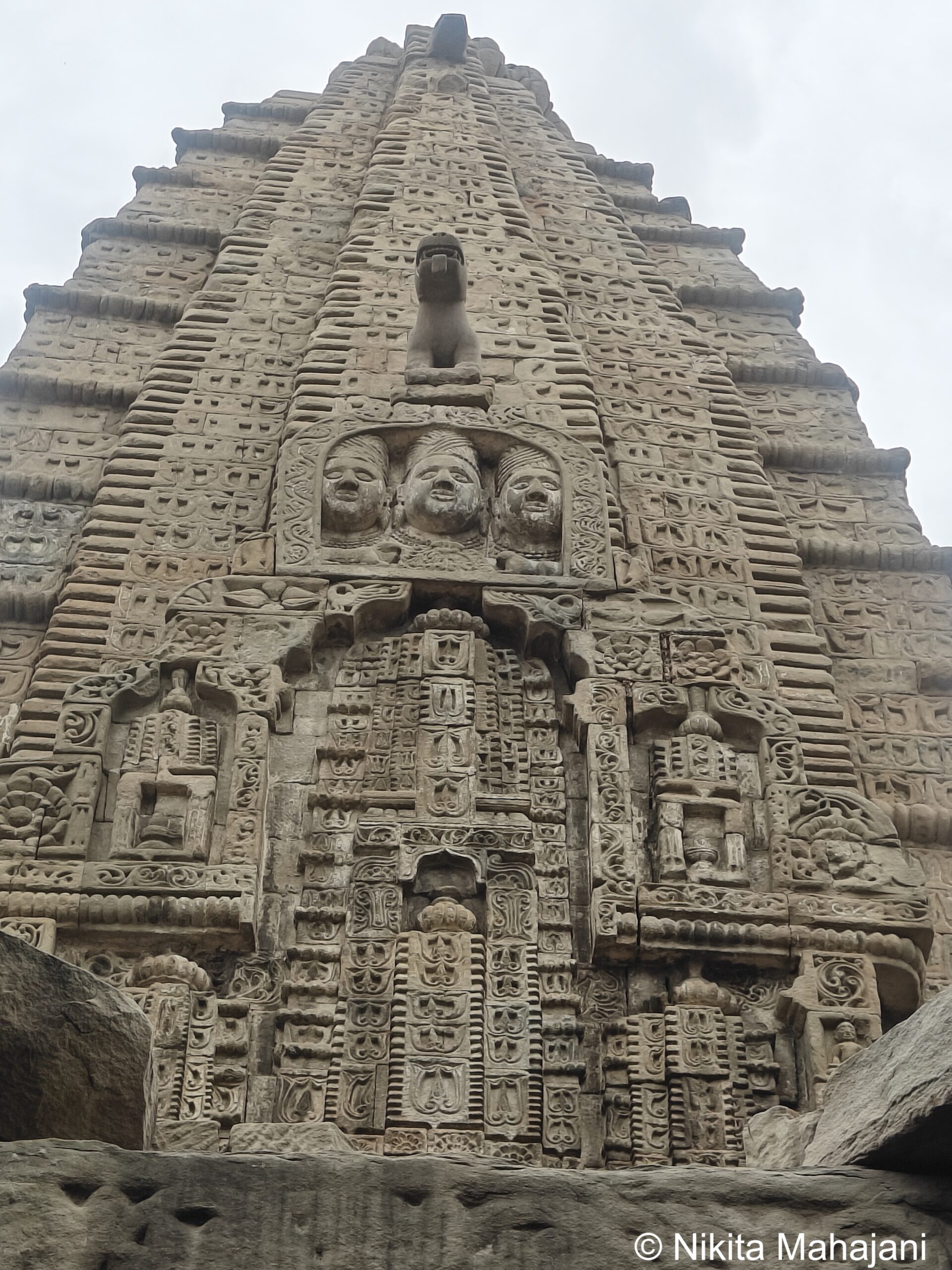
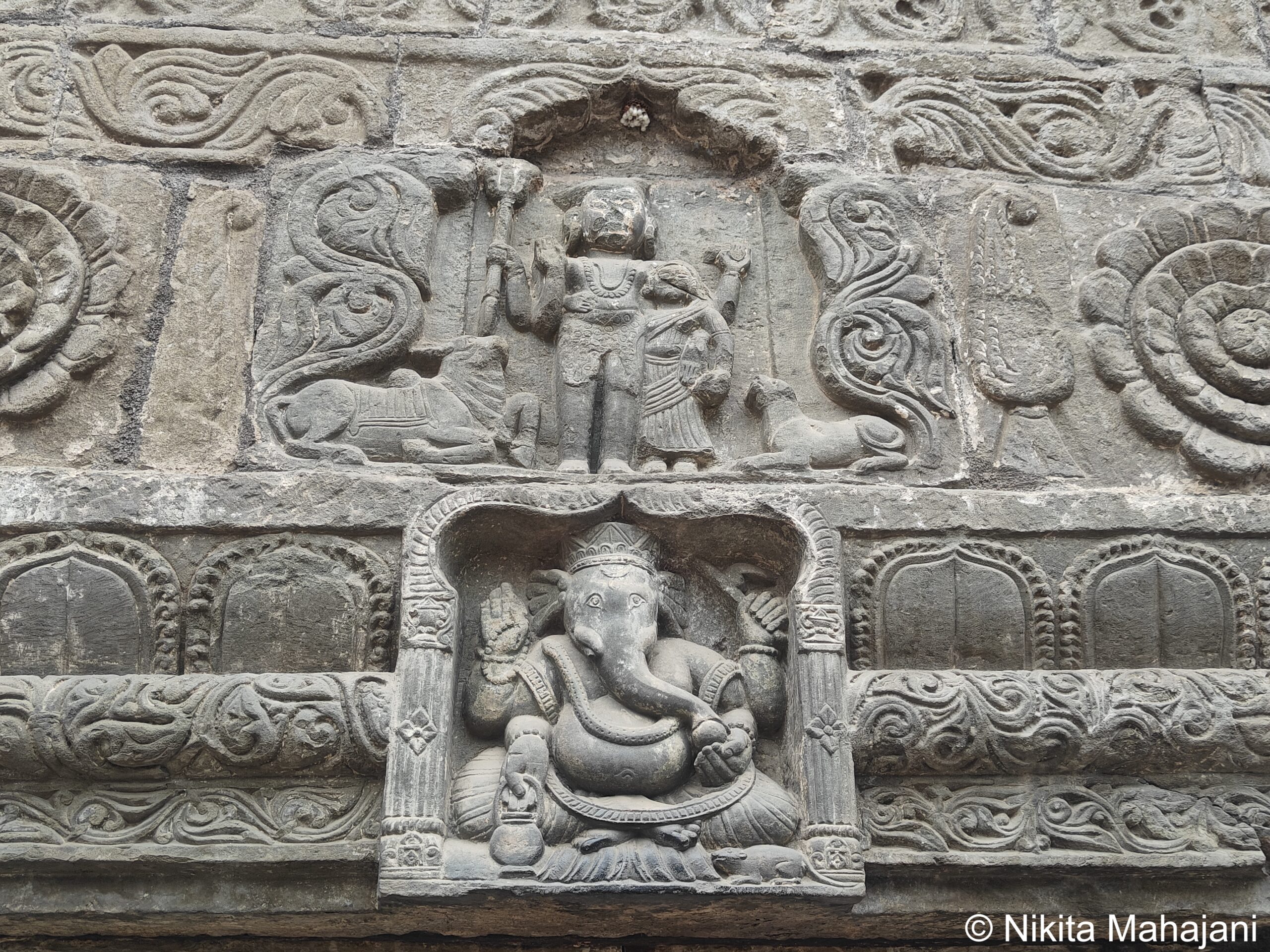
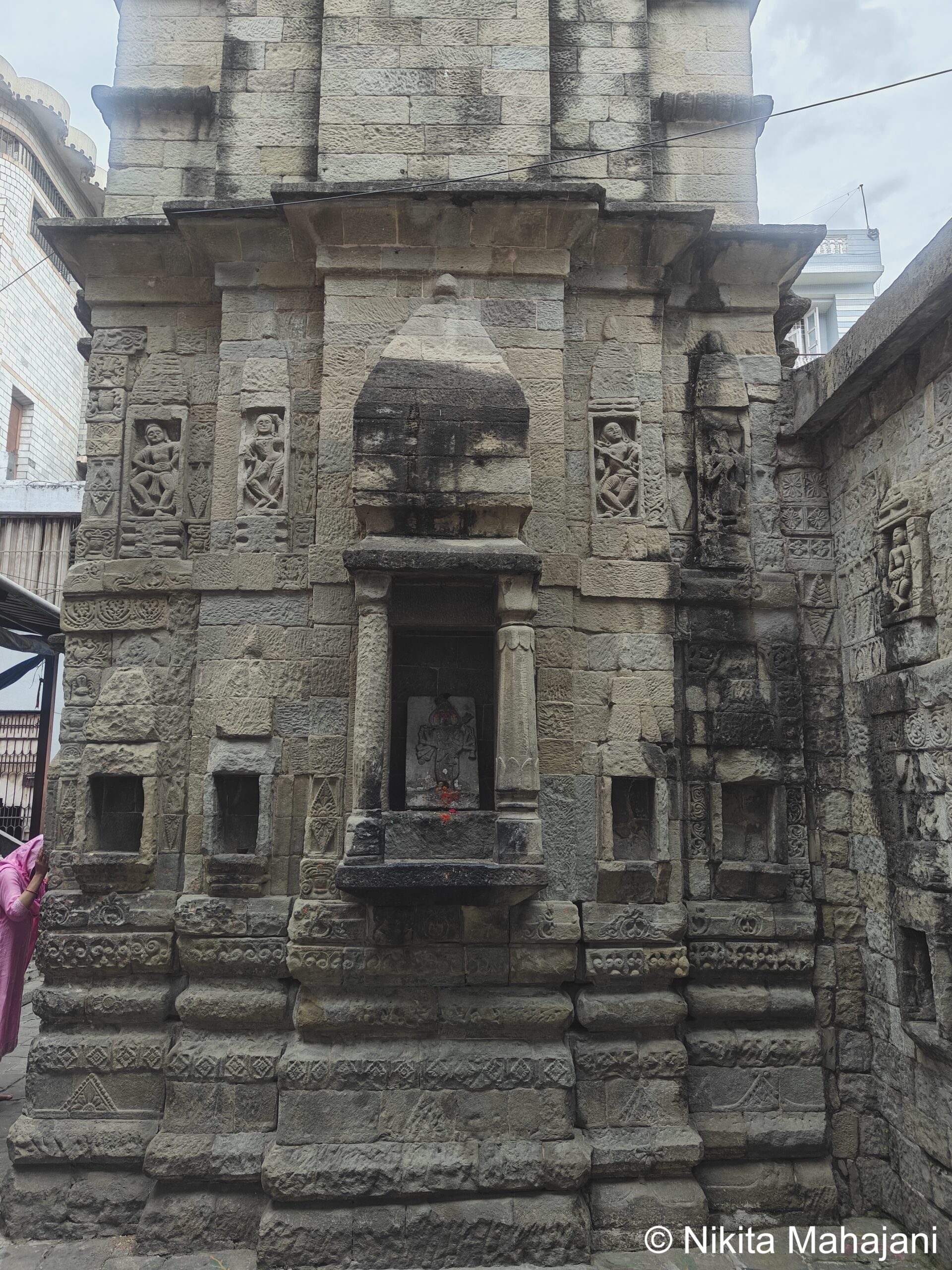
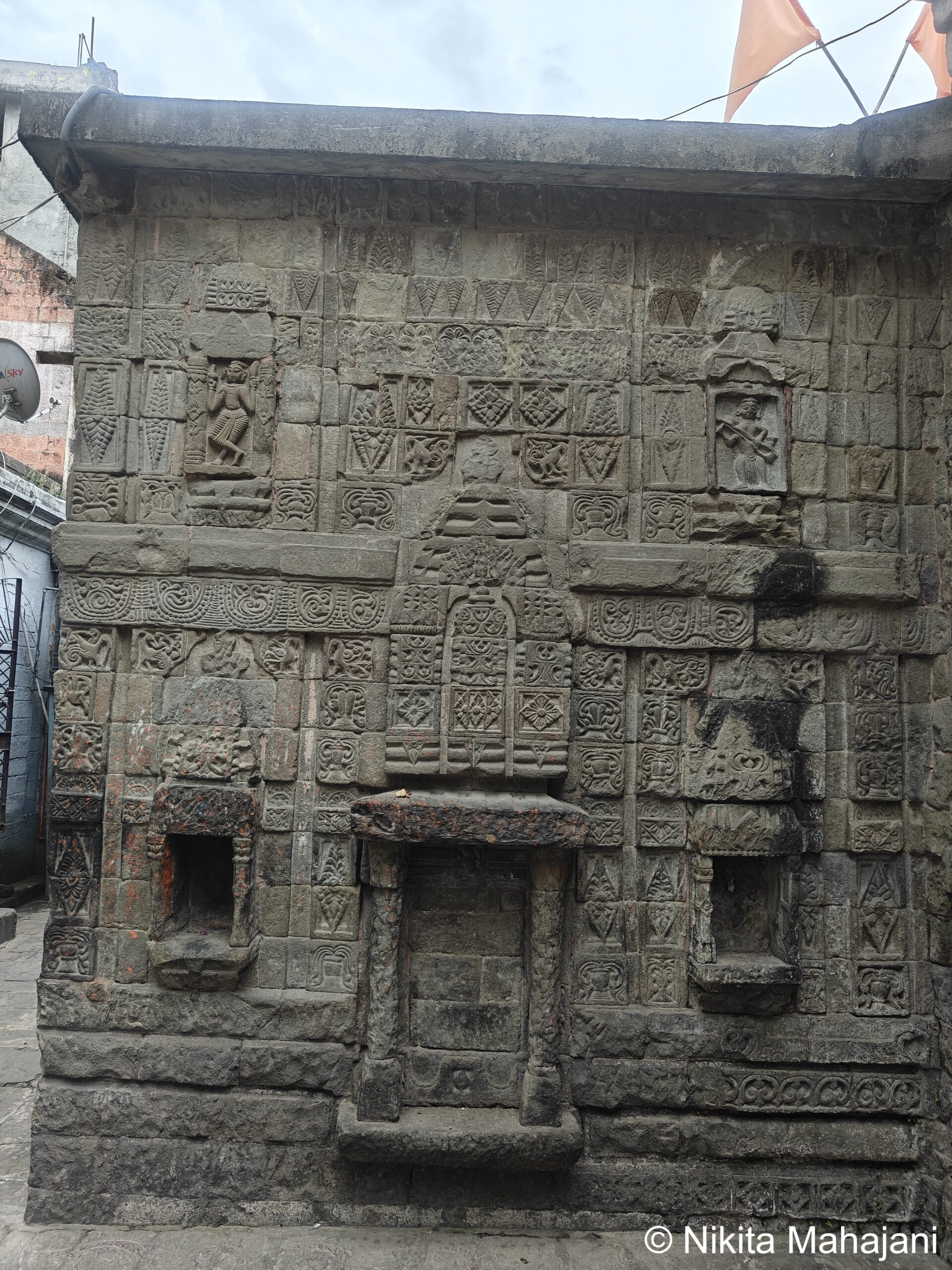
The Ardhanarishwar Temple built of sandstone is counted among the prominent temples of Mandi due to its excellent architectural and sculptural beauty. Built in the Shekhari style, this temple has a Panchratha sanctum, antarala (vestibule), and mandapa. The sanctum has a complex layout — a square plan with projections, and houses a Shivalinga. One of the other sculptures here is an image of Ardhanarishwara. The sanctum’s vestibule has a Kalasha-shaped Shikhara (spire), beautifully adorned with vyalas and yakshas, with fine carvings on the amalaka and sukanasi.
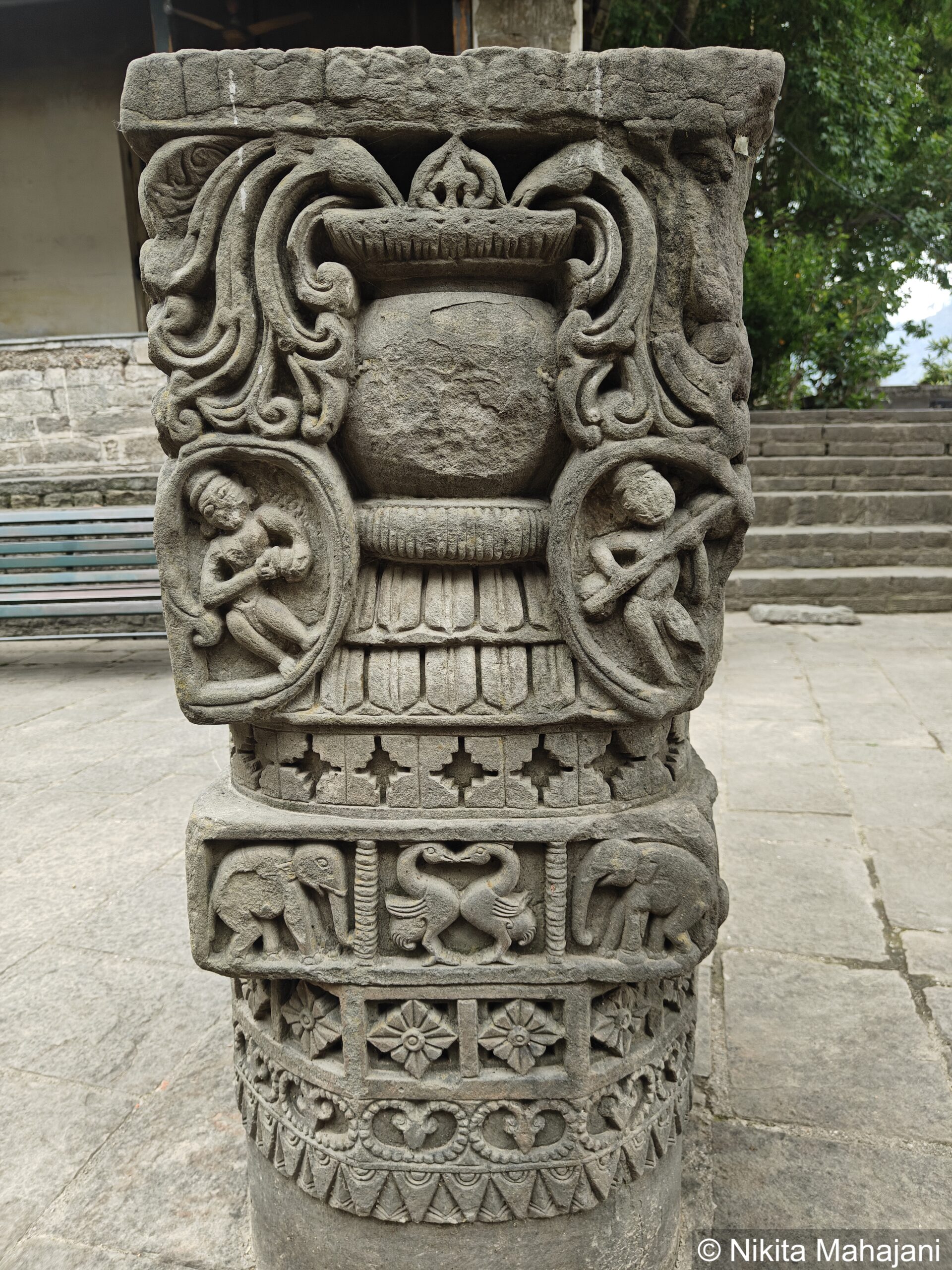
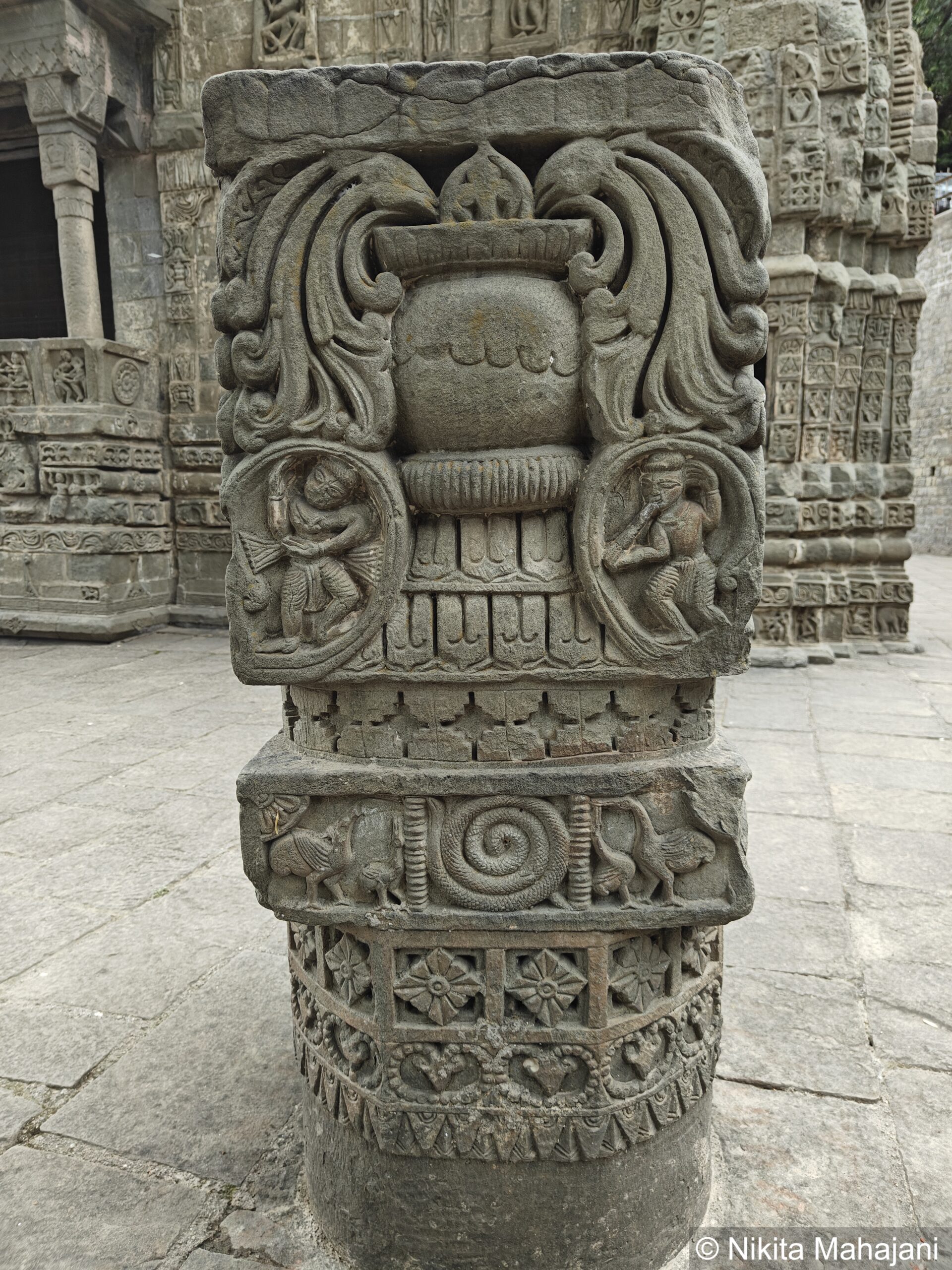
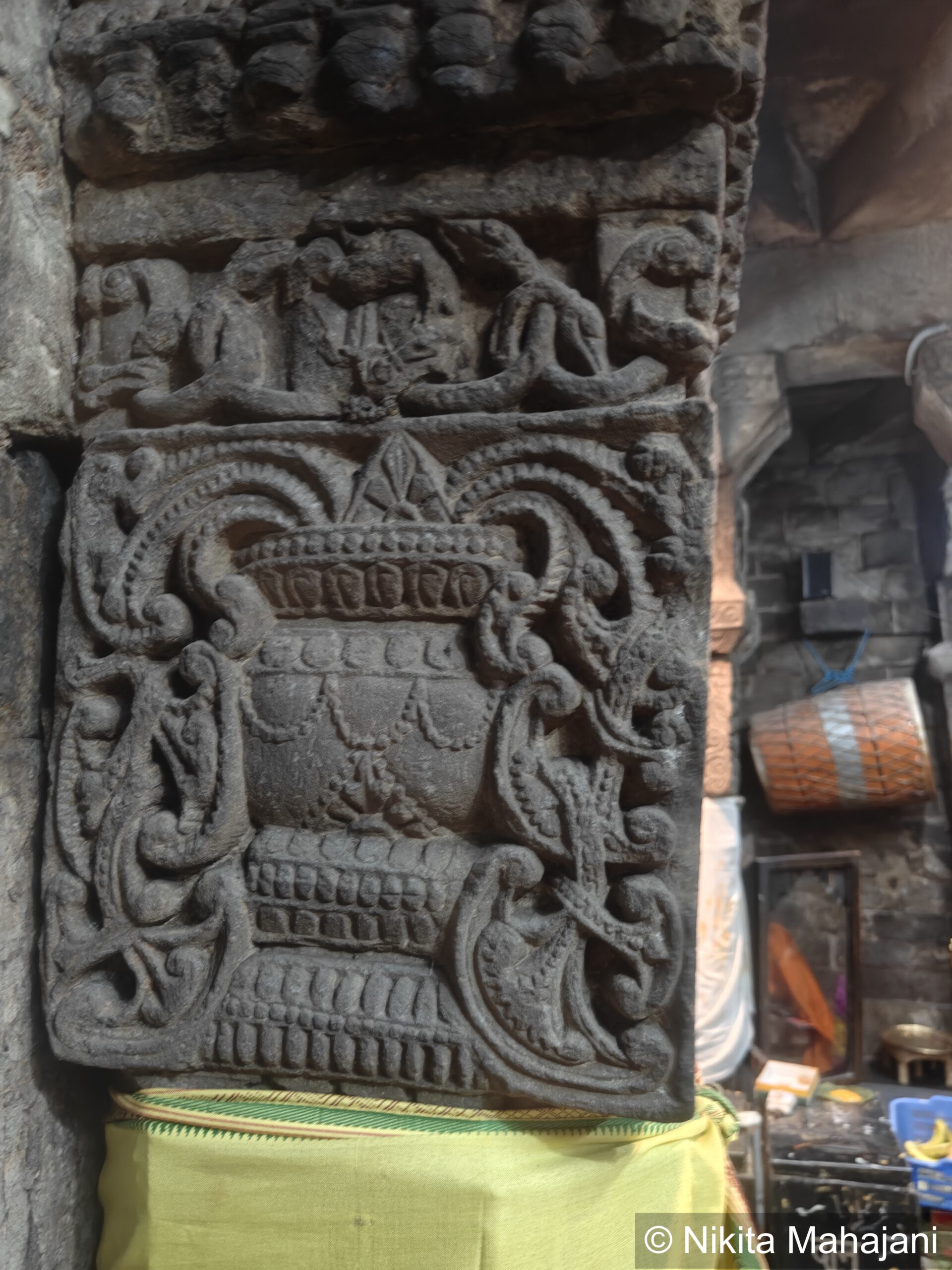
The mandapa, based on four pillars, is comparatively smaller than the sanctum, but the entire complex is well-balanced in proportion. The mandapa is supported by carved columns and has a ceiling made with interlocking stone beams. At the four corners of the mandapa are miniature shikharas. The octagonal central section of the mandapa’s ceiling is supported by bracketed pillars, with the center portion being spherical. Half of the ceiling is now destroyed.
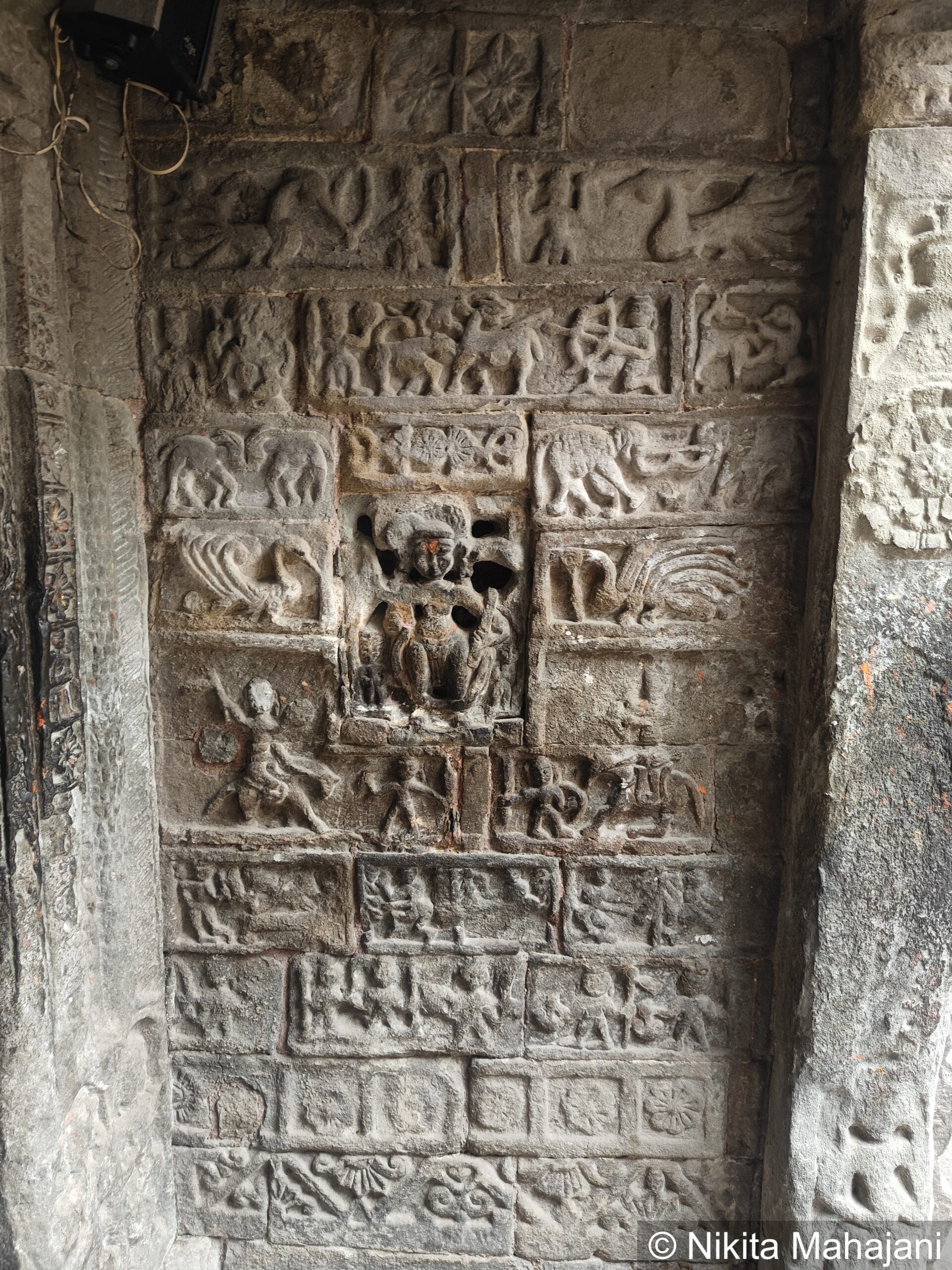
The mandapa has two entrances on the east and west, each having ornate doorframes. On both sides of the entrance and in the niches around the mandapa’s shikharas are sculptures of celestial nymphs (apsaras), vidyadharas, and mithuna (amorous couples).
From the perspective of art and architecture, this important temple belongs to the 16th–17th century CE. Because of its unique archaeological and architectural value, the Government of India, under the Ancient Monuments and Archaeological Sites and Remains Act, 1958, through notification number S.O. 2282, dated 09-06-1982, has declared it a monument of national importance and a protected monument.”



Baba Bhootnath Mandir
The Bhootnath Temple, completed in 1727, has a fascinating origin story. Historians say that the site was once a grassy pasture where a cow mysteriously shed milk every day at the same spot. When the king of Mandi heard about this, he visited the place and discovered a Shivling there. Inspired by this divine sign, he began the construction of the Bhootnath Temple in 1720, along with a nearby royal residence. Once the temple was completed in 1727, a grand celebration was held on the occasion of Mahashivratri, with local deities invited to participate. The king then relocated his residence from the right bank of the river to the new palace near the temple.
Today, the temple stands at the entrance of a bustling market street that bears its name. However, parking in the area is limited, so it’s advisable to visit early in the morning to avoid having to park at a distance.


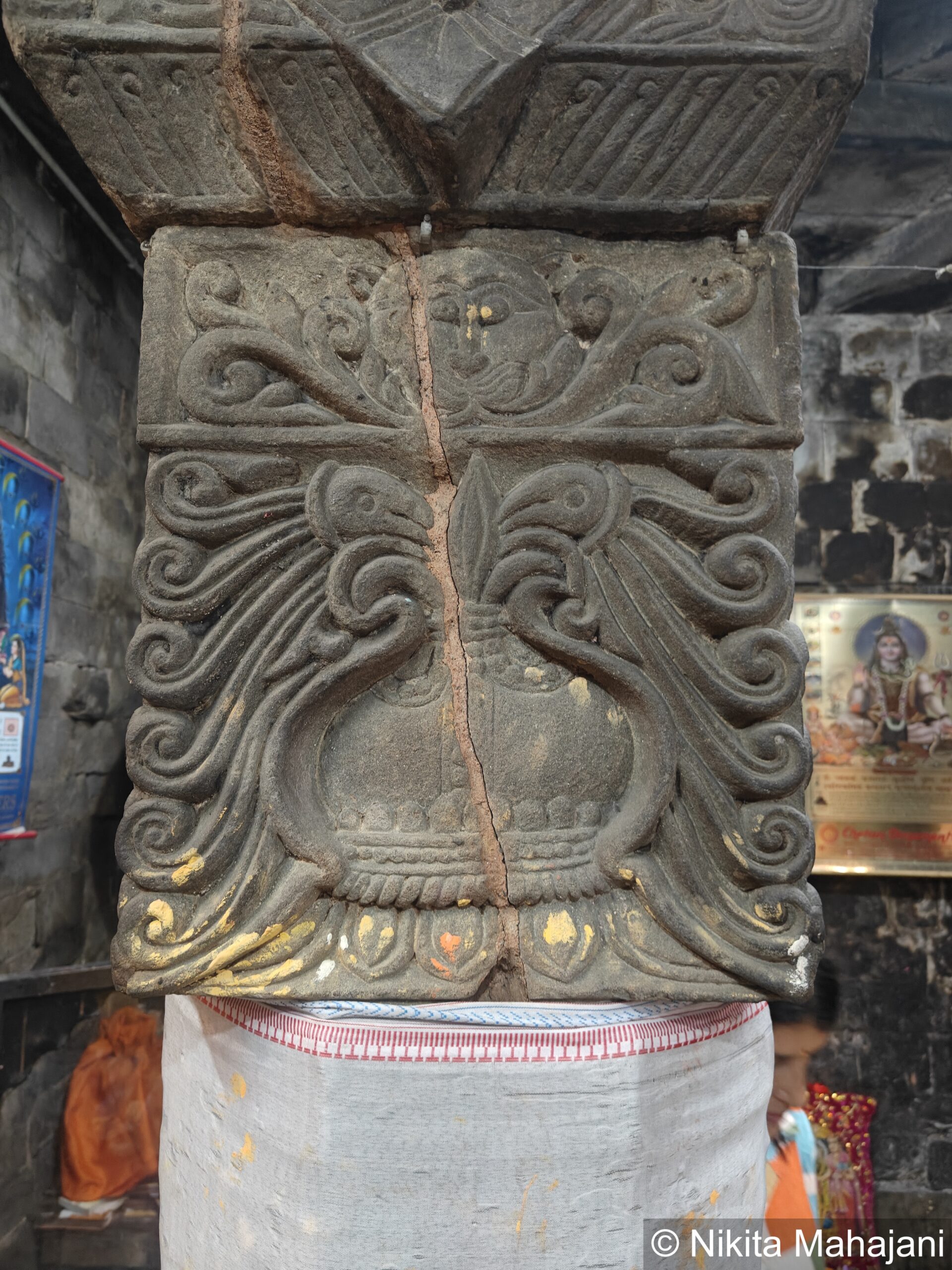
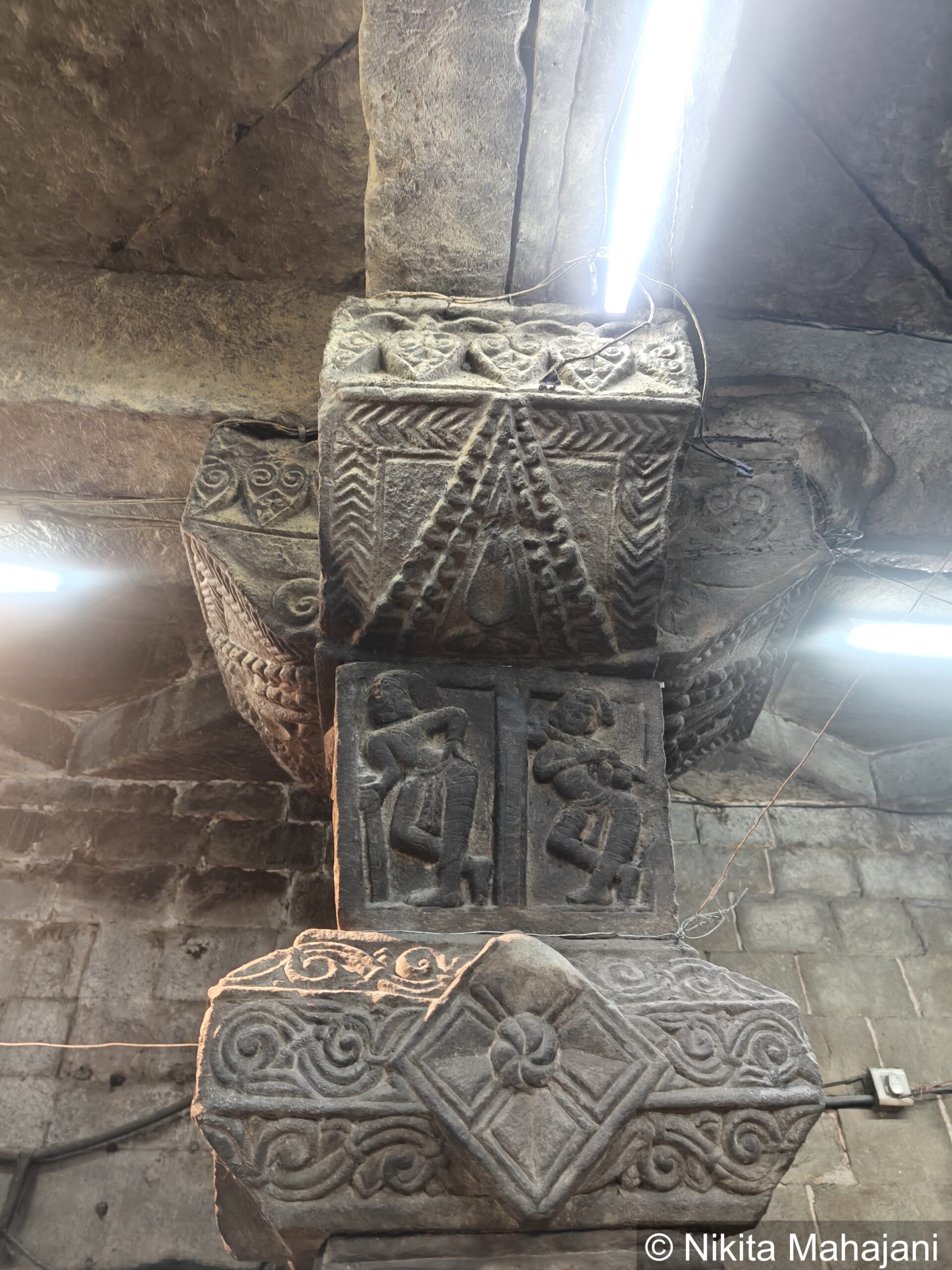
Panchvaktra Temple
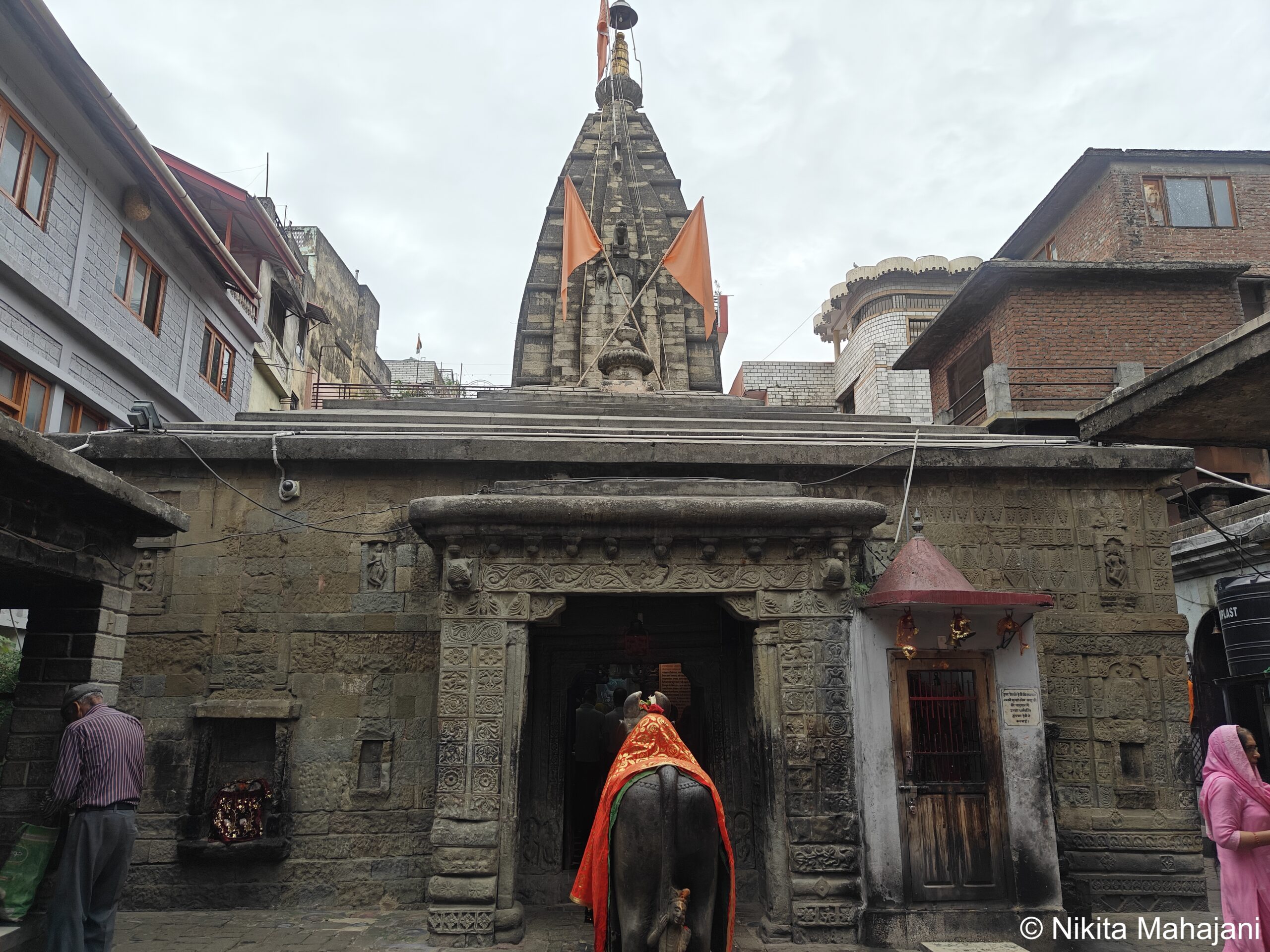
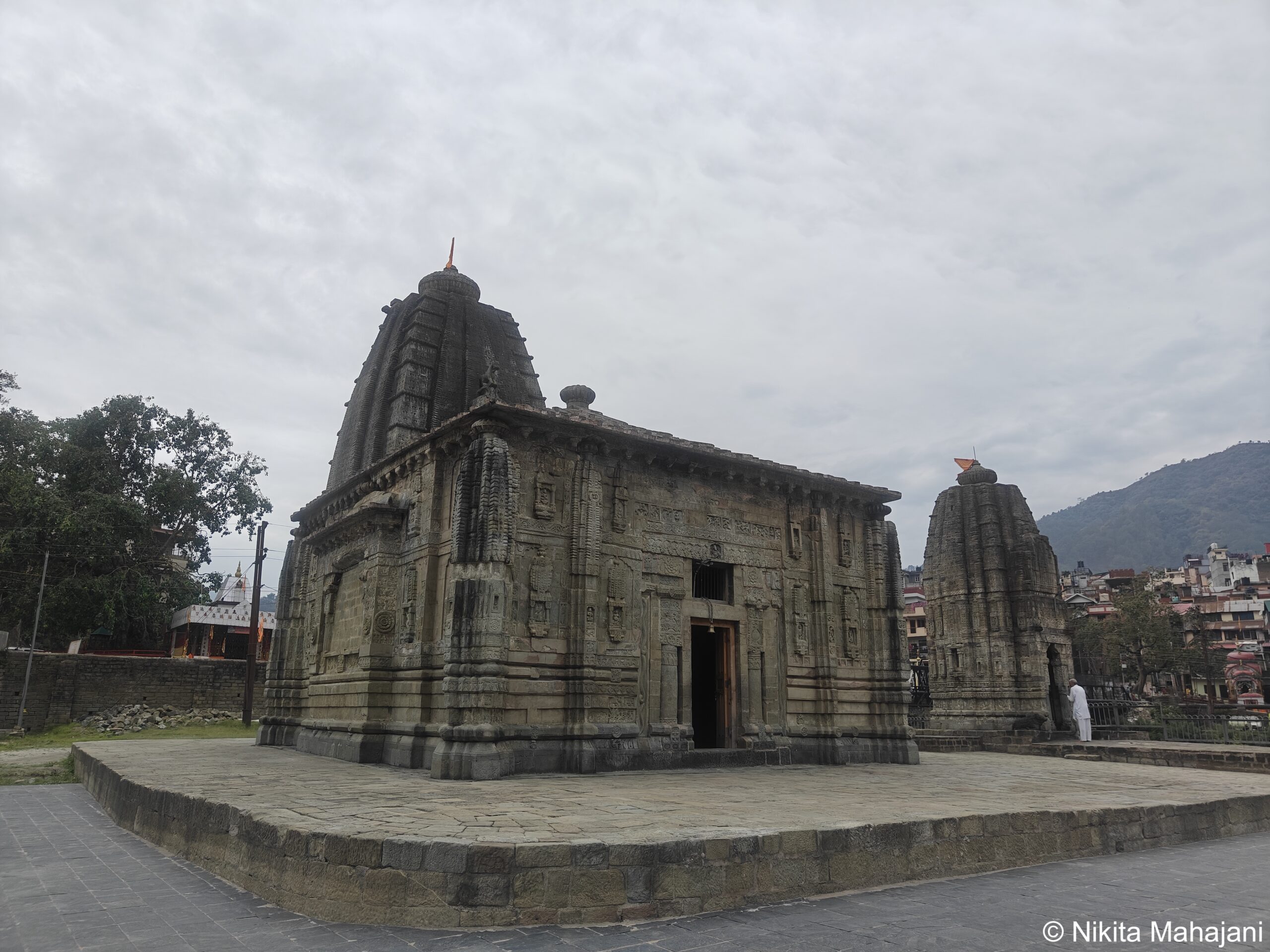
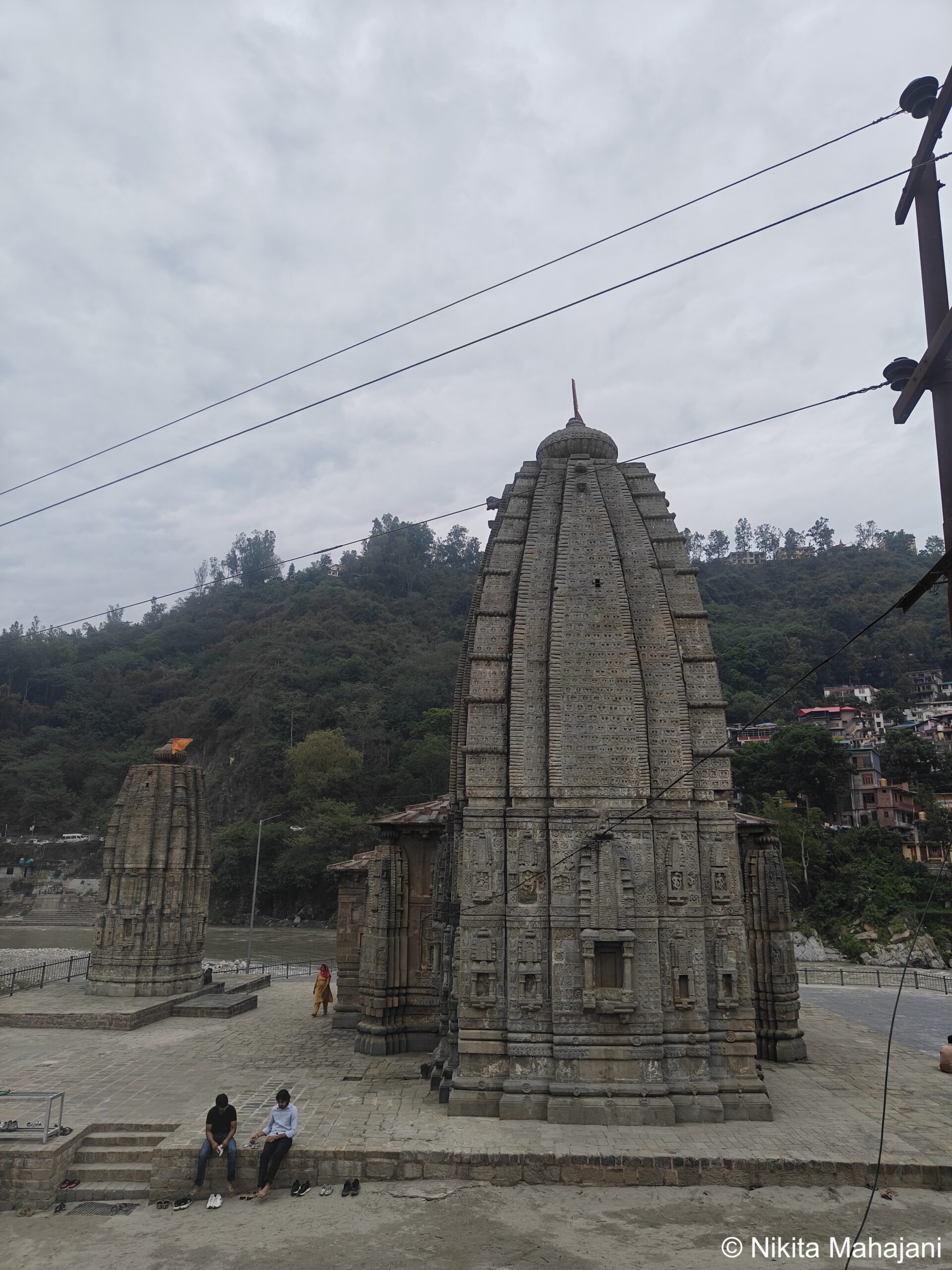
The Panchvaktra Temple, over 600 years old, is a striking structure visible from afar. Its timeless architecture and aura instantly transport visitors to an ancient era. Dedicated to Lord Shiva in his five-faced form, the temple houses two similar idols—one enshrined in the sanctum (garbh-griha) and the other placed outside.
Each of the five faces of Lord Shiva represents a unique aspect: Aghora (the fierce), Ishana (the supreme and all-pervading), Tatpurusha (ego), Vamadeva (the gentle, feminine side), and Rudra (both creative and destructive). As seen in many Himachali temples, Nandi—the loyal bull—stands alert outside, ready to follow his Lord’s command, and a deity figure is carved hanging by its tail.
Built of exceptionally resilient stone, the temple has withstood the force of floods over centuries, with only minor erosion in some parts. The temple premises are well-maintained, and the serene riverside location attracts many young students who come to soak in its peace and spiritual atmosphere.This was originally built in the 15th century but was destroyed in a flood and rebuilt in the 18th. the sanctum enshrines an image of Bhagwan Shiva with five facets. The carving of Nandi the bull, Shiva’s celestial vehicle is exemplary.


The day ended with a steaming hot dinner and rest at Munish Resort, Mandi.
To read the next blog on Day 02: Baijnath, click here.