To read the previous blog on Day 03: Burhanpur & Asirgarh, click here.
By 6:30 PM, we reached Omkareshwar, where the sacred Narmada River welcomed us with its serene beauty. At 7:00 PM, we checked into Vanasthali Resort, ready to unwind after a long day. By 8:00 PM, we enjoyed a delicious dinner at the resort, reflecting on the day’s enriching experiences.
Day 04: Omkareshwar sightseeing
We started Day 4 with an early breakfast at Vanasthali Resort at 8:00 AM, gearing up for a spiritual and scenic day ahead.
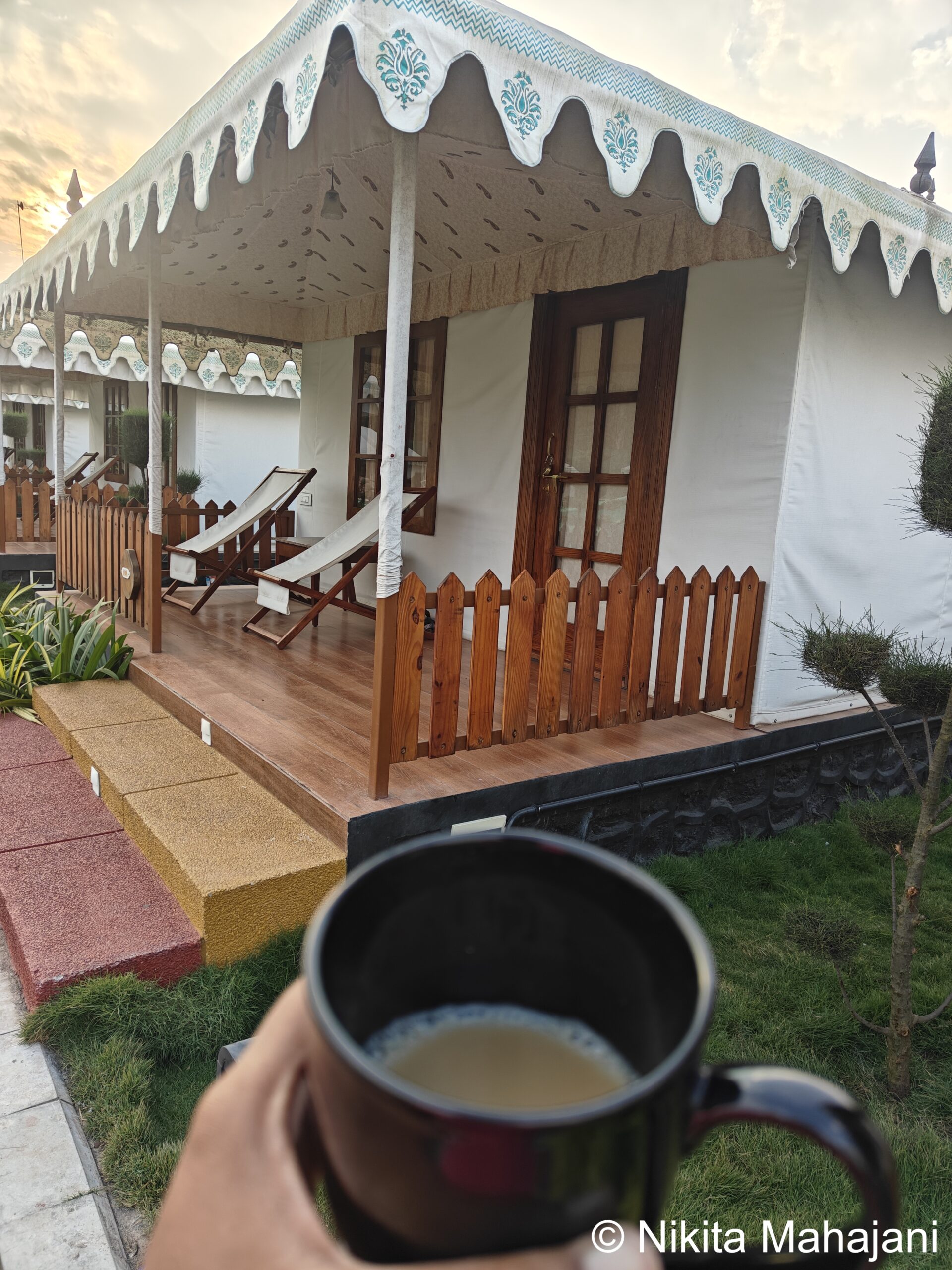
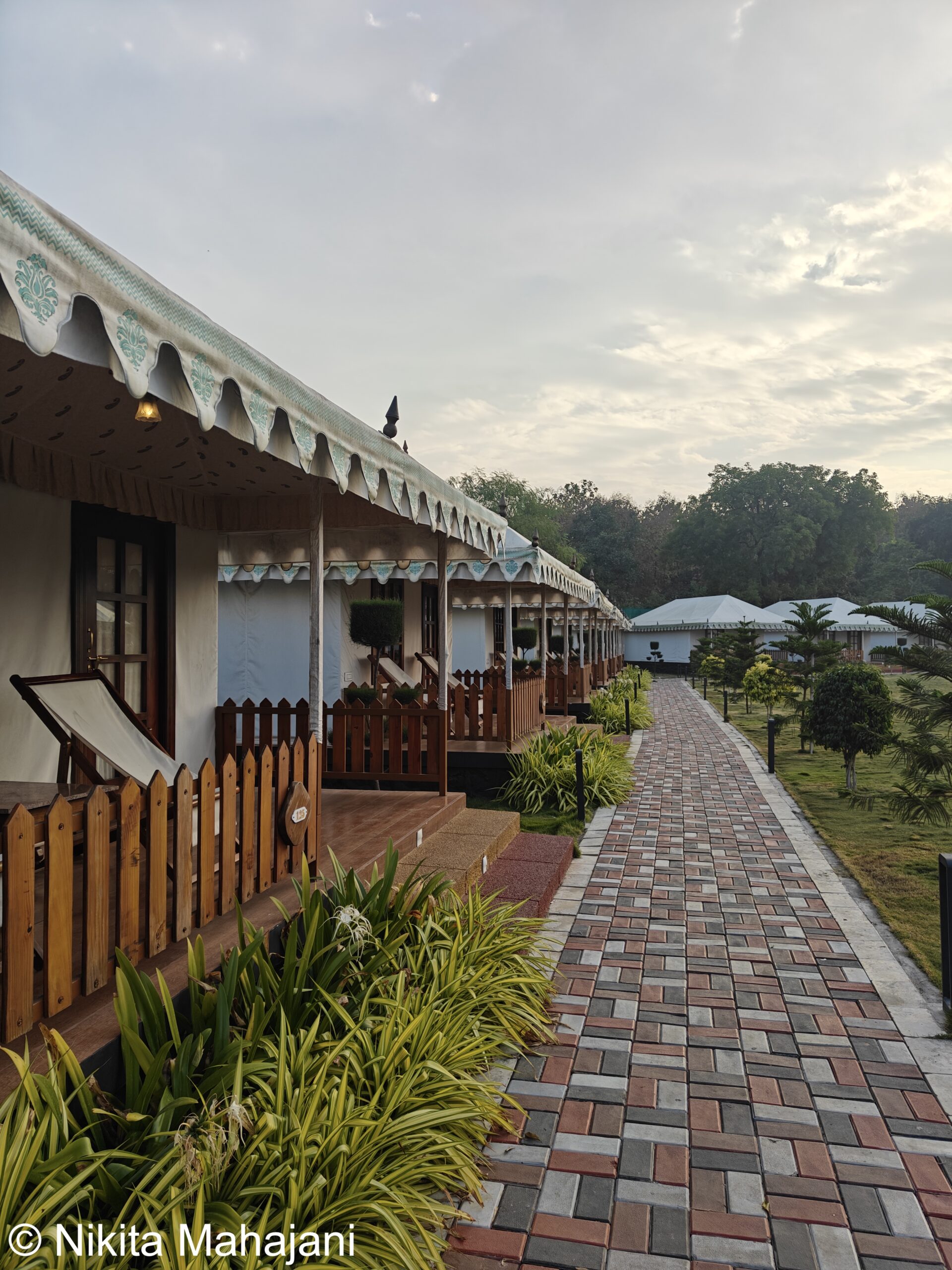
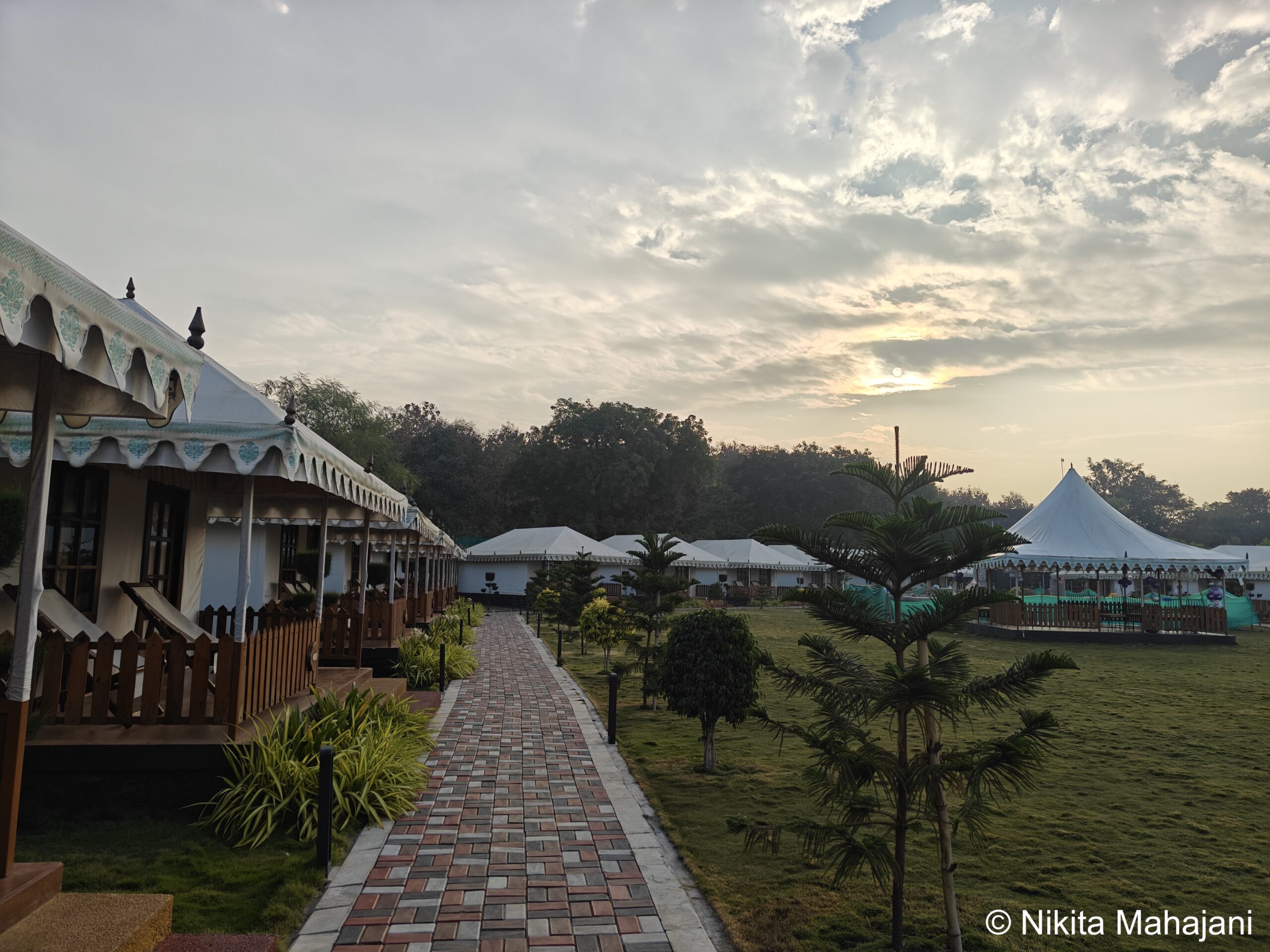
The cottage in Vanasthali Resort was spacious, with a clean and thoughtfully designed room and bathroom, offering a high level of comfort. The entire property is beautifully maintained, surrounded by lush greenery and a calm, serene environment — ideal for a peaceful getaway.
The staff was polite, attentive, and ensured a smooth and pleasant stay. One of the standout aspects was the food — dinner was flavorful and fulfilling. I particularly liked that the resort features a pure vegetarian restaurant, which was a major advantage for me.
The complimentary buffet breakfast was equally delightful, with a wide selection of fresh and tasty dishes to start the day right.

We parked at the paid parking near Kashi Vishwanath temple and started walking towards the banks of the river. The first temple that we came across was Mamleshwar temple. Since we came early in the morning at 8:30am, it was less crowded.
Mamleshwar Temple
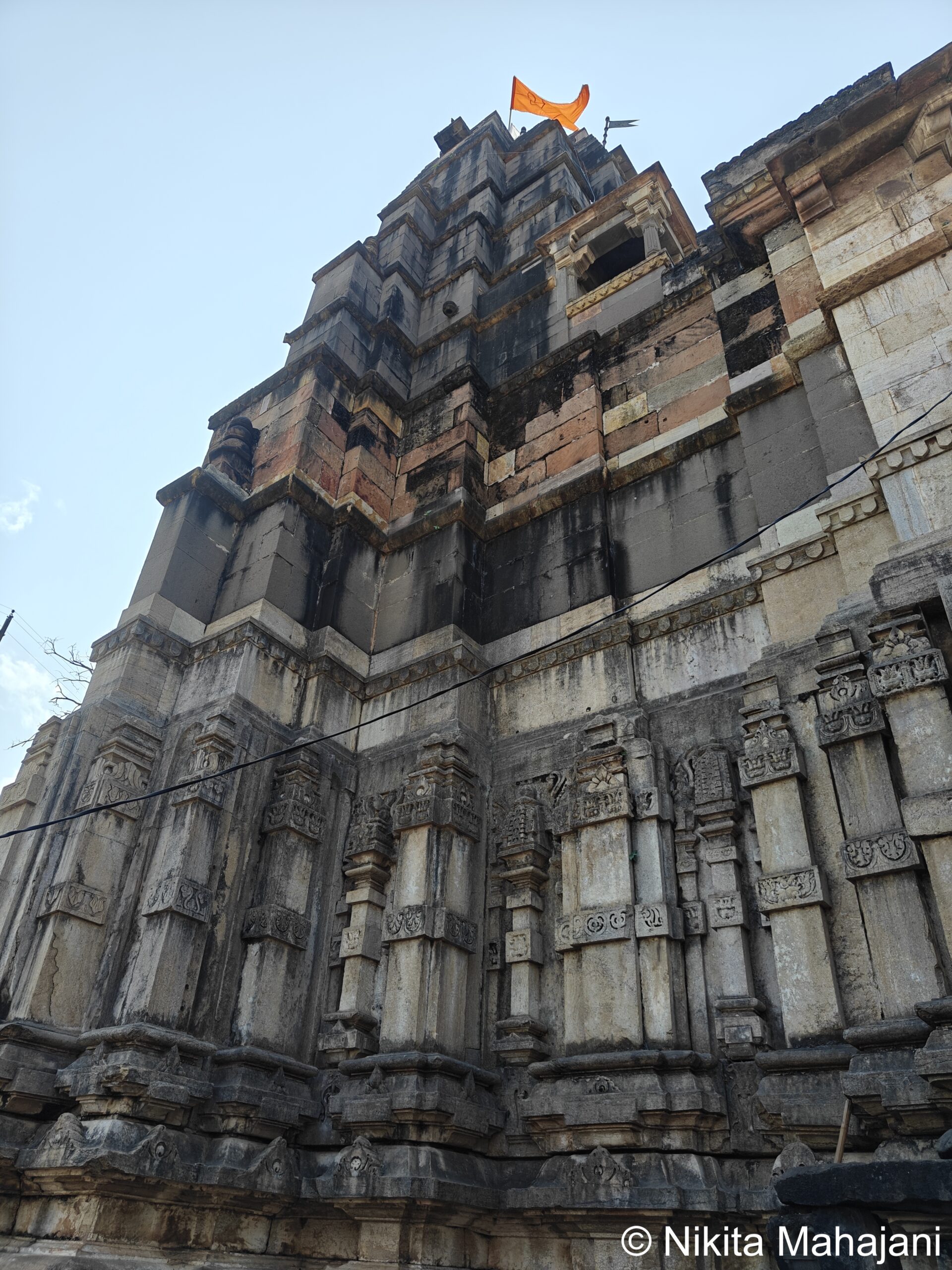
Mamleshwar temple, originally known as Amreshwar, is situated on the southern bank of the Narmada River. It holds significant religious importance, with devotees often visiting both Omkareshwar and Mamleshwar temples for darshan and worship. The temple stands out as a fine example of ancient architecture and intricate craftsmanship. Its walls are inscribed with Mahimn Stotras, dating back to 1063 AD.
Maharani Ahilyabai Holkar used to offer prayers here, and since her time, rituals have been carried out by priests from the Holkar State. The temple is currently managed by the ‘Ahilyabai Khansgi Trust’ and is recognized as a protected monument by the Archaeological Survey of India.
Mamleshwar temple is a tranquil and spiritually significant site with deep religious importance. One of its most remarkable features is the ancient stotra inscriptions on its walls, dating back to 1063 A.D. Unlike the larger and busier Omkareshwar Temple located across the river, Mamleshwar offers a quieter and more personal experience due to its smaller size and fewer crowds. The temple is open daily from 6 AM to 9 PM. It’s best to visit early in the morning, as later in the day it becomes quite crowded and can take up to an hour just to reach the jyotirlinga.
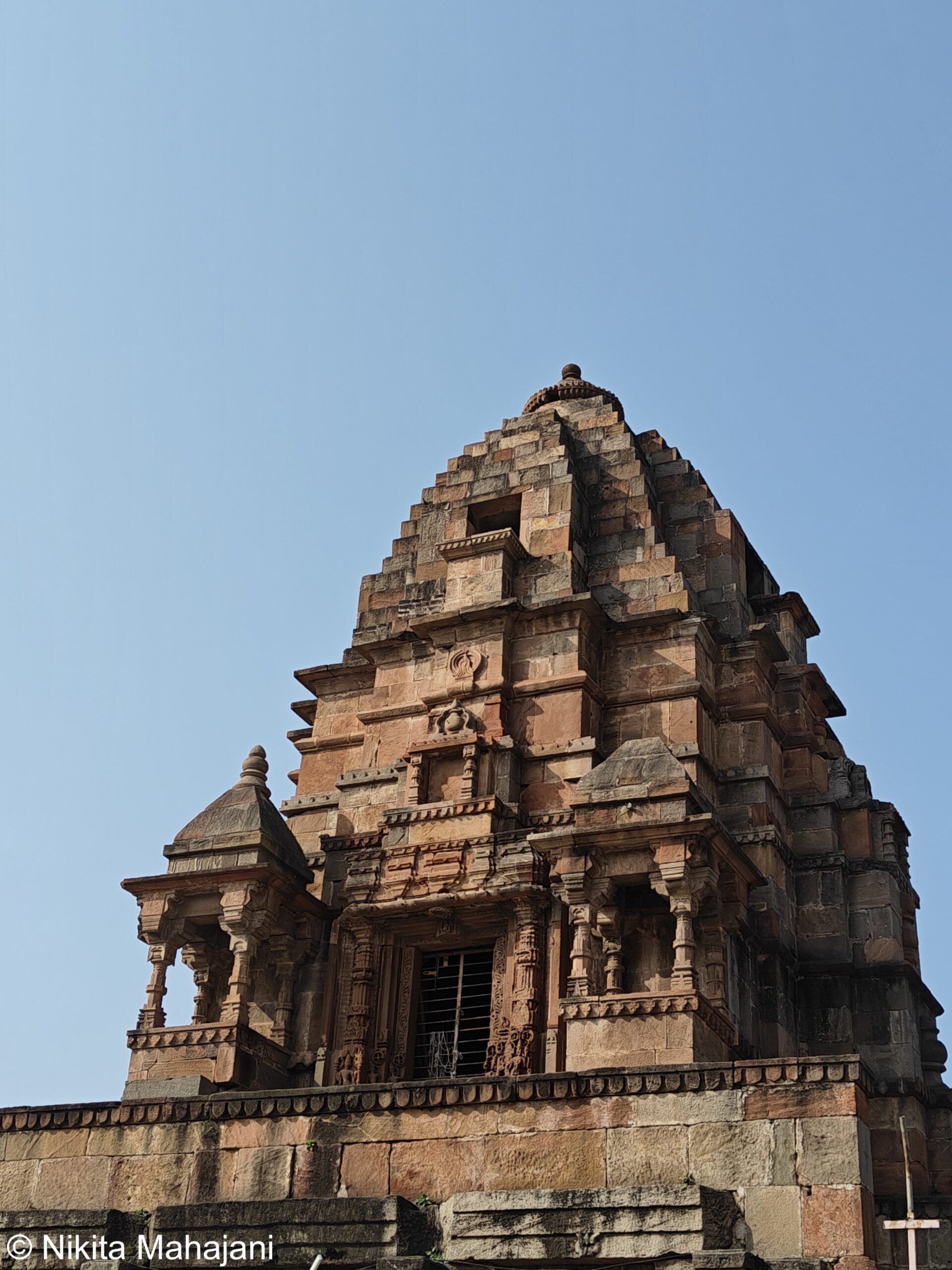
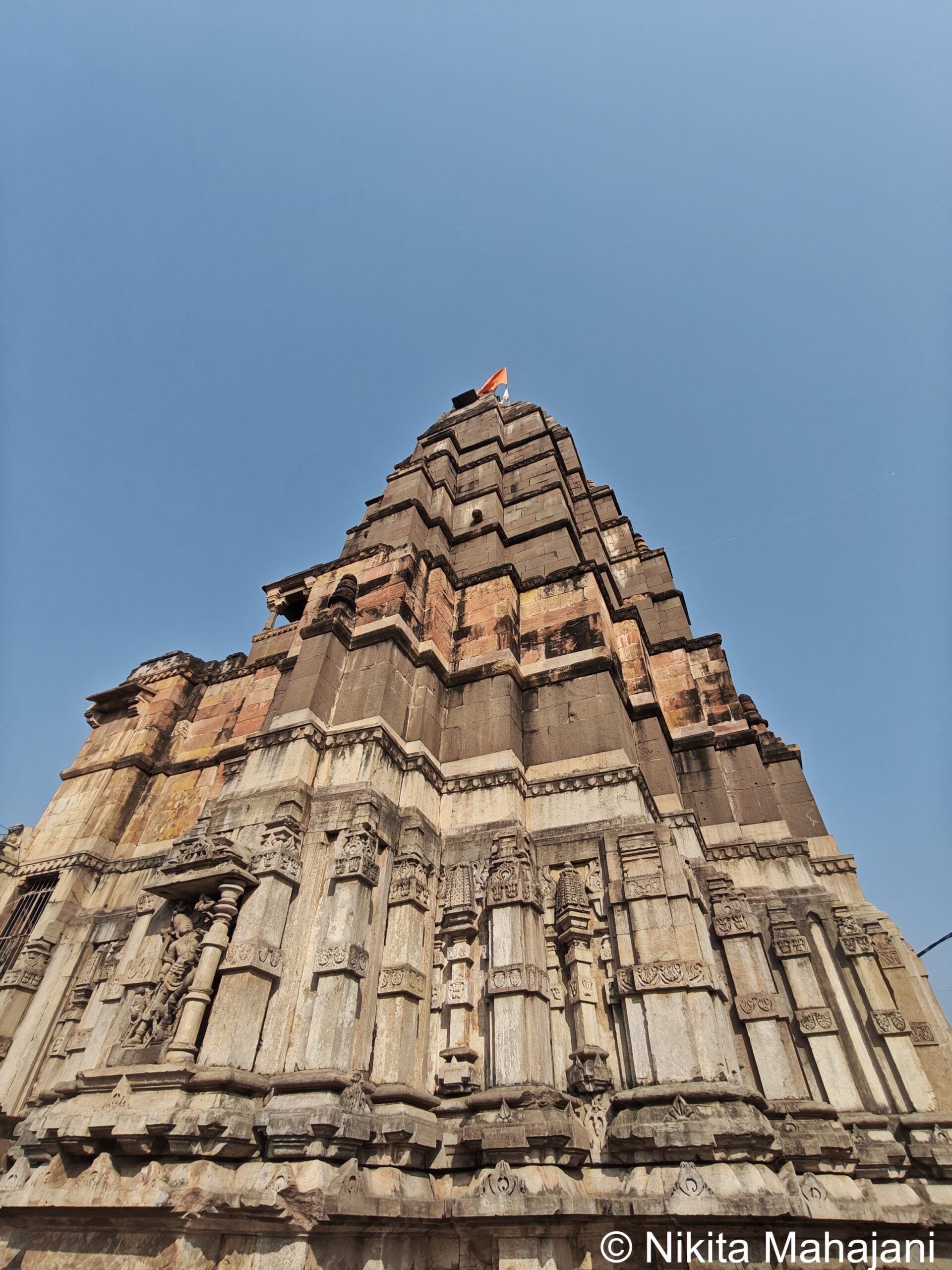
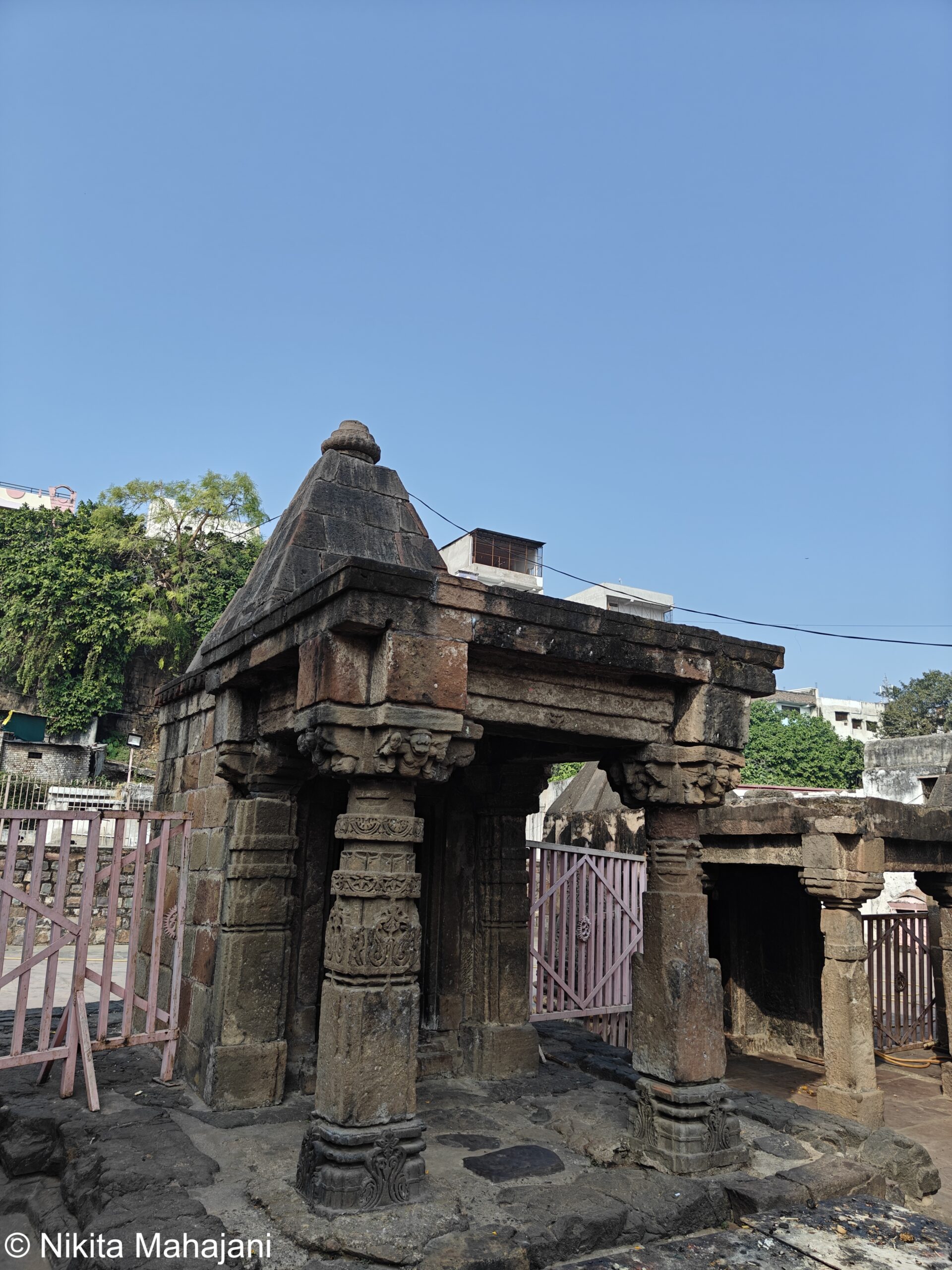
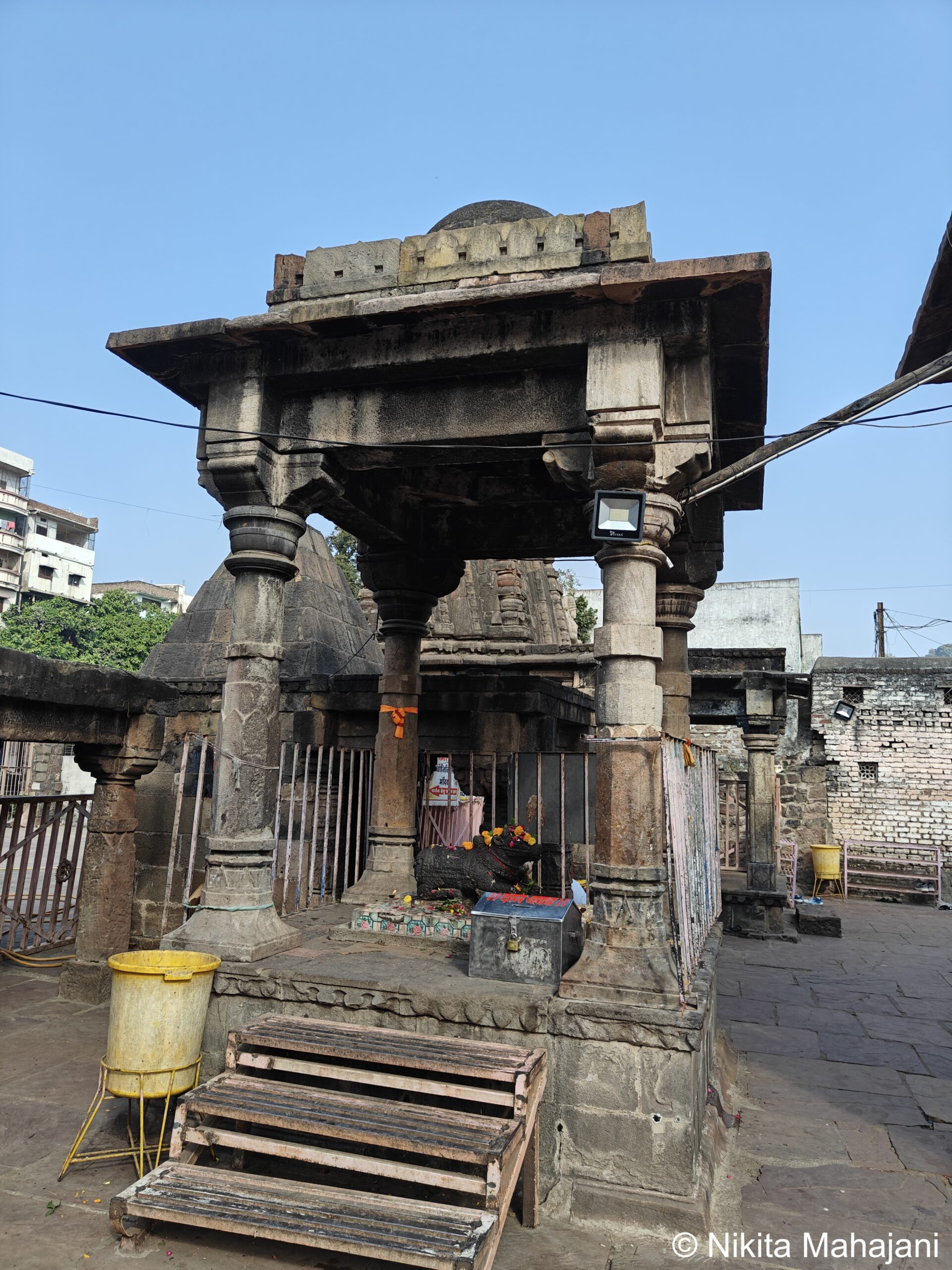
After visiting the Mamleshwar temple , the route is through a covered street market which leads to the steps to the river. We booked a boat there. One can either travel in a group which goes straight to Omkareshwar Temple. If you book a separate boat, they take you for a one hour round around the Mandhata island.
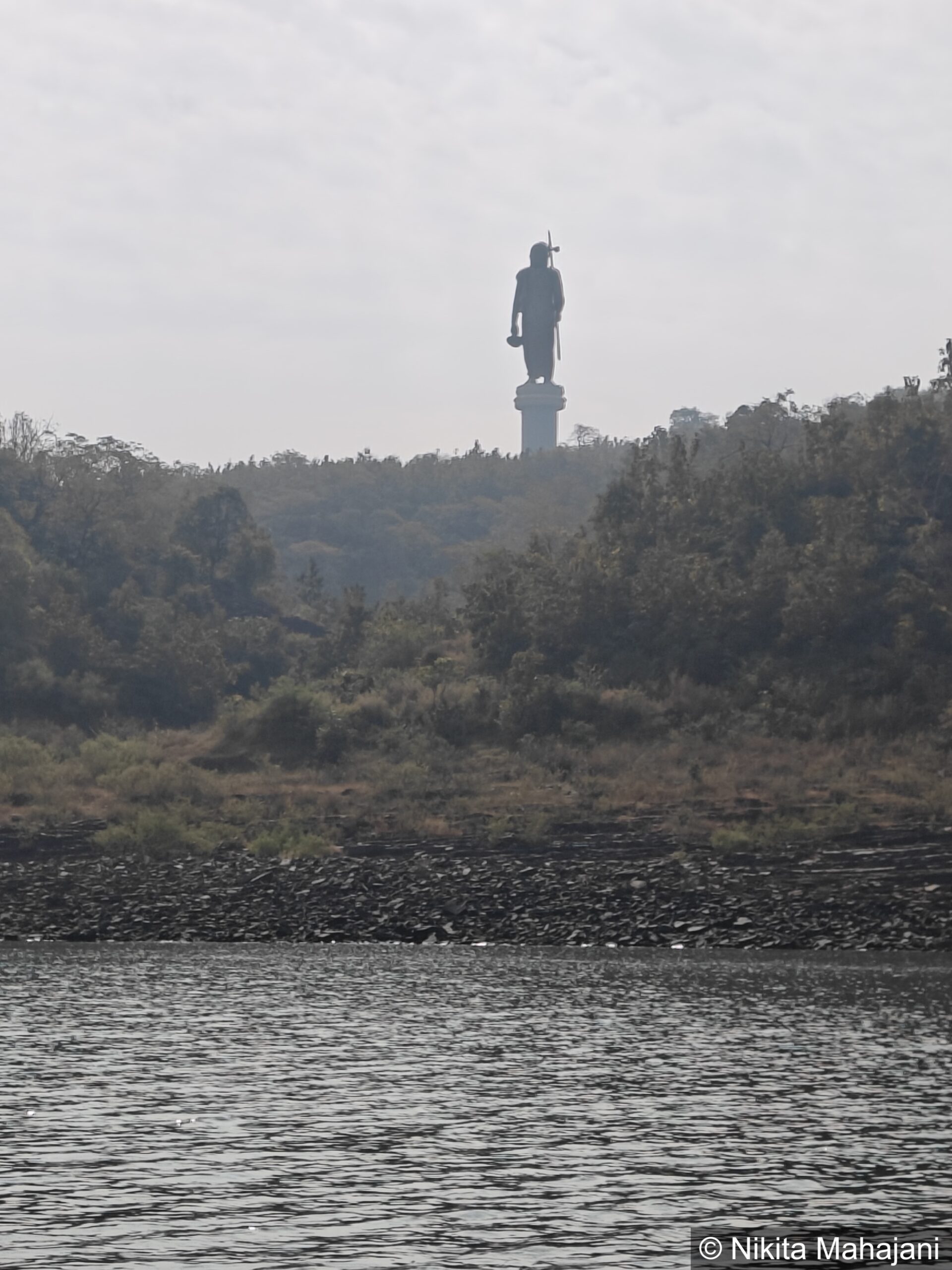
Narmada Parikrama by Boat: We booked a separate boat to complete the Narmada Parikrama. While sailing they showed us the Narmada Kaveri sangam, the Omkareshwar dam, Shankaracharya statue and a lot of temples. They also stopped at the Narmada Kaveri sangam so that we could splutter the holy water on our face. A lot of people were having bath in the holy water at the Narmada Kaveri sangam. The calm waters and the surrounding natural beauty made this journey incredibly soothing.
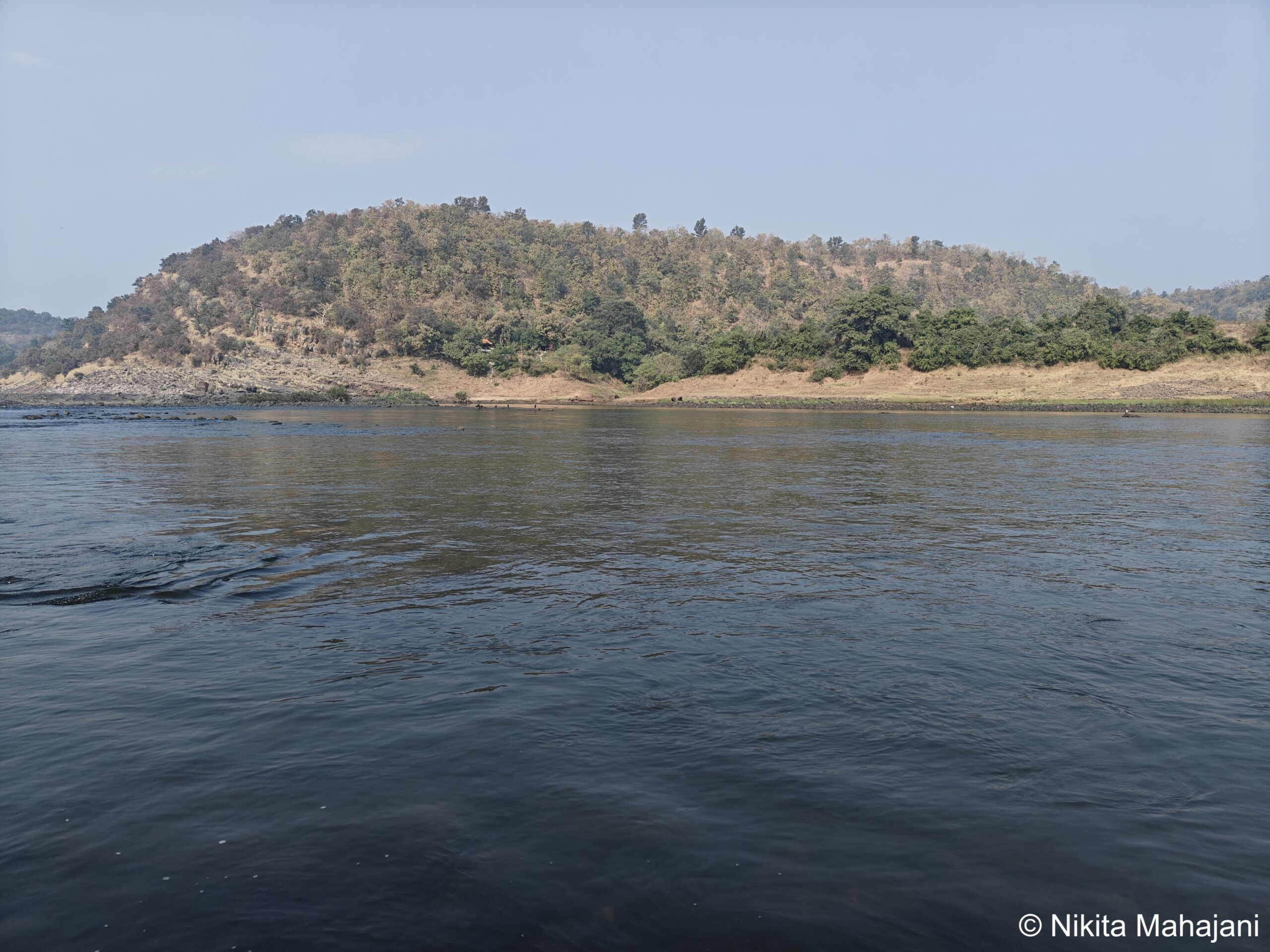
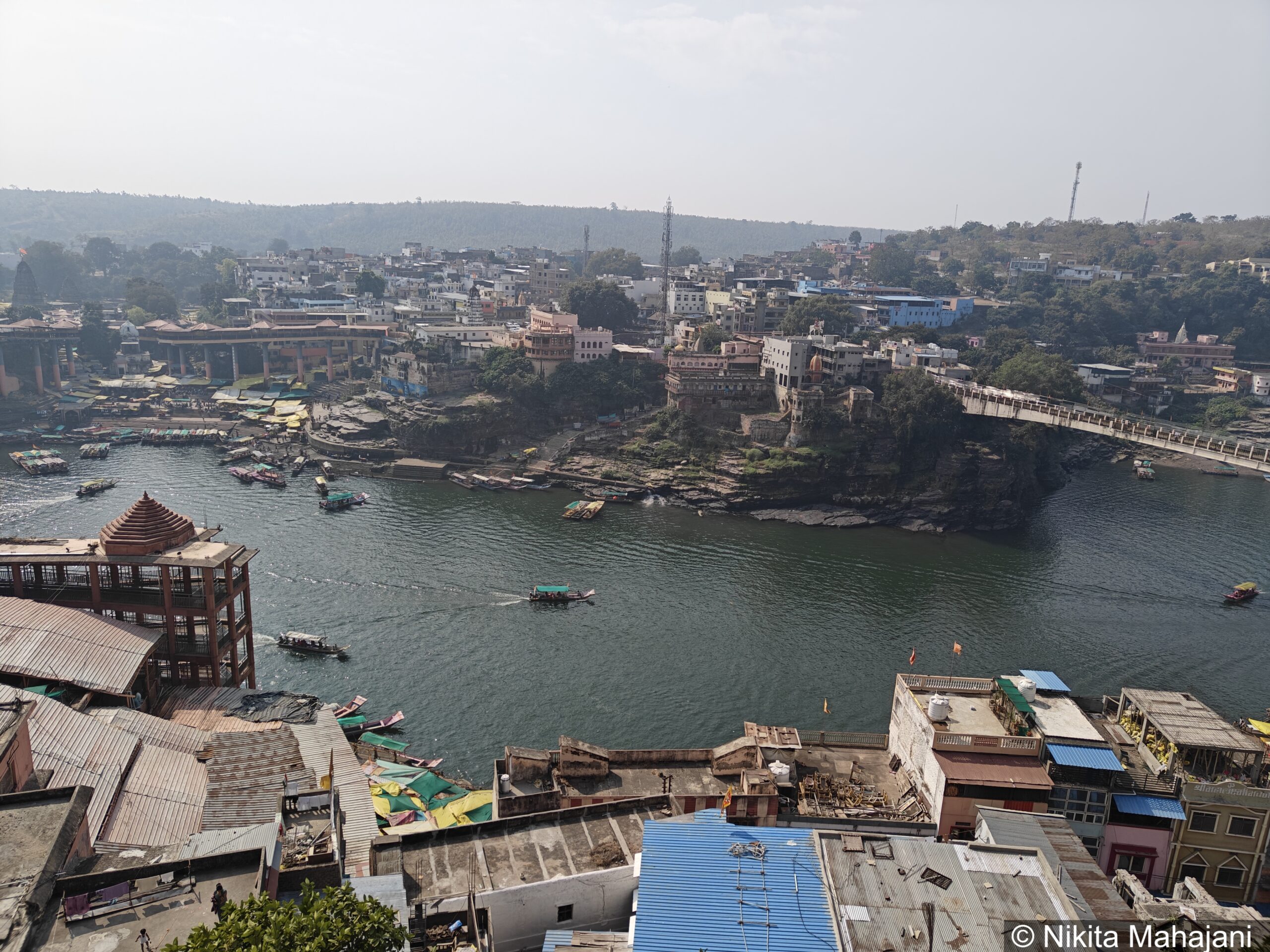
Mandhata Island: We reached Mandhata Island by boat, where we explored several significant landmarks like Mandhata Island, Omkareshwar Jyotirlinga temple, Shree Siddhanath Temple, Gouri Somnath temple.
Omkareshwar Jyotirlinga Temple: The temple was extremely crowded and covered from all sides. There is a four storeyed ramp for the queue of devotees.
The temple is built in the Nagara style of architecture, known for its towering spires, intricate frescos, and finely detailed sculptures. Surrounding the main shrine are spacious verandas supported by large columns carved in square, polygonal, and circular shapes, enhancing the temple’s aesthetic charm. The soft stone used in construction has allowed for exceptionally detailed carvings, including frieze figures on the upper sections and an ornately crafted stone roof.
Inside, there’s a large sabha mandapa (assembly hall) standing about 14 feet high, supported by 40 grand pillars adorned with Yakshi carvings. The temple has five levels, each housing different deities: from bottom to top—Shree Omkareshwar, Shree Mahakaleshwar, Shree Siddhanath, Shree Gupteshwar, and the Dhwajdhari Shikhar deity.
The temple complex also features sacred shrines dedicated to Panchamukhi Ganesha and Annapoorna Devi. Other deities like Lord Krishna, Devi Narmada, and Lord Shani are also worshipped here.
The Jyotirlinga is enshrined in the sanctum on the ground floor, partially submerged in water. A distinctive aspect of the Omkareshwar temple is that the Jyotirlinga is not located directly beneath the temple’s main spire (Shikhara), but rather to its side—a rare architectural feature.
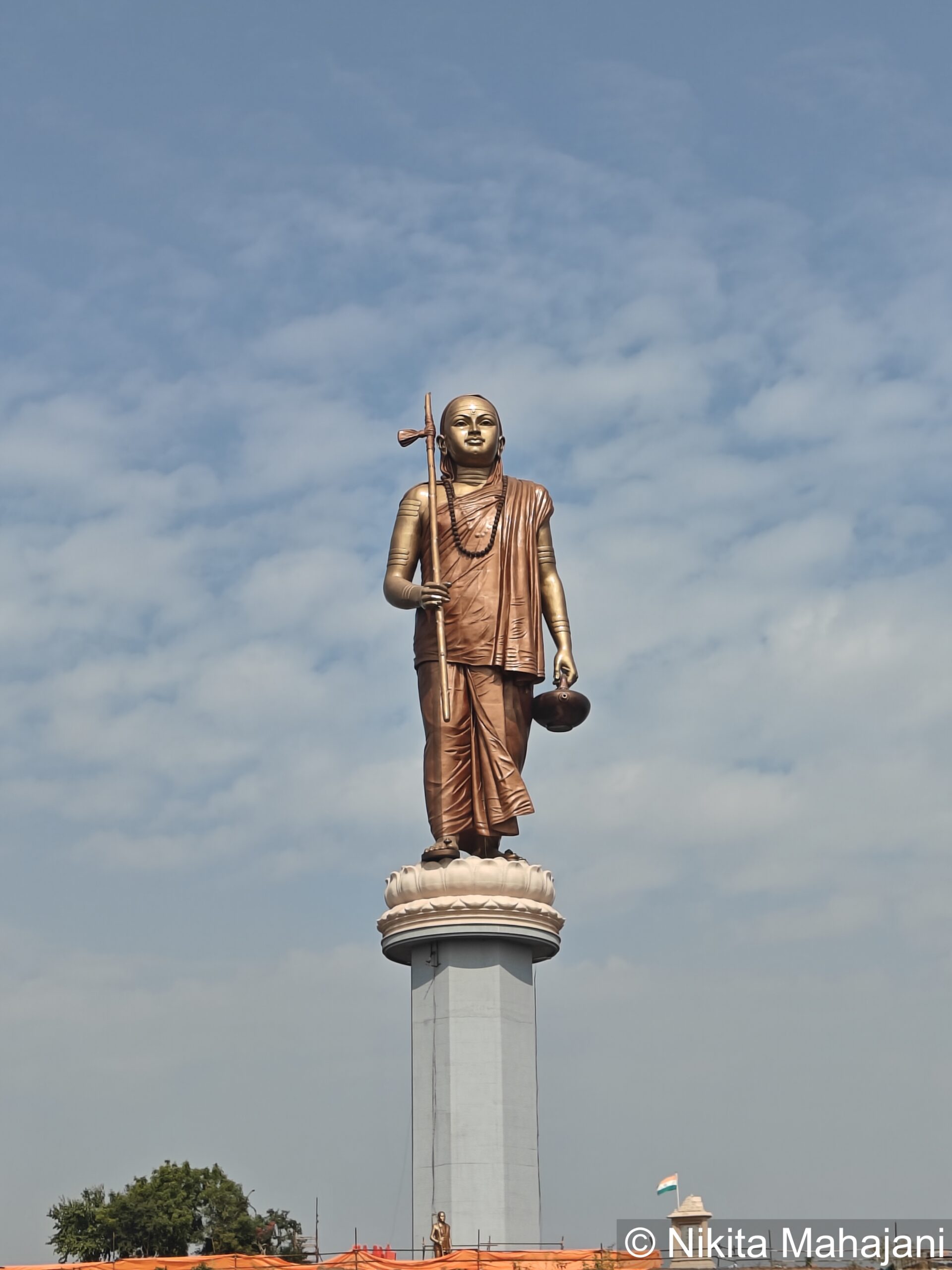
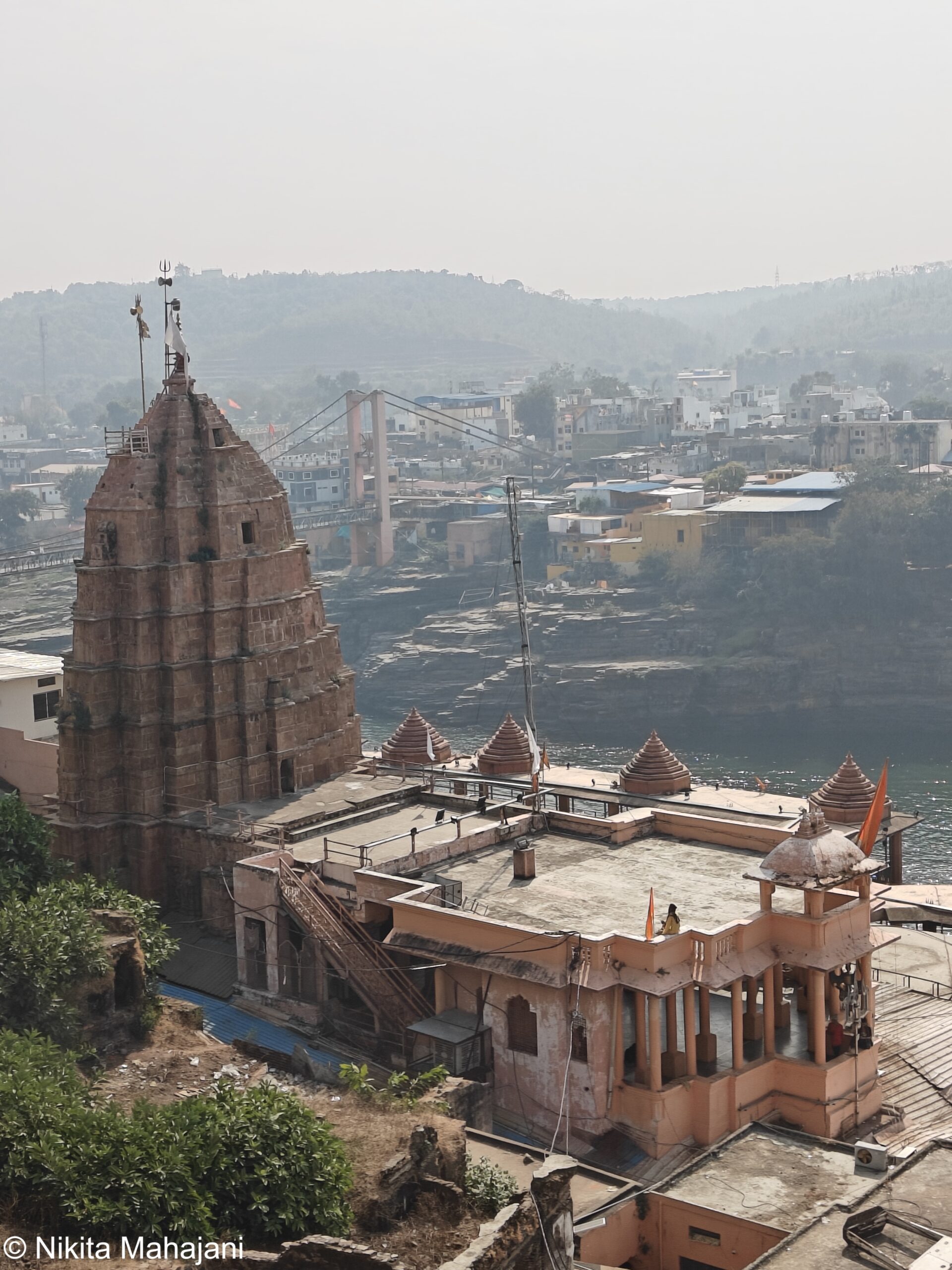
The temple holds great significance in Hinduism and is referenced in ancient scriptures such as the Vedas and Puranas. Omkareshwar Island is considered a sacred destination, home to six pilgrimage sites and 33 deities, making it a revered spot for spiritual seekers.
What adds to the sanctity of the place is the natural formation of the sacred symbol “Om” by the curves of the Narmada River, lending the site a deeply spiritual aura. Omkareshwar stands as a testament to age-old Hindu traditions and the enduring devotion to Lord Shiva. It is believed to be the only place where Shiva manifested in the form of Omkara Swaroopa.
The temple’s spiritual importance is also highlighted in texts like the Skanda Purana, Shiv Purana, and Vayu Purana. According to these scriptures, those who worship Omkareshwar with unwavering devotion to Mahadev are believed to be freed from all earthly evils.
Mandhata Palace: The Mandhata Palace is situated on the island of Mandhata, also known as Shivpuri or Mahishmati, in the Narmada River. Perched above the temple complex, the palace is visible from the river during boat rides. Its architecture resembles that of a traditional North Indian haveli. From the palace, you get a stunning top-down view of the Omkareshwar Temple, making it a must-visit spot when exploring the area.
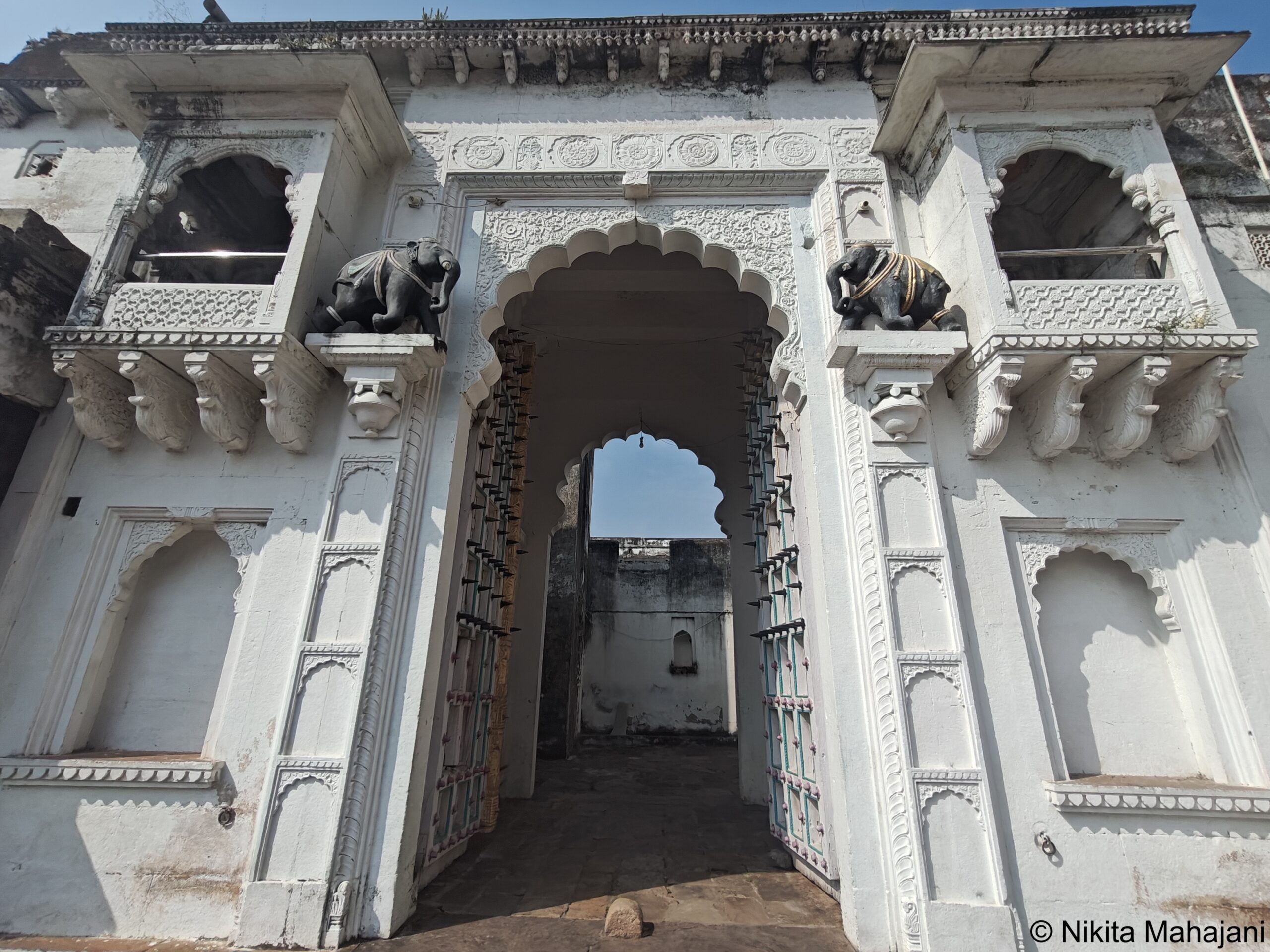
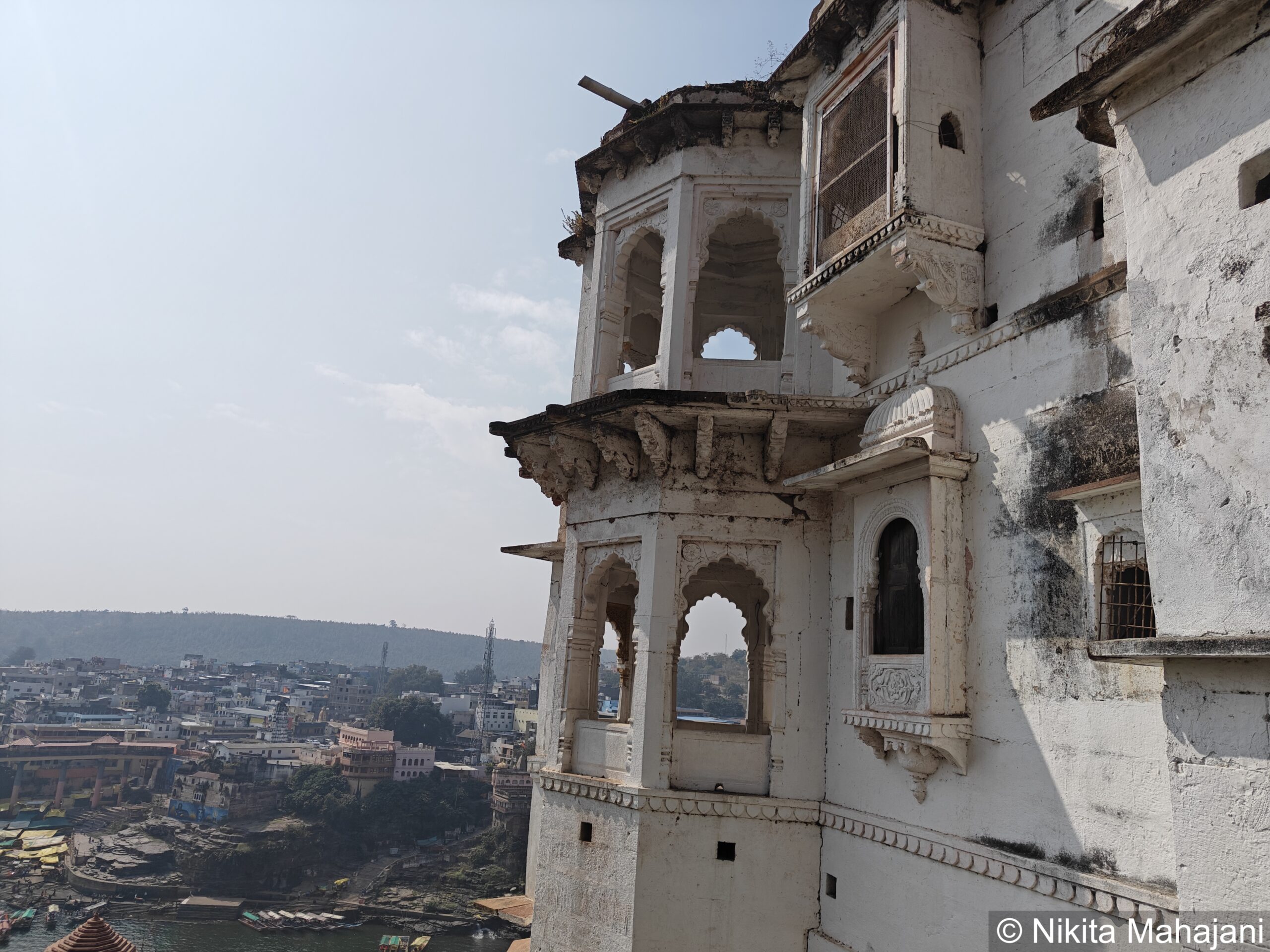
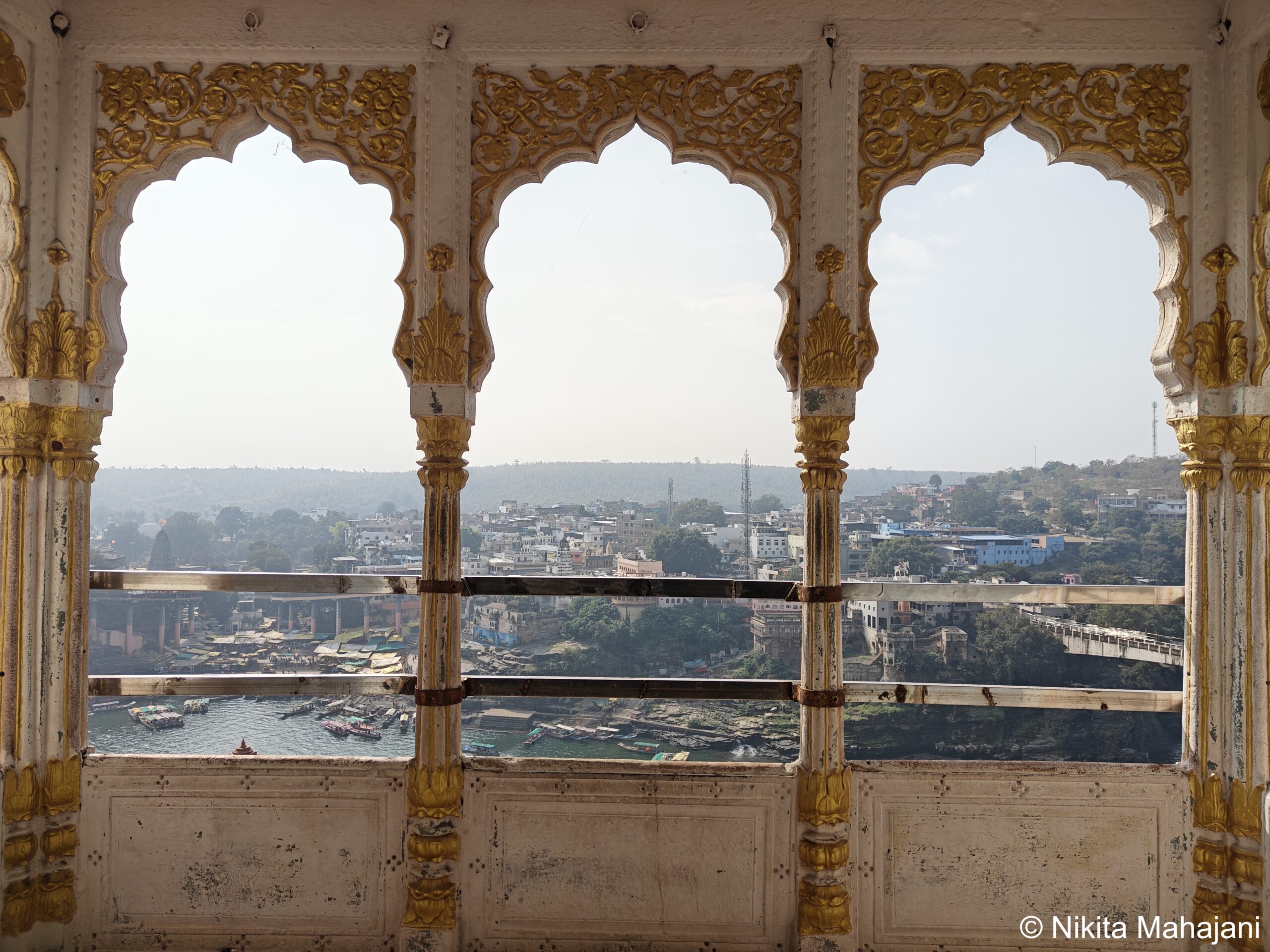
Shree Siddhanath Temple: Among the ancient temples of Omkareshwar, Shree Siddhanath Temple is considered one of the oldest. It is built on an 8-foot-high platform. The platform features carvings of elephants in various poses on all four sides. On the walls and ceiling of the temple are sculpted figures of various goddesses and deities. The temple is named Siddhanath Barahdari because it has 12 doorways (Barahdari meaning “twelve doors”).
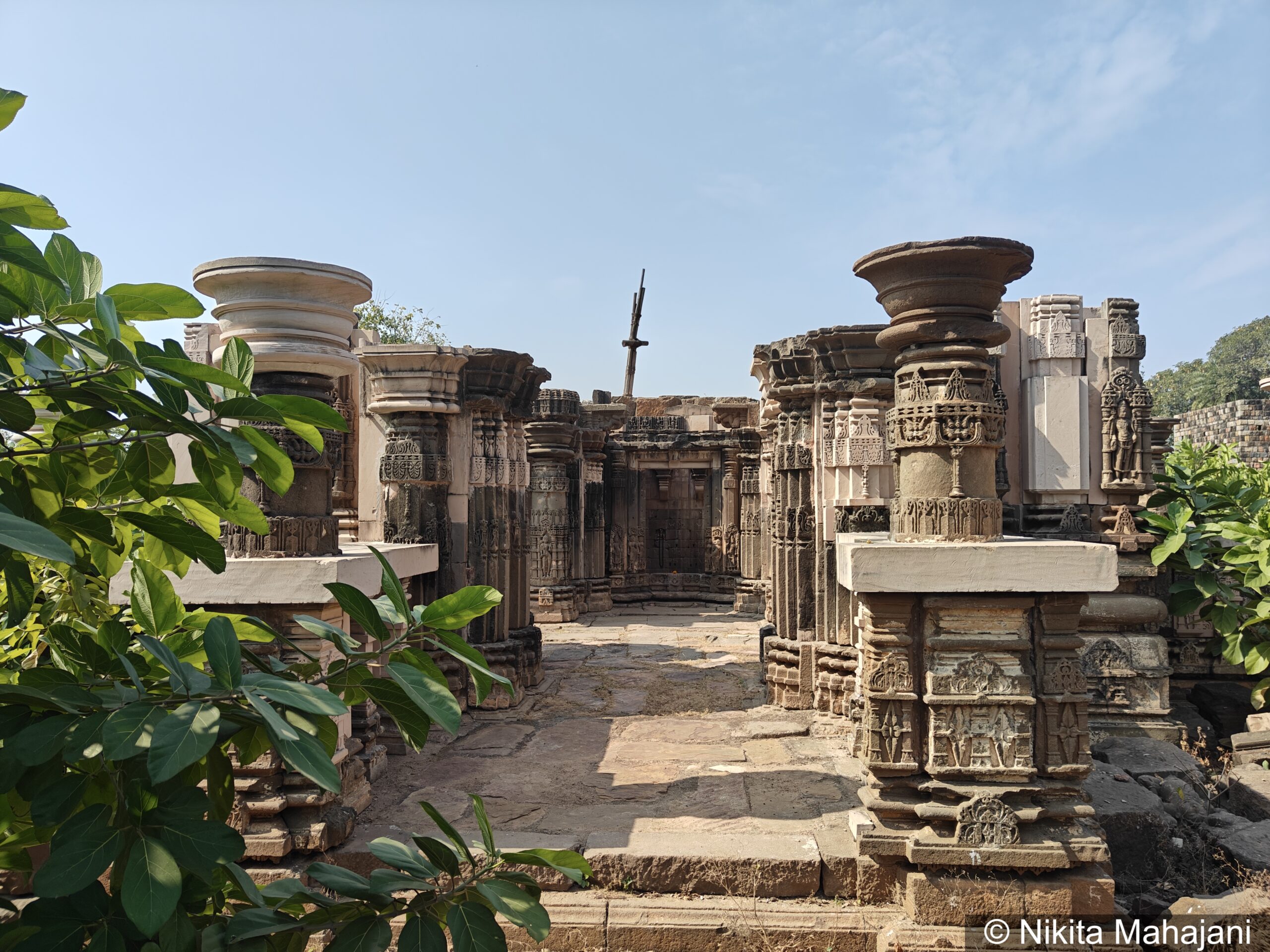
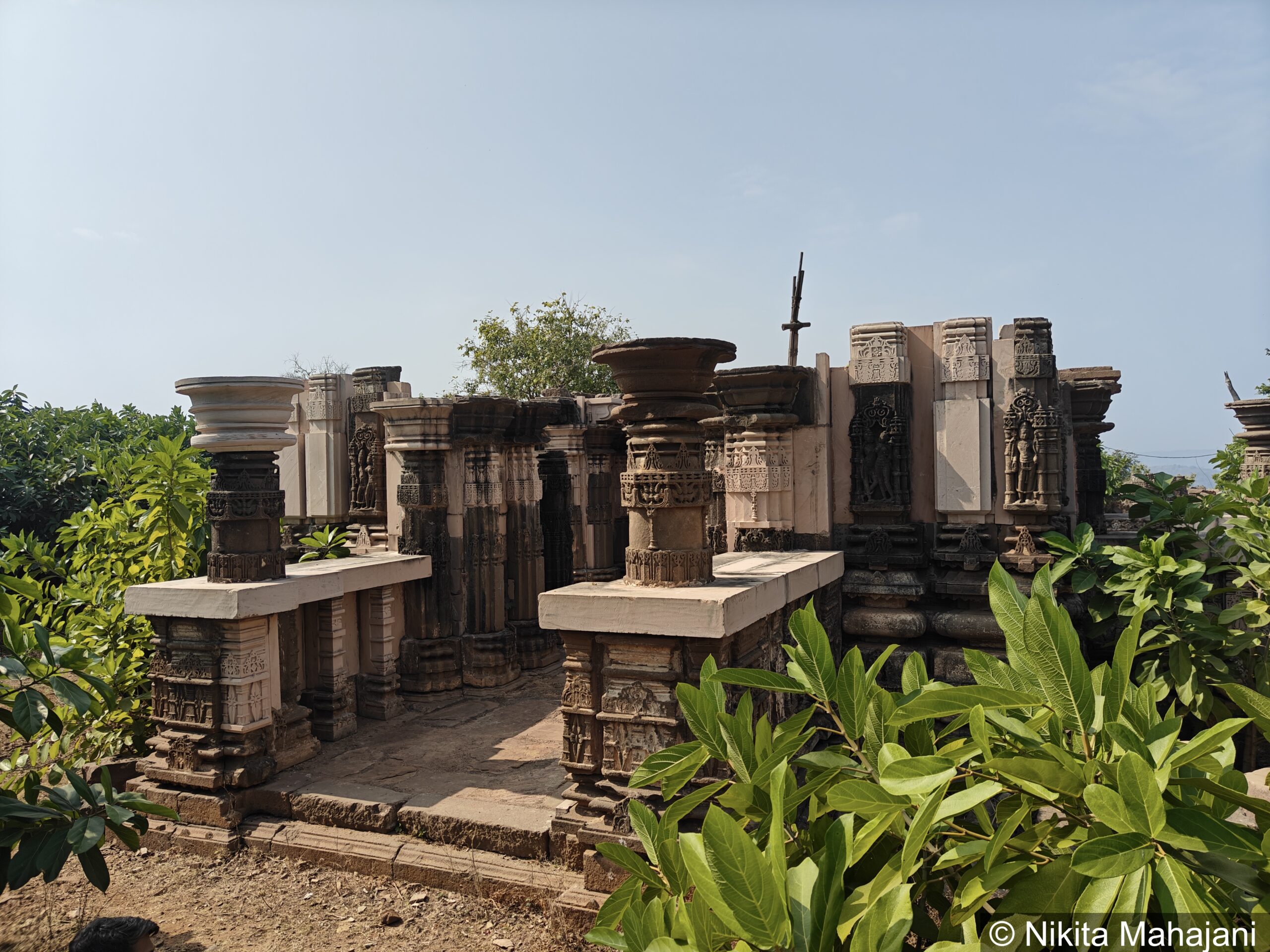
Gouri Somnath Temple: The Gouri Somnath Temple, located on Mandhata Island by the holy Narmada River, is an 11th-century shrine dedicated to Lord Shiva and Goddess Parvati. It is famous for its impressive six-foot-tall black stone Shiva Lingam, which, as per legend, once had the mystical ability to reveal a person’s future until it was damaged during the rule of Emperor Aurangzeb.
The temple is built in the Bhumija architectural style, featuring a star-shaped base and a gracefully curving spire, resembling the design of the Khajuraho temples. Its three tiers are decorated with intricate carvings and sculptures that highlight the craftsmanship of the Paramara dynasty. To reach the temple, visitors must climb more than 200 steps, but the peaceful and sacred atmosphere makes it worthwhile. The temple is open every day from 5:00 AM to 6:00 PM, and entry is free.
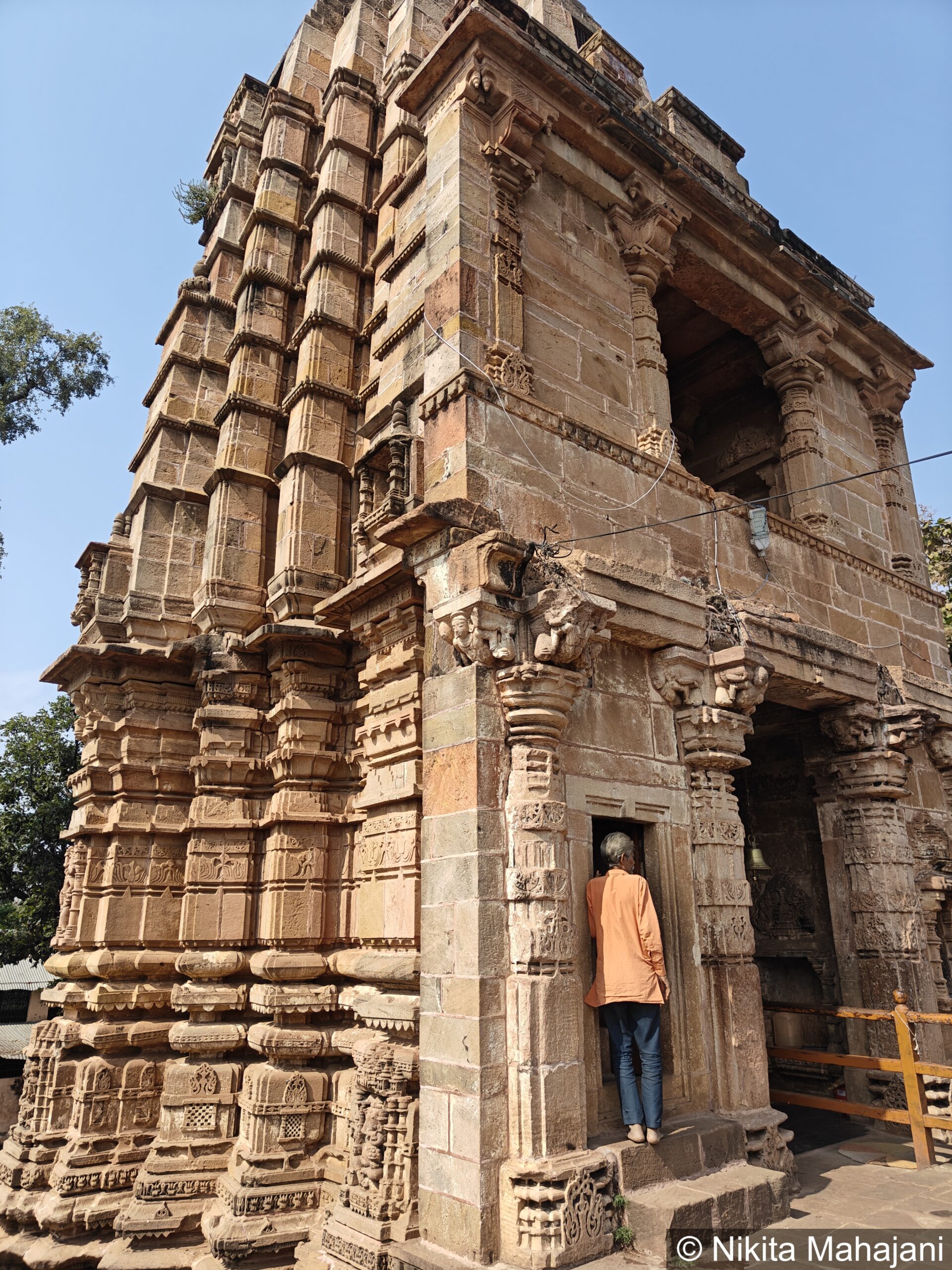
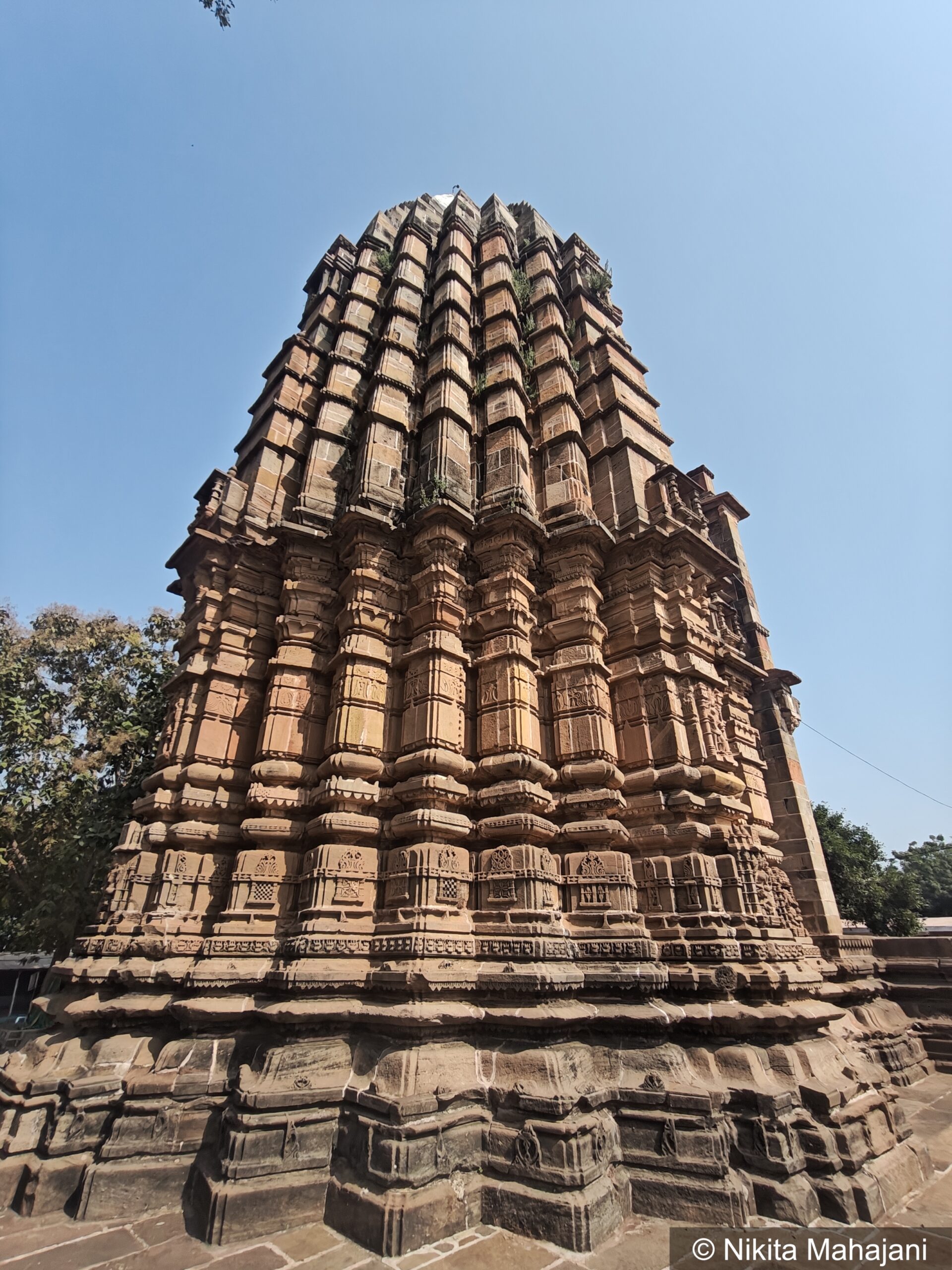
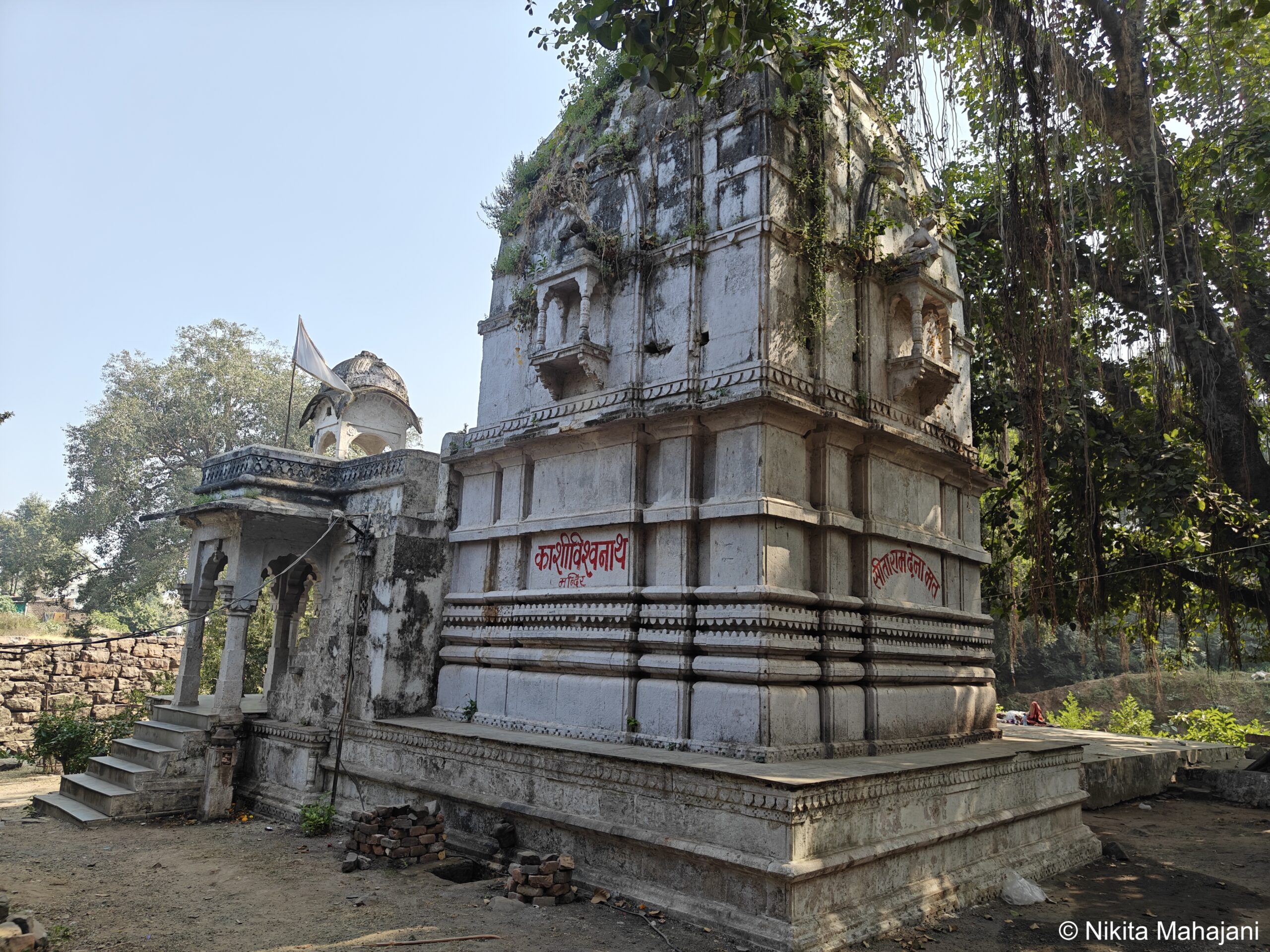
Kashi Vishwanath Mandir: Our final stop was the Kashi Vishwanath Mandir, where the tranquil environment provided a perfect conclusion to our spiritual exploration.
By 2:00 PM, we returned to Vanasthali Resort for a hearty lunch. The rest of the evening was spent relaxing, soaking in the serene ambiance of the resort. We concluded our day with a delicious dinner at 9:00 PM, cherishing the memories of our spiritual journey.
To read the next blog on Day 05: Indore, click here.
Where did we eat ?
Vanasthali Resort, Omkareshwar.
Krishna Prasadam Restaurant.